
Reviewed · FOOD & DRINK
Parma: discover history and food in one unmissable tour!
Parma gets your stomach and your street smarts working fast. This tour pairs historical photo detective work with a red tasting kit that turns famous sights into lived-in local tradition. I especially like how you walk through the center like a comparison game: old images against today’s monuments. One heads-up: you’re getting tastings, not a long sit-down meal, so if you want an end-in-a-trattoria finale, plan ahead.
I also really like the way the guide links the sights to food culture, using dialect flavor and personal stories (Giulia is a name that comes up a lot) rather than just dates on a board. The one possible drawback to consider is that the experience can lean more toward history and commentary than toward lots of shop browsing or extra stops to buy cheese on the spot.
In This Review
- Key things you’ll notice right away
- A Two-Hour Parma Walk That Actually Changes How You See the City
- The Red Bag Tasting Kit: What You Get (and Why It Works)
- How the Photo Detective Game Turns History Into Something You Can Use
- Stop-by-Stop: From Roman Bridge to Yellow Parma’s Biggest Square
- 1) Ancient Roman bridge: first taste, first context
- 2) Piazza Ghiaia and the historical market: dialect and local rhythm
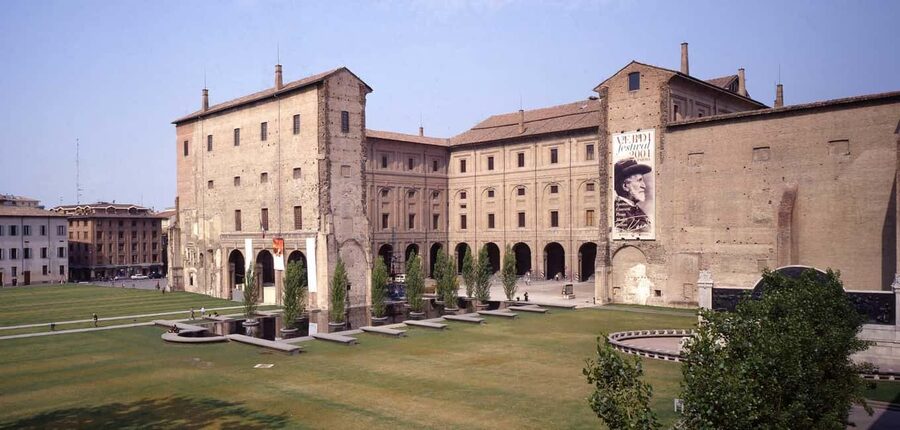
- 3) Pilotta & Piazzale della Pace: statues lost, stories found
- 4) Post office (not on Sunday): a second hidden place
- 5) Piazza Duomo: Parmigiano Reggiano tasting, then cathedral focus
- 6) Cathedral of Parma: entrance plus naves and dome lighting
- 7) Via Cavour and Piazza Garibaldi: shops, the biggest square, and Yellow Parma
- Price and Value: Why $88 Can Make Sense for Parma
- Practical Tips That Make the Tour Feel Smooth
- Guide Style: What You’ll Likely Feel on the Walk
- The One Thing to Watch: History Heavy vs. Food-Heavy Day
- Accessibility Note: A Small Contradiction to Resolve Before You Go
- Should You Book This Parma Tour?
- FAQ
- How long is the tour?
- Where does the tour meet?
- What tastings are included in the kit bag?
- Is entrance to the cathedral included?
- Does the route include the post office every day?
- Is the tour wheelchair accessible?
Key things you’ll notice right away
- A red tasting kit prepared for you before you start walking, so food is part of the rhythm.
- Historical photos as your “time machine” as you compare past and present in the same streets.
- Dialect and local anecdotes that make the center feel like a living place, not a museum corridor.
- Cathedral access with special lighting (naves and dome lighting) rather than just looking from the outside.
- Food stops tied to landmarks—Roman bridge, Duomo area, and the biggest square all connect to what you taste.
- Local tip culture: you come away with practical guidance on where to eat and what to see next.
A Two-Hour Parma Walk That Actually Changes How You See the City
If you only have a short window in Parma, this kind of tour is one of the easiest ways to make it count. Two hours sounds brief, but it’s built for high pay-off: you cover meaningful landmarks and you taste the local “greatest hits” without turning it into a slow, restaurant-style day.
The big idea is simple. Parma is best understood when history and food talk to each other. You’ll feel that as soon as you start, because your tour doesn’t begin with a lecture. It begins with that special tasting kit bag, then moves into photo-and-story walking.
More Emilia food and drink to seek out.

The Red Bag Tasting Kit: What You Get (and Why It Works)
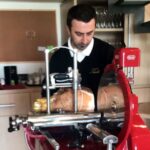
The heart of the experience is the tasting kit—meaning you’re not just hearing about food. You’re eating while the guide points out why these places matter.
Here’s what’s included in the kit:
- Parmigiano Reggiano
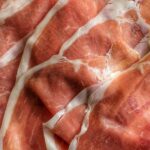
- A sandwich with cold meats
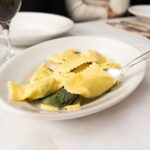
- Anolini
- An herbs pie
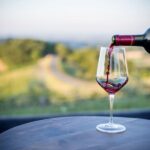
- A very special bottle of Lambrusco
For value, this matters because you’re getting multiple Parma staples in one go. Parmigiano Reggiano alone can be a pricey souvenir. Add cold meats plus filled pasta (anolini), plus a regional wine, and the “$88 for a 2-hour tour” starts to look more like a meal + guided walk than a basic city stroll.
Practical note: you still want to bring water and wear comfortable shoes. Tastings are satisfying, but you’ll also be walking the center.
How the Photo Detective Game Turns History Into Something You Can Use
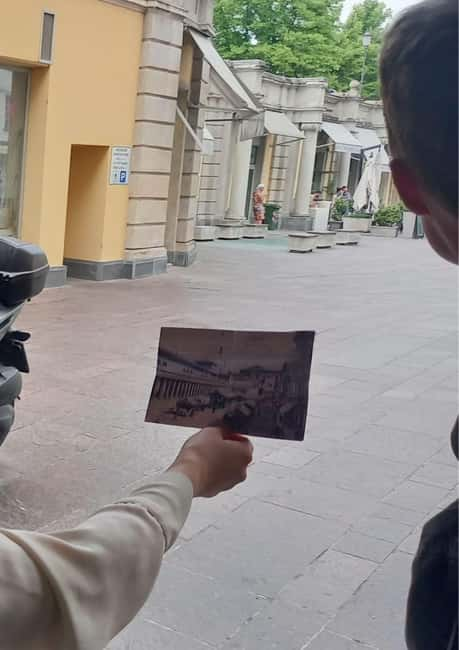
A lot of “history tours” leave you with facts you can’t place later. This one tries to fix that problem. You’re not just passively listening—you’re an image detective, comparing historical photographs to what’s still standing.
What that does for you in real life:
- It gives you instant orientation. You stop feeling lost, because you recognize shapes, streets, and landmarks in context.
- It makes architecture feel personal. The cathedral isn’t just a stop—it’s part of a story that changes how you look at it when you’re standing there.
- It trains your eye. Once you’ve compared old and new, you start noticing details on your own later.
Also, the tour’s built around hidden places and local rarity stops that most self-guided walks skip. That’s where the “local culture” promise gets real.
Stop-by-Stop: From Roman Bridge to Yellow Parma’s Biggest Square
This is the kind of tour where each stop has a purpose, and the tastings line up with the walking moments—so you don’t feel like you’re eating randomly in between sightseeing.
1) Ancient Roman bridge: first taste, first context
You start at the oldest part of Parma with an ancient Roman bridge as the first hidden place. That’s a smart choice because it sets the tone: you’re starting early in the city’s timeline, then you begin tasting immediately.
Why it’s a good opener: it grabs your attention fast. You taste, you look up at the structure, and then your guide builds the story around what you’re seeing.
More local food worth going out of your way for.

2) Piazza Ghiaia and the historical market: dialect and local rhythm
Next comes Piazza Ghiaia. This is where you get dialect and local customs in a practical way, not just a name-drop. The historical market element helps you understand Parma as a city of everyday exchange, not only grand monuments.
You’ll get about 20 minutes here, which is long enough for a real feel without dragging.
3) Pilotta & Piazzale della Pace: statues lost, stories found
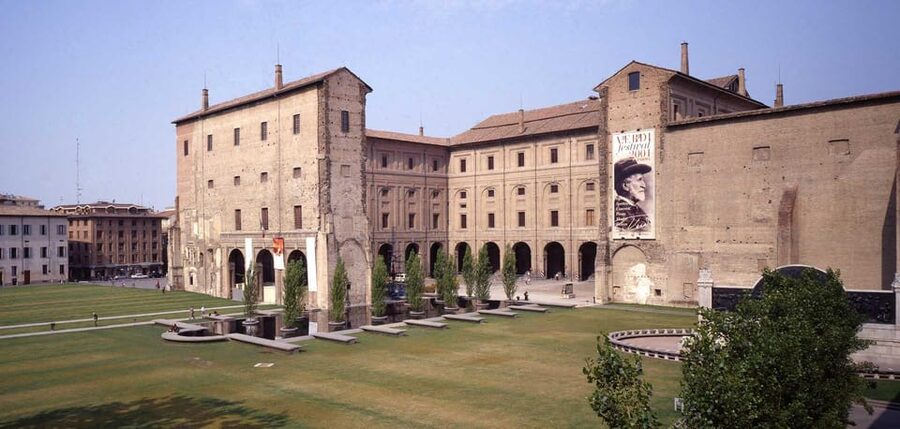
Then you move to the Pilotta & Piazzale della Pace area. The highlight here is an incredible story about statues lost, plus another tasting along the way.
This is one of those sections where the tour title—history and food—starts to feel literal. You’re learning how something can disappear, reappear in memory, and still shape how the area feels today.
4) Post office (not on Sunday): a second hidden place
After that, there’s a stop at a post office, described as a hidden place you might not expect. Important detail: this stop is not on Sunday.
So if your visit is on a Sunday, you’ll still get the walking and the story. Just know that one specific location won’t be part of the day’s route.
5) Piazza Duomo: Parmigiano Reggiano tasting, then cathedral focus
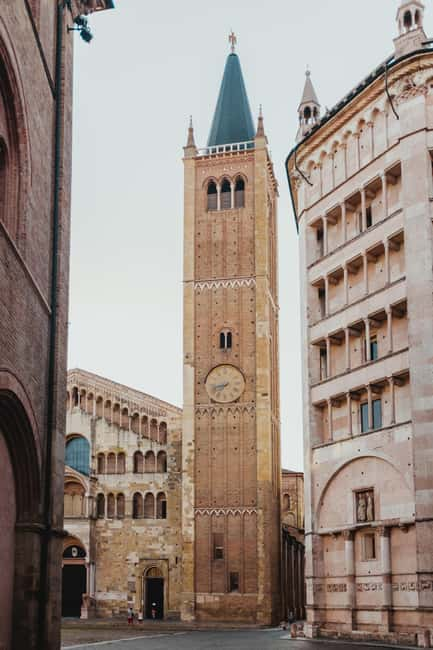
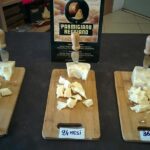
At Piazza Duomo, the tour shifts into food with a real Parma icon: Parmigiano cheese (third tasting). This is an excellent pairing because the Duomo area anchors the city’s identity, and the cheese connects that identity to daily life and regional pride.
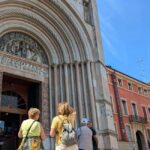
6) Cathedral of Parma: entrance plus naves and dome lighting
You can enter the cathedral, and the experience includes naves and dome lighting. Even if you’re not a big church person, the lighting detail gives you something to look for. It’s not just an exterior checkmark.
You’ll spend about 20 minutes here, which is enough time to see the space and let the guide’s explanation land.
7) Via Cavour and Piazza Garibaldi: shops, the biggest square, and Yellow Parma
Finally, you head toward Via Cavour and Piazza Garibaldi. This part leans modern: fashion shop streets, the city’s biggest square, and that signature idea of Yellow Parma as the last tasting wraps up the tour.
It’s a nice send-off. You go from medieval foundations to a sense of how Parma lives now—then you leave with a full stomach and a better mental map.
Price and Value: Why $88 Can Make Sense for Parma
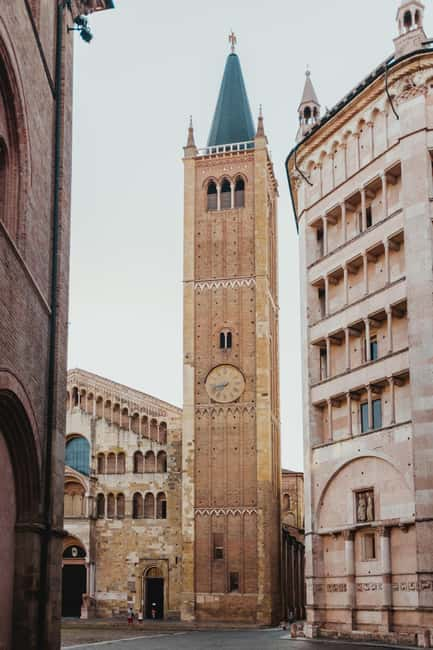
At $88 per person for a 2-hour guided tour with a tasting kit, value depends on what you compare it to.
If you compare it to a plain walking tour: it costs more, but you also get food + wine and entry to the cathedral with lighting. That’s the difference.
If you compare it to buying everything separately: you’ll likely spend similar or more once you price out regional cheese, filled pasta tastings, cold meats, and wine. And you’d still be missing the “why this landmark matters” storytelling.
So the fair way to think about it is this: you’re paying for a guide who connects the city’s layers, plus a ready-made tasting meal format. It’s not a cheap tour, but it’s not a gimmick either.
Practical Tips That Make the Tour Feel Smooth
A few small choices matter a lot with a walking + tasting format.
- Wear comfortable shoes. You’re on your feet for the full loop.
- Bring water. Tastings are not a replacement for hydration.
- Plan your meal timing. Because you end after the last tasting in Piazza Garibaldi, you may not want a heavy dinner immediately after.
- If you’re timing your day: you’ll finish in Piazza Giuseppe Garibaldi.
Meeting place note: the meeting point is in front of Caffè Tubino, and the tour start is listed as Strada Giuseppe Mazzini, 43. Give yourself a few extra minutes to find the group calmly.
Guide Style: What You’ll Likely Feel on the Walk
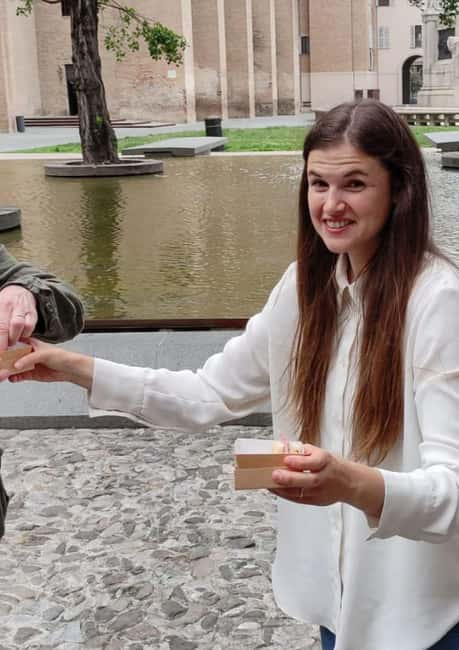
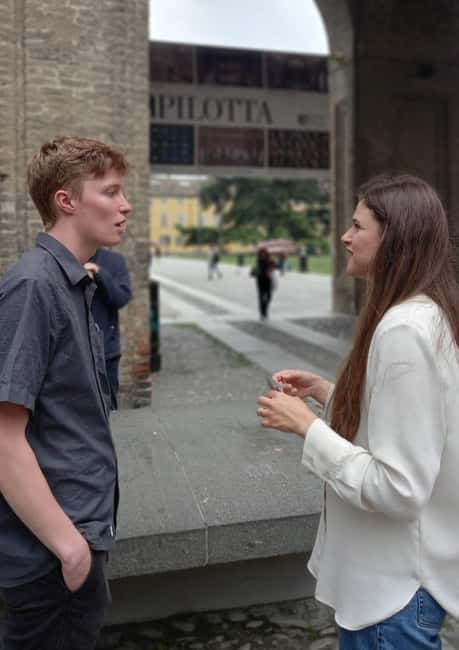
Guides are where this tour either clicks or doesn’t. The experience seems to run on personal storytelling and local energy, and Giulia is a standout name that shows up repeatedly in feedback.
What that tends to mean for you:
- You get more than facts. You get human details tied to street corners.
- You’re encouraged to notice details while walking, not only at stops.
- Your time in Parma feels structured without feeling scripted.
The tone also includes dialect bits and small anecdotes. That’s not fluff. It helps you remember places later because you associate them with language and character.
The One Thing to Watch: History Heavy vs. Food-Heavy Day
This is where you should be honest with your expectations.
The tour can feel more history-focused than shopping-focused. One experience note mentioned that the tour ended right at a street corner and didn’t include a final sit-down in a restaurant or café. Another point mentioned that the day felt more like a history tour, with tastings presented as part of the guide’s walk rather than a big market-style food stop with lots of browsing.
So if what you want most is:
- a lot of free time to wander and shop, or
- an extended meal at the end,
this might feel a bit short on that side. If what you want most is a clear city story and a guided set of tastings, it fits perfectly.
Accessibility Note: A Small Contradiction to Resolve Before You Go
You’ll see wheelchair accessibility listed, but you’ll also see the activity marked not suitable for wheelchair users.
That contradiction matters. Before booking if mobility is a factor, reach out to the provider directly and ask how the walking route handles steps/curbs and whether the cathedral visit is practical with your needs.
Should You Book This Parma Tour?
I think this is a smart pick if you:
- want a short, structured Parma experience,
- care about understanding the city through landmarks and food culture,
- like guided storytelling that ties sights to tastings,
- want cathedral entry with lighting included.
I’d hesitate if you:
- want a long final restaurant meal,
- plan to do lots of shopping during the tour window,
- need certainty about wheelchair practicality due to the mixed accessibility info.
If you’re fitting Parma into a busy itinerary, this tour gives you both context and calories in one clean package. Not a bad deal for two hours.
FAQ
How long is the tour?
The tour lasts 2 hours.
Where does the tour meet?
Meet in front of Caffè Tubino. The start point is listed as Strada Giuseppe Mazzini, 43.
What tastings are included in the kit bag?
Your kit includes Parmigiano Reggiano, a sandwich with cold meats, anolini, an herbs pie, and a special bottle of Lambrusco.
Is entrance to the cathedral included?
Yes. The experience includes entrance to the Cathedral with naves and dome lighting.
Does the route include the post office every day?
The post office stop is not on Sunday.
Is the tour wheelchair accessible?
The details include wheelchair accessibility, but it also says it is not suitable for wheelchair users. Because that’s conflicting, it’s best to confirm route conditions and feasibility with the provider before you book.
More Bologna Food Tours
More Emilia Food and Drink
More Tour Reviews in Parma
After something different? More ways to fill a day in Bologna and across Emilia-Romagna


Food & Drink, compared.
 ★ 5.0Bologna Food & Market Tour with 6 Tastings, Pasta, Wines & MoreFrom $1181,328 reviews
 ★ 5.0Bologna Food Experience: Factory tours & Family-Style LunchFrom $2161,201 reviews
 ★ 4.8Walking Food Tour with a Local GuideFrom $90882 reviews
 ★ 5.0Bologna Food Tour from a local perspectiveFrom $133860 reviews
 ★ 5.0Private Half Day Parma Food Walking TourFrom $134561 reviews
 ★ 4.9Parmigiano Production and Parma Ham Tour & TastingFrom $126554 reviews
 ★ 3.7Open Bus City Tour and Local Food TastingFrom $46550 reviews
 ★ 5.0Full meal Food Tour with Local Delights by Do Eat BetterFrom $81541 reviews
Browse the lists this tour appears in