
Reviewed · PARMIGIANO REGGIANO & PARMA HAM TOURS
From Parma: Parmesan, Parma Ham & Balsamic Vinegar Tour
Parma has a way of turning food into culture fast. This full-day tour strings together three icons—Parmigiano-Reggiano, Parma ham, and traditional balsamic vinegar—so you taste what makes the region famous and learn how each one is made. It’s part food education, part countryside ride, and part tasting session where you actually get time to smell, sip, and ask questions.
I especially love that the day isn’t just one production visit. You get guided tours at multiple family-run sites, plus tastings that help you notice differences by age and style. Another big win is the lunch: you’ll sit down for a classic Parma spread, including tortelli d’erbetta and Lambrusco, not a sad prepackaged snack.
One possible drawback: factories can be busy and loud in production areas, so it may be harder to hear every detail at the cheese stop. Also, depending on timing, you might not see constant day-to-day processing in every room, even though you’ll still get tours and explanations.
In This Review
- Key Things You Should Notice Before You Go
- Why This Parma Food Route Makes Sense in a Single Day
- Getting Started at Caffetteria Toschi Without the Stress
- The Parmigiano-Reggiano Stop: Aging Rooms That Reset Your Scale
- Langhirano and Parma Ham: Sweetness Comes From Timing
- Tortelli d’Erbetta and Lambrusco: Lunch That Feels Like Parma, Not a Pit Stop
- The Balsamic Vinegar Mansion in Reggio Emilia: Black Gold With an Age Story
- Guide Craft: The Difference Between Hearing and Getting It
- Price and Value for a 7.5-Hour Parma Circuit
- Who This Tour Best Suits (And Who Might Want Something Else)
- Should You Book This Parma Parmesan, Ham, and Balsamic Tour?
- FAQ
- How long is the Parma Parmesan, Parma Ham & Balsamic Vinegar Tour?
- Where do I meet the group in Parma?
- What’s included in the tour price?
- What languages are the guides?
- Is there a cancellation policy?
- Are pets allowed?
Key Things You Should Notice Before You Go
- 5000 wheels moment: See huge aging rooms for Parmigiano-Reggiano, with tastings across different ages.
- Tastings built into the workflow: You don’t just look around; you sample cheese, ham, and balsamic with guidance.
- Langhirano ham focus: The ham stop explains the journey from meat selection to meticulous aging.
- Lunch that feels local: Tortelli d’erbetta, a seasonal dessert, and Lambrusco with water and coffee.
- Black gold at a 300-year-old acetaia: Balsamic vinegar tastings include bottles/barrels aged up to 25 years.
- Small-group energy: The pace stays manageable, and the guide gets time to speak with each person.
Why This Parma Food Route Makes Sense in a Single Day
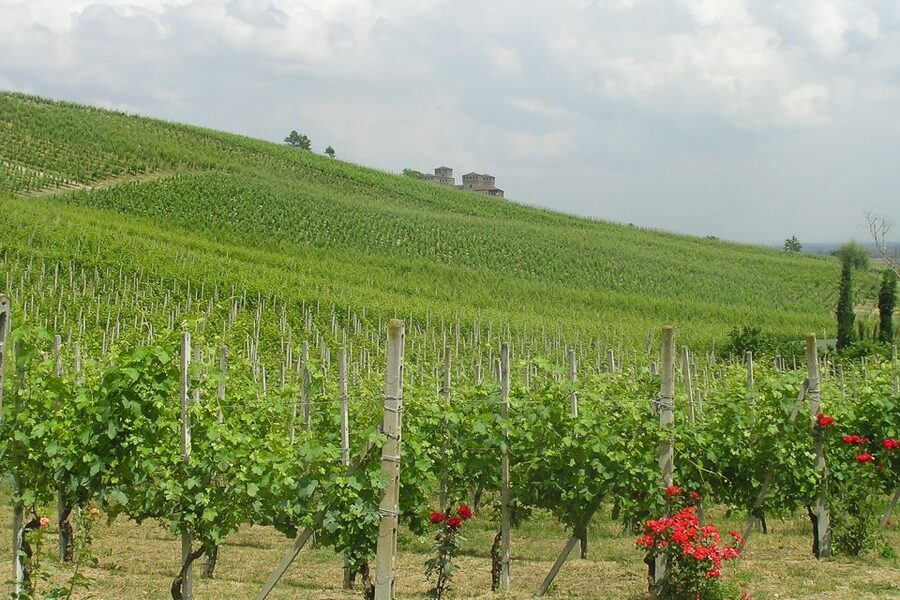
If you’re in Emilia-Romagna, you’ll hear people talk about food like it’s a religion. This tour is the practical version of that idea: it connects the stories behind three major products you’ll actually taste. You also get the travel time organized for you, so you’re not trying to stitch together separate factories with buses, taxis, and schedules that don’t match.
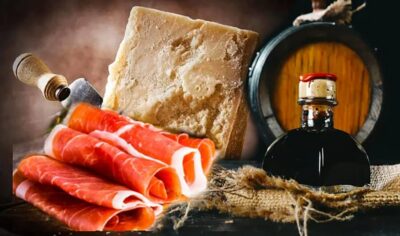
What I like most is how the day is structured around process. You’ll learn why Parmigiano-Reggiano ages the way it does, what makes Parma ham taste sweet rather than salty, and how balsamic vinegar develops complexity over years (sometimes decades). Then you use tastings to translate all that information into something you can remember.
The best part for your own planning: this tour gives you a shortcut to understanding quality. After you’ve tasted cheese at different ages and vinegar from different maturation periods, you’ll be able to shop in Parma with more confidence. You won’t just buy because it’s famous. You’ll buy because you get what you’re paying for.
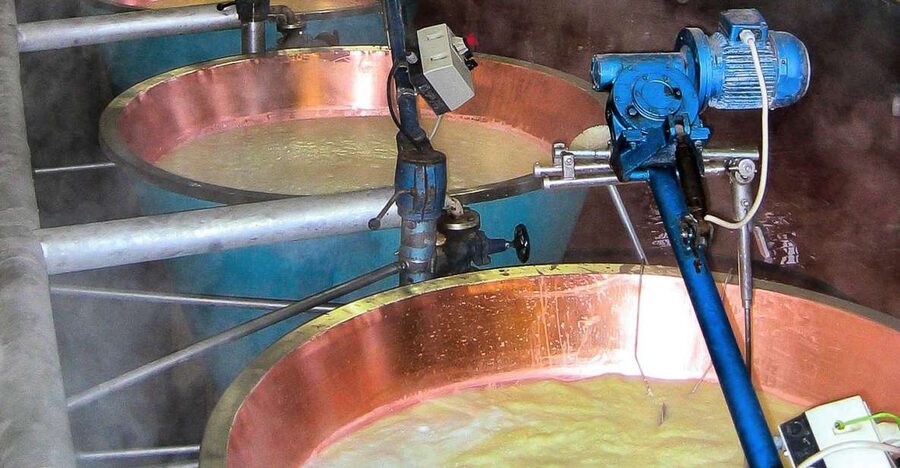
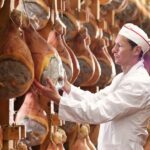
Out to the dairies and curing rooms for Parmigiano and Parma ham.
Getting Started at Caffetteria Toschi Without the Stress
The meeting point is simple if you come prepared: meet just outside Parcheggio Toschi, in front of Caffetteria Toschi. Parking is available right there, which is a relief in a city where quick parking can be its own mini-adventure.
If you’re arriving by train, you walk about 10–12 minutes from the main exit toward Viale Paolo Borsellino. It’s not a long hike, but it’s the kind of walk that feels longer if you’re carrying bags or dressing for warm-to-cool weather swings.
You’ll want comfortable, closed-toe shoes because factory floors can be uneven and you’ll likely be standing for tastings and tours. A camera helps too, especially at the aging rooms, where the scale is the point.
The Parmigiano-Reggiano Stop: Aging Rooms That Reset Your Scale
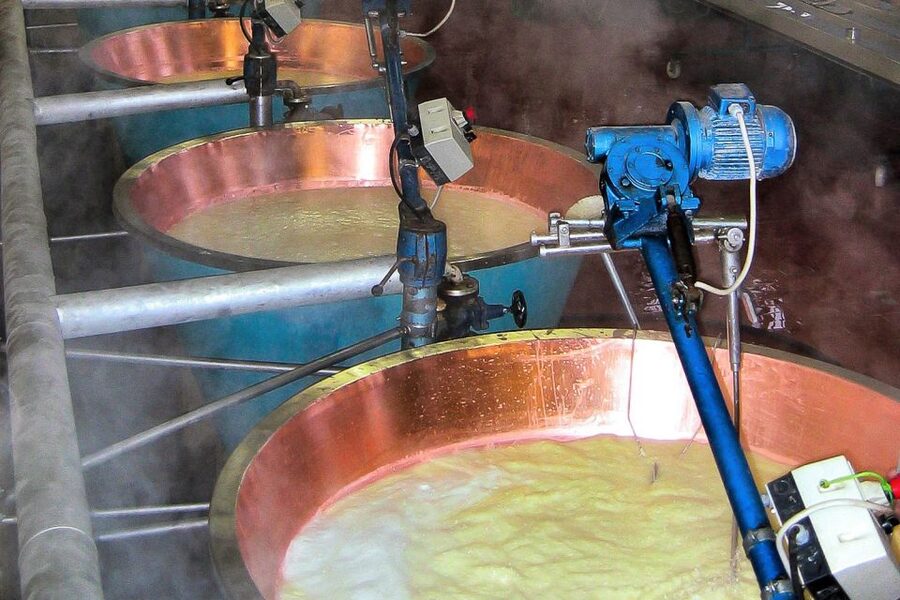
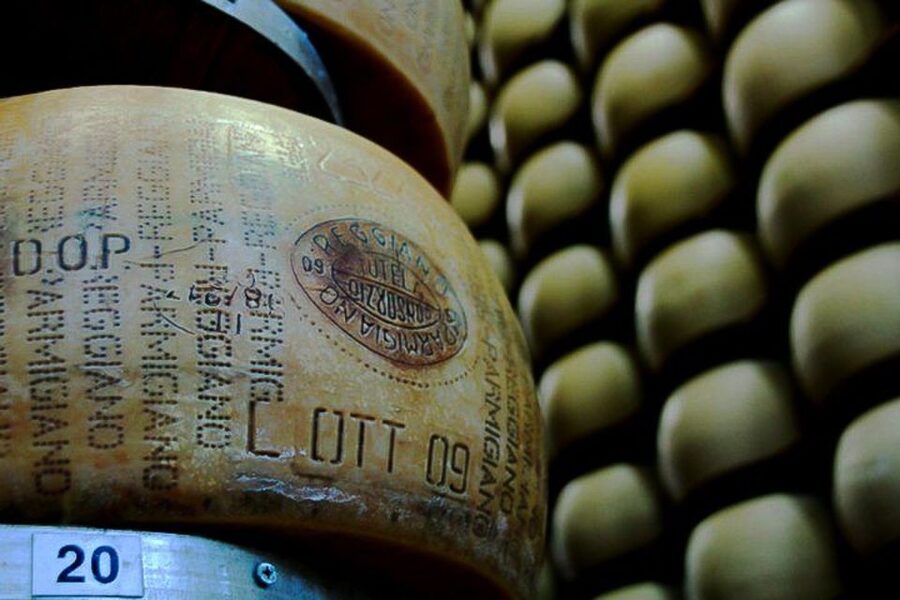
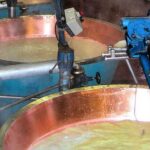
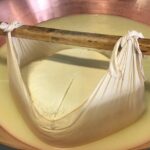
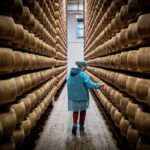
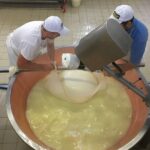
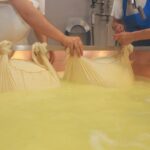
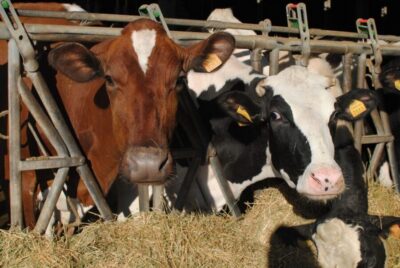
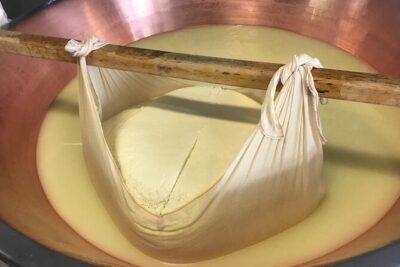
The cheese portion of the day is where the tour earns its hype. You’ll visit a Parmigiano-Reggiano dairy and get guided time through the production path, then move into the impressive aging rooms. One of the standout moments is being surrounded by about 5000 wheels.
Here’s what that moment does for you: it puts the “aged” part into perspective. Parmigiano-Reggiano isn’t a quick product. It’s a long, careful process that depends on time, temperature, and consistency. When you see that storage room full of wheels stacked in an organized system, it makes the waiting feel less abstract.
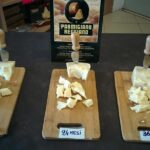
Then comes the part that makes the learning stick: tastings of cheese of different ages. Younger Parmigiano tends to taste sharper and more youthful, while older wheels become more complex and deeper. Even if you don’t think you have a palate for nuance, this setup nudges you to notice texture and flavor shifts instead of treating all cheese as “cheese.”
A small practical note: one review experience mentioned that the production area can be noisy, which can make it harder to hear the guide if you’re farther back. Your move is easy—stand where the guide is speaking, and don’t be afraid to ask for a repeat if you missed a key point.
Langhirano and Parma Ham: Sweetness Comes From Timing
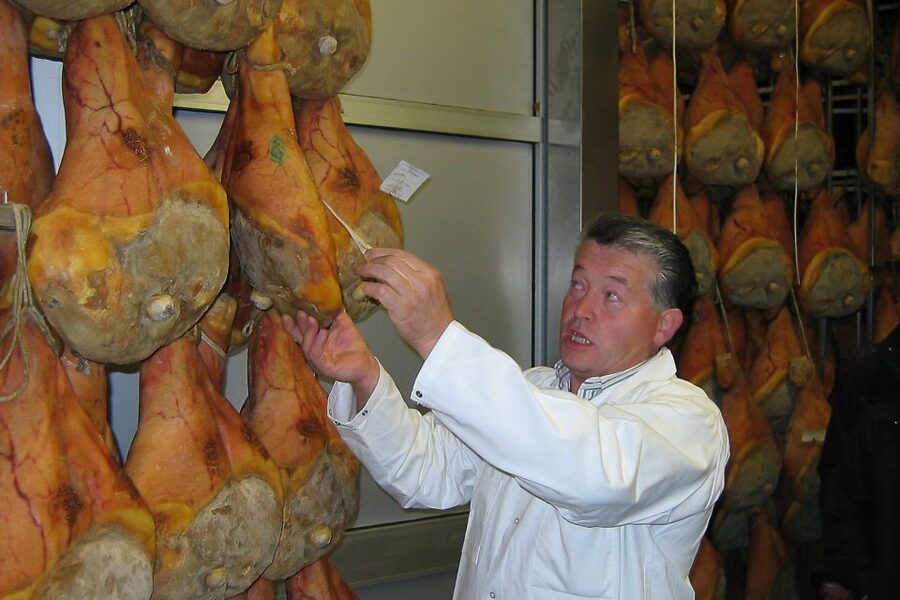
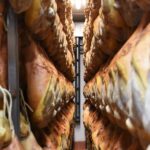
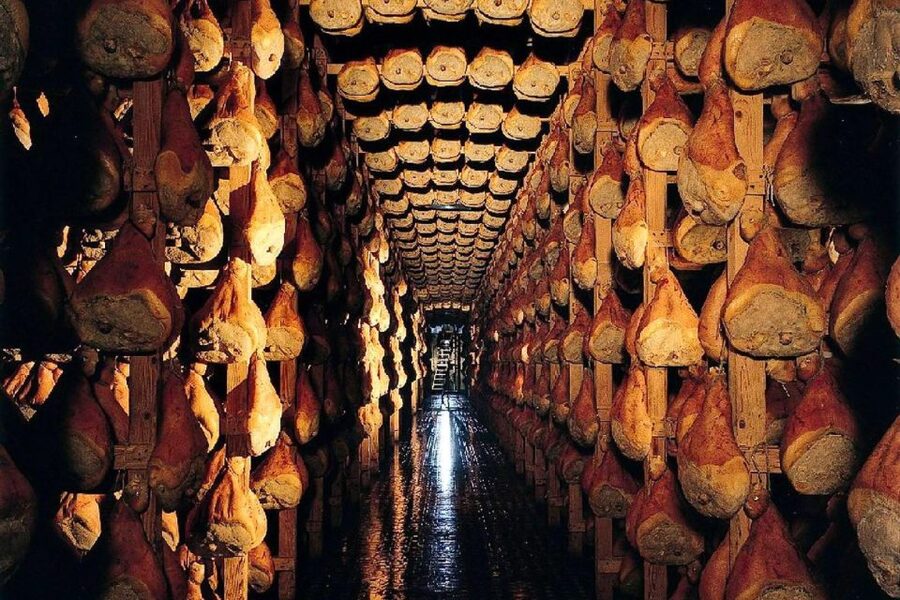
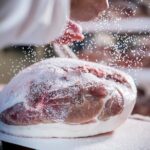
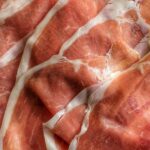
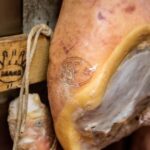
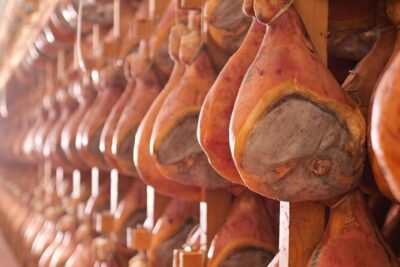
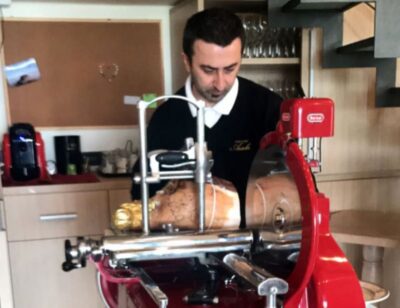
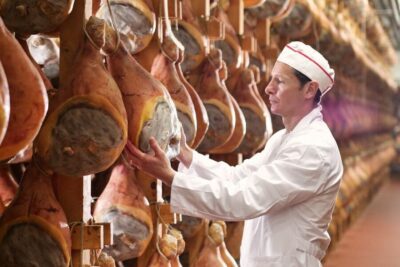
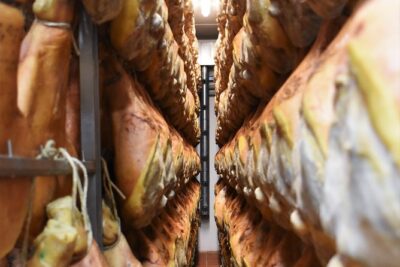
After the cheese stop, the tour shifts toward Parma ham in the Langhirano area. This portion is about craftsmanship and patience. You’ll follow the journey of the ham from careful meat selection to meticulous aging, with guided explanations of what matters and why.
What you’re tasting here isn’t just flavor—it’s method. Parma ham is known for a particular sweetness and clean savoriness that comes from controlled curing and aging. The guide’s role matters because the process can sound technical until you connect it to what ends up on your plate.
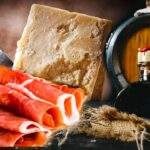
You’ll also have a tastings portion at this stop with Parma ham and other local cold cuts. This is a good time to compare styles and textures, not just chase the strongest or saltiest sample. If you like charcuterie, you’ll probably leave with a better sense of what “quality” means beyond branding.
One consideration from real-day experience: depending on the day of the week and factory rhythm, you might not see every stage of active processing. You can still expect tours and explanations, but the “hands-on production in motion” part isn’t guaranteed every time. The good news is you’ll still get the full story and tastings.
Tortelli d’Erbetta and Lambrusco: Lunch That Feels Like Parma, Not a Pit Stop
Lunch is one of the best reasons to pick a guided day like this. Instead of eating near a tourist landmark, you’ll stop at a cozy trattoria and dig into a Parma-focused meal.
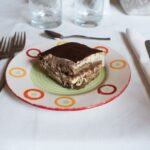
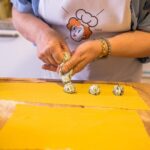
The menu highlights include starters plus tortelli d’erbetta—homemade pasta filled with ricotta cheese and spinach. That dish is very Parma in spirit: simple ingredients, careful technique, and a filling comfort that tastes like the region’s seasons. You’ll also get a seasonal dessert.
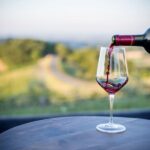
And yes, there’s wine. You’ll have a glass of Lambrusco, paired with water and coffee. That pairing matters because Lambrusco’s acidity and sparkle help cut through rich foods. It’s also just fun to sip something local while you’re sitting where the meal is made for people, not for a tour script.
One small practical perk from the ride side: the transportation is described as a small bus with reclining seats. So if you get sleepy after lunch, you’re set up to handle it on the way to the next stop.
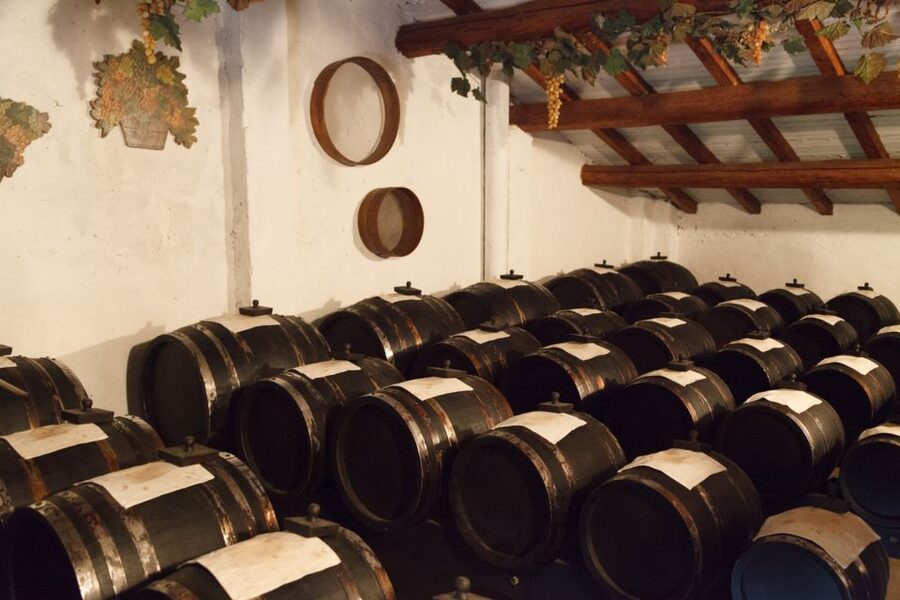
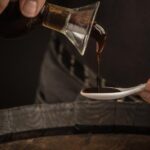
Into a Modena acetaia to taste barrel-aged balsamic.
The Balsamic Vinegar Mansion in Reggio Emilia: Black Gold With an Age Story
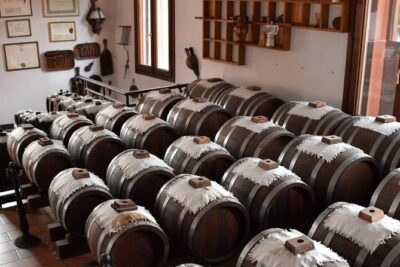
The balsamic stop is where the day turns from savory into something darker and sweeter in spirit. You’ll visit a 300-year-old mansion dedicated to balsamic vinegar, and you’ll hear the story of a family that treats vinegar like its most precious gift. It’s not just a sales pitch. You’ll get the backstory that helps explain why aging is the whole point.
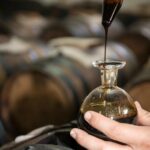
Then you move into the barrel world—aging barrels filled with black gold, aged up to 25 years. This is where the tour’s tasting approach really earns its keep, because you’ll sample balsamic vinegar of different ages.
Here’s what to focus on while tasting: don’t only chase sweetness. Pay attention to thickness, aroma, and how the flavor lingers. Younger vinegar often tastes sharper and fruitier; older vinegar tends to feel rounder and more layered. The guide can help you make sense of those changes, and the tastings are structured enough that you won’t feel like you’re guessing.
You’ll also hear about unusual recipes, which is useful because balsamic is sometimes treated like a generic condiment. After tasting across ages, you’ll understand why chefs and locals use it in specific ways—often where you want depth, not just glaze.
Guide Craft: The Difference Between Hearing and Getting It
This is the kind of tour where the guide can make or break the experience. The strongest feedback on the day isn’t about the factories alone; it’s about explanations that feel clear, organized, and personal.
In particular, guides such as Marika, Sofia, Lisa, Elena, Michelle, Giacomo, Guido, and Maryka are repeatedly praised for their passion and for connecting the process to what you’re tasting. That matters because factory tours can turn into a one-way lecture if the guide lacks rhythm. On this tour, the guide is actively working to keep the info moving, and they tend to explain at a pace that works even if you ask questions.
If you like food facts but hate feeling like you’re sitting through a class, this is a good fit. You’ll be able to balance listening with sampling and looking, which is the best learning combo for something as sensory as cheese and vinegar.
Price and Value for a 7.5-Hour Parma Circuit
The price is $220.91 per person for about 7.5 hours. That number matters, so let’s talk value in a practical way.
You’re paying for three guided factory visits with entry tickets, plus transportation, plus tastings across the three products, plus an actual lunch with wine, water, and coffee. If you tried to arrange that yourself, you’d spend time coordinating, and you might pay more for separate transport and guided access.
Also, this isn’t a tasting event that sends you off to “wander” after a quick stop. The production tours are included, which means you’re paying for structure: you see how products are made, then you taste them with context. For many people, that context is what turns a souvenir shopping day into a real food education day.
Who This Tour Best Suits (And Who Might Want Something Else)
This tour is ideal if you want a single-day hit of Parma food culture without going full DIY. You’ll enjoy it most if you like guided explanations, enjoy tastings, and want to understand why these products are famous.
It also works well for visitors who plan to shop afterward. You’ll leave with a stronger sense of age differences in cheese and balsamic, which makes it easier to choose what fits your taste and budget.
One caution: the tour is listed as wheelchair accessible, but there’s also a note that it may not suit people with mobility impairments. If you’re in that category, check directly with the provider before booking so you know how the stops are paced and what areas involve more standing or uneven footing.
Finally, if you hate being in a group setting, you may find factory timing and bus rides a bit structured. The good news is that reviews point to a small, manageable group feel, so it’s not a giant herd.
Should You Book This Parma Parmesan, Ham, and Balsamic Tour?
I think you should book this tour if you want three of Parma’s signature products in one smooth day, with tastings that actually teach you something. The cheese aging room visit, the ham stop with its curing story, and the balsamic mansion with vinegar aged up to 25 years are strong anchors. Add in a real trattoria lunch with tortelli d’erbetta and Lambrusco, and it feels like more than just a “taste-and-go” experience.
Skip it (or consider a different style of tour) if you’re hoping for nonstop active factory production happening the whole time, or if you need quiet settings to follow explanations. Noise in production areas can happen, and factory schedules can vary day to day.
If you’re game for food, questions, and a full day of tastings, this one is a smart use of time in Parma.
FAQ
How long is the Parma Parmesan, Parma Ham & Balsamic Vinegar Tour?
It runs for about 7.5 hours.
Where do I meet the group in Parma?
Meet just outside Parcheggio Toschi, in front of Caffetteria Toschi. Parking is available there. If you arrive by train, it’s about a 10–12 minute walk from the main station exit toward Viale Paolo Borsellino.
What’s included in the tour price?
Transportation, a live guide, entry tickets to all factories, tastings of cheese, Parma ham, and balsamic vinegar, and a light lunch.
What languages are the guides?
The tour guide is available in English and Italian.
Is there a cancellation policy?
You can cancel up to 24 hours in advance for a full refund.
Are pets allowed?
No, pets are not allowed on this tour.
More Modena Balsamic Cellars
More Parmigiano and Parma Ham Tours

More Tour Reviews in Parma
After something different? More ways to fill a day in Bologna and across Emilia-Romagna

Parmigiano Reggiano & Parma Ham Tours, compared.
 ★ 5.0Tour Parmigiano Reggiano dairy and Parma hamFrom $151601 reviews
 ★ 4.9Parmigiano Production and Parma Ham Tour & TastingFrom $126554 reviews
 ★ 5.0Guided group tour TastyBus: Parmesan Cheese and Parma HamFrom $169241 reviews
 ★ 4.9Traditional Cheese Factory Visit with TastingFrom $82225 reviews
 ★ 5.0Parmigiano Cheese, Parma Ham and BalsamicFrom $205166 reviews
 ★ 4.8Parmigiano and Parma Ham Guided Food TourFrom $134144 reviews
 ★ 4.9Cheese, Ham, & Balsamic Vinegar Tour with TastingsFrom $181143 reviews
 ★ 5.0Private Full Day Parma Food Tour: Parmesan Cheese, Parma Ham, Lunch, VinegarFrom $399127 reviews
Browse the lists this tour appears in