
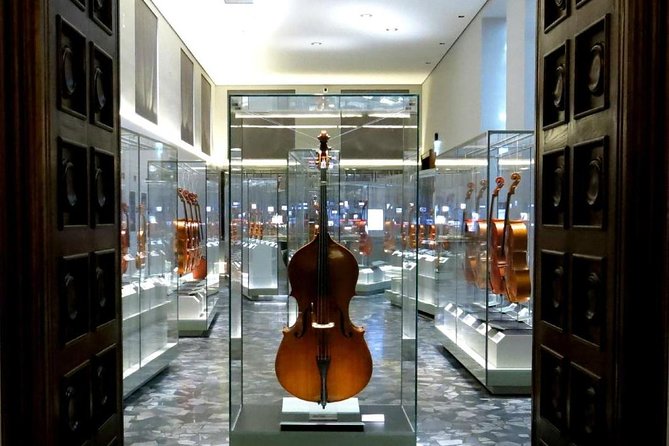
Reviewed · MUSEUMS
Museum entrance ticket – Full
A violin museum ticket is a great choice when you want culture with real objects. This one gets you into Cremona’s Museo del Violino with skip-the-line access and an English audio guide that explains what you’re seeing. If you like craftsmanship, this is the kind of visit that makes the details click.
I especially like the focus on how violins were built: the audio guide walks through the origin and history of violin-making and highlights the techniques Stradivari used. I also love that the museum shows a rare opportunity to glimpse original Stradivarius violins up close, so it feels more than just a history lesson.
One thing to consider: this is a timed visit with a firm finish line. The last entry is 45 minutes before closing, so if you wander slowly, plan to get there early.
In This Review
- Key highlights you’ll actually care about
- Skip-the-line entry at Museo del Violino (and why it matters)
- What the English audio guide helps you understand
- Original Stradivarius violins: what to look for
- Timing your visit: plan around the last-entry rule
- How long should you spend there?
- Where the museum fits in your trip from Parma area
- Price and value: is $21.72 worth it?
- What the experience feels like on the ground
- Small practical notes that can save you time
- Who should book this violin museum ticket?
- Should you book this Museo del Violino ticket?
- FAQ
- FAQ
- What does the full entrance ticket include?
- Is there an audio guide included, and is it available in English?
- How long should I plan to spend at the museum?
- Is this a skip-the-line ticket?
- What are the opening hours?
- When is the last time I can enter?
- Is food included with the ticket?
- Will I receive confirmation after booking?
- What is the cancellation policy?
Key highlights you’ll actually care about
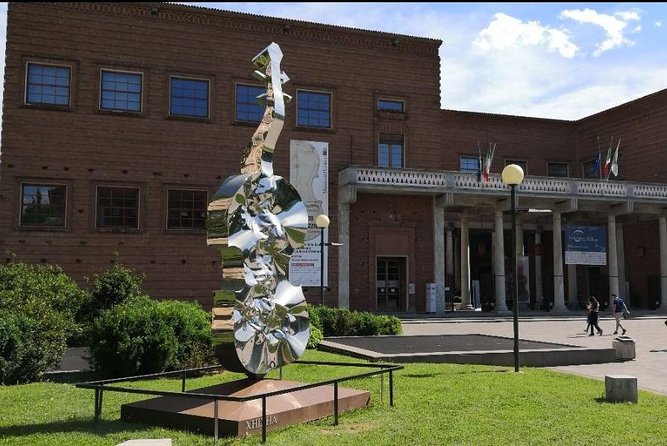
- Skip-the-line entry to Museo del Violino, so you lose less time waiting
- English audio guide that explains violin-making origins and history
- Original Stradivarius violins on view for the real wow factor
- Clear explanation of Stradivari’s building techniques, not just dates
- A visit length that fits real travel days: 1 to 3 hours
Skip-the-line entry at Museo del Violino (and why it matters)
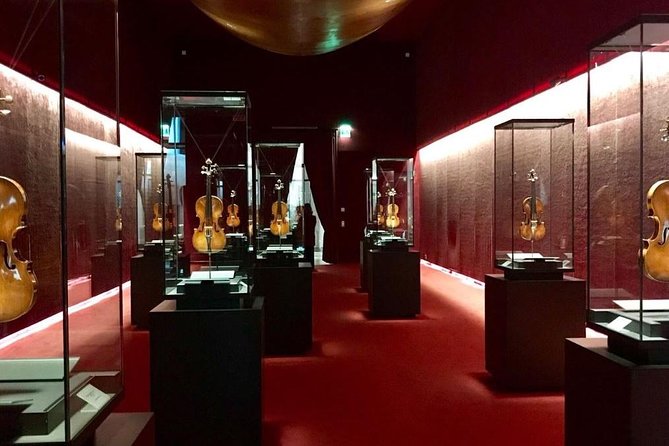
The first thing I’d aim for is simple: don’t burn time in line. This ticket is set up as a skip-the-line museum entrance, which is a big deal at a place like a violin museum where people often arrive eager and in batches.
You’re not just buying admission. You’re buying back your time. With a typical museum visit running 1 to 3 hours, that saved waiting time can be the difference between a calm, satisfying visit and a rushed one where you only half-read the labels.
Also, the museum hours are limited to a Tuesday-to-Friday window, 11:00 AM to 5:00 PM (for both 2025 and 2026). That narrow schedule makes it even smarter to show up ready and use your ticket efficiently, not after you’ve already lost half your afternoon.
Still deciding how to spend your time in Bologna? Here are more tours and Emilia food days worth a look.


What the English audio guide helps you understand
A violin museum is one of those places where the labels can help, but the audio guide changes the experience. Here, the audio guide is built to explain the origin and history of violin-making, and it connects those stories to what you’re looking at in the rooms.
That matters because violin craftsmanship isn’t “magic,” it’s choices. Tone comes from materials, thicknesses, arch shapes, and how the maker solved problems. When the guide ties the story of violin-making to the instruments themselves, you start noticing patterns that you’d otherwise miss.
It also helps if you’re not a music-history specialist. You don’t need background knowledge to follow along. You just need the guide to translate what you see into the logic behind it: why certain design choices were made, and how the tradition developed over time.
Original Stradivarius violins: what to look for
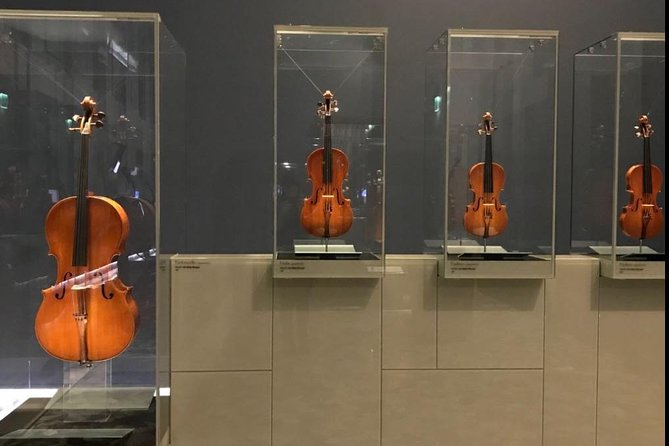
The headline attraction is the chance to glimpse original Stradivarius violins. That’s a big promise, but it can still feel abstract if you rush through or if you’re only focused on the names.
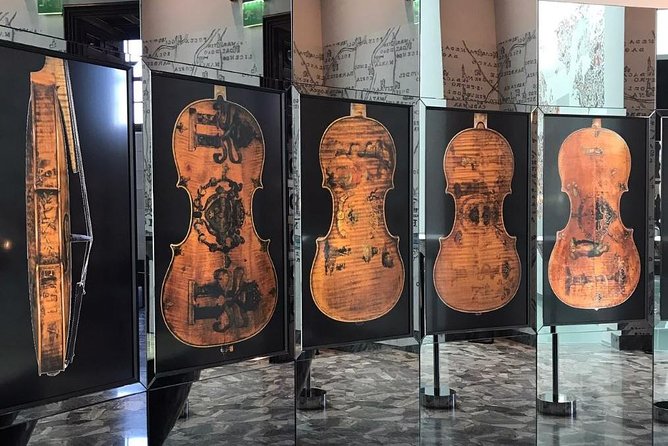
Instead, I’d use the audio guide as your slow-down tool. Let it lead you from “what” to “why.” Pay attention to how the museum presents the instruments so you can view them from different angles. Old string instruments aren’t like paintings where everything hits at one glance. The build is three-dimensional, and the details are part of the story.
And the best part is that the emphasis isn’t only on that famous brand name. You get guidance on the techniques Stradivari used to build instruments meant to perform flawlessly. That focus is exactly what makes the experience feel practical rather than just reverent.
If you want a simple strategy: don’t try to memorize everything. Instead, pick a couple of themes the audio guide highlights—construction choices, design logic, or historical context—and follow those ideas room by room. That’s how the museum stops being a list of priceless objects and starts feeling like a real craft process.
Timing your visit: plan around the last-entry rule
This is one museum visit where timing really affects enjoyment. You have 1 to 3 hours to explore, but there’s also a last entry cutoff: 45 minutes before the museum closing.
So how do you use that? Arrive with enough buffer that you can take your time with the early rooms, not sprint to the end. If the museum closes at 5:00 PM, think of 4:15 PM as your real internal deadline for getting into the route the museum uses.
Because you’re working on a tight weekday schedule (Tue–Fri only), I’d also treat this like a “do it when it’s open” appointment. If your plan is built around an ideal day, you might end up forcing the museum into a bad timing slot. Better to build your day around it.
How long should you spend there?
The ticket experience is typically about 1 to 3 hours, which gives you flexibility depending on your style.
- If you like quick wins: aim closer to 1 hour, but still give yourself time to hear the guide’s main points before you leave.
- If you like detail: plan closer to 2 to 3 hours, especially if you want to look from multiple angles and let the story connect the instruments to the maker’s approach.
I like a middle plan—around 2 hours—because it’s enough time to watch your curiosity grow. Start fast, then slow down once you find the instruments and explanations that click for you.
More museums and collections to step into.



Where the museum fits in your trip from Parma area
The ticket is listed with Parma, Italy as the location, but the museum experience itself is for Cremona’s Museo del Violino. Either way, your practical takeaway is the same: this is an easy add-on for an arts-focused day, as long as you respect the opening hours.
It also helps that the museum is noted as being near public transportation. That matters because it lowers friction. You can build your day with less stress about parking or last-minute taxi decisions.
And because most people can participate, you don’t need to overthink it unless you have very specific mobility needs. Still, if you’re sensitive to museum walking distances or stairs, check your route in advance since the museum layout is inside a historic setting.
Price and value: is $21.72 worth it?
The full entrance ticket is $21.72 per person. On paper, that can look like “just a museum ticket.” In practice, you’re paying for three things:
- Skip-the-line entry
That’s real time saved, especially when you’re visiting on a weekday schedule and you only have a narrow window.
- An English audio guide tied to what you’re seeing
This isn’t random background noise. The guide is aimed at the origin and history of violin-making, and it connects directly to the instruments.
- Rare access to original Stradivarius instruments
That is the big emotional anchor of the visit. When the museum lets you see original instruments, you get the kind of experience that stays with you.
Is it the cheapest ticket in Italy? No. But it’s also not trying to be. This is a focused, object-driven museum experience with an international draw, so the price makes more sense when you treat it as a specialty stop rather than a casual browse.
If you do the visit properly—audio guide on, looking at the instruments instead of just passing through—this ticket feels like solid value.
What the experience feels like on the ground
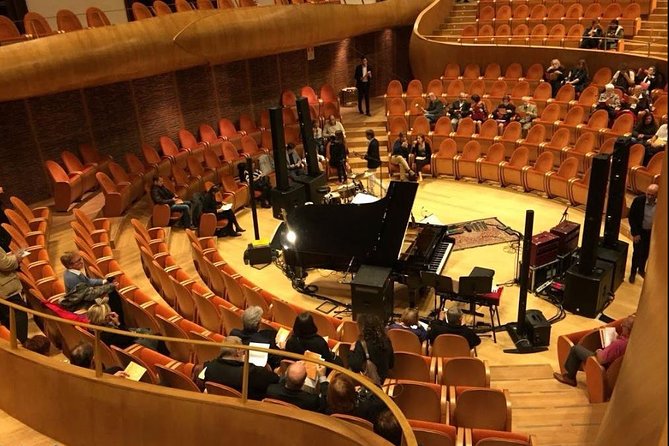
This museum is the kind of place where your brain shifts from “I’m touring” to “I’m studying.” The audio guide keeps you oriented, and the displays encourage close viewing rather than quick photos-and-move-on behavior.
Some visitors even describe it as a long-time dream made real, and you can see why. When you finally get eye contact with instruments that are tied to the most famous names in violin history, the visit stops being theoretical.
The tone matters too. One guide named Clara is highlighted as particularly helpful, with clear, generous explanations. Even if your experience differs person to person, that kind of attention is usually a sign the museum staff is invested in making the subject understandable.
The museum also gets praise for being interactive and for letting you view instruments from multiple angles. That’s not just comfort—it’s learning. You can’t understand violin design from a single viewpoint.
Small practical notes that can save you time
A few details are worth keeping in mind so you don’t waste energy:
- You’ll want to bring water or plan a snack nearby because food and beverages aren’t included.
- The ticket is described as a paper ticket, and some people have had issues when they didn’t print things soon enough. If you’re given any voucher, I’d treat printing as part of your prep, not something to solve at the last minute.
- Confirmation happens at booking, but you still need to be ready for that paper format at entry. Make sure you have it with you.
Also, if you’ve got any special entry requirements based on current rules—like an access pass—don’t assume. One past visit was refused due to missing a required pass, so bring whatever you’re asked to show on the day.
Who should book this violin museum ticket?
Book it if you:
- Love craftsmanship, music history, or art that’s built by hand
- Want a focused visit with a clear theme
- Prefer experiences where the guide explains the objects, not just the building
Think twice if you:
- Only want a quick stop and don’t plan to use the audio guide
- Get frustrated by timed entry rules and last-entry cutoffs
- Need a lot of food-and-break time built into the visit (since refreshments aren’t included)
This ticket suits people who like to slow down and look carefully. If that’s you, you’ll likely leave satisfied rather than just “having seen something famous.”
Should you book this Museo del Violino ticket?
Yes, if you care about the real objects and you want the story explained in English. The skip-the-line setup, the audio guide content, and the chance to glimpse original Stradivarius violins make it a strong specialty stop for a trip built around culture and details.
If your schedule is tight, just do your planning math early. Respect the Tuesday-to-Friday hours, show up with enough buffer for the 45-minute-before-closing last-entry rule, and you’ll get a visit that feels complete rather than rushed.
FAQ
FAQ
What does the full entrance ticket include?
It includes admission to the museum (the Museo del Violino entrance ticket).
Is there an audio guide included, and is it available in English?
The experience features an audio guide that explains the origin and history of violin-making, and it is offered in English.
How long should I plan to spend at the museum?
Plan on about 1 to 3 hours.
Is this a skip-the-line ticket?
Yes, it’s described as a skip-the-line ticket to Cremona’s Violin Museum.
What are the opening hours?
For both 2025 and 2026, Tuesday through Friday are 11:00 AM to 5:00 PM.
When is the last time I can enter?
The last entry time is 45 minutes before the museum closing.
Is food included with the ticket?
No. Food and beverages are not included.
Will I receive confirmation after booking?
Yes. Confirmation will be received at the time of booking.
What is the cancellation policy?
This experience is non-refundable and cannot be changed for any reason.
More Bologna Museums
More Tour Reviews in Parma



After something different? More ways to fill a day in Bologna and across Emilia-Romagna










Museums, compared.
 ★ 4.6Ferrari Museum Entrance TicketFrom $321,505 reviews
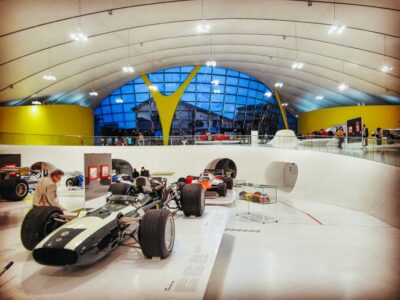 ★ 4.7Maranello and Modena: Ferrari Museums Combo TicketsFrom $50994 reviews
 ★ 4.4Ferrari Museum and Fiorano Track Combo Eco TourFrom $60515 reviews
 ★ 4.5Enzo Ferrari Museum Entrance TicketFrom $32422 reviews
 ★ 4.5Ferrari Museum Entry Ticket and SimulatorFrom $75261 reviews
 ★ 5.0Ferrari Lamborghini Pagani Factories and Museums – Tour from BolognaFrom $556171 reviews
 ★ 5.0Skip the Line: Pavarotti Museum – Official Ticket + AudioguideFrom $14115 reviews
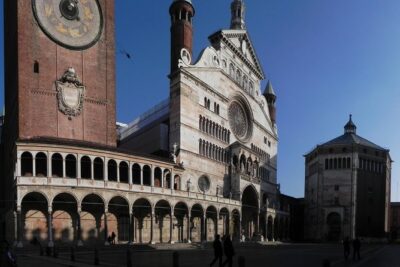 ★ 4.5Entrance Torrazzo + Baptistery + Diocesan MuseumFrom $1582 reviews