
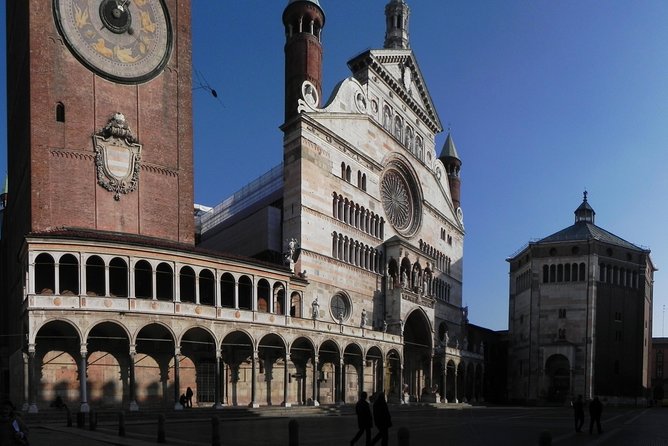
Reviewed · PORTICOES, TOWERS & SAN LUCA
Entrance Torrazzo + Baptistery + Diocesan Museum
Cremona rewards you for climbing, and this visit turns that idea into a neat package. You’ll tackle the Torrazzo climb to 122.22 m, then step inside the Baptistery for a museum stop tied to the Cathedral’s Romanesque sculptures. It’s a short tour with a big payoff for anyone who likes views and hands-on themes.
I especially like two parts: the Vertical Museum rooms along the way, where you’ll see the theme of measuring time as you ascend, and the big view from the top that helps Cremona finally make sense. The climb also breaks up nicely, instead of being a straight shot upward.
One consideration: the experience is listed for moderate physical fitness, and the second stop is brief, so if you’re mainly chasing long museum wandering, you might feel a bit rushed at the Baptistery.
In This Review
- Key highlights before you go
- The Torrazzo climb: 122.22 m and why it feels worth it
- Vertical Museum rooms: time-measuring themes you can actually notice
- Reaching the top: what you’ll get from the view
- Baptistery stop and the Museo delle Pietre Romaniche: medieval stone, short and sweet
- How the full experience flows: 1.5 hours + 30 minutes
- Price and value: $15.69 for two major sites
- Where it starts (and why the meeting point helps)
- Physical fitness and what moderate means in real life
- Weather matters more than you think
- Should you book Entrance Torrazzo + Baptistery + the Romanesque stone stop?
- FAQ
- How long does the Torrazzo + Baptistery entrance experience take?
- What does the ticket include?
- Where do I meet for the tour?
- Where does the experience end?
- Do I need good weather?
- Is this tour suitable for people with limited mobility?
- Is a paper ticket required?
- How big is the group?
- What is the cancellation policy?
Key highlights before you go
- 122.22 m tower climb to the top of Cremona’s famous medieval masonry structure
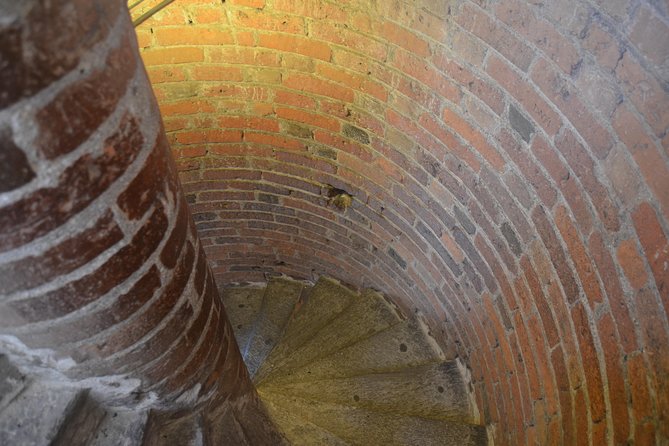
- Vertical Museum with 4 rooms focused on how time is measured
- Top views that snap Cremona into focus when you look back over town
- Museo delle Pietre Romaniche inside the Baptistery, tied to the Cathedral’s medieval sculptures
- Tight timing with about 1.5 hours for the tower and about 30 minutes for the museum stop
The Torrazzo climb: 122.22 m and why it feels worth it
The star here is the Vertical Museum of the Torrazzo of Cremona, built around one simple thrill: go up to the top of a very tall medieval tower and take in the view. The tower measures 122.22 m, and it’s described as the highest masonry medieval tower in Europe. That matters because you’re not just doing another “look at a bell tower” moment. You’re getting a major elevation and a clear sense of scale—Cremona looks different when you’re high above it.
Timing is part of the value too. Your tower segment is about 1 hour 30 minutes, so you get time to move at a comfortable pace, read what you can, and still end up with the best reward: the panorama. I like tours like this because the structure matches how people actually experience places. You climb, you learn, then you look around.
One more detail that makes the climb more enjoyable: it isn’t one long effort with nothing to do. You’re offered stops inside dedicated museum rooms while you ascend. That breaks up the physical work with mental stimulation, so the time doesn’t drag.
Still deciding how to spend your time in Bologna? Here are more tours and Emilia food days worth a look.
Vertical Museum rooms: time-measuring themes you can actually notice
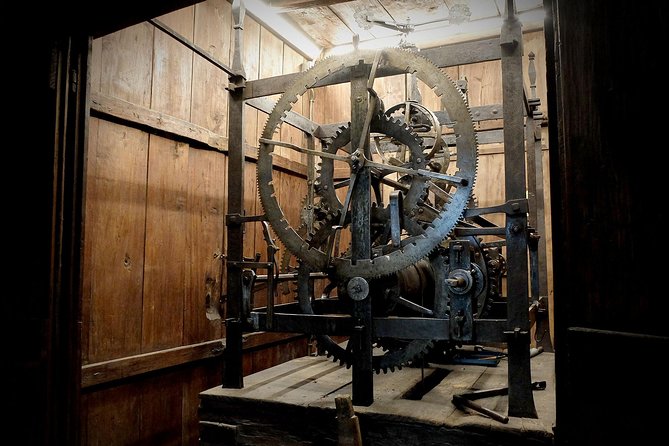
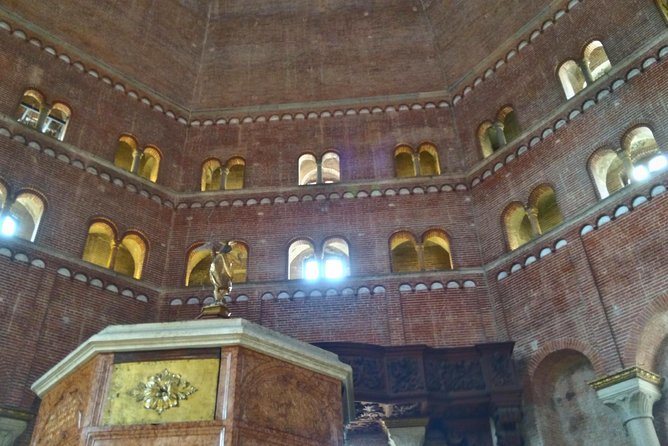
The Vertical Museum is built into the ascent, and you’ll have opportunities to stop inside four new rooms. The focus is the measurement of time, studied in depth. Even if you’re not a science-history person, the idea works well because it turns “museum watching” into “climb-and-observe.”
Here’s how I’d think about it as a traveler: this isn’t a random collection of objects stacked in a tower. The theme is connected to the act of going upward. While you climb, you can pay attention to how time is represented—through displays and ideas about measurement—so the whole experience feels like one story, not separate tasks.
Also, this is the part many people seem to remember most. One note that shows up in feedback is that the time theme includes something visitors call out as the watch. Even if you don’t know what you’ll see specifically, set aside the mental bandwidth to look closely at the time-related exhibits. When a tour includes a theme like this, the “extra minutes” spent reading and watching tend to pay off later when you’re standing at the top.
Reaching the top: what you’ll get from the view
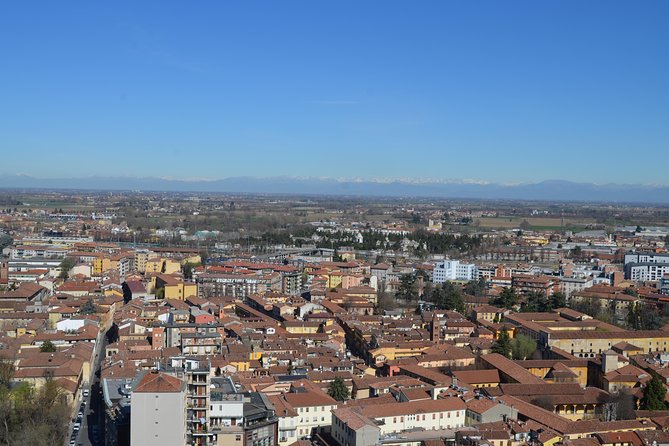
Once you reach the top, the tour promises a magnificent view over the city and surrounding area. In practice, the payoff is how quickly a view gives you orientation. From high up, you start placing landmarks, streets, and the general flow of the town in your mind. Even if you only stay there a short while, you’ll leave with better context for whatever you do next in Cremona.
I also like that the view is the final step of the tower block. The museum stops get you engaged, and then the panorama becomes the reward. That order helps you remember the climb as more than just effort.
If the weather is good, you’ll likely get the best results. The tour is noted as requiring good weather, which is a polite way of saying: clouds and rain can ruin the experience, especially at the top.
Baptistery stop and the Museo delle Pietre Romaniche: medieval stone, short and sweet
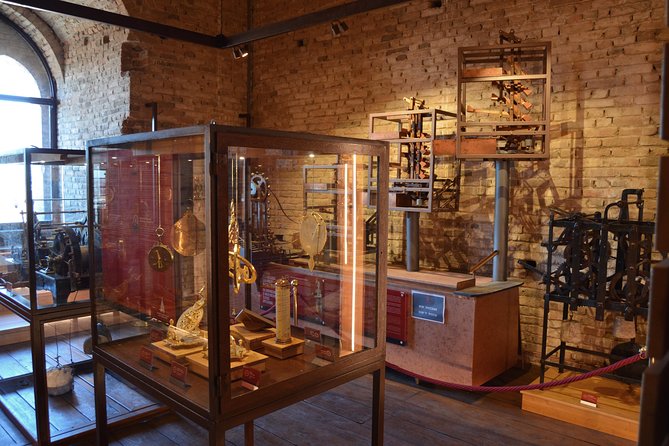
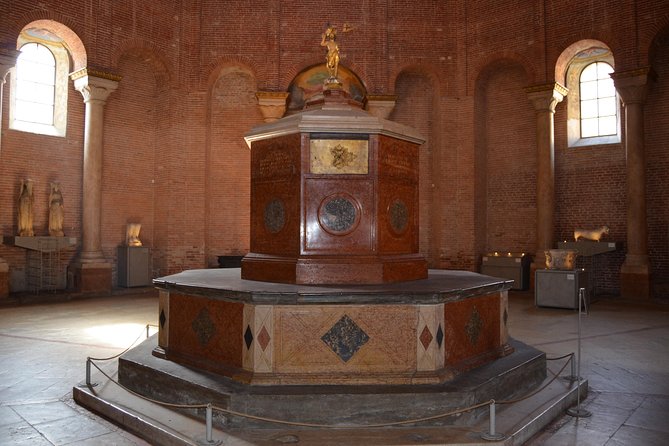
After the tower, you switch gears at the Baptistery: Cremona Baptistery and the Museum of Romanesque Stones of the Cathedral. Inside is the Museo delle Pietre Romaniche of the Cathedral, where some magnificent medieval sculptures are kept. This is a different kind of experience from the tower. Instead of climbing toward a view, you’re settling in for a compact museum visit focused on sculpture and stone.
The allocated time is about 30 minutes, so treat it as a targeted stop. You won’t be doing hours of wandering. Your job is to enjoy what’s there without rushing your attention.
I’d also manage expectations based on the stop length. Some people find the tower far more compelling than the Baptistery museum portion, especially if you’re hoping for lots of works to study carefully. That doesn’t mean the stop is bad. It just means you should go in with the right mindset: come for the Romanesque sculptures, appreciate the medieval setting, then move on satisfied rather than hunting for a long museum session.
How the full experience flows: 1.5 hours + 30 minutes
The tour is built around two main segments: the tower climb with museum rooms (about 1 hour 30 minutes) and then the Baptistery museum stop (about 30 minutes). That adds up to roughly 1 to 2 hours in total, depending on pace and how much time you take at each section.
I like how this schedule avoids the common problem of long half-day “priority ticket” tours that still end up feeling slow. Here, you get a major vertical experience and a compact culture stop. If you’re visiting Cremona on a tight schedule, that’s a strong format.
Group size can also affect the flow. The maximum is 250 travelers, which means the start of the climb could feel busy at peak times. Still, because the experience is time-shaped (climb, rooms, top; then museum stop), you’re not stuck in a single long waiting line for the whole duration.
More museums and collections to step into.

Price and value: $15.69 for two major sites
The price is $15.69 per person for the combined entrance experience. On its face, it’s affordable for what you’re getting: access tied to the Torrazzo climb plus the Baptistery’s Romanesque stone museum. You’re paying for an experience that includes not just entry, but also an organized way to experience the tower through the Vertical Museum rooms.
Value usually comes down to one question: does the ticket match what you personally want? If you like views and prefer learning that travels with you (rather than learning only after you arrive somewhere), you’ll likely feel good about the cost. If your main interest is a long, art-heavy museum session, you might find the 30-minute Baptistery stop a little short.
The other value factor is timing. This experience is listed as booked, on average, 8 days in advance. That’s a hint to plan ahead rather than treating it like a last-minute option. It doesn’t guarantee sell-outs, but popular ticketed climbs often reward early decisions.
Where it starts (and why the meeting point helps)
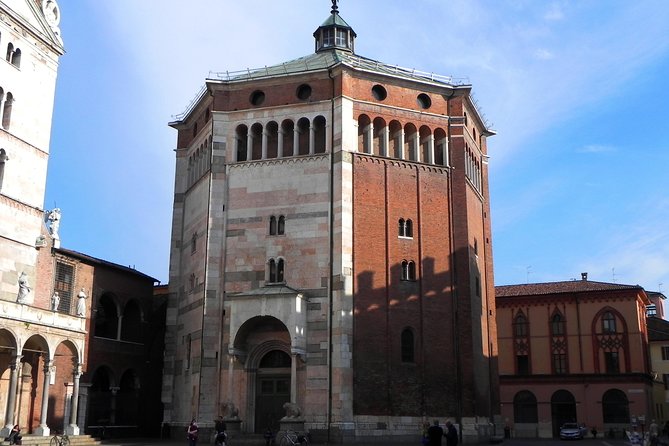
You meet at Cattedrale di Santa Maria Assunta, Piazza del Comune, 26100 Cremona CR, Italy. The tour ends back at the meeting point, so you’re not left solving transportation puzzles at the end.
The location is near public transportation, which matters because Cremona is best visited when you’re moving on foot and by tram/bus connections rather than needing a car for every stop. Starting at the Cathedral square also makes it easier to orient yourself before the climb.
One practical tip: because the tour uses a paper ticket, plan to have your ticket ready when you arrive at the meeting point. If you’re the kind of person who keeps everything on your phone, you’ll want to rethink that here. Bring the paper ticket so check-in is quick.
Physical fitness and what moderate means in real life
This is labeled for moderate physical fitness level. The key reason is straightforward: you’ll be climbing a tall medieval tower. You should feel comfortable with stairs and moving through a vertical structure.
I’d treat “moderate” as permission to come, not a warning not to. It means you don’t need to be a marathon hero, but you shouldn’t schedule this if you’re dealing with major mobility issues or if you know you struggle with stair-heavy indoor spaces.
Also keep in mind the timing. The tower portion is about 1.5 hours, and the museum rooms are placed during the ascent, so you’re mixing movement with short pauses.
Weather matters more than you think
The experience requires good weather. That matters because the highlight is at height, and rain or low visibility can shrink the value of the top view. If conditions are poor, the operator states the tour can be canceled and you’ll be offered a different date or a full refund.
I’d check the forecast the day before, and again on the morning you go. If you’re traveling through Italy and your plans are flexible, this is one ticket type where having a backup day can genuinely help.
Should you book Entrance Torrazzo + Baptistery + the Romanesque stone stop?
If you want a compact day in Cremona that mixes a serious tower climb with a focused museum stop, I think this is a good booking. The biggest reason is the structure: 1.5 hours for the Torrazzo experience with four museum rooms, then a short 30-minute Baptistery visit. That makes it easy to fit into sightseeing plans without turning your schedule into a marathon.
You should especially consider booking if:
- You love views and don’t mind a vertical challenge
- You enjoy theme-based museum stops, like the measurement of time concept in the Vertical Museum rooms
- You want an affordable ticket that covers two important sights in one visit
Skip or reconsider if:
- You’re mainly after a long, art-heavy museum experience at the Baptistery
- You’re likely to struggle with climbing and stairs
- Weather is uncertain and you don’t have room to shift your day
FAQ
How long does the Torrazzo + Baptistery entrance experience take?
The duration is listed as about 1 to 2 hours, with the Torrazzo climb taking about 1 hour 30 minutes and the Baptistery stop taking about 30 minutes.
What does the ticket include?
Your ticket includes admission to the Vertical Museum of the Torrazzo of Cremona and admission to the Baptistery’s Romanesque stones museum (Museo delle Pietre Romaniche).
Where do I meet for the tour?
The meeting point is Cattedrale di Santa Maria Assunta, Piazza del Comune, 26100 Cremona CR, Italy.
Where does the experience end?
This activity ends back at the meeting point.
Do I need good weather?
Yes. The experience requires good weather. If it’s canceled due to poor weather, you’ll be offered a different date or a full refund.
Is this tour suitable for people with limited mobility?
It’s listed for travelers with a moderate physical fitness level, which you should read as meaning you’ll be climbing a tall tower and moving around during the ascent.
Is a paper ticket required?
Yes. The experience uses a paper ticket.
How big is the group?
The maximum group size is 250 travelers.
What is the cancellation policy?
This experience is non-refundable and cannot be changed for any reason.
More Bologna Museums
More Tour Reviews in Parma


After something different? More ways to fill a day in Bologna and across Emilia-Romagna









Porticoes, Towers & San Luca, compared.
 ★ 4.4Estense Castle Guided TourFrom $15101 reviews
 ★ 3.3Audio-Guided Archiginnasio Visit with Food TastingFrom $2479 reviews
 ★ 3.5San Luca Experience Tour skip the line and Food TastingFrom $3470 reviews
 ★ 4.4Clock Tower Audio Guide and Food TastingFrom $3058 reviews
 ★ 4.5Tower and Power, Virtual tour in Medieval BolognaFrom $2154 reviews
 ★ 4.5Porticoes of Bologna and Basilica San Luca Guided tourFrom $15625 reviews
 ★ 4.6Private Bologna City & Europe Oldest University Guided TourFrom $14719 reviews
 ★ 5.0the red medieval pearl and its delicious food (private tour)From $30819 reviews
Browse the lists this tour appears in