Reviewed · BOLOGNA
The Secret of Stradivari in Cremona: visit the Violinmaker School
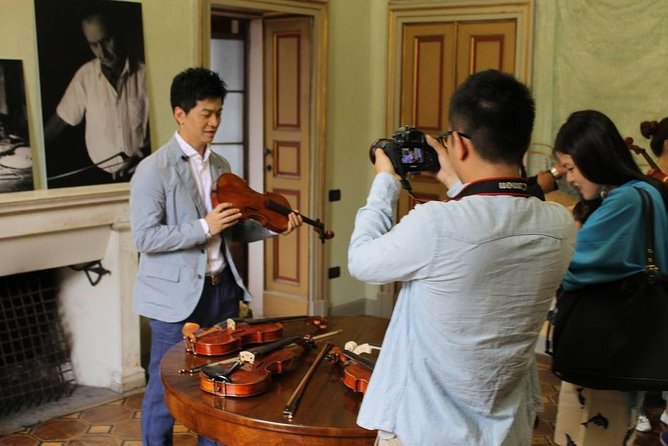
Violin making feels magical close up. In Cremona, I love how this behind-the-scenes visit shows the real work behind Stradivari-style instruments, not just the finished products. You’ll hear how a violin and bow take shape, including the woods, varnishes, and the why behind the craft, with guides like Nicolas or Pietro bringing it down to earth. One possible drawback: the experience is short (about 50 minutes to 1 hour), so if you want hours of hands-on building, you may leave wanting more.
What makes it work for me is the mix of story and physical details. You can touch and smell the wood, even taking small wood chips, then move upstairs to a classroom where students are working and the air smells like freshly cut material. The session stays focused on craft—materials, methods, and how Cremona became synonymous with string instruments.
If you’re into classical music, string players (or future luthiers), or you simply like watching skilled people at work, this is a great use of time. If violins don’t grab you at all, you might find the topic more technical than entertaining.
In This Review
- Key moments to look for
- Step inside Academia Cremonensis, not a museum stop
- What you actually learn: Stradivari talk with practical material details
- The wood section: touch, smell, and take home a tiny piece
- Upstairs in the school: students, tools, and the smell of the work
- Meet the guide: from friendly directors to tailored answers
- How this pairs with Cremona’s Violin Museum
- Time, group size, and English: 50 minutes to 1 hour that stays focused
- Price and value: $155.65 per group, not per person who loves violins
- What to consider before you book
- Who this experience is best for
- Should you book Academia Cremonensis? My decision guide
- FAQ
- Where is the meeting point for the Violinmaker School visit?
- How long is the visit to Academia Cremonensis?
- Is the tour offered in English?
- Is this a private experience?
- What’s included in the price?
- What can I do during the tour with the materials?
- How far in advance should I book?
- What is the cancellation policy?
Key moments to look for
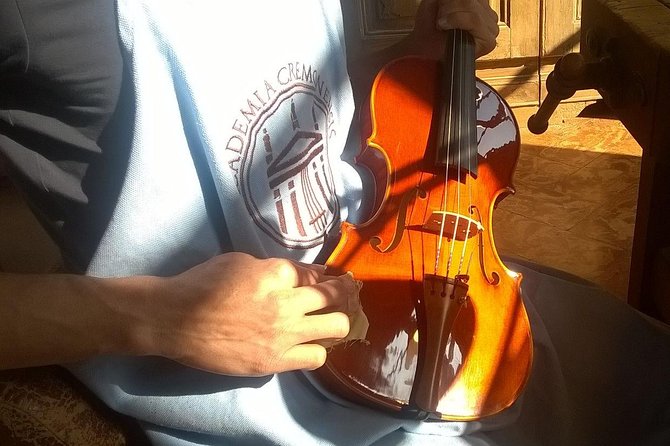
- Touch the raw wood: smell it, handle it, and take small wood chips to really connect with the materials
- Learn how violins and bows are made: woods used, varnish approach, and what matters to the final sound
- See students working: upstairs classroom time gives you a real sense of training, tools, and pace
- Ask questions directly: guides like Nicolas and Pietro make space for the kind of curiosity you bring
- Understand why Cremona matters: craft history tied to the town, not treated like a random fact list
Step inside Academia Cremonensis, not a museum stop
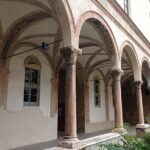
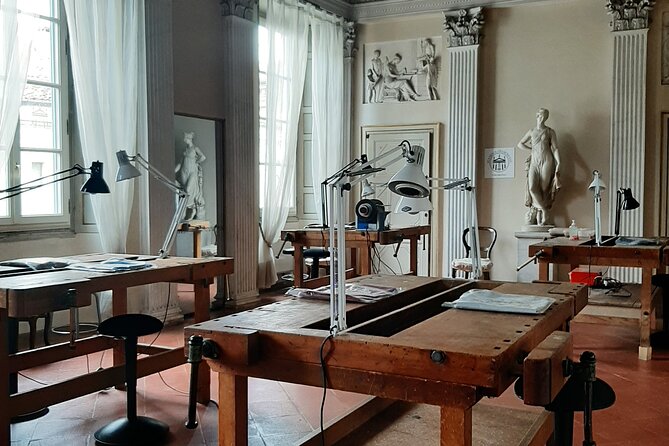
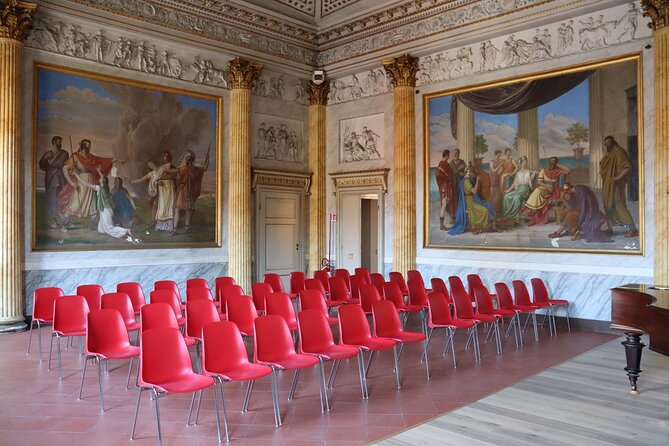
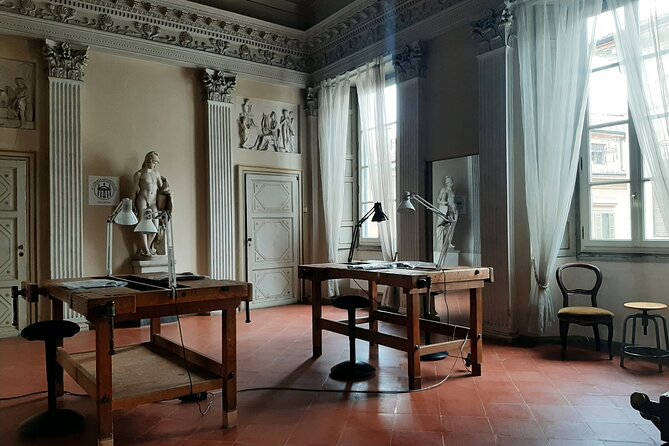
This visit happens at Academia Cremonensis Violin Making School, with the meeting point at Via Giovanni Maria Platina, 66, 26100 Cremona. You’re not walking through a gift-shop style exhibit. You’re stepping into a real training space inside a historical palace, and that matters more than you’d think.
The setting keeps you from treating the visit like a quick photo stop. The rooms have that old-building feel, and once you’re inside, you’re surrounded by craft details—tools, materials, and people actively working. That’s the difference between learning about violin making in theory and understanding it as a trade.
It also helps that the tour is private for your group (up to 6 people). That size keeps the guide responsive. I like when I can ask follow-up questions without feeling rushed or competing with a crowd.
Still deciding how to spend your time in Bologna? Here are more tours and Emilia food days worth a look.

What you actually learn: Stradivari talk with practical material details
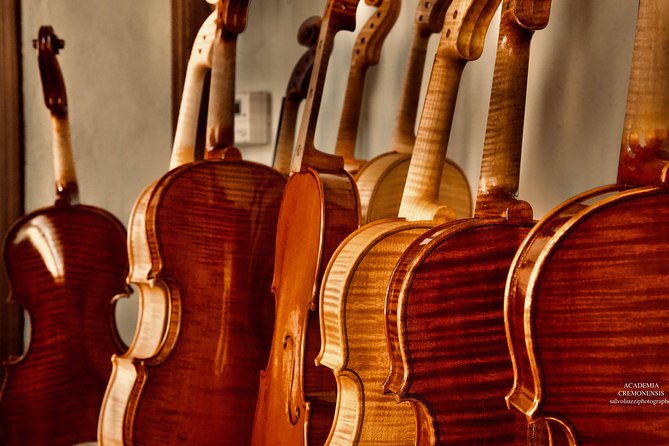
The core of the visit is an explanation of how a violin and a bow are made, plus the choices that drive quality. You start with the big picture: how the instrument is built, and why certain materials and steps matter. Then the guide narrows in on specifics—woods used, varnishes, and the practical realities of instrument making.
A fun and surprisingly useful part is how the guide connects the craft to Stradivari. You don’t just hear the name dropped. You learn what people mean when they say Stradivari style, and how the process and materials relate to the end result. One of the most memorable themes is that you’ll come away with a better appreciation for how long this takes and why the final price isn’t random.
You’ll also get direct talk about prices of violins. That kind of context helps if you’ve ever seen a number on a label and wondered what you’re actually paying for. The guide frames it as craft time, specialized knowledge, and materials, not just marketing.
And yes, at least one guide (Pietro) also brings in the physics of sound production. Even if you’re not a technical person, you’ll leave thinking differently about what you’re hearing when a violin plays.
The wood section: touch, smell, and take home a tiny piece
If you’re the type who learns by doing, you’ll enjoy the part where you can touch and smell the wood. It’s not a vague “here’s what it is” moment. It’s hands-on material awareness.
You can also take some small wood chips. That might sound like a gimmick, but it helps anchor everything you learn afterward. When you’ve literally handled the raw substance, the talk about wood choice and preparation lands harder.
Also, you’ll notice the sensory side during the tour. Upstairs, in the classroom area, there’s that smell of cut wood and the working environment is very real. I found that the sensory details keep the information from staying abstract.
Upstairs in the school: students, tools, and the smell of the work
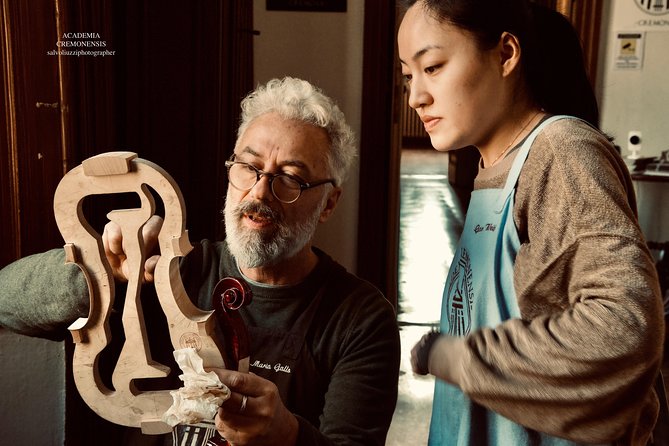
After the initial explanation, the visit goes upstairs into the school classroom. This is where the tour shifts from lecture to observation.
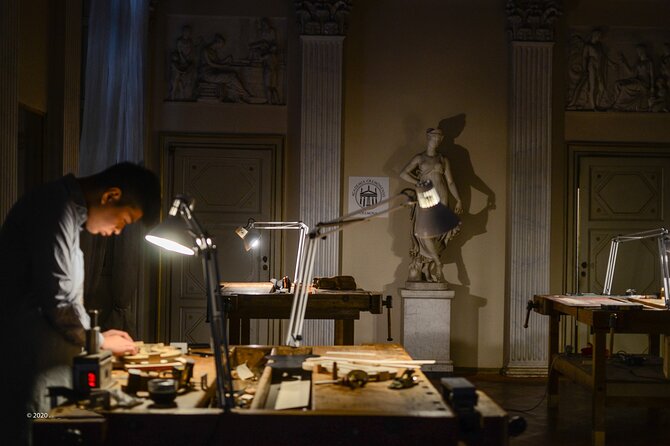
You’ll see students at work, using tools tied to their current stage of training. The guide points things out as you go, and the environment makes it easier to understand that violin making is a long process with many steps—not one “magic carving” moment.
A detail I appreciated from people who’ve done this before: the experience can feel like a real learn-by-doing workshop rather than a staged performance. Even when students aren’t actively demonstrating to you, the fact that they’re there and working changes the energy of the visit.
If you’re visiting with kids or someone who thinks they might get bored, this is often the part that keeps attention. Tools, wood, and craftspeople working on real items are easier to watch than purely theoretical explanations.
Meet the guide: from friendly directors to tailored answers
The guiding is a big reason this tour scores so well. You may meet the director of the school, or you may be guided by someone who works closely with the students. People have mentioned guides by name, including Nicolas and Pietro, and in at least a few cases they’ve been able to tailor the visit to what you care about.
That tailoring is where you can get extra value. If you’re an amateur musician, you can ask questions about the instrument’s behavior and how it comes together. If you’re more craft-minded, you can steer toward materials, making steps, and how each stage affects the final instrument.
The best part is that the guide time doesn’t feel like a script. You’re given opportunities to ask questions while you move through the rooms.



How this pairs with Cremona’s Violin Museum
Cremona has a lot going on for string-instrument fans, and this visit fits nicely with the nearby Violin Museum. The key is that the museum tends to show you instruments as finished objects—modern and antique, with the history in place.
This school visit does the opposite. It helps you connect the dots between finished violins and the long work behind them. You’ll likely look at the museum displays differently afterward, because you’ll have a fresh mental picture of the tools, materials, and steps that create them.
If you like a simple plan, I’d pair this school visit earlier in your day with the museum later. That order tends to make the craft feel less mysterious and the history more meaningful.
Time, group size, and English: 50 minutes to 1 hour that stays focused
The tour runs about 50 minutes to 1 hour. That’s a sweet spot for many people. It’s long enough to cover the process, wood choices, and the upstairs classroom. It’s also short enough that you won’t feel like your whole day disappears into one activity.
You should also plan for a small group—private for your group of up to 6. Since it’s offered in English, you can ask questions without guessing what you’re missing. Some guides may be multilingual, but English is specifically listed as an available language.
One practical note: bring your curiosity. The tour is most satisfying if you arrive ready to ask about woods, varnish, bows, and what makes a violin worth the money. If you mostly want passive viewing, the experience may feel more technical than you expected.
Price and value: $155.65 per group, not per person who loves violins
The price is listed as $155.65 per group (up to 6), with a duration around 50 minutes to 1 hour. That group pricing is a key value point. If you’re traveling with a friend—or you’re in a small family group—this can work out far better than per-person ticket pricing for similar private activities.
It also includes a professional guide plus taxes and handling charges. Souvenirs like a t-shirt or an apron are not included, so you can treat that as optional rather than mandatory. In other words, the “baseline” you pay covers the experience itself.
Where the value really shows is the format: private, behind-the-scenes, and designed around real training work. You’re not just hearing about instruments from a brochure. You’re seeing the school environment and learning how violins and bows are made with hands-on wood time.
What to consider before you book
Before you book, ask yourself one question: do you like craft details? This is not a generic music history walk. You’ll spend time on materials, varnishes, tools, and how instruments are made.
You also should consider the short duration. If you’re a serious maker and you want a long, step-by-step workshop, this visit may feel like an intro rather than a full course. But if you want a real window into the world of luthiers in a manageable chunk of time, it’s a strong choice.
Finally, check your expectations around the “hands-on” part. You can touch and smell wood and take small wood chips. That’s the hands-on focus that’s built into this visit. It’s not presented as a chance to build or carve your own violin parts.
Who this experience is best for
This is a great fit if you’re:
- a violinist, cellist, or string player (even if it’s not your main instrument)
- into classical music and how instruments shape sound
- curious about craftsmanship and materials
- traveling with someone who likes a working studio feel
It can also work well for families, including kids around elementary-school age. One guide-style highlight from past visitors is how the tour can be engaging for children when the format stays hands-on and visual.
If you’re the type who prefers big art galleries and grand historical scenes, you might still enjoy it—but you’ll need to lean into the craft angle.
Should you book Academia Cremonensis? My decision guide
Book it if you want a real, local craft experience in Cremona where you can touch the materials and see students working. The private group size and English availability make it easy to get answers to your questions, and the wood portion is a simple but effective way to turn learning into memory.
Skip it if you want an all-day activity, a deep workshop, or a purely museum-style experience. This is short, focused, and materials-heavy by design.
FAQ
Where is the meeting point for the Violinmaker School visit?
The meeting point is at Via Giovanni Maria Platina, 66, 26100 Cremona CR, Italy, and the activity ends back at the same meeting point.
How long is the visit to Academia Cremonensis?
Plan for about 50 minutes to 1 hour.
Is the tour offered in English?
Yes. The tour is offered in English.
Is this a private experience?
Yes. It’s listed as a private tour/activity, with only your group participating (up to 6 people).
What’s included in the price?
The price includes a professional guide and all taxes, fees, and handling charges, plus local taxes.
What can I do during the tour with the materials?
You can touch and smell the wood, and you can also take small wood chips.
How far in advance should I book?
On average, it’s booked about 31 days in advance.
What is the cancellation policy?
You can cancel for a full refund if you cancel up to 24 hours in advance of the experience start time. If you cancel less than 24 hours before, the amount paid is not refunded.