
Reviewed · PARMIGIANO REGGIANO & PARMA HAM TOURS
Bologna: Parmigiano, Wine and Balsamic Vinegar experience
Black gold and cheese in one day.
This Bologna: Parmigiano, Wine and Balsamic Vinegar experience strings together three of Emilia-Romagna’s best-known products in a way that feels practical, not performative. I love the early start that helps you see Parmigiano Reggiano being made, not just tour a room of wheels. I also like the personal touch thanks to the guide Riccardo, who keeps the explanations clear and the pace unhurried. The one real drawback: it’s a full day that starts around 7am, so it asks a bit from your morning routine.
You’ll taste your way through the region, with samples that change by age and style. Expect Parmigiano tasting across different maturities, then the Modena stop focused on Aceto Balsamico Tradizionale di Modena DOP, including tastings of bottles aged 12 and 25 years, and even balsamic paired on gelato. After that, the Bologna hills part leans into wine and easy local eating: wine served with tigelle, plus regional charcuterie and cheeses.
In short, this is a food-focused day built around artisans and tastings, not a bus ride with random photos. You’ll get plenty of value if you like learning through hands-on process and then tasting what you just learned. If you’re hoping for a relaxed stroll through the city center all day, this probably won’t match your mood.
In This Review
- Key highlights you’ll actually care about
- Bologna and Modena food stops that connect, not compete
- The 7am pickup and breakfast: why the early start is part of the value
- Parmigiano Reggiano production: from the factory floor to the aging room
- Aceto Balsamico Tradizionale di Modena DOP: 12- and 25-year tastings
- Bologna hills winery: wine tastings with tigelle and regional bites
- Riccardo and a small group: how the day stays personal
- Price and value: what $283.21 per person includes
- Who should book this Parmigiano, balsamic, and wine day?
- Should you book this Bologna food experience?
- FAQ
- How long is the tour?
- What time does pickup happen?
- Is the tour guided in English?
- What are the main stops during the day?
- Do you get to taste Parmigiano Reggiano?
- What balsamic vinegar do you taste?
- Is transport included?
Key highlights you’ll actually care about
- Early access to Parmigiano making so you see the real production flow
- Parmigiano tasting by age plus samples like fresh ricotta from the caseificio
- Aceto Balsamico Tradizionale di Modena DOP tastings including 12- and 25-year bottles
- Gelato plus balsamic to understand how the flavor lands in real pairings
- Bologna hills wine with tigelle and local bites instead of empty bread and small sips
- Small-group feel with Riccardo for questions and a more personal pace
Bologna and Modena food stops that connect, not compete
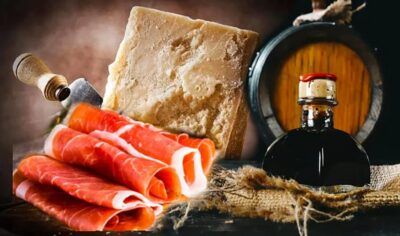
Emilia-Romagna is where “food is culture” isn’t a slogan—it’s how the region runs. This day works because it links three products that live different lives but share the same DNA: local craft, strict identity, and patience.
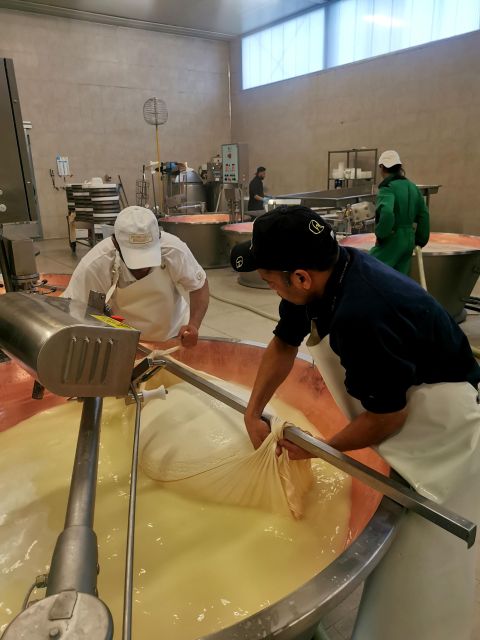
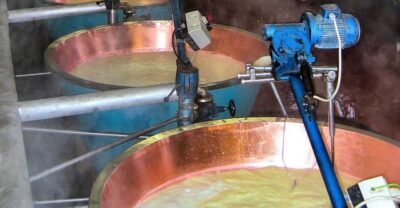
You’re starting in the Bologna area, then shifting to Modena for the balsamic and cheese production side of the story. That matters. If you only do tasting rooms, you miss the bigger idea: these foods are built through process, aging, and tradition. Here, you get pulled into both. You watch a serious production line for Parmigiano Reggiano, then you go into an old acetaia (traditional vinegar house) where the structure of time is the main character.
One more plus: the format is designed to keep your palate busy but not confused. Parmigiano is savory and aging-driven; balsamic is sweet-sour and age-driven; wine is a bridge that helps everything feel coherent when you’re done.
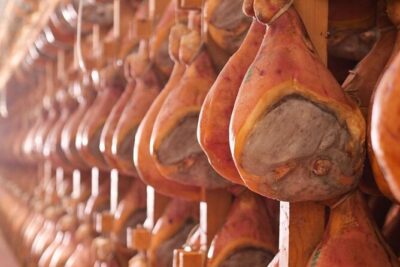
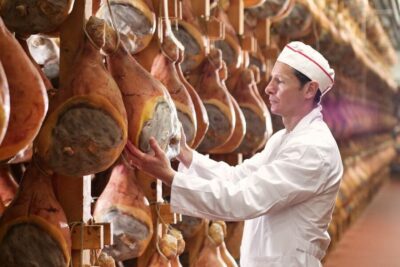
Out to the dairies and curing rooms for Parmigiano and Parma ham.


The 7am pickup and breakfast: why the early start is part of the value
The tour begins with pickup in and around Bologna around 7am, with transport provided by car or minivan. Then you stop for a classic Italian breakfast—coffee and fresh pastries—before you head into the production stops. It’s a simple start, but it’s also a smart one. You’re going to be out and tasting for hours, so a real breakfast matters more than you’d think.
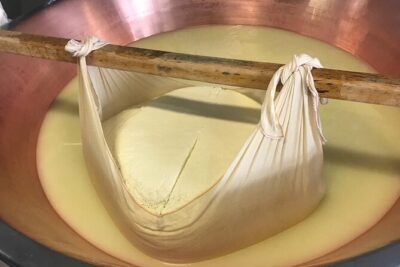
The early timing is the biggest reason people love this kind of food tour. When you’re early enough, you can witness steps of Parmigiano production instead of arriving after everything interesting has already happened. That’s not just entertainment; it changes how you taste later. When you understand what you’re eating—milk, curd, molding, and aging stages—you notice differences in texture and flavor with more focus.
Bring what you need for a long day: comfortable shoes and a light layer. Even in food-focused tours, you’ll likely spend time moving between rooms and listening closely. By the time you hit the tastings, you’ll be grateful the schedule avoids long empty stretches.
Parmigiano Reggiano production: from the factory floor to the aging room
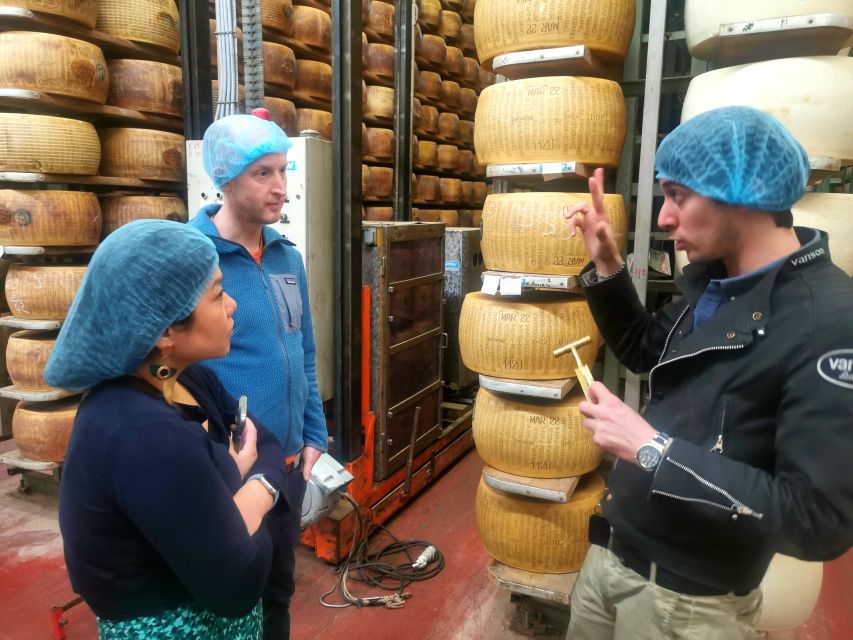
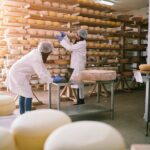
The Parmigiano stop is set up like a full lesson: you visit a Parmigiano Reggiano factory (caseificio) and move through the production phases. The day’s pacing is important here. This isn’t just standing in a doorway while someone points at machines. You get to see how the cheese is made and then you get a direct look at where it lives while it ages.
What I like about this stop is the two-part structure:
1) Watch the process, so you know what you’re looking at.
2) Taste across ages, so you learn how aging changes character.
At the end of the production visit, there’s an impressive aging room where thousands of wheels of Parmigiano Reggiano are stored. Seeing that scale helps you understand why this cheese is all about time. Then you taste different ages of Parmigiano Reggiano—so you’re not stuck comparing only one style.
You also get to sample other cheese made in the caseificio, including fresh ricotta. That detail is more useful than it sounds. Ricotta brings a different texture and flavor profile than aged Parmigiano, so it helps you reset your palate before the balsamic part of the day.
If you’re a cheese person, this is where you’ll feel the most payoff. The tastings don’t feel random; they feel like the conclusion to what you just watched.
Aceto Balsamico Tradizionale di Modena DOP: 12- and 25-year tastings
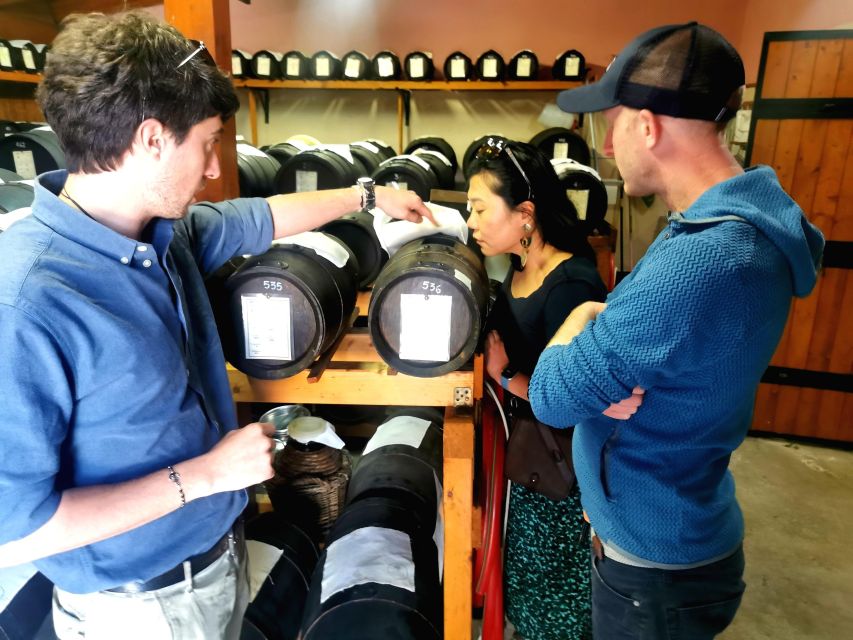
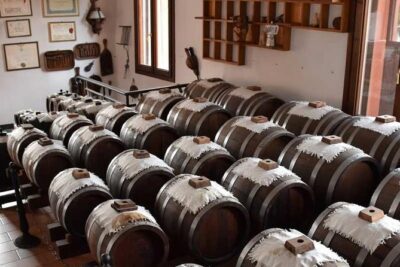
Next comes the Modena stop focused on Aceto Balsamico Tradizionale di Modena DOP, often described as black gold for a reason. You visit an old acetaia and learn the process of balsamic vinegar in a setting that matches the product’s identity—traditional, structured, and built around aging.
The guide also explains the difference between IGP and DOP. You don’t need to memorize regulations to benefit from this. What matters is that it gives you a framework for why the bottles you taste have the identity they do and why the aging and production methods are treated with care.
Then you taste several bottles, including 12-year and 25-year options. This is the kind of tasting that actually teaches you. Younger balsamic tends to feel sharper and more lively; older balsamic usually feels smoother and deeper in the way it lands on the palate. You’ll have a chance to notice those changes directly instead of taking someone’s word for it.
One standout pairing detail: balsamic served on top of gelato. That’s practical learning. If you’ve only had balsamic in salads or drizzled on plates, the gelato pairing shows you how it performs when sweetness is part of the equation.
If you’re the type of traveler who buys food as a souvenir, this is also one of your best moments to figure out what you’d actually use. You’ll taste multiple ages, so you can choose based on flavor, not just label prestige.
Bologna hills winery: wine tastings with tigelle and regional bites
After the Modena stops, the day heads back toward Bologna hills for a local winery visit. This part is built around wine tasting—glasses of regional wine from Emilia-Romagna—paired with typical regional eating.
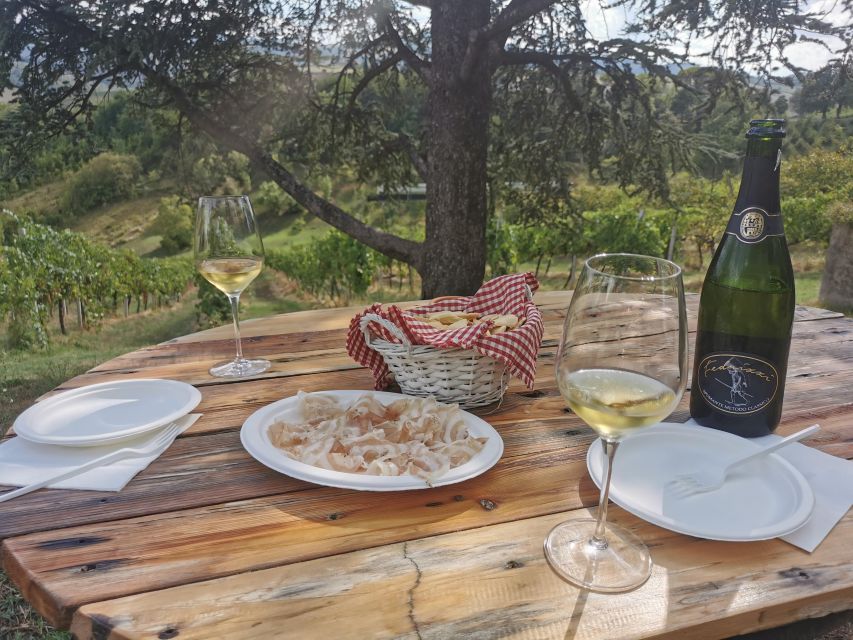
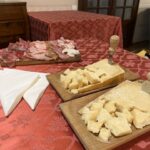
The pairing is where the winery stop becomes more than a sip-and-spit experience. Every glass of wine is served with tigelle, a local focaccia-style bread, plus regional charcuterie and cheeses. Tigelle matters because it’s filling and familiar to the local table, so your palate gets grounded. Then the charcuterie and cheeses add salt and fat that help you read the wine better.
This is also a good moment to take stock. By now you’ve tasted aging-based foods (Parmigiano and balsamic) and now you’re adding something that changes with fermentation and grape character. A wine tasting paired with proper local snacks helps you connect the dots: acidity, sweetness, and salt all start to make sense as you taste.
The day still keeps you moving, though. You spend time at the winery and then there’s additional local food time in Modena as well. Net effect: you’ll eat a lot, so bring an appetite and don’t schedule anything demanding the same night.
Into a Modena acetaia to taste barrel-aged balsamic.


Riccardo and a small group: how the day stays personal
A big theme in the best experiences like this is scale. This tour is limited to 12 participants, which keeps the tone calmer and makes it easier to ask questions.
The guide Riccardo is part of what makes the day feel personal. In a setup like this—factories, aging rooms, tastings—having a guide who can explain clearly and tailor pacing to the group makes a real difference. And when the group stays small, you get more interaction rather than just listening from the back.
You also tend to get more meaning from the stops when you can stay engaged. At a cheese factory, you want to understand what you’re seeing before the tasting starts. At an acetaia, you want context for why age matters. A small group makes those transitions smoother because the guide can keep track of what questions people are actually thinking.
The result is a day that feels like you’re learning the region through its producers, not just collecting samples. That’s why this experience earns such high marks from people who care about food beyond the basics.
Price and value: what $283.21 per person includes
At $283.21 per person, this isn’t a bargain-basement option. But you’re also not paying for one tasting in one room. You’re paying for:
- transport with a car or minivan
- a live English tour leader
- food and wine
- multiple production-focused visits
- several tastings, including aged balsamic bottles and Parmigiano across different ages
For food travelers, value is less about the raw price and more about what’s built into the day. Here, the cost covers the structure: you’re moving between Bologna and Modena, spending time at production sites, and eating and tasting enough to justify a full-day commitment.
If you normally pay for individual tours (one cheese visit, one balsamic experience, one winery tasting) plus transportation, this kind of bundled day can feel like a smarter deal. It also saves you effort. You don’t have to piece together three separate plans and hope the timing lines up with production hours.
One more practical value point: the early start is included. If you’re paying for something that requires morning timing to make sense, it should be reflected in the day. This experience is built around that idea.
Who should book this Parmigiano, balsamic, and wine day?
This tour is a strong fit if you:
- love Emilia-Romagna food and want more than a quick tasting
- care about how production works, not just the final product
- enjoy pairing wine with local eating (tigelle, charcuterie, cheeses)
- want a small-group experience with an English guide
It may not be ideal if you:
- want a late start and a slow sightseeing day
- don’t like structured tastings or learning stops
- are sensitive to long days with lots of food
Also, it’s especially well-suited for couples and small groups of friends. The pacing and the guide attention work better when you’re not packed in.
Should you book this Bologna food experience?
If your goal is authentic taste education—Parmigiano production, Modena acetaia balsamic DOP, and Bologna hills wine paired properly—this is the kind of day worth planning for. The early timing gives you a real edge, and the small group keeps it from turning into a factory-style sprint.
Book it if you’re excited by aging and craftsmanship: different ages of Parmigiano, 12- and 25-year balsamic tastings, and wine paired with tigelle and regional bites. If you’re more in the mood for flexible wandering, you might prefer a less structured food plan.
FAQ
How long is the tour?
It lasts about 8 hours.
What time does pickup happen?
Pickup is included around 7am in Bologna and nearby areas.
Is the tour guided in English?
Yes, there’s a live tour guide in English.
What are the main stops during the day?
You’ll visit a Parmigiano Reggiano factory, an acetaia for Aceto Balsamico Tradizionale di Modena DOP, and a winery in the Bologna hills, with local snacks/food included.
Do you get to taste Parmigiano Reggiano?
Yes. You can taste different ages of Parmigiano Reggiano and other cheeses from the caseificio, including fresh ricotta.
What balsamic vinegar do you taste?
You’ll taste Aceto Balsamico Tradizionale di Modena DOP, including bottles aged 12 and 25 years, and it can be served on gelato.
Is transport included?
Yes. The tour includes transport by car or minivan.
More Modena Balsamic Cellars
More Parmigiano and Parma Ham Tours
More Tour Reviews in Bologna
After something different? More ways to fill a day in Bologna and across Emilia-Romagna



Parmigiano Reggiano & Parma Ham Tours, compared.
 ★ 5.0Tour Parmigiano Reggiano dairy and Parma hamFrom $151601 reviews
 ★ 4.9Parmigiano Production and Parma Ham Tour & TastingFrom $126554 reviews
 ★ 5.0Guided group tour TastyBus: Parmesan Cheese and Parma HamFrom $169241 reviews
 ★ 4.9Traditional Cheese Factory Visit with TastingFrom $82225 reviews
 ★ 4.9Parmesan, Parma Ham & Balsamic Vinegar TourFrom $220187 reviews
 ★ 5.0Parmigiano Cheese, Parma Ham and BalsamicFrom $205166 reviews
 ★ 4.8Parmigiano and Parma Ham Guided Food TourFrom $134144 reviews
 ★ 4.9Cheese, Ham, & Balsamic Vinegar Tour with TastingsFrom $181143 reviews
Browse the lists this tour appears in