
Reviewed · BOLOGNA PASTA-MAKING & COOKING CLASSES
Bologna Walking Tour & Traditional Cooking Class with Wine
Bologna tastes better when you follow the people who make it daily. This 3-hour experience pairs a market stroll with a hands-on class inside a Cesarine cook’s private home, so you get food plus the everyday rhythm behind it. I love that it keeps the group small (capped at 12), which makes it easier to ask questions and actually talk Bologna.
You start in the historic center near Piazza Re Enzo, then move through local markets and artisan shops to pick fresh ingredients. After that, you head to your host’s home for aperitivo first, then a classic regional pasta dish and tiramisu. I also like that you’re not just watching. You learn by doing.
One thing to consider: the menu is built around a classic Bologna-style pasta dish and tiramisu, plus wine and aperitivo. If you have strong dietary needs, you’ll want to check ahead so the experience matches your limits.
In This Review
- Key things that make this Bologna food experience worth your time
- Starting in the right place: Piazza Re Enzo and a morning rhythm
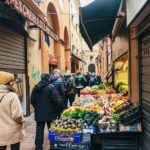
- Market walk and artisan shops: where Bologna food starts
- The Cesarine home part: why it feels more cultural than a cooking show
- Aperitivo first: the best way to learn Bologna etiquette
- Cooking the classic Bologna dish: learning by making it
- Wine and the homemade meal: what to expect after you cook
- Tiramisù as the finale: finishing with a familiar Bologna-leaning sweet
- How long is enough? Timing, walking, and pacing through Bologna
- Price and value: is $115.19 a fair deal?
- Who this tour suits best (and who should think twice)
- Should you book this Bologna Walking Tour & Traditional Cooking Class?
- FAQ
- Where is the tour meeting point?
- What time does the tour begin?
- How long does the experience last?
- How many people are in the group?
- What do we do on the walking portion?
- What food is included?
- Is wine included?
- What is the cancellation policy?
- What happens at the end of the tour?
Key things that make this Bologna food experience worth your time
- Cesarine home setting: you cook and eat in a real residential kitchen, not a classroom vibe
- Market shopping with a purpose: you choose fresh ingredients before you cook
- Aperitivo + conversation: you learn culture over a drink and snack, then carry that into the meal
- Small group size (max 12): easier questions, more talking, better pace
- Bolognese-style cooking + dessert: pasta and tiramisu are part of the same evening plan
Starting in the right place: Piazza Re Enzo and a morning rhythm
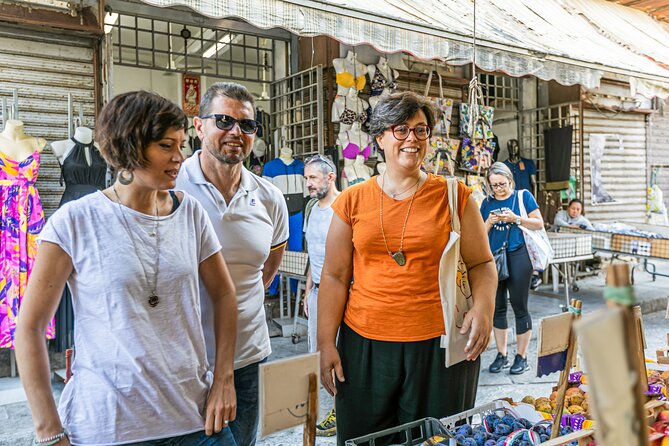
The tour starts at Piazza Re Enzo in Bologna at 10:00 am, and it ends back there. That matters more than it sounds. This is a walk-friendly, central launch point, so you avoid the stress of finding something off the beaten track right away.
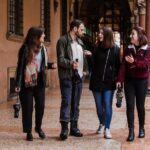
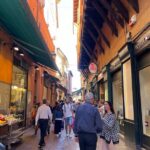
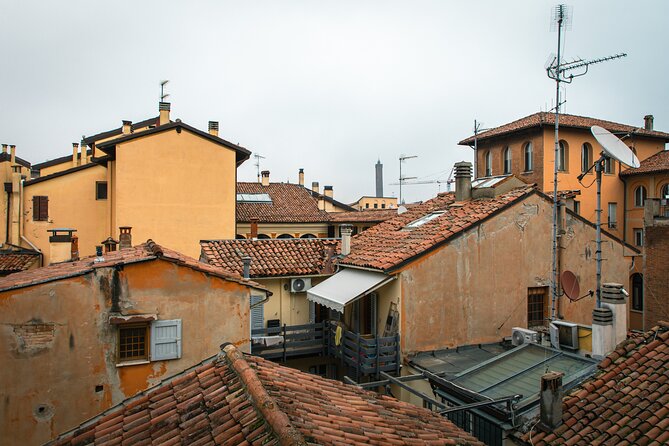
Once you begin, the pace feels like a guided stroll rather than a sprint. You’ll spend time moving through historic streets, and that first stretch is where you get bearings: the city layout, the shop density, and the sense that food culture is woven into daily life here. For many people, this is the first time Bologna clicks as more than a place for pasta.
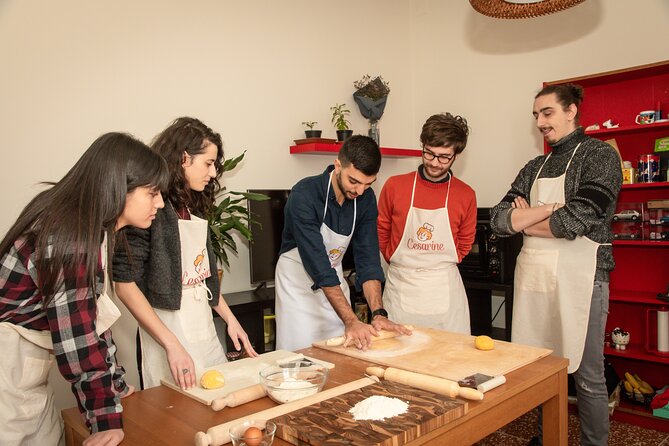
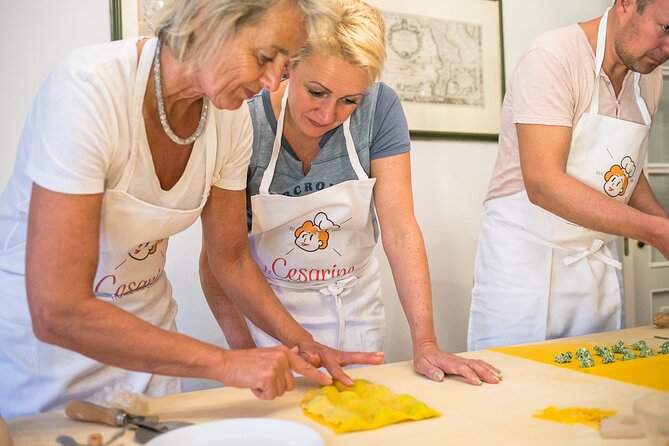
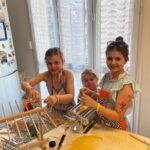
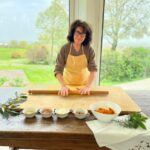
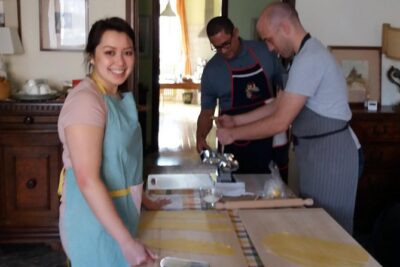
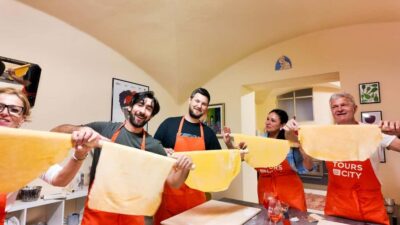
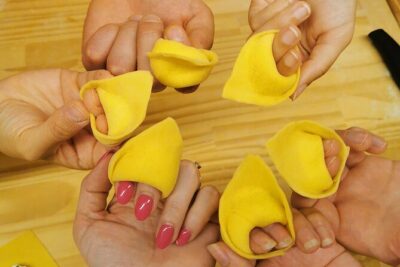
Back into the kitchen to roll tortellini and tagliatelle by hand.
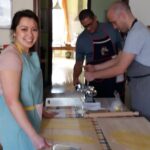
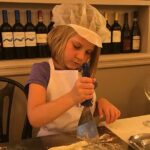
Market walk and artisan shops: where Bologna food starts
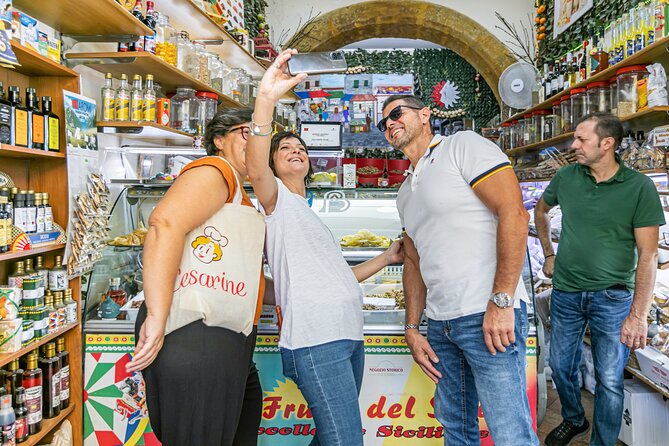
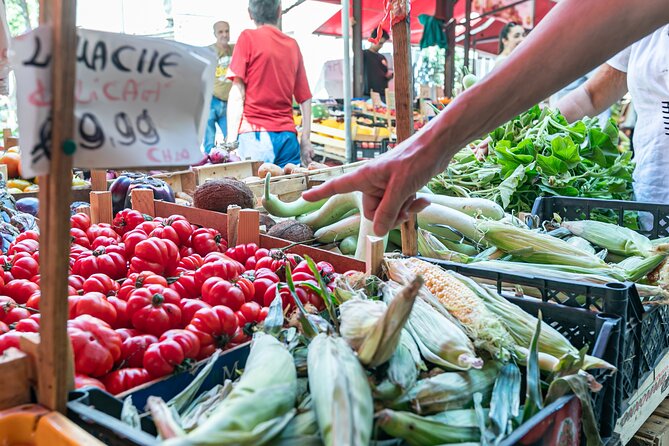
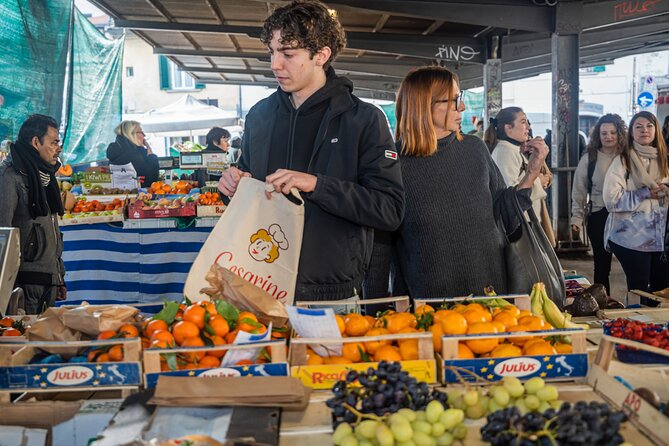
The experience includes a walking tour through local markets and artisan shops, with time to select fresh ingredients. This is the part that turns cooking from abstract to real. When you choose produce and pantry basics yourself, the later steps make sense, and you’re more likely to remember what matters.
Here’s what you can take from this section even if you’re not a “market person”:
- You learn the logic of regional shopping—what looks fresh, what should feel right in texture, and what you should think about for flavor.
- You get a quick education in how Bolognese cooking starts long before the pot. Bologna doesn’t treat dinner like a last-minute idea.
A small note: because the experience begins in the morning, some markets and counters may be more active than others depending on the day. If you’re the type who loves lingering over tasting bites, pace yourself—you’re still heading to a home kitchen after.
The Cesarine home part: why it feels more cultural than a cooking show
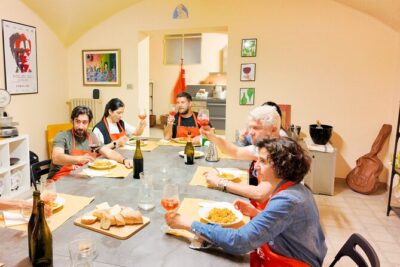
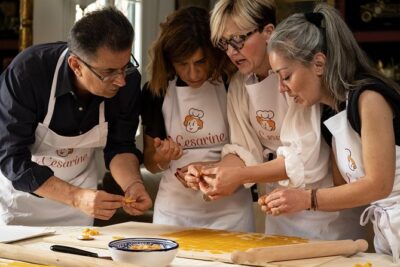
After the walk, you’ll go to the private home of your host, who’s part of the Cesarine network of Italian home cooks. This is a big reason the class works. Cooking in someone’s home changes the energy. It’s less about performance and more about hospitality.
In that setting, conversation becomes part of the lesson. You’re not only learning how to make a dish—you’re talking about Bologna, how the food fits local life, and what makes the local approach different from other Italian regions. I like this because it gives you context you can actually use later, like when you’re ordering pasta or planning your own cooking.
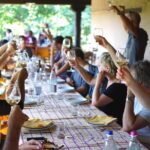
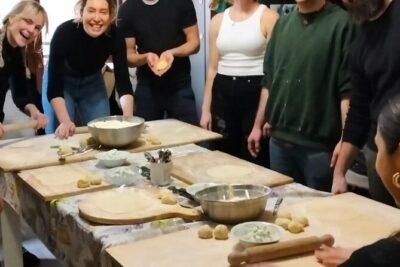
Also, with a group capped at 12, the host can manage the room without turning it into a factory line. You’ll still have to share space (it’s a home), but the small size helps you feel included instead of shoved to the edges.
Aperitivo first: the best way to learn Bologna etiquette
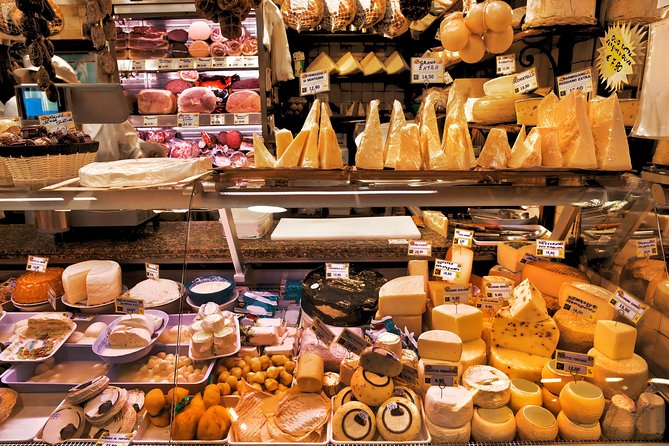
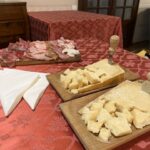
Before you cook, you’ll enjoy a classic aperitivo: a drink and a snack. This is not filler. Aperitivo is part of the culture of how Italians socialize in the day’s rhythm, and Bologna treats it like a bridge between talk and appetite.
In practical terms, aperitivo does three helpful things:
- It settles everyone before cooking starts (especially if you’ve been walking).
- It gives you a relaxed moment to ask questions.
- It frames the meal as something social, not just something you complete.
If you’re someone who enjoys small talk but doesn’t want it to be fake, this setup is usually ideal. You get real conversation about local food and life, and then the cooking becomes a continuation of that mood.
Cooking the classic Bologna dish: learning by making it
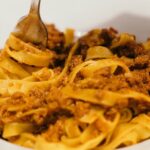
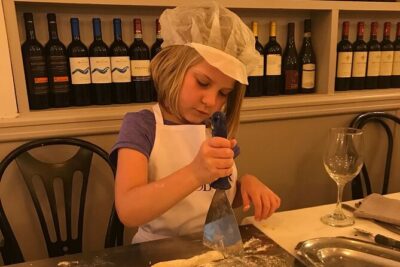
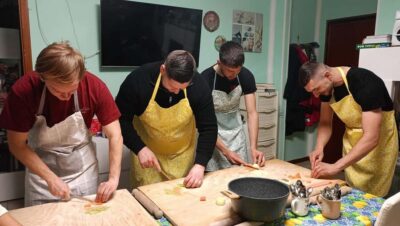
Once you’re settled at the home kitchen, you’ll work on preparing an authentic regional pasta dish. The tour is designed around hands-on learning, so you’re not just standing by watching. You’ll likely be doing the core tasks involved in the recipe flow—things like mixing, shaping steps (depending on the dish style), and learning what signals the right texture and taste along the way.
What makes this valuable is not the novelty. It’s the method. When you learn the logic behind a Bolognese-style approach, you can reproduce the style later even if you’re making it in your own kitchen with different brands of ingredients.
You’ll also benefit from the local “why,” not just the “what.” Bologna’s approach tends to be built for steady flavor rather than flash. That mindset shows up in the way the cooking steps are explained, and it helps you avoid common mistakes like rushing flavor development or misunderstanding how ingredients work together.
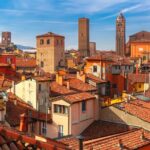
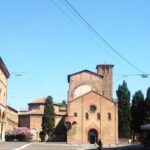
More of the old town on foot, towers and squares and back streets.

Wine and the homemade meal: what to expect after you cook
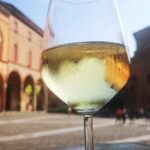
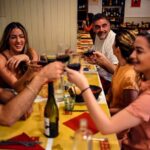
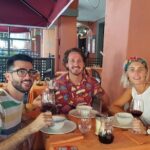
After you’ve cooked, you’ll eat the meal you made, along with a glass of regional wine. This is where the experience becomes more than a skill workshop. You’re sitting down as a group, tasting the result of what you just made, and getting that instant feedback loop that’s hard to replicate on your own.
It’s also a helpful check on how the cooking lesson translates to your palate. If the sauce tastes balanced, if the pasta holds up, if the flavors land the way the host expects—those are the lessons that stick.
One small consideration: because wine is included, you’ll want to plan accordingly. The tour lasts about 3 hours, so you can still get on with your day, but if you’re sensitive to alcohol or you’ll be walking farther that afternoon, keep it in mind.
Tiramisù as the finale: finishing with a familiar Bologna-leaning sweet
Tiramisu is included as part of the meal plan. Ending with dessert makes the class feel complete, and it’s a good way to wrap up the cooking experience with something you can share or compare later when you’re back at home.
From a learning standpoint, the dessert also helps you understand that the meal isn’t just about the main pasta. In Bologna and throughout Emiliа-Romagna, dinner is usually built like a sequence: savory first, then something sweet that balances the whole experience.
I like that the tour includes both main and dessert, because it gives you enough variety to feel you truly learned the meal, not just one component.
How long is enough? Timing, walking, and pacing through Bologna
The tour runs about 3 hours total. That’s a sweet spot for a food-focused day. You get market time, ingredient selection, aperitivo, cooking, and eating—without turning it into an all-day ordeal.
Because it’s a walking + cooking hybrid, pacing matters. The earlier walking segment keeps your energy up and helps you look at Bologna through a food lens. Then, once you’re in the kitchen, the pace slows to a working rhythm.
Also, you’ll use a mobile ticket, and the start is in a central area near public transportation. That helps if your plans involve hopping between neighborhoods.
If you like to pack your days tightly, this tour works well as either:
- a morning anchor (so you can eat a big lunch after), or
- a late-morning activity that sets you up for a lighter evening.
Price and value: is $115.19 a fair deal?
At $115.19 per person, this sits in the “you’re paying for access” category. You’re not just buying a recipe. You’re buying:
- market time to select fresh ingredients,
- a cooking class in a private Cesarine home,
- aperitivo plus a glass of regional wine,
- and a full meal with dessert.
That combination is why it can feel like good value, even though it’s more than a basic walking tour. Small group size (max 12) also helps justify the price. Fewer people means the host can give more attention, and the experience stays personal.
Where the price might feel less ideal is if you mainly want sightseeing and don’t care about hands-on cooking. If that’s your goal, a standard walking tour might cost less and hit the highlights. But if you want to leave Bologna with a skill you can repeat at home, the cost makes more sense.
Who this tour suits best (and who should think twice)
This is best for you if:
- you like practical cooking experiences, not just photo stops
- you enjoy food culture stories along with the recipe
- you want a small-group class with real conversation
- you’re open to aperitivo and wine as part of the meal flow
You might think twice if:
- you have strict dietary restrictions and haven’t confirmed how your needs can be handled
- you prefer very long, sit-down meals and extra time in shops (this is about 3 hours total)
- you want a purely outdoor experience—this one includes being inside a home kitchen
Should you book this Bologna Walking Tour & Traditional Cooking Class?
If your idea of a great Bologna day includes markets, making something with your hands, and eating where locals actually live, I think this is a strong choice. The biggest win is the combo: market selection in the morning, aperitivo conversation, then cooking and eating together in a Cesarine home. That blend makes it feel personal instead of canned.
Book it if you want to understand Bologna through its food habits, not just collect stamps. I’d skip it only if your priority is sightseeing alone or you’re not comfortable with the experience’s set menu and included wine.
If you do book, bring a curious mindset and come hungry. You’ll leave with both a full stomach and a clearer idea of what makes Bologna cooking distinctly itself.
FAQ
Where is the tour meeting point?
The tour starts at Piazza Re Enzo, Bologna BO, Italy.
What time does the tour begin?
The start time is 10:00 am.
How long does the experience last?
It lasts about 3 hours.
How many people are in the group?
The cooking class has a maximum of 12 travelers.
What do we do on the walking portion?
You’ll stroll through historic streets and visit local markets and artisan shops to select fresh ingredients.
What food is included?
You’ll prepare and then enjoy a regional pasta dish, plus tiramisu.
Is wine included?
Yes. You’ll have a glass of regional wine with your meal, and you’ll also enjoy aperitivo (a drink and a snack) as part of the experience.
What is the cancellation policy?
You can cancel for free up to 24 hours in advance for a full refund. If you cancel less than 24 hours before the start time, the amount you paid will not be refunded. Cut-off times are based on local time.
What happens at the end of the tour?
The activity ends back at the meeting point.
More Bologna Walking Tours
More Bologna Pasta and Cooking Classes
More Tour Reviews in Bologna
After something different? More ways to fill a day in Bologna and across Emilia-Romagna




Bologna Pasta-Making & Cooking Classes, compared.
 ★ 5.0Bologna Local Pasta Cooking Class, Ragu, Spritz, Wine & GelatoFrom $59527 reviews
 ★ 5.0Pastamama, Home Cooking Classes at Grace’s HomeFrom $114521 reviews
 ★ 5.0Pasta and Tiramisu Small Group Cooking Class with WineFrom $71409 reviews
 ★ 4.9Pasta Tagliatelle Ragu Cooking Class with SpritzFrom $79407 reviews
 ★ 5.0Bologna on the plate, Cooking Class with AlessiaFrom $89260 reviews
 ★ 4.7Pasta Tagliatelle al Ragu Cooking Class with WineFrom $70225 reviews
 ★ 5.0Cesarine: Small group Pasta and Tiramisu class in BolognaFrom $163172 reviews
 ★ 4.5Authentic Bologna Home Cooking Class: Tagliatelle & TortelliniFrom $78136 reviews
Browse the lists this tour appears in