
Reviewed · PARMIGIANO REGGIANO & PARMA HAM TOURS
Emilia Romagna cheese tour
Cheese teaches Emilia-Romagna fast. I love how this 2-hour walk starts in Bologna’s medieval market and quickly turns into real tasting, guided by Ilaria. Two standouts for me are the hands-on explanation of Parmigiano Reggiano and the chance to taste Traditional Balsamic vinegar from Modena PDO (25 years old).
One heads-up: it’s not suitable for wheelchair users, and it also can’t run for just one person, so you’ll want to book with a group or at least check dates that actually run.
In This Review
- Key highlights
- Emilia-Romagna Cheese in 2 Hours: What This Tour Gets Right
- Meeting in Bologna Welcome: The Market Start You’ll Feel in Your Nose
- Parmigiano Reggiano and the Cow-Breed Lesson
- Grana Padano vs Parmigiano: How to Taste Differences Without Overthinking
- Pecorino di Fossa and Squacquerone: The Romagna Curveball
- The Home Tasting: Jams, Honey, Wine Jelly, Figs, and Balsamic Drops
- Traditional Balsamic from Modena PDO, 25 Years Old: The Tour’s Signature
- Price and Value: Why $94 Can Still Feel Fair
- What to Do With What You Learn (So It Doesn’t Disappear After the Tour)
- Who Should Book This Bologna Cheese Tour
- Should You Book the Emilia-Romagna Cheese Tour?
- FAQ
- How long is the Emilia Romagna cheese tour?
- Where does the tour start?
- What’s included in the tasting?
- Which special products are highlighted?
- What languages are available for the live guide?
- Can this tour run for just one person?
- Is the tour wheelchair accessible?
Key highlights
- Bologna market walk with guidance on what to notice in local cheeses
- Parmigiano Reggiano made simple, including how cow breeds can change the result
- A clear comparison of Parmigiano Reggiano vs Grana Padano
- Romagna cheese detour with Pecorino di fossa and squacquerone
- Six-cheese tasting plus add-ons like jams, honey, and figs
- 25-year Modena PDO balsamic as the tour’s signature moment
Emilia-Romagna Cheese in 2 Hours: What This Tour Gets Right
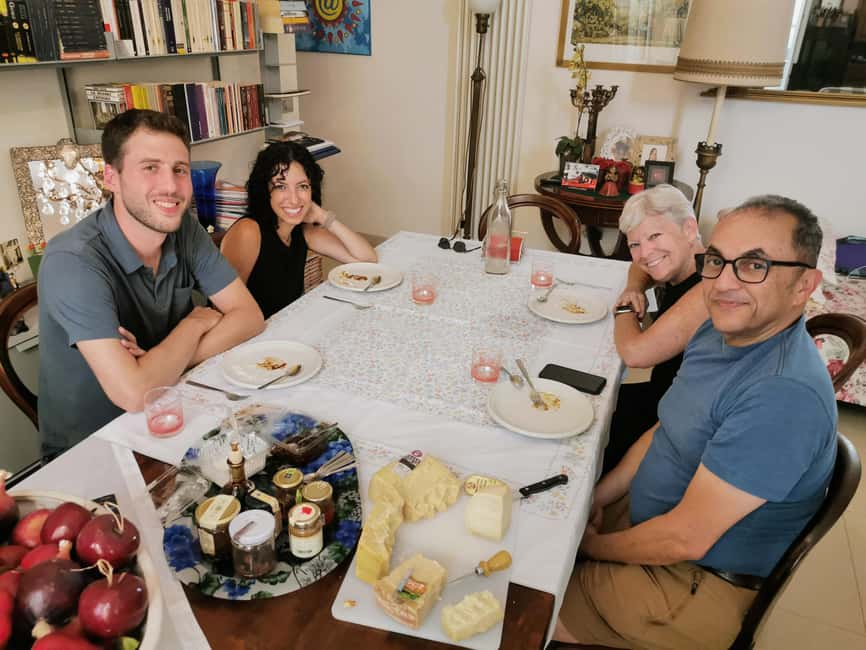
If you love food but hate long, slow tours, this one fits. You cover a lot of Emilia-Romagna flavor in just 2 hours, starting in Bologna and finishing with a structured tasting at the guide’s home. It’s not just sampling. It’s learning how to connect names on a cheese counter to what you actually taste.
You’ll get a guided tour through the region’s dairy logic: why something is crumbly, why something is firm, why aging matters, and how strong vinegar can behave like a flavor “finisher.” And yes, you also get that classic Bologna rhythm: shop talk, market atmosphere, and then a proper sit-down tasting.
The best part is that the experience is built around contrasts. Parmigiano vs Grana Padano. Romagna styles vs the Parmigiano lane. And balsamic that’s so old it tastes like it belongs in a different category than most grocery versions.
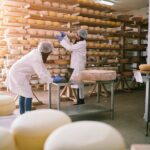
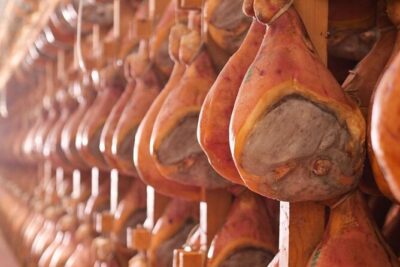
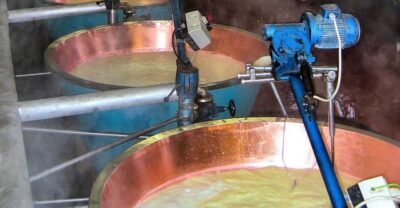
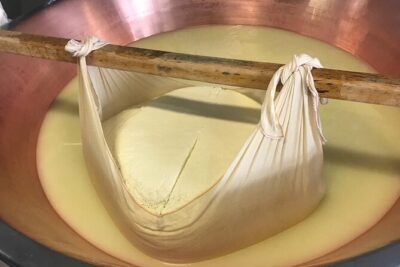
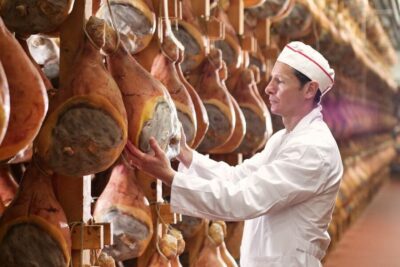
Out to the dairies and curing rooms for Parmigiano and Parma ham.


Meeting in Bologna Welcome: The Market Start You’ll Feel in Your Nose
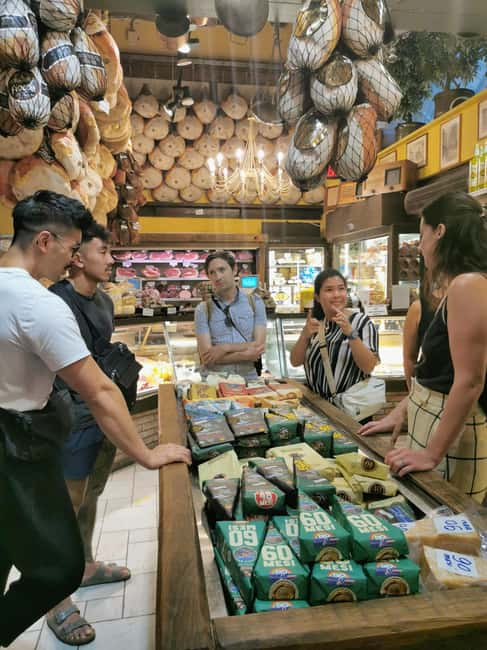
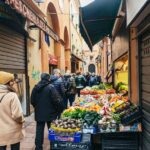
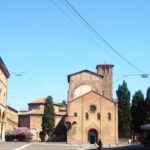
You meet in front of Bologna Welcome, and from there you head straight into the medieval market zone. This early stage matters because cheese isn’t just flavor. It’s texture, aroma, and intensity, and markets are the fastest way to calibrate your palate.
This tour’s rhythm is practical. You’ll be looking at cheeses in context, and you’ll hear what to pay attention to while you’re still standing there. That’s the difference between tasting as a hobby and tasting with a purpose. It also makes it easier when you later shop on your own, since you’ll know what questions to ask and what differences to notice without guessing.
One detail I like: the guide links cheeses to how they’re used and paired. In the market, you may also see and discuss cured meats and typical accompaniments alongside the cheeses. Even when you’re not ordering off a menu, that kind of pairing talk helps you understand why locals eat things the way they do.
Parmigiano Reggiano and the Cow-Breed Lesson
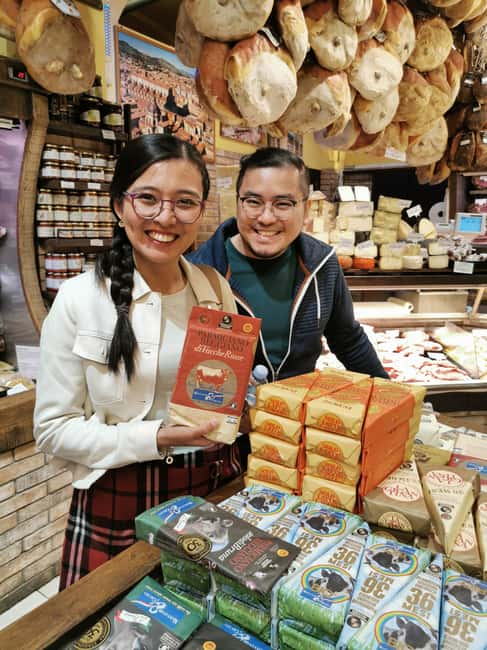
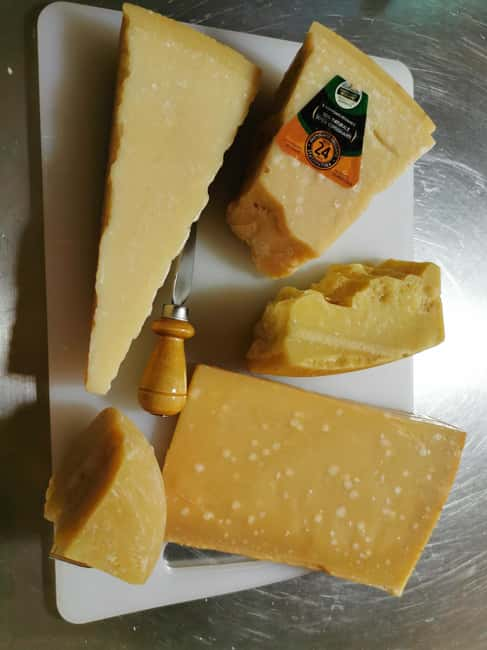
The tour puts Parmigiano Reggiano at the center for a reason. It’s the “king” cheese of the region, and this tour treats it like one. You don’t just hear the name. You learn how it’s made, and you also learn about the range of outcomes you can find depending on cow breeds.
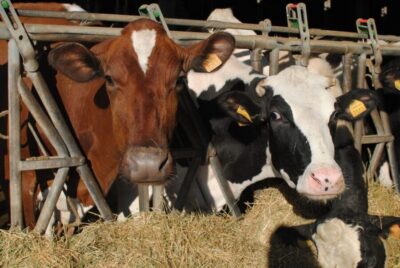
That cow-breed angle is a small detail that makes a big difference. It gives you a way to explain why two wedges labeled similarly can taste different. One may feel more nutty or more savory. Another may feel drier or sharper. Once you have that framework, future cheese tastings stop being random and start making sense.
Then comes the comparison moment: the tour walks you through why Grana Padano is different from Parmigiano Reggiano. You’ll likely notice that people often group these two together, but the guide’s job is to help you separate them with your senses, not just your memory. It’s a smart use of tour time because Grana Padano shows up everywhere in Italy, and you’ll be able to spot what feels distinct once you taste and discuss it.
Grana Padano vs Parmigiano: How to Taste Differences Without Overthinking
Here’s what I think this comparison does for you: it prevents the usual traveler mistake of treating all “hard grana” cheeses as interchangeable. The guide’s explanation makes it easier to draw lines between styles.
In practice, you’ll learn to judge by:
- how firm or grainy the texture feels
- how the flavor hits (nutty, salty, aged-savoury)
- how long the finish lingers
That might sound basic, but it’s exactly what turns a tasting from fun into useful. After this, when you see Parmigiano and Grana Padano side by side at home, you won’t just buy the cheapest “grated hard cheese.” You’ll pick with intent.
This is also why I like that the tour keeps the structure tight. You’re not stuck memorizing facts. You taste, you hear the differences explained, and then you taste again while those explanations are still fresh.
Pecorino di Fossa and Squacquerone: The Romagna Curveball
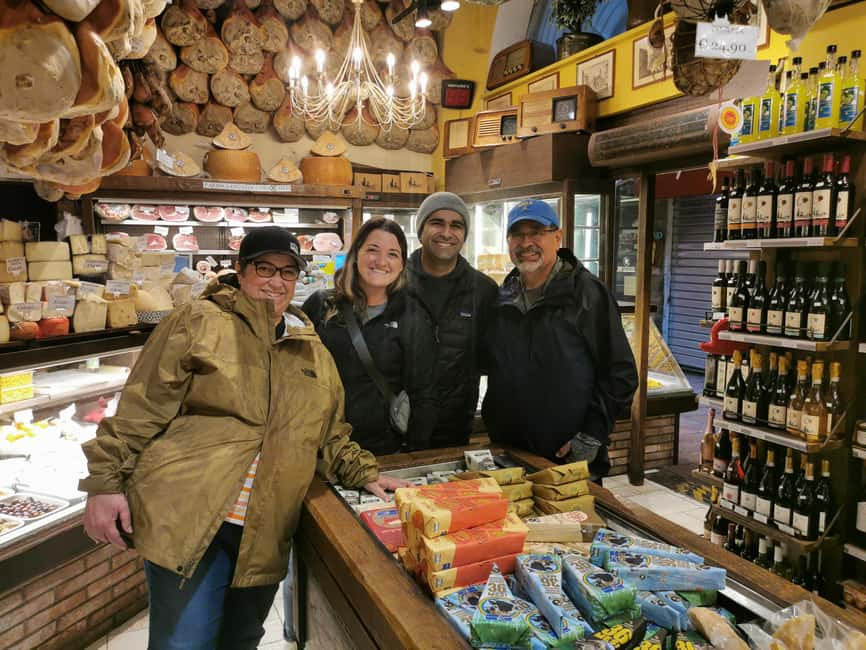
After the Parmigiano lane, the tour shifts gears toward Romagna. This is where things get more interesting fast, because not everyone expects these styles if they’re only thinking about Parmigiano.
You’ll discover Pecorino di fossa and squacquerone, both with strong regional identities.
- Pecorino di fossa brings a different personality than the Parmigiano family. It’s a reminder that “cheese of Emilia-Romagna” doesn’t mean one flavor style. It can mean a bold, aromatic profile that’s easy to identify once you’ve tasted it with guidance.
- Squacquerone adds softness and creaminess. It’s a counterpoint to hard, aged cheeses, and that contrast helps you learn how cow’s milk and sheep’s milk styles can shift texture and taste.
Even if you’re not sure you’ll like every style, you’ll at least understand why locals love them. That’s the real win with a tour like this: it gives you permission to try cheeses you might avoid on your own because the label alone doesn’t tell the whole story.
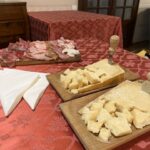
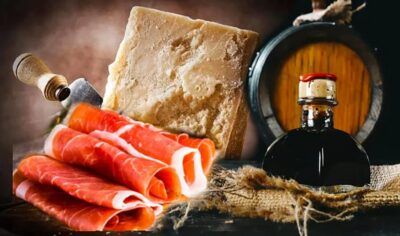
More Parmigiano and Emilia cheeses to try.
The Home Tasting: Jams, Honey, Wine Jelly, Figs, and Balsamic Drops
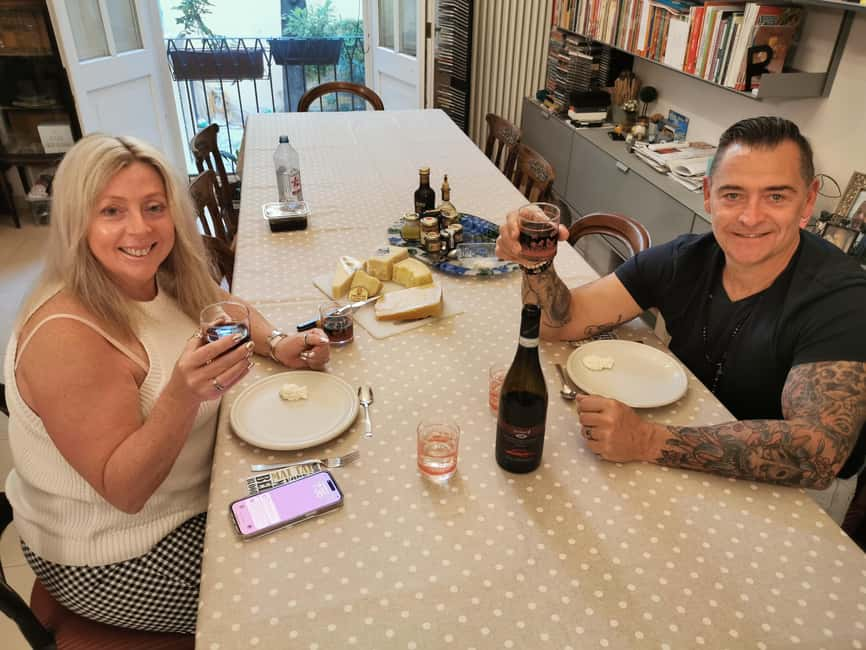
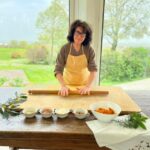
At the end of the walking portion, you head to the guide’s home. This is a big part of the value. Market tastings are great, but a home tasting is where you slow down enough to notice differences.
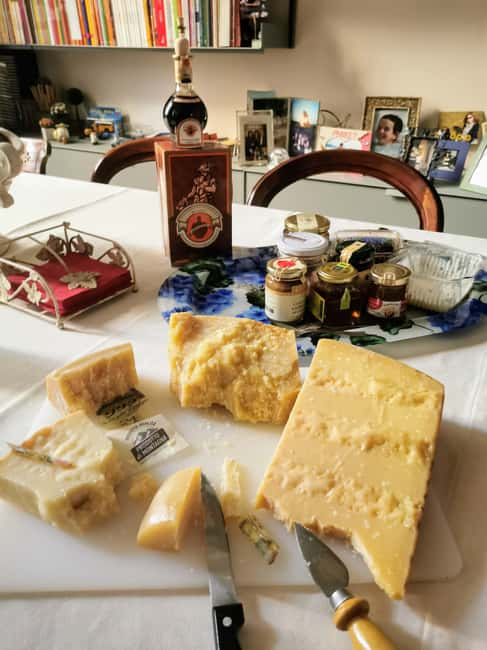
You’ll taste the cheeses from the tour together, and you’ll also taste them with add-ons such as jams, honey, wine jelly, caramelized figs, and finally drops of real balsamic vinegar. That mix is more than a “dessert moment.” It’s a lesson in pairing.
Here’s how to think about it as a practical guide for your own meals after the tour:
- Sweet elements like honey or fig caramel can soften sharpness in aged cheeses
- Jams can amplify fruit-and-nut notes and make stronger cheeses feel more rounded
- Balsamic drops can act like an acidity and sweetness “brake,” changing the character of each bite
And then you reach the highlight.
Traditional Balsamic from Modena PDO, 25 Years Old: The Tour’s Signature
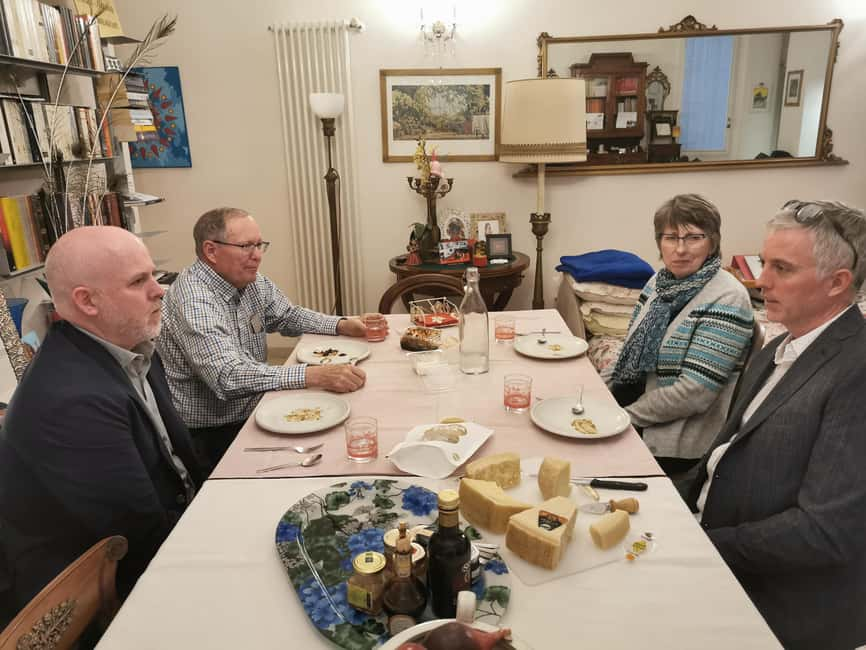
The best-known word here is balsamic. But the best surprise is the word 25 years.
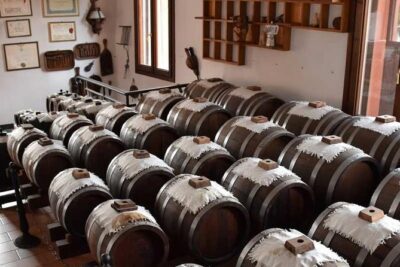
This tour gives you the rare chance to taste Traditional Balsamic vinegar from Modena PDO (25 years old), and the guide frames it as completely different from what most people have tasted before. That matters, because most balsamic you run into while traveling is younger, lighter, and often more obvious in acidity or sweetness.
With older Traditional Balsamic, you’re tasting something closer to a concentrated, complex condiment. It doesn’t scream vinegar. It behaves more like a slow-melting flavor: sweet, tangy, and deeper than expected.
If you’re the kind of person who only uses balsamic on salads, this will likely change how you think about it. Think of it as a finishing tool for cheese, fruit, and even savory dishes where you want a gentle, lingering note rather than a sharp hit.
Price and Value: Why $94 Can Still Feel Fair
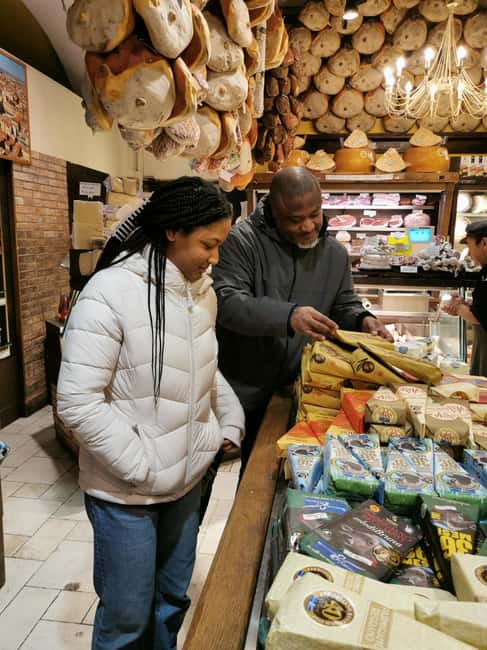
At $94 per person for about 2 hours, you might wonder if it’s worth it. In this case, I think it’s fair because you’re paying for three things that are hard to recreate cheaply:
First, you’re paying for guided tasting and interpretation. Reading cheese labels in a shop is one thing. Hearing how Parmigiano is made, learning the Parmigiano vs Grana Padano differences, and tasting hard and soft cheeses back to back is another. This tour turns the learning into part of the price, not something you have to figure out later.
Second, you’re paying for the home tasting setting. Having a structured tasting in a real local home is a value booster, because it makes the experience feel personal and paced.
Third, you’re paying for the 25-year Modena PDO balsamic moment. That’s the kind of item that’s hard to find in a normal tasting situation, and it’s the signature comparison point that makes the whole tour memorable.
Bottom line: if you like food that actually teaches you something, and you want a guided route through Emilia-Romagna cheese instead of random sampling, this price makes sense.
What to Do With What You Learn (So It Doesn’t Disappear After the Tour)
I like tours that leave you with tools, not just photos. Here’s what I’d do right after this tour, while the flavors are still in your mind.
When you’re back in a shop, don’t just ask for what sounds familiar. Ask for:
- the type of cow’s milk vs sheep’s milk style
- how the cheese is aged
- how to pair it (even just one suggestion)
Because you’ll have tasted contrasts already, you’ll start seeing the logic in what you’re buying. You’ll also be better at spotting value. One review specifically points out that the guide shares tips on how to judge value for money, and that’s exactly the kind of advice that saves you from overpaying for something you don’t like.
And if you ask for restaurant ideas, you may get more than cheese advice. The guide is known for offering dinner recommendations, and those suggestions can turn into practical learning about Italian food quality, not just where to eat.
Who Should Book This Bologna Cheese Tour
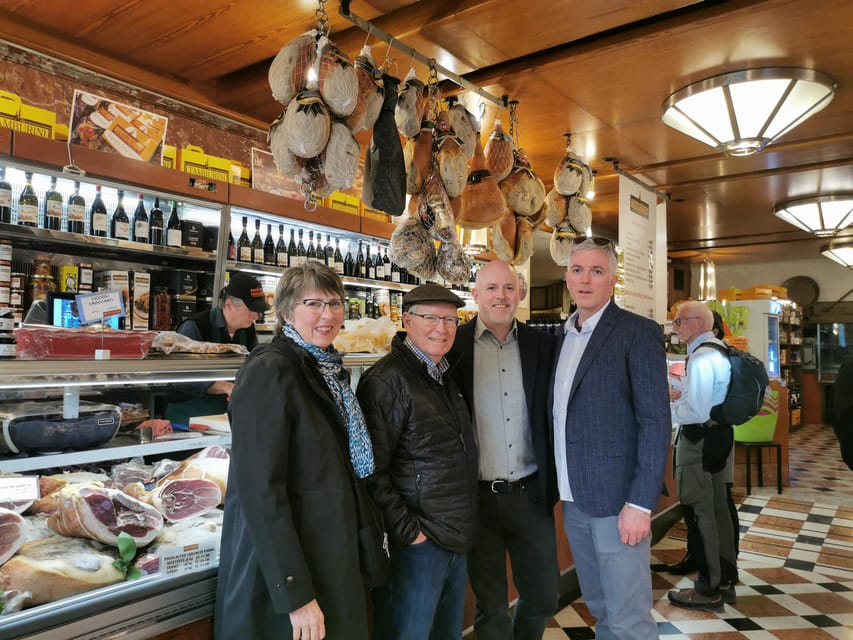
This tour is a great match if:
- you’re a cheese lover who wants a guided tasting, not just a snack
- you want both hard-aged and softer regional styles in one go
- you care about pairing flavors, especially balsamic
It’s also a good choice for couples and solo travelers who like food-focused group experiences with a clear structure.
A possible mismatch: if you’re looking for an accessible tour route or you need wheelchair-friendly logistics, this one isn’t suitable. Also, because it can’t run for only one person, you’ll want to check that your date has enough participants.
Should You Book the Emilia-Romagna Cheese Tour?
I’d book this if you want a fast, focused introduction to Emilia-Romagna cheese and you’re excited about balsamic. The Parmigiano and Grana comparison keeps things grounded, the Romagna cheeses add fun curveballs, and the home tasting makes the whole thing feel real rather than rushed.
Skip it if you’re mostly after a broad sightseeing walk in Bologna. This is about tasting and learning, and the market portion is there to support the food story. If you’re only interested in “seeing Bologna,” you’ll likely want a different kind of tour.
If you fit the food profile, though, this is one of those experiences where the price starts to feel logical the moment you smell the market and taste something like 25-year Modena Traditional Balsamic.
FAQ
How long is the Emilia Romagna cheese tour?
It lasts 2 hours.
Where does the tour start?
You meet in front of the tourist office Bologna Welcome.
What’s included in the tasting?
The tour includes tasting 6 different cheeses and a guide.
Which special products are highlighted?
The tour includes learning how Parmigiano Reggiano is made, tasting Grana Padano, and trying Traditional Balsamic vinegar from Modena PDO that is 25 years old. You also discover cheeses such as Pecorino di fossa and squacquerone.
What languages are available for the live guide?
The live tour guide is available in English, Spanish, and Italian.
Can this tour run for just one person?
No. It can’t be run for only one person.
Is the tour wheelchair accessible?
No. It’s not suitable for wheelchair users.
More Emilia Cheese Tastings
More Parmigiano and Parma Ham Tours


More Tour Reviews in Bologna

After something different? More ways to fill a day in Bologna and across Emilia-Romagna





Parmigiano Reggiano & Parma Ham Tours, compared.
 ★ 5.0Tour Parmigiano Reggiano dairy and Parma hamFrom $151601 reviews
 ★ 4.9Parmigiano Production and Parma Ham Tour & TastingFrom $126554 reviews
 ★ 5.0Guided group tour TastyBus: Parmesan Cheese and Parma HamFrom $169241 reviews
 ★ 4.9Traditional Cheese Factory Visit with TastingFrom $82225 reviews
 ★ 4.9Parmesan, Parma Ham & Balsamic Vinegar TourFrom $220187 reviews
 ★ 5.0Parmigiano Cheese, Parma Ham and BalsamicFrom $205166 reviews
 ★ 4.8Parmigiano and Parma Ham Guided Food TourFrom $134144 reviews
 ★ 4.9Cheese, Ham, & Balsamic Vinegar Tour with TastingsFrom $181143 reviews
Browse the lists this tour appears in