
Reviewed · MODENA BALSAMIC VINEGAR CELLARS
Modena: Guided Balsamic Vinegar Cellar Tour & Optional Meal
Barrels teach patience fast in Modena. This guided balsamic vinegar tour brings you into a family-run acetaia with a real story (Claudio and even grandfather Franco get name-dropped) plus a tasting that shows why aging matters. I love the hands-on production walk-through and the way the history feels personal, not museum-y; the one catch is the experience length can stretch up to 5 hours depending on options and starting time, so plan your day with a little breathing room.
You’ll also get the Modena hills as a backdrop, with the kind of rural calm that makes the whole vinegar obsession make sense. I especially like the focus on differences: traditional balsamic versus PGI styles made with less aging but still built for flavor and versatility. If you hate slow food pacing, this might feel less like a quick stop and more like an afternoon spent learning why time is an ingredient.
In This Review
- Key reasons this balsamic cellar tour works
- First stop: the family-run acetaia in Modena hills
- The real production lesson: from grapes to barrel batteries
- Why the family story hits harder than facts alone
- Tasting time: traditional, PGI, and the in-between styles
- Optional aperitif and why it changes the feel of the day
- Adding lunch, cooking class, and dinner (choose based on your mood)
- Timing, duration, and the pace of the visit (2 to 5 hours)
- Getting there: a small logistics note that can save time
- Who this Modena balsamic tour suits best
- The value question: is $17 per person worth it?
- Should you book this Modena balsamic cellar tour?
- FAQ
- How long is the guided balsamic vinegar cellar tour?
- What’s included in the standard tour?
- What optional add-ons are available?
- Are the tours offered in English and Italian?
- Is the experience wheelchair accessible?
- What’s the cancellation policy and can you reserve without paying yet?
Key reasons this balsamic cellar tour works
- You follow the people behind the process: Claudio, and sometimes grandfather Franco, guide the story and the barrel room.
- You see how vinegar turns into bottled tradition: grapes go to cooking, then into barrel batteries for long aging.
- You taste the range, not just one product: traditional, PGI, and shorter-aged styles built to mimic complexity.
- The story mixes engines and food: Ferrari and Lamborghini show up in the family narrative next to the patience of barrels.
- Optional food makes it feel like an agritourismo day: aperitif, lunch, and in some options, cooking class and dinner.
- It’s set in the Modena countryside: the views and rural setting add context to the whole tradition.
First stop: the family-run acetaia in Modena hills
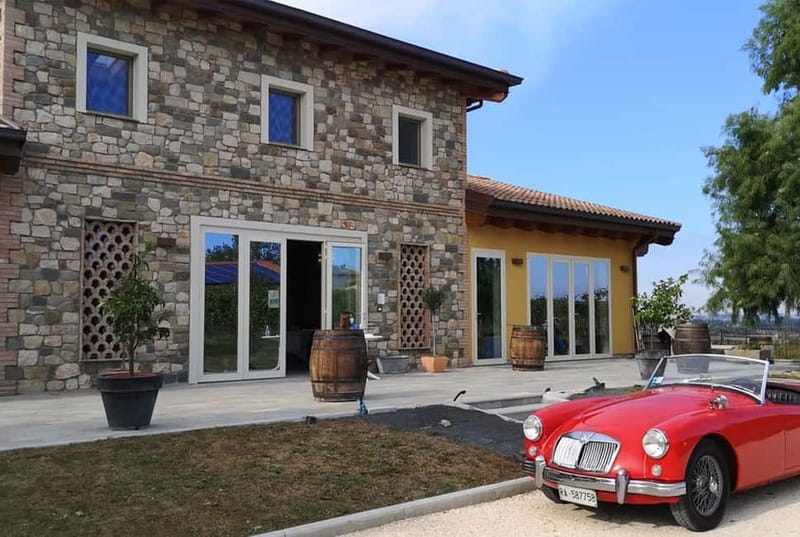
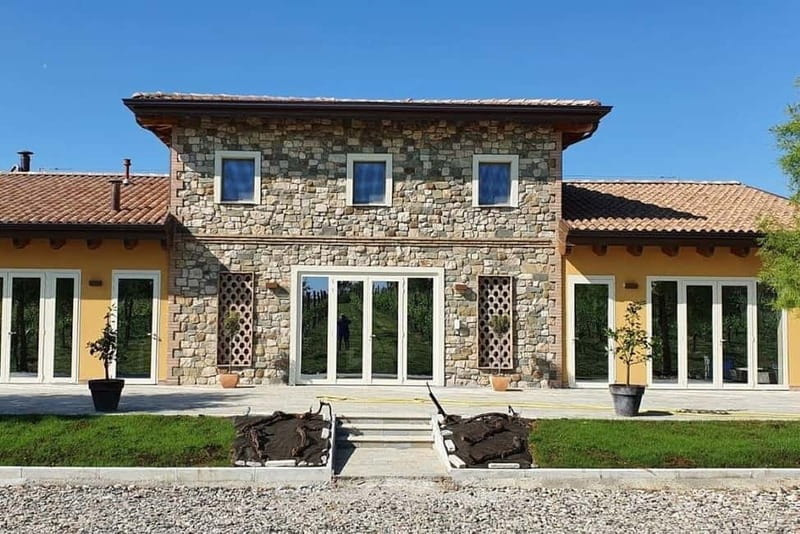
This is a guided visit to a balsamic vinegar cellar (an acetaia) run as a family operation in the hills around Modena. The setting matters here. You’re not in a showroom. You’re in a working environment shaped by agriculture, aging, and routines that keep going year after year.
Your guide leads you through the origin and history of balsamic vinegar, with the pace set by what’s happening in the cellar and the production cycle. Even better, you’re not just hearing generic facts. You get a family narrative that connects where the vinegar came from to how it’s made today.
You’ll often hear about following Claudio or grandfather Franco inside the acetaia, which adds a nice personal feel. One day the owner tells the story in his own voice; another day the older generation takes the lead. Either way, the message stays the same: this product is built slowly, and the people behind it treat that slowness like a point of pride.
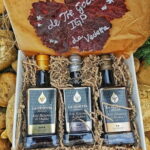
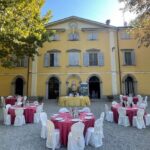
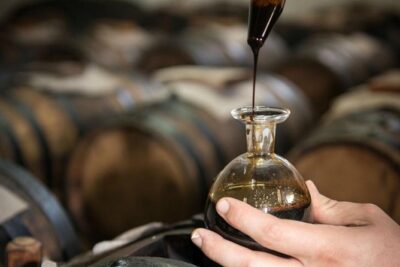
Into a Modena acetaia to taste barrel-aged balsamic.
The real production lesson: from grapes to barrel batteries
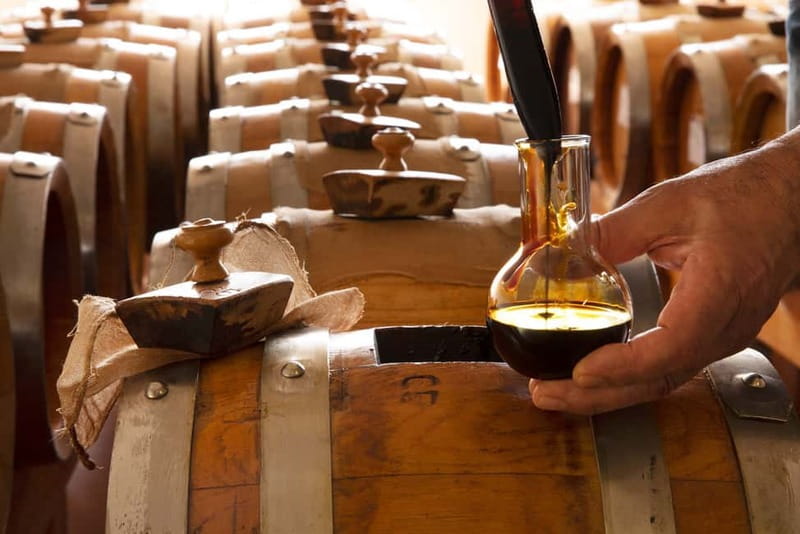
The tour’s backbone is the production sequence: grapes get selected, cooked, and then placed into wooden barrels for long aging. That barrel-to-bottle story is the part most people remember because it explains why balsamic isn’t like most pantry items.
Here’s the basic flow you’ll hear:
- Grapes from their own vineyards
The cellar uses grapes from 10 hectares of vineyards, including 5 hectares of trebbiano modenese. You don’t need to be a viticulture nerd to appreciate that this is local sourcing at a meaningful scale.
- Cooking the must
After the grapes are processed, the cooked base is moved into the barrel system. The cooking step is a big deal because it sets up the flavor intensity that later develops through aging.
- Barrel batteries and the long wait
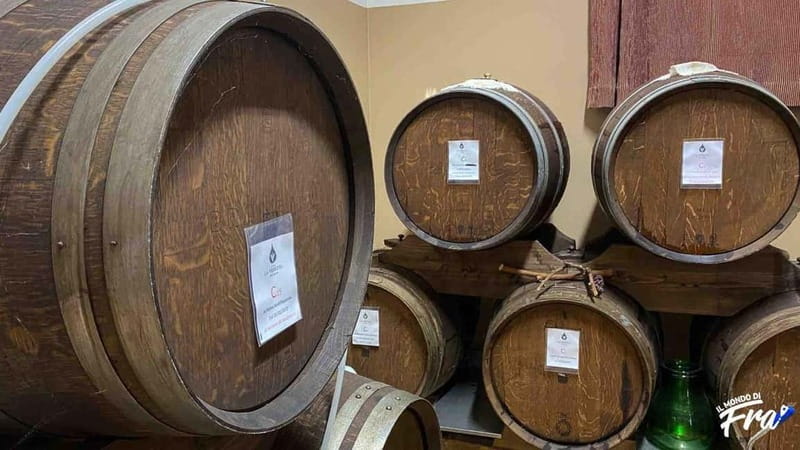
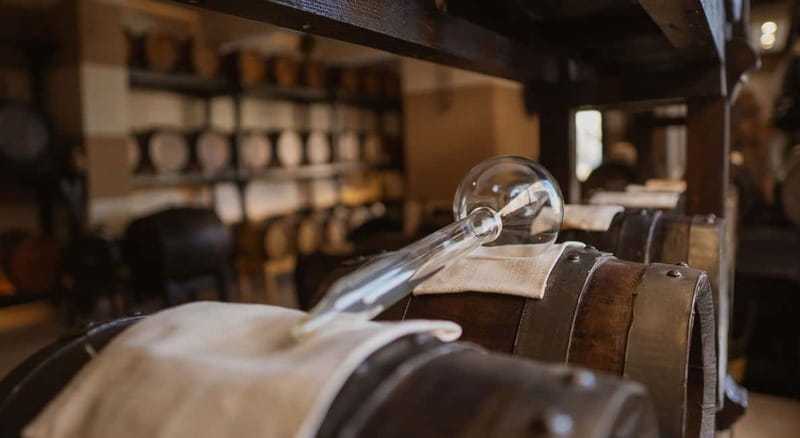
The product then lives inside barrel “batteries” for many years. It starts in larger barrels and moves toward smaller barrels as it ages, until it’s finally bottled. That gradual movement is one of the clearest ways the tour teaches you that time isn’t a marketing idea here. It’s literally baked into the method.
- Traditional aging versus PGI aging
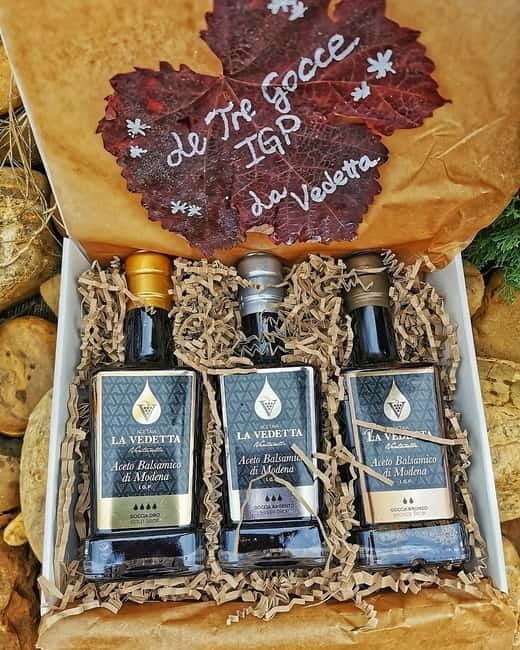
The cellar also produces a PGI-certified version that uses less aging. You learn why that exists: it can deliver a flavor profile people still love, but in a timeframe that’s more practical for certain uses. You also hear about additional condiments designed to mimic traditional complexity while cutting aging time.
If you like food explanations that make you see a product differently at the supermarket, this tour does that. Once you understand the barrel system, it’s easier to taste and interpret what you’re experiencing during the tastings later.
Why the family story hits harder than facts alone
The most memorable part of this tour is often the human thread running through everything: how a small inheritance of balsamic becomes a family craft with decades behind it.
Claudio’s telling (and it’s a signature element of the experience) blends fast cars with slow food. The story goes from countryside roots—where the family’s early balsamic tradition came down through inheritance—into a period where careers in Ferrari and Lamborghini engines show up in the timeline. Then you circle back to the acetaia, where passion keeps growing.
The reason this story works isn’t just charm. It helps you understand why traditional producers defend their methods. It’s not only about product. It’s about identity and consistency.
And there’s another detail that adds credibility: Claudio’s father is described as being actively involved in the production even in his early 80s (82 or 83 is mentioned in different parts of the story). That’s a strong signal that this isn’t a one-person hobby. It’s a long-term commitment passed down and maintained.
Tasting time: traditional, PGI, and the in-between styles
The tasting is included, and this is where the tour earns its value. You don’t just “try some vinegar.” You learn what to look for when you compare styles.
The tour gives you a structured way to think about differences:
- Traditional balsamic
This is the slow-aged, long-barrel route. Expect a focus on depth that comes from time and the traditional approach.
- PGI certified balsamic
Made with less aging, yet still described as highly appreciated and similar in taste to the traditional style. This is the version that’s often most approachable if you’re cooking at home and want something closer to traditional flavors without the wait.
- Other condiments built to match traditional traits
Claudio also developed products meant to resemble traditional balsamic but with less aging. For you, the usefulness is simple: you get options that are easier to work into everyday meals while still chasing that signature balsamic character.
A practical tip: when you taste, don’t rush to decide which bottle is best. Your goal is to understand what each style does on a plate. The tour sets this up with the idea that balsamic isn’t one flavor. It’s a spectrum shaped by aging and production choices.
Optional aperitif and why it changes the feel of the day
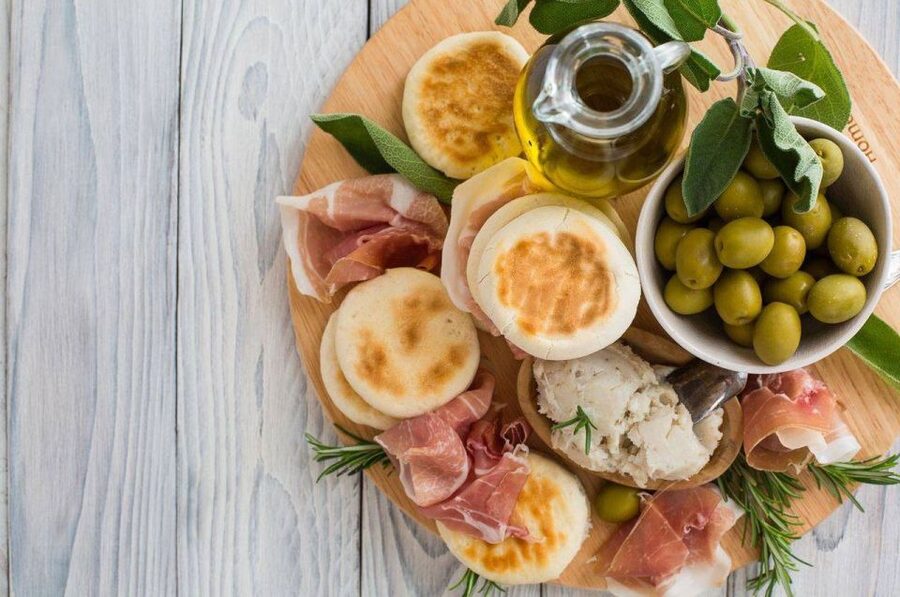
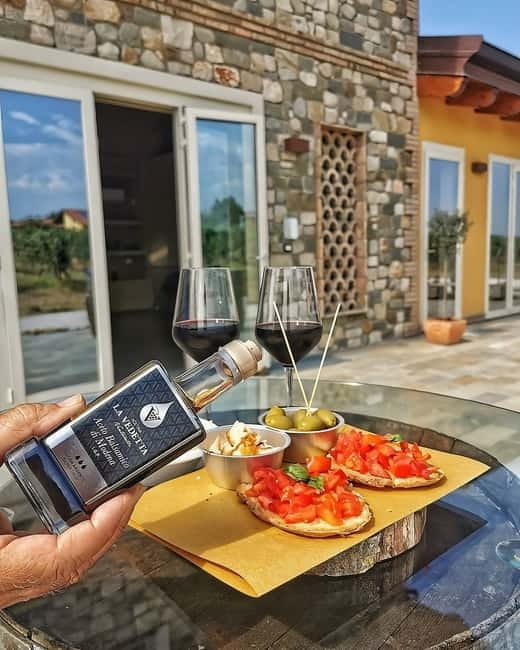
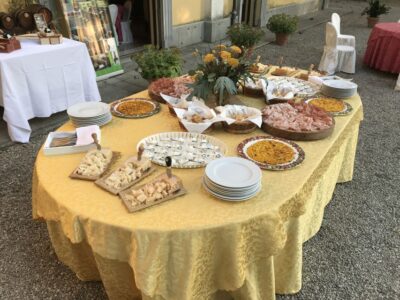
If you add the optional aperitif, the experience shifts from a lesson into an agritourismo-style outing. You get an aperitif with wine, and the point isn’t fancy presentation. It’s that balsamic makes more sense when you see it paired and used with food.
In the experiences I’d suggest adding this option if it’s available, because it makes the tasting feel less like a lecture and more like a social moment. Reviews highlight that the aperitif and wine are delicious, and that they often help people learn how to use balsamic in ways they hadn’t considered.
Think of the aperitif as your bridge between learning and using: you’re tasting in the cellar, then carrying that idea into a real-world pairing moment.
More days out with a local guide.

Adding lunch, cooking class, and dinner (choose based on your mood)
This tour has flexible upgrades, and the smart choice depends on what kind of traveler you are.
- Lunch option
If you can, I recommend booking with lunch. It turns a 2-hour stop into a fuller afternoon, and the feedback around lunch being worth it is strong. It also gives you time to slow down, chat, and enjoy the hillside setting without rushing back out to the next thing.
- Cooking class and dinner option
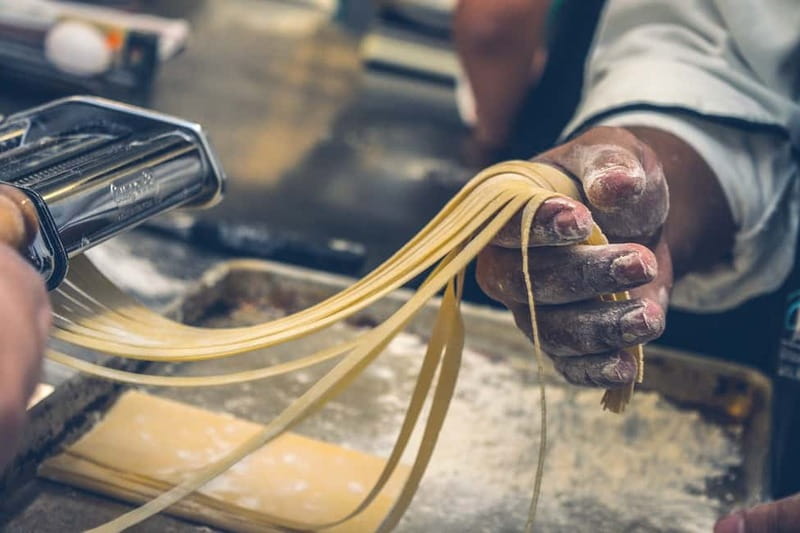
In the option that includes a cooking class and dinner, you get a more hands-on angle—less about only tasting vinegar and more about using it. This works well if you want take-home skills, not just souvenirs.
The downside of adding food options is also obvious: you’ll spend more time onsite. If your schedule is tight, you might keep it to the cellar tour plus tasting and then plan a meal elsewhere.
Timing, duration, and the pace of the visit (2 to 5 hours)
The tour duration can run from 2 to 5 hours, depending on your selected option and the starting time. That range matters because it affects how you should plan your day in Modena.
A few practical observations that help you plan:
- The visit can coincide with active seasons in the vineyard cycle. In at least one described experience, the timing was good because harvest was starting, which makes the story feel extra current.
- The pace can feel slow on purpose, because aging and tradition aren’t fast topics. If you want a quick photo-and-leave stop, this might not be your best fit.
If you’re pairing this with other Modena activities, I’d treat it as a main event. Slot it where you’re not sprinting between towns.
Getting there: a small logistics note that can save time
This place is in the countryside. That’s part of the charm, and it can also be the one wrinkle.
One practical issue that comes up is navigation: GPS directions can lead you to a road that’s temporarily closed due to construction. If you’re driving, build in a little buffer. If you’re relying on a phone map only, double-check the route before you commit.
Also, because starting times vary, it’s worth confirming your time window so you’re not arriving early and waiting around in a rural area.
Who this Modena balsamic tour suits best
This experience is a strong match if you:
- Love regional food traditions and want the production side, not just the tasting.
- Want a guided explanation with a real family behind it.
- Appreciate rural countryside settings around Modena, especially when the day includes food.
It’s also a good fit for couples and small groups who want to ask questions. Some described visits felt very personal, including occasions where the tour was led with a smaller group presence.
If you’re traveling with kids, you might find the tasting format educational, as long as they can handle the time commitment. There’s enough story and process to keep attention, but it’s still a food craft lesson, not a theme park.
The value question: is $17 per person worth it?
At $17 per person, this sits in the affordable-to-moderate range for an experience that includes a guided cellar visit and vinegar tasting. The value becomes even clearer when you look at what you get:
- You’re paying for a guided look at production, not just sampling.
- You’re learning how traditional methods differ from PGI and shorter-aged styles.
- Optional additions (aperitif, lunch, cooking class and dinner) can turn it into a full meal-based day without needing separate plans.
If you’re only going to do one balsamic-related activity around Modena, this is one of the better bets because it bundles story + process + tasting in one place.
If you’re the type who buys balsamic and moves on, you might not feel as much value. In that case, skip the tour and just buy a bottle. But if you’re curious about what you’re tasting, the experience justifies itself.
Should you book this Modena balsamic cellar tour?
I’d book this tour if you want a grounded, family-run view of how balsamic vinegar actually becomes vinegar you can buy. The best reason is the combination: the production walk-through plus a tasting that compares styles you’ll realistically use at home.
If your schedule is tight, you can still do it and keep it simple. But if you can add food, do it. An aperitif, lunch, or cooking class makes the whole story feel more complete and less like you’re rushing through a lesson.
One last check: if you dislike slow pacing and long aging stories, this might test your patience. If you’re the kind of traveler who likes to understand why something tastes the way it does, you’ll probably leave thinking about barrels the next time you drizzle balsamic on anything.
FAQ
How long is the guided balsamic vinegar cellar tour?
The duration is listed as 2 to 5 hours, depending on the starting time and which options you select.
What’s included in the standard tour?
The activity includes a vinegar cellar tour, a guide, and vinegar tasting.
What optional add-ons are available?
Depending on the option selected, you can add lunch, an aperitif, and in some cases a cooking class and dinner.
Are the tours offered in English and Italian?
Yes. The live tour guide is listed as Italian and English.
Is the experience wheelchair accessible?
Wheelchair accessible is listed as part of the activity information.
What’s the cancellation policy and can you reserve without paying yet?
Free cancellation is available up to 24 hours in advance for a full refund. There’s also a reserve now & pay later option, where you can book your spot and pay nothing today.
More Guided Bologna Tours
More Modena Balsamic Cellars
More Tour Reviews in Modena


After something different? More ways to fill a day in Bologna and across Emilia-Romagna






Modena Balsamic Vinegar Cellars, compared.
 ★ 5.0Balsamic Lunch with Vinegar Cellar Tour and TastingFrom $45395 reviews
 ★ 5.0Cavedoni Balsamic Vinegar Tour: The Oldest in ModenaFrom $90267 reviews
 ★ 4.9Parmesan, Parma Ham & Balsamic Vinegar TourFrom $220187 reviews
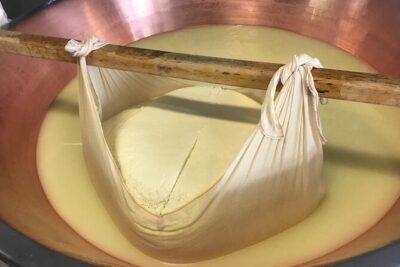 ★ 5.0Parmigiano Cheese, Parma Ham and BalsamicFrom $205166 reviews
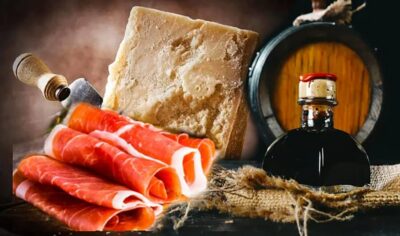 ★ 4.9Cheese, Ham, & Balsamic Vinegar Tour with TastingsFrom $181143 reviews
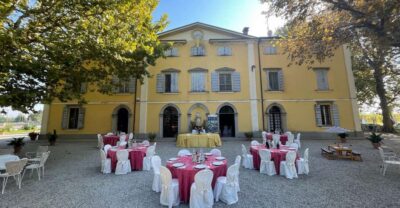 ★ 5.0Balsamic Vinegar Cellar Tour, Tasting & Food PairingFrom $17140 reviews
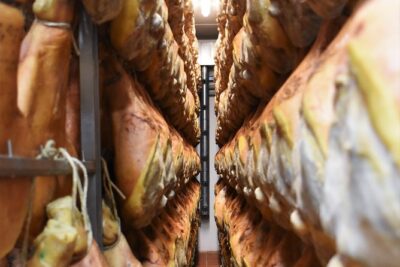 ★ 5.0Private Full Day Parma Food Tour: Parmesan Cheese, Parma Ham, Lunch, VinegarFrom $399127 reviews
 ★ 5.0Parmigiano & Balsamic Artisans: In-Depth Private Tour and TastingFrom $17488 reviews
Browse the lists this tour appears in