
Reviewed · PARMIGIANO REGGIANO & PARMA HAM TOURS
The art of Parmigiano Reggiano and real Balsamic vinegar
Two legends of Modena, in one morning. You’ll move between a Parmigiano Reggiano cheese farm and a traditional balsamic acetaia, with real tastings and plain-language explanations.
I love the fact that this isn’t just a “look and leave” stop. You get the full cheese workflow, from the cows and milking setup to manually made wheels and aging, plus you’ll compare what’s going on behind the labels with the IGP vs DOP balsamic story.
One thing to plan for: transportation between the two countryside locations isn’t included. If you don’t have a car, you’ll need to arrange a transfer (for an extra cost) or bring someone who can drive, and you’ll want comfortable shoes for walking.
In This Review
- Key things that make this tour worth your time
- The 8:30am start: why early beats late for real food
- Caseificio Bio Reggiani: the cows-to-wheels system you can actually see
- Acetaia Malagoli Daniele: Traditional Balsamic DOP is a patience product
- IGP vs DOP: what you’ll learn and how it changes what you taste
- What tastings and snacks add up to (and why it’s good value)
- Group size and guide style: what to expect from the day
- Logistics you should plan before you book
- Who this tour is best for
- Should you book this Modena experience?
- FAQ
- How long is the tour?
- Where does the tour start and end?
- What’s included in the price?
- Do I need transportation to join this experience?
- What’s the difference between Balsamic vinegar of Modena IGP and Traditional balsamic vinegar of Modena DOP?
- Is free cancellation available?
Key things that make this tour worth your time
- Two different UNESCO-level tastes: Parmigiano Reggiano wheels and Traditional Balsamic Modena DOP from casks
- A morning start (8:30am) so you see makers working, not just finished products
- Small group size (max 15) for questions and a more relaxed pace
- Real IGP vs DOP explanation based on ingredients, age, making process, and grape origin
- On-site tastings plus snacks (water, coffee/tea) so you’re not hunting food after
- Good shopping logic: you may want luggage space for purchases, since you’ll taste things you’ll want to take home
The 8:30am start: why early beats late for real food
This tour begins at 8:30am, and that timing matters more than you’d think. Cheese isn’t a museum object. At a working factory, mornings are when you catch people actively doing the steps that turn milk into wheels.
If you show up later in the day, you can still learn the process, but the energy tends to be lower. Starting early helps you see the chain at work, including the human labor that goes into consistent results. The same idea applies to balsamic: you’re tasting something that comes from patience, but you’ll also be walking through storage where the years are part of the experience.
For you, that means a more complete story in about 4 hours. It’s long enough to cover two major producers, short enough to keep your Modena day flexible afterward.
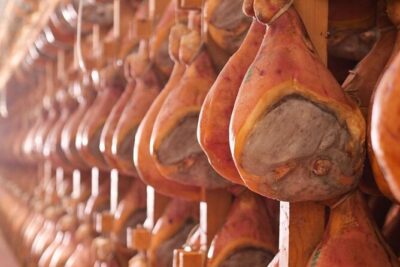
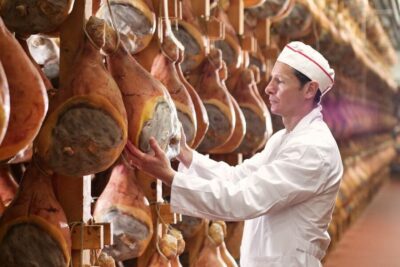
Out to the dairies and curing rooms for Parmigiano and Parma ham.
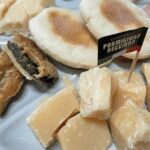
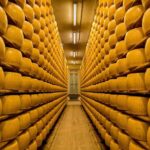
Caseificio Bio Reggiani: the cows-to-wheels system you can actually see
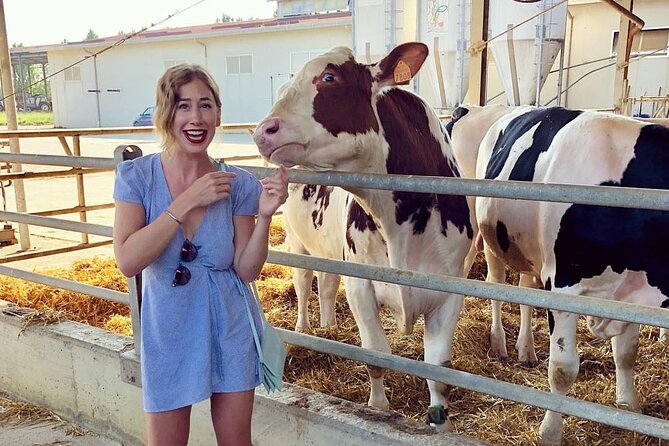
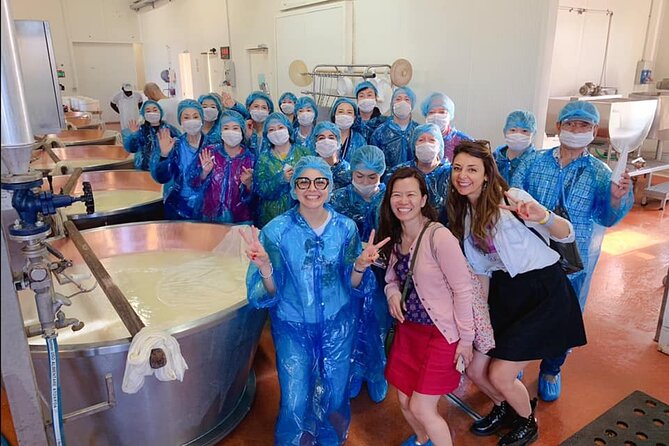
Your first stop is Caseificio Bio Reggiani in the Castelfranco Emilia area. This is a working farm and cheese factory dedicated to Parmigiano Reggiano, and what stands out is the “everything is made here” approach.
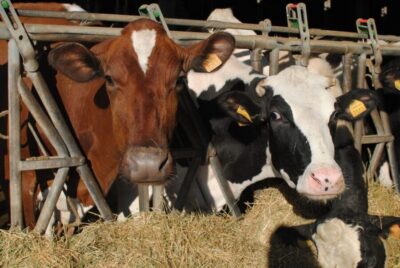
You’ll see the animals (cows, calves, and the taurus mentioned in the production flow), the milking setup, and then the transformation process. It’s not only about looking at cheese wheels. The point is to understand how the inputs and timing shape the final flavor.
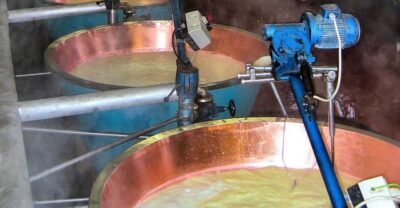
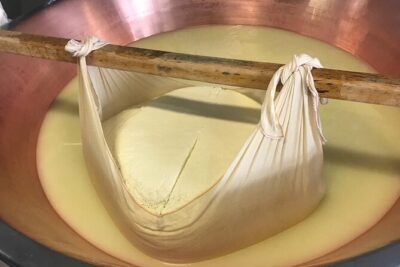
A big highlight here is the manual making side. Parmigiano Reggiano depends on tradition and technique, but also on effort—regular hands-on work and careful steps. Getting to watch that process makes the final taste feel earned, not random.
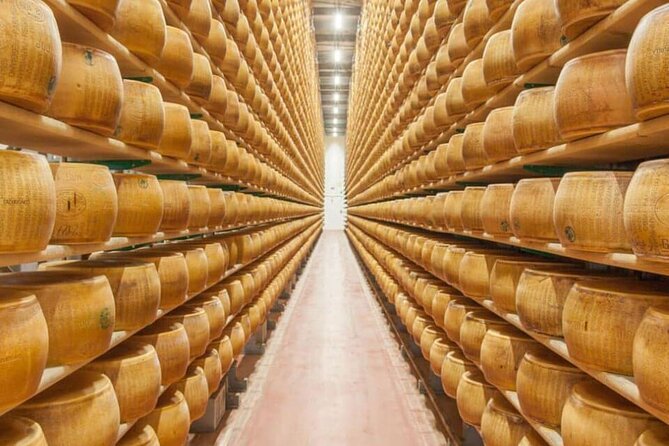
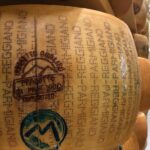
Also, there’s something very satisfying about being in the kind of storage area that treats Parmesan wheels like a reference library—so many ages and textures in one place. It helps you understand why “Parmigiano” doesn’t mean one flavor; aging changes everything.
Good to know: the first stop lasts about 1 hour 30 minutes, and admission is included, so you’re paying for access and education, not just a scenic walk.
Acetaia Malagoli Daniele: Traditional Balsamic DOP is a patience product
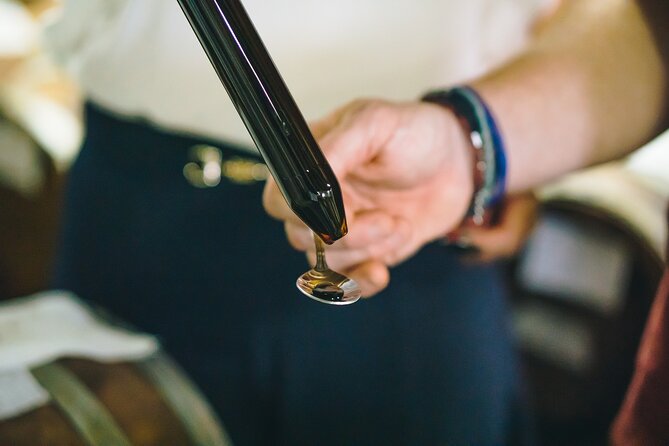
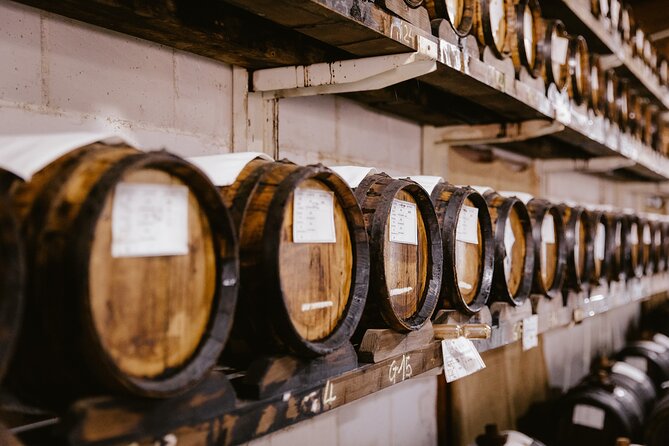
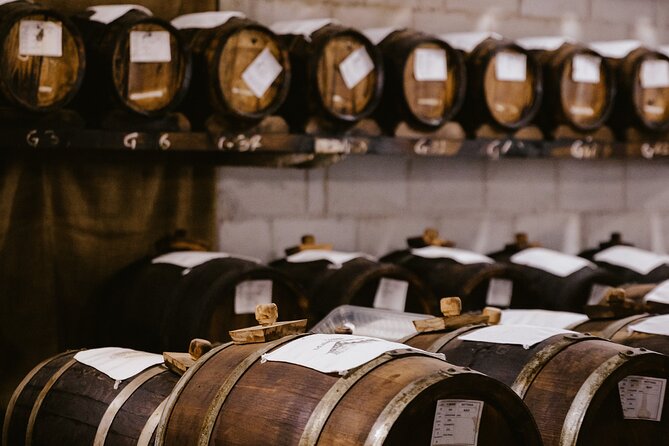
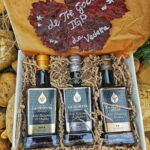
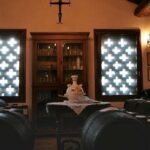
Your second stop is Acetaia Malagoli Daniele, an acetaia in the countryside outside town. This is where the traditional balsamic vinegar of Modena is aged for years, using the methods that have been kept alive through generations.
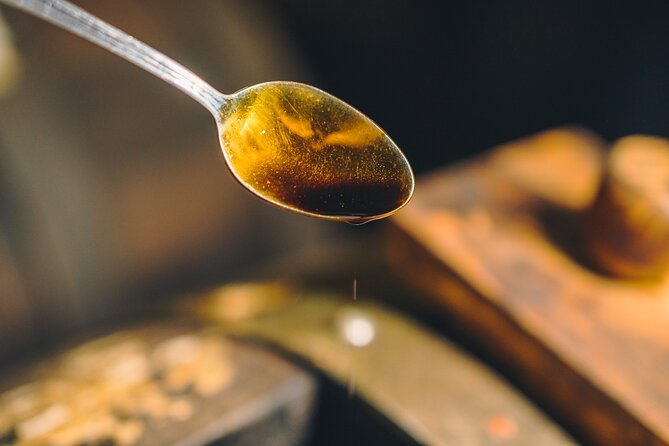
The key idea you’ll take home is that traditional balsamic isn’t just “vinegar you buy.” It’s a long aging process that develops complexity over time. Walking through the place where casks are stored gives you that immediate sense of what patience does to aroma and flavor.
You’ll also learn why this product has stayed limited. Traditional balsamic vinegar of Modena DOP has historically been tied to family production, rather than becoming an easy commercial commodity you can find everywhere. That helps explain why many visitors never encounter it until they’re standing right in the aging rooms.
The stop runs about 1 hour 30 minutes with admission included, which matters because you’re getting the explanation and access, plus tastings rather than only a surface-level overview.
IGP vs DOP: what you’ll learn and how it changes what you taste
One of the most useful parts of this experience is the clear breakdown of the two balsamic products that often get mixed up.
In the Modena market you’ll typically hear two names that sound similar but refer to different products under Italian law:
- Balsamic vinegar of Modena IGP
- Traditional balsamic vinegar of Modena DOP
Even though both are good, the differences are real. You’ll get help understanding that they differ in ingredients, ages, making processes, and the origin of the grapes. That’s not just label trivia. It affects how the vinegar smells and tastes, and how it works in food.
In practice, I like that you’re not just told the difference—you’re set up to understand it through guided context and on-site tasting. Once you hear the story and taste along the way, the labels stop being confusing and start being useful.
What tastings and snacks add up to (and why it’s good value)
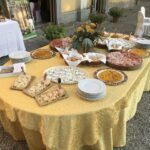
This tour includes snacks, bottled water, and coffee and/or tea, and tastings are part of what you’re doing at both sites. That’s important for two reasons.
First, it helps you stay comfortable during a morning tour that includes time on-site in the countryside. Second, it turns the experience into something you can actually evaluate with your own senses. When you leave with stronger taste memory, you shop smarter back home.
Your price is listed at $154.13 per person for about 4 hours, and admission tickets at both locations are included. That makes the cost easier to justify: you’re paying for access to two specialized producers, plus time with an English guide, not only transportation.
The main cost caveat is transportation between stops. This isn’t a one-stop city walk. It’s a real country outing, so plan for how you’ll get from Via Francesco Baracca, 6, 41013 Castelfranco Emilia to Via Celeste, 9, 41013 Castelfranco Emilia.
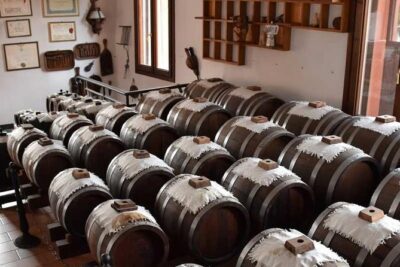
Into a Modena acetaia to taste barrel-aged balsamic.
Group size and guide style: what to expect from the day
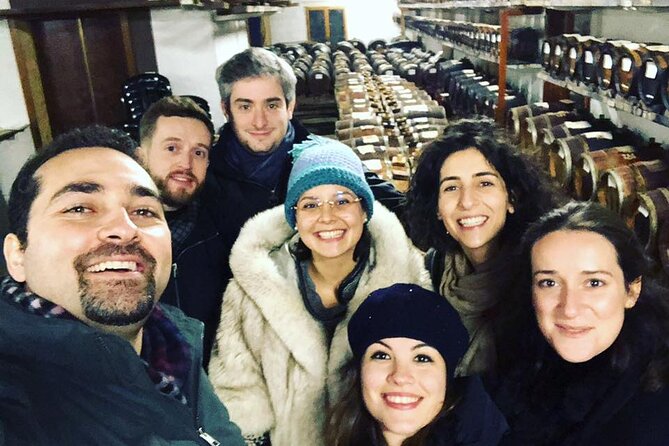
This experience caps at 15 travelers, which is the sweet spot for small-group food tours. You’re close enough to hear explanations, and there’s enough time for questions without the schedule feeling crushed.
The English-speaking guidance is a big plus if you’re not fluent in Italian. And based on what’s consistently praised, the guide role here matters: people highlight guides who can explain both the cheese-making side and the balsamic aging side in a way that’s engaging and practical, including lots of Q&A.
If you’re the type who asks follow-ups—why this step matters, what aging changes, how the products differ—this tour format supports it.
Logistics you should plan before you book
- You start at 8:30am and the tour runs about 4 hours.
- The tour happens at two different locations, both in the countryside, so you need transport.
- Transportation is not included. The operator notes you can arrange a transfer if you don’t have a car, with example prices listed: €65 from Castelfranco Emilia train station, €106 from Modena, and €165 from Bologna. Payment is handled directly with the driver, not through the tour service.
- Dress for practical walking: the note specifically says heels and flip flops aren’t recommended.
A small thing that affects your day: this tour also gives you time for purchases. One practical tip is to think about luggage space before you go shopping, because once you taste something truly good, you’ll want bottles (and possibly cheese).
Who this tour is best for
This works especially well if you:
- want authentic production you can see firsthand, not a quick tasting room visit
- love food that comes from long processes (milk-to-wheel and years-to-cask)
- care about the real difference between similar-sounding products, especially IGP vs DOP
- want a manageable half-day that still feels like a highlight
It may be less ideal if you:
- have tight mobility limits or dislike countryside walking (comfort footwear matters)
- can’t solve the transportation gap between the two stops
Families can fit too, since it’s built around guided education plus tasting, but you’ll still want to make sure kids are ready for a morning start.
Should you book this Modena experience?
If you want to understand Modena through two of its most important flavors, this is a strong choice. The combination of hands-on Parmigiano Reggiani production and the Traditional Balsamic DOP aging story gives you a more complete picture than doing either one alone.
I’d book it if you’re willing to handle the transport planning (or pay for a transfer) and you’ll use the tastings as part of how you learn. If you’re hoping for a purely urban, no-walking itinerary with everything included, you might find the countryside logistics annoying.
Overall, this is the kind of tour that can change how you shop for cheese and balsamic later. And that’s the real value: not just buying products, but understanding what you’re tasting.
FAQ
How long is the tour?
The tour lasts about 4 hours.
Where does the tour start and end?
It starts at Caseificio BIO Reggiani, Via Francesco Baracca, 6, 41013 Castelfranco Emilia, and ends at Acetaia Malagoli Daniele, Via Celeste, 9, 41013 Castelfranco Emilia.
What’s included in the price?
Admission tickets at both stops are included, along with snacks, bottled water, and coffee and/or tea. The tour price is $154.13 per person.
Do I need transportation to join this experience?
Yes. Transportation between the two countryside locations is required, and transportation is not included. If you don’t have a car, you can arrange a transfer for an extra cost, paid directly to the driver.
What’s the difference between Balsamic vinegar of Modena IGP and Traditional balsamic vinegar of Modena DOP?
They are different products under Italian law. The experience explains that they differ in ingredients, ages, making processes, and grape origin. Traditional balsamic vinegar of Modena DOP is limited and historically tied to family production, while IGP is a different designation.
Is free cancellation available?
Yes. You can cancel up to 24 hours in advance for a full refund.
More Modena Balsamic Cellars
More Parmigiano and Parma Ham Tours

More Tour Reviews in Modena

After something different? More ways to fill a day in Bologna and across Emilia-Romagna
Parmigiano Reggiano & Parma Ham Tours, compared.
 ★ 5.0Tour Parmigiano Reggiano dairy and Parma hamFrom $151601 reviews
 ★ 4.9Parmigiano Production and Parma Ham Tour & TastingFrom $126554 reviews
 ★ 5.0Guided group tour TastyBus: Parmesan Cheese and Parma HamFrom $169241 reviews
 ★ 4.9Traditional Cheese Factory Visit with TastingFrom $82225 reviews
 ★ 4.9Parmesan, Parma Ham & Balsamic Vinegar TourFrom $220187 reviews
 ★ 5.0Parmigiano Cheese, Parma Ham and BalsamicFrom $205166 reviews
 ★ 4.8Parmigiano and Parma Ham Guided Food TourFrom $134144 reviews
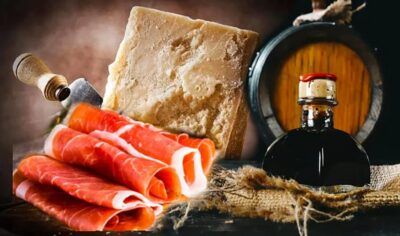 ★ 4.9Cheese, Ham, & Balsamic Vinegar Tour with TastingsFrom $181143 reviews
Browse the lists this tour appears in