
Reviewed · BOLOGNA FOOD TOURS & THE QUADRILATERO MARKET
2 Hours Guided Walking Tour in Parma with Culinary Stop
Parma starts to make sense fast on this short guided walk. What I like most is how the tour pairs city landmarks with real food stops, and how the guide pulls in the little-noticed bits (legends, symbols, and odd details) that turn stone into a story. You also get a focused route that helps you understand why Parma feels the way it does, even if it’s your first day.
My one caution: cathedral entry can cost extra if the group is larger than 5, and the tour is only about two hours—so it moves. If you want long museum time, plan that separately.
In This Review
- Key highlights at a glance
- A Parma two-hour plan that mixes legends and lunch
- Roman arches and the Sottopasso del Ponte Romano
- Piazza Ghiaia: the market square shaped by water and war
- Palazzo della Pilotta: scars in the courtyard and Spalla Cotta
- Cattedrale di Parma: politics in sculpture, Correggio’s dome, then Parmesan
- Piazza Giuseppe Garibaldi: the brick measure and anolini for the finish
- What’s included (and why the tastings fit the story)
- Price and value: is $69.14 worth it?
- The guides: passion matters more than scripts
- Who should book this Parma walking tour
- Should you book this Parma food-and-history walk?
- FAQ
- How long is the Parma guided walking tour?
- What food and drink are included?
- Is the cathedral entrance included?
- Where does the tour start and end?
- How big is the group?
- Does the tour depend on weather?
Key highlights at a glance
- Main sights, not random streets: Roman arches, Piazza Ghiaia, La Pilotta, the cathedral area, and Piazza Garibaldi
- Tastings tied to what you’re seeing: herb pie, Lambrusco, Spalla Cotta, Parmesan, and anolini
- Small group size (max 10): easier questions, less waiting around
- A guide who explains the symbolism: from political meanings in sculpture to why the dome shocked citizens
- Good starter tour for first-timers: it gives you a mental map and food cues right away
A Parma two-hour plan that mixes legends and lunch
If you like your travel with a side of eating, this Parma walk is a great fit. It’s only about two hours, but it’s packed with “oh, that’s why” moments—history you can actually point to as you walk, not just facts you forget five minutes later.
The tour also has a smart pacing: short strolls, quick context at each key stop, and a tasting when your brain is ready for a break. I like that it doesn’t pretend Parma is only one thing. Roman traces sit near market stories, then you’re in the zone for cathedral art, and suddenly the food makes sense.
And yes, there’s wine. You get a welcome glass of Lambrusco, but you’ll only be served if you meet Italy’s legal drinking age of 18.
More tastings through the Quadrilatero and the old market stalls.
Roman arches and the Sottopasso del Ponte Romano
You start at the oldest layer of the city: the Roman arches at Sottopasso del Ponte Romano, tied to what’s known as Pons Lepidis. This is a strong opening because it sets the tone. Instead of beginning with a postcard view, you begin with a place that shows how Parma evolved over time.
The guide’s focus here is on continuity—how you can move from Neolithic references to Roman construction, and then into what you can still see today. You’ll also hear about rediscovery stories tied to the forgotten bridge, which matters because it explains why some sites feel “hidden in plain sight.”
What you’ll notice: you’re standing near structures that have survived multiple eras. That makes later buildings and symbols feel less random.
Small watch-out: this is a stop that rewards listening. If you’re the type who wants every photo first, take a couple quick shots, then let the explanation land.
Piazza Ghiaia: the market square shaped by water and war
Next comes Piazza Ghiaia, and the tour treats it like a timeline. The explanation starts with something basic—river pebbles—and then moves outward to how buildings and city life changed. You’ll also see how bombing affected what was there, and you’ll connect that to the square’s role as a market space since the late 1200s.
It’s the kind of stop where the square looks obvious, but the meaning isn’t. The guide uses historical images to show the changes over time. That helps you read the space instead of just walking through it.
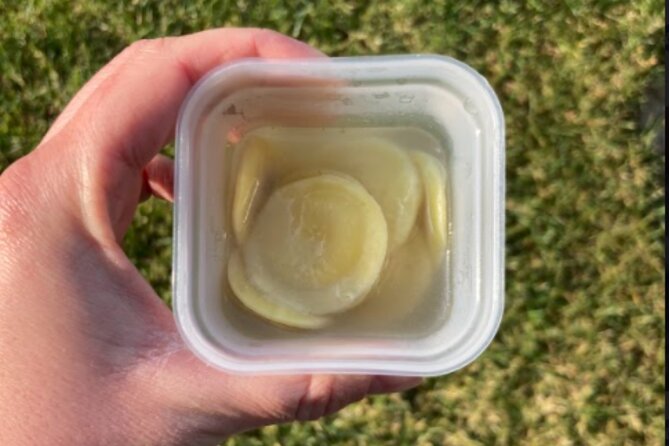
Then the first culinary moment hits, and it fits the theme perfectly: torte d’erbe and Lambrusco. The idea is straightforward: Parma’s tastes are tied to place. In this case, you’re sampling flavors that connect to the river that helped shape the area’s earliest life.
Why this works: eating here isn’t just a snack. It’s a clue to Parma’s identity—herbs, tradition, and a wine that’s meant to be enjoyed, not saved.
Palazzo della Pilotta: scars in the courtyard and Spalla Cotta
At Palazzo della Pilotta, you step into a big, expressive space and the tour focuses on contrasts. The courtyard is used to point out physical scars left by wars, and then you look outward to Renaissance arcades—like the spot where Basque Pelota was played. Yes, that sports connection sounds unexpected, but that’s the point: Parma isn’t only Italian. It’s been shaped by what crossed it.
You’ll also hear about sculptural details that seem almost alive in their form and about a Monument to Verdi with a story behind it. Even if opera isn’t your thing, the guide’s framing makes you see the monuments as part of how a city remembers itself.
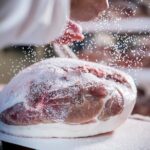
This is where your second tasting arrives: Spalla Cotta. Having it here makes sense because the tour is moving from architecture and memory into food culture—what Parma preserves through centuries.
How I’d pace it: take a few minutes, slow your steps, and don’t rush the courtyard. This stop is where the walk turns from sightseeing into story.
Cattedrale di Parma: politics in sculpture, Correggio’s dome, then Parmesan
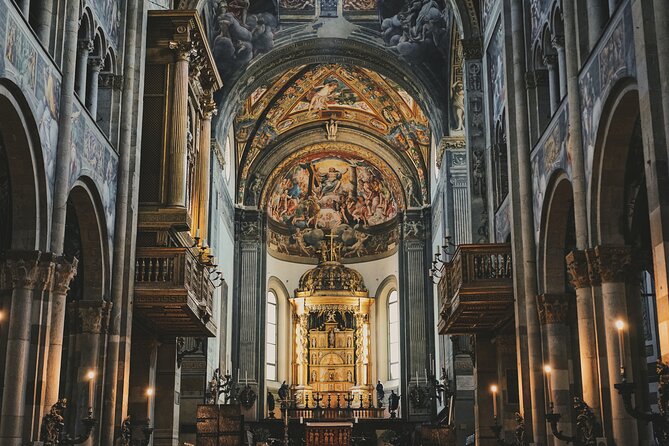
The cathedral area is the emotional center of the route. The tour starts with the square and its traditions, then shifts up to the facade where you’re encouraged to notice what’s there—and what you might expect but don’t see. That discussion matters because you’re learning to read art like a message, not just decoration.
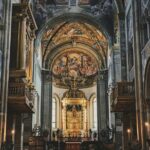
From there you move toward the cathedral interior. Expect a focus on frescoes in the central nave and the guide’s explanation of why certain artistic choices carried political weight. It’s not a dry lecture. The guide steers you toward watching with intention.
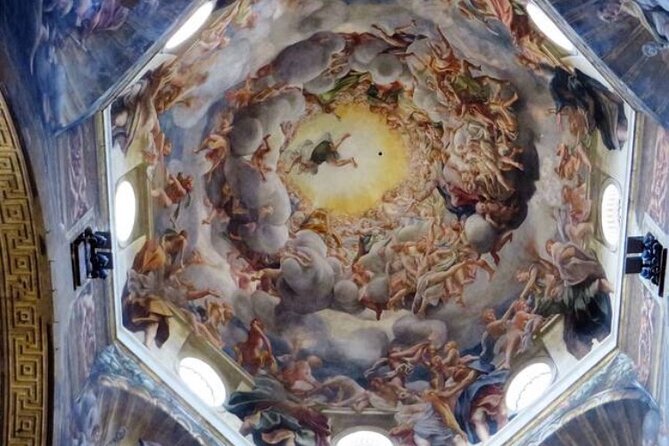
Then comes one of the most talked-about moments: the stairway to admire Correggio’s masterpiece in the dome. The tour explains why it caused such a sensation that it even scandalized citizens. That line alone is a reason to care—because it tells you this art wasn’t always “accepted.” It was debated.
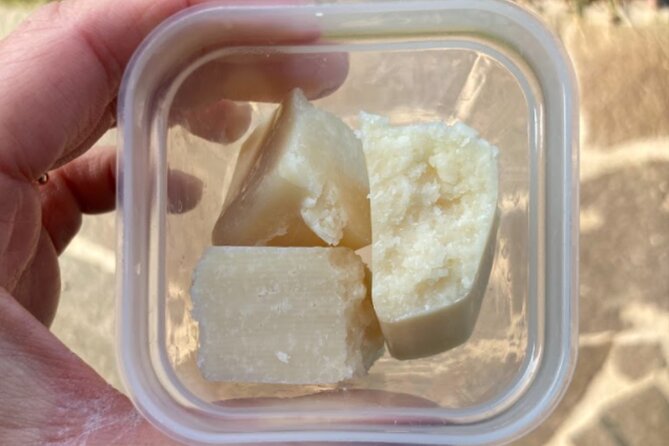
After the cathedral part of the experience, you get the third culinary stop: Parmesan. This is the moment where the tour delivers on Parma’s most famous product. But instead of treating Parmesan like a souvenir, it’s presented as a payoff to everything you just learned about tradition, craft, and local identity.
Extra cost to know: entrance to the cathedral is not included if the group is larger than 5. In that case, it’s €2 per person.
Practical tip: wear shoes you can stand in. Cathedral steps and viewpoints are part of the experience.
More of the old town on foot, towers and squares and back streets.

Piazza Giuseppe Garibaldi: the brick measure and anolini for the finish
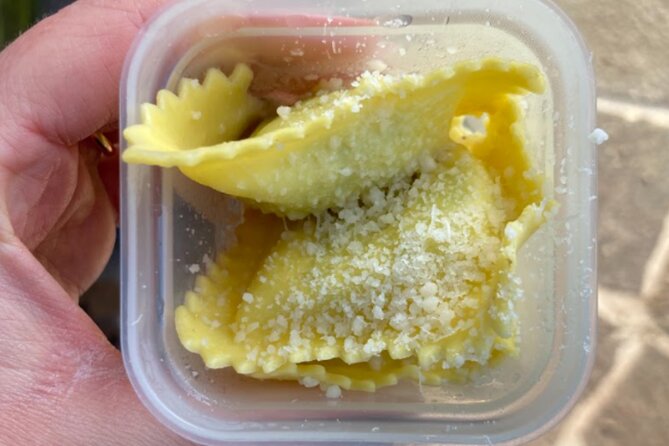
You end on Piazza Giuseppe Garibaldi, where the tour leans into scale and measurement. The big open space can feel overwhelming at first, but the guide anchors it with details like the brick of Parma, an ancient measure tied to how people built and understood the world around them.
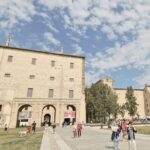
From there, you get a 360-degree sweep of landmarks: the Governor’s Palace area (including details about its “muggings”), the medieval Palazzo del Comune, and the portici. You’ll also play a small “spot the past” game—guessing where the old civic tower was—and you’ll revisit the idea that Parma layers eras on top of each other.
Then the walk closes with the final gastronomic stop: anolini. These small stuffed pastas are one of those dishes that can feel simple until you’ve had them the right way in the right place. Ending here turns the tour into a full circle: you started at Roman roots, and you finish with one of Parma’s most comforting staples.
It’s also a good way to transition into your next meal. When the tour ends, you’re in a part of town where you can keep eating without feeling like you need a map app and a prayer.
What’s included (and why the tastings fit the story)
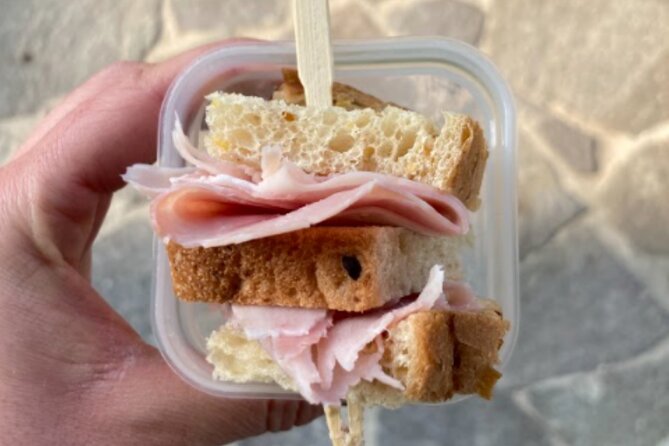
This tour includes snack samples of Parma’s flavors, specifically torte d’erbe, cooked shoulder, Parmesan, and anolini. You also get a welcome glass of Lambrusco.
I like how the included foods are not random. Each one lines up with a stop:
- Herbs and river symbolism at Piazza Ghiaia
- Local pork traditions at La Pilotta
- Parmesan at the cathedral zone
- Anolini at Piazza Garibaldi
So you’re not just eating because you’re hungry. You’re eating because the guide gave you a framework for what to look for.
Also, since the group is capped at 10 people, the tastings don’t feel like you’re trapped in a long line. It’s more like a guided pause.
Price and value: is $69.14 worth it?
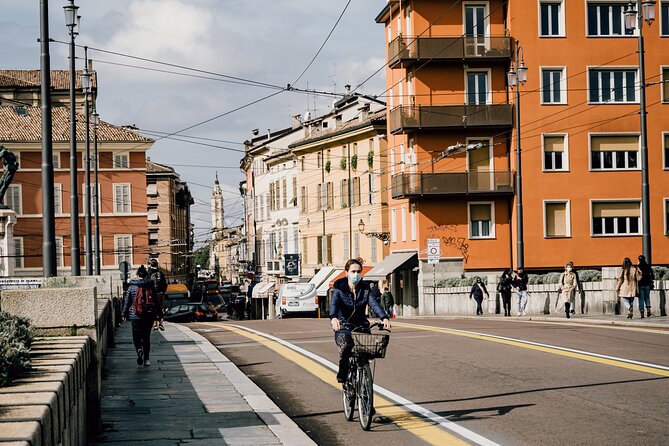
At $69.14 per person, this tour isn’t the cheapest thing in Parma. But it’s also not overpriced for what it includes. You’re paying for three things at once:
- A curated walking route through major sights
- Food tastings that cover multiple local specialties
- A guide who connects symbols and stories to what you’re seeing
Two hours can sound short, but it’s enough time to get a real first impression. And those tastings are doing real work—they give you flavors that become reference points for the rest of your trip. If you’re planning to eat your way around Parma anyway, the tasting component turns into better value than a basic sightseeing walk.
One more value point: the tour uses mobile tickets, and it’s described as easy to join for most people. That makes it simpler to fit into a day.
The guides: passion matters more than scripts
This experience is led by Giulia Muratori, and the quality of the tour clearly depends on the guide. In past departures, I’ve seen names like Marco, Guiglia, Lorenzo, and Giulia tied to this kind of walking-and-eating experience.
What stands out from those guide notes is not just facts—it’s the tone. The best guides here worry about doing the tour in English, explain clearly, and connect food to history without making it stiff. That’s the difference between hearing about Parma and actually feeling it.
If you want a tour where you ask questions and get answers that change how you look at a building, this is the right style.
Who should book this Parma walking tour
This is a strong match if:
- You’re in Parma for a short time and want a starter route
- You enjoy guided explanations tied to what you can see
- You want local food stops that aren’t just generic tourist bites
- You like small groups and a more personal pace (max 10)
You might skip it (or add a slower day alongside it) if:
- You want a museum-level pace at the cathedral or other major sites
- You dislike walking with multiple short stops
- You’re very strict about wine and want zero alcohol involved (the Lambrusco is included, though only served to age-eligible guests)
Should you book this Parma food-and-history walk?
Yes, if you want a fast, flavorful way to understand Parma. The tour does a rare thing well: it connects landmarks to dishes so your meal feels earned, not random. You get Roman roots, market-square change, a war-scarred courtyard, Correggio’s dome moment, then Parmesan and anolini to close.
If you’re unsure, I’d base your decision on one question: do you enjoy learning while walking and eating? If the answer is yes, this is a very practical way to start your Parma trip.
FAQ
How long is the Parma guided walking tour?
It lasts about 2 hours.
What food and drink are included?
You get snack samples including torte d’erbe, cooked shoulder, Parmesan, and anolini, plus a welcome glass of Lambrusco.
Is the cathedral entrance included?
Entrance to the cathedral is not included if the group exceeds 5 people. In that case, it’s €2 per person.
Where does the tour start and end?
It starts at Bar Tubino on Strada Giuseppe Mazzini, 43G, Parma, and ends on Strada Luigi Carlo Farini (Via Farini), where you can keep exploring for local specialties and wine.
How big is the group?
The tour has a maximum of 10 travelers.
Does the tour depend on weather?
Yes. It requires good weather, and if it’s canceled due to poor weather you’ll be offered a different date or a full refund.
More Bologna Walking Tours
More Bologna Food Tours and Market Walks
More Tour Reviews in Parma

After something different? More ways to fill a day in Bologna and across Emilia-Romagna
Bologna Food Tours & the Quadrilatero Market, compared.
 ★ 5.0Bologna Food & Market Tour with 6 Tastings, Pasta, Wines & MoreFrom $1181,328 reviews
 ★ 5.0Bologna Food Experience: Factory tours & Family-Style LunchFrom $2161,201 reviews
 ★ 4.8Walking Food Tour with a Local GuideFrom $90882 reviews
 ★ 5.0Bologna Food Tour from a local perspectiveFrom $133860 reviews
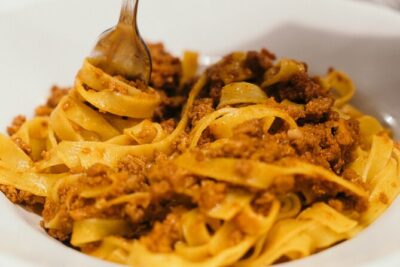 ★ 5.0Bologna gastronomic experience with a localFrom $95626 reviews
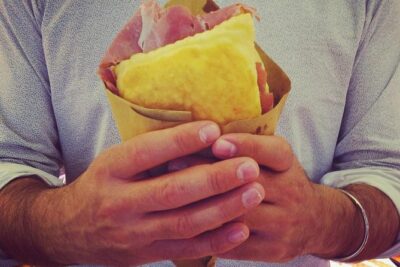 ★ 5.0Private Half Day Parma Food Walking TourFrom $134561 reviews
 ★ 3.7Open Bus City Tour and Local Food TastingFrom $46550 reviews
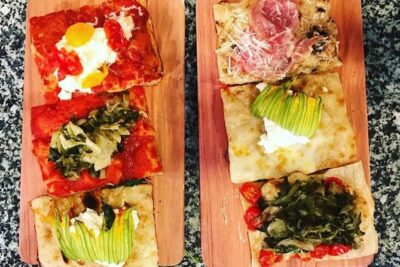 ★ 5.0Full meal Food Tour with Local Delights by Do Eat BetterFrom $81541 reviews
Browse the lists this tour appears in