
Reviewed · BOLOGNA WALKING TOURS & CITY HIGHLIGHTS
Parma Classic Walking Tour
Parma gets interesting fast once you start walking. This 2.5-hour private tour connects big-ticket monuments to the story behind Parma ham and Parmesan. I like that it’s built around the city’s key squares and power centers, not just a grab-bag photo stop, but the one drawback is the dress code for churches and some museums—skip it and you may be refused entry.
What makes this tour work is the format: you’re with a certified guide and you move at a human pace, with time for questions and discussion. It’s not a long slog, and the itinerary loops back to the meeting point, so you stay grounded even if you’re still figuring out Parma. If you’re mobility-limited, though, it’s not suitable.
If you want a clear, high-value walking route through Emilia-Romagna’s ducal core, this is a smart way to do it. You’ll see major sights tied to the Farnese and Bourbon eras, and you’ll learn how local taste became a global brand. I think you’ll appreciate the structure when the city is otherwise a bit of maze—streets, churches, and palaces all competing for your attention.
In This Review
- Key highlights to look forward to
- Parma’s ducal power, seen on foot
- Meeting at Piazza Giuseppe Garibaldi: timing and pacing
- Pilotta’s Palace: why this complex matters
- The Farnese Theater: artistry you can feel
- Roman Bridge and Piazza Garibaldi: walking the city’s spine
- Santa Maria della Steccata: church stop with real practical impact
- Piazza Duomo: Cathedral and Baptistery under one umbrella
- Price, group style, and whether it’s good value
- Who should book this walking tour
- Should you book the Parma Classic Walking Tour?
- FAQ
- How long is the Parma Classic Walking Tour?
- Where is the meeting point?
- Is the tour private?
- What sights are included?
- What languages is the live guide available in?
- What’s included in the price?
- Is there a dress code?
- Is it suitable for people with mobility impairments?
- What’s the cancellation and payment flexibility?
Key highlights to look forward to
- Piazza Garibaldi as a true starting anchor for the center of Parma
- Pilotta’s Palace and the larger ducal complex story in one stop
- Farnese Theater for a rare dose of dramatic design and cultural history
- Roman Bridge for views and a shift from marble interiors to street-level Parma
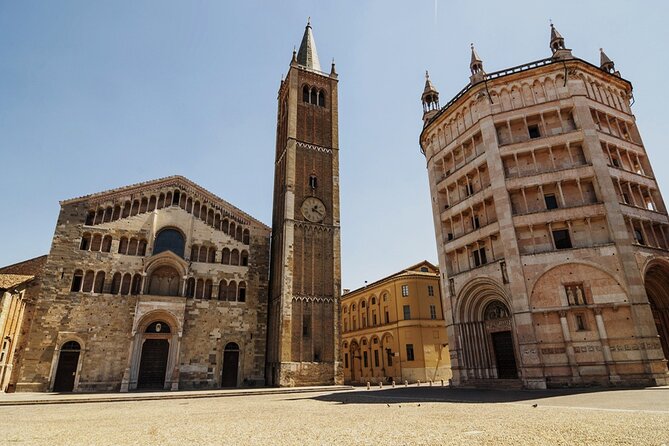
- Piazza Duomo with the Cathedral and its Baptistery
Parma’s ducal power, seen on foot
Parma is one of those Italian cities where food and art are not separate topics. The tour frames the city through its Farnese and Bourbon past, then shows how that legacy feeds today’s identity—especially the world-famous reputation for Parma ham and Parmesan cheese. That theme matters because it gives you a reason to care about what you’re looking at, not just a list of places.
You’re walking through the city’s “power geography.” Squares and major monuments aren’t random—they show where ruling families commissioned buildings, where public life gathered, and how prestige got displayed. Even if you’re not a history nerd, you’ll feel the logic once the guide starts connecting the dots between palaces, theaters, and religious spaces.
This is also a good city for a walking tour because you’re not required to sprint from site to site. The duration is 2.5 hours, which is long enough to feel like you toured, but short enough that you can keep your day plan flexible afterward.
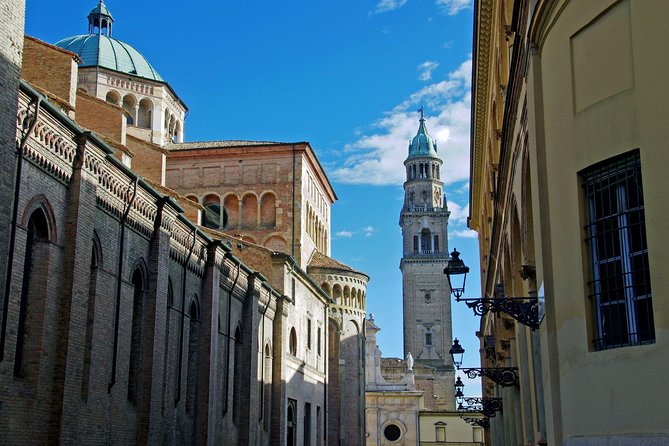
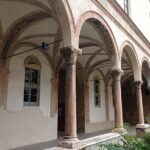
More of the old town on foot, towers and squares and back streets.

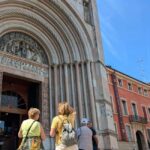
Meeting at Piazza Giuseppe Garibaldi: timing and pacing
You meet at Piazza Giuseppe Garibaldi 19, 43121 Parma, near Bar Le bistrò. That matters because it puts you right in the center of action, not out at the edge of town where you’d need extra transit. The tour ends back at the meeting point, which is convenient if you want to continue shopping, grab gelato, or find lunch without re-orienting.
The tour is a private group, so you’re not stuck in a herd. In practice, that tends to mean the guide can keep questions moving and adjust the pace to the group. One of the best signals from past experiences is that the pace felt right, and the guide was able to keep conversation going beyond just the headline sights.
You’ll want comfortable shoes because you’re doing a city walk with stops. Bring a sun hat if the day is bright, and dress for walking as much as for interiors.
Pilotta’s Palace: why this complex matters
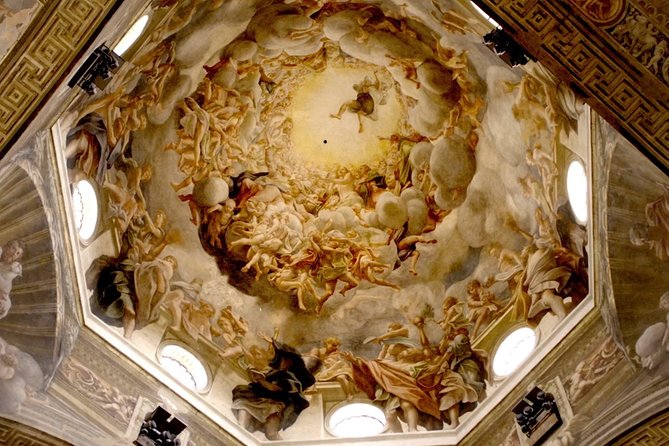
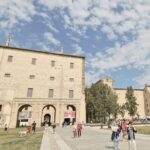
One of the standout stops is the Pilotta’s Palace. This is one of those places that works best when someone gives it context, because large historic complexes can feel like they blend into each other when you’re looking solo. Here, the tour positions it within the story of Parma’s ducal influence—how rulers built spaces that signaled status, culture, and permanence.
Even without going too far into museum-level details, you’ll get the big picture: why this palace sits where it does and what role it played in the city’s evolution. The value is that the guide connects architecture to intention. That’s the difference between seeing a building and understanding why it’s there.
A practical note: the tour also includes churches and selected museums. That means you should plan your outfit accordingly from the start. Shorts and sleeveless tops are not allowed, and both men and women must cover knees and shoulders to avoid being turned away.
The Farnese Theater: artistry you can feel
Next up is the Farnese Theater, one of Parma’s signature cultural sights. A theater isn’t just a pretty facade—it’s a designed experience, built for watching, hearing, and being seen. On a walking tour, this stop hits well because you’re shifting from “palace complex” to “performance culture,” and the guide can explain what the theater represents within the ducal story.
If you like architecture, design, or anything theatrical, this is the kind of stop where you’ll start noticing details instead of just moving on. The theater also gives the tour variety: you’re not only looking at stone exteriors and church fronts. You’re getting a glimpse of the arts as part of how this city carried its prestige.
The length of the tour is short enough that you won’t feel dragged through long indoor sections, but structured enough that the theater doesn’t become a quick photo moment. It lands as a real highlight.
Roman Bridge and Piazza Garibaldi: walking the city’s spine
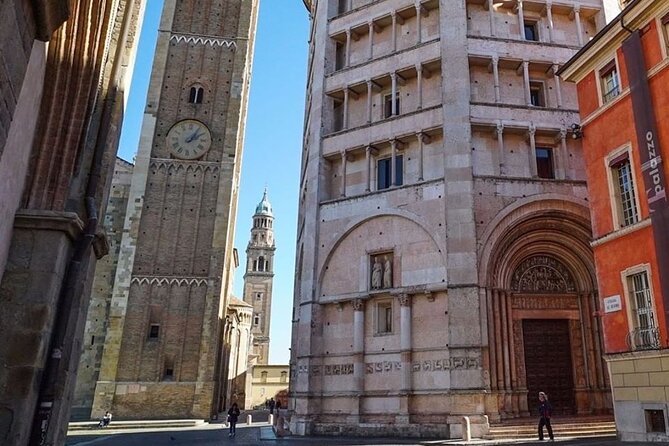
After the palace-and-theater sequence, the tour brings you back into street rhythm with the Roman Bridge and Piazza Garibaldi. Bridges are useful in a walking tour because they change your perspective quickly. You’ll get a sense of how the city connects itself, not just how it decorates.
At Piazza Garibaldi, you’re in a central civic space where the city’s flow makes more sense. This stop supports the tour’s theme: Parma’s identity isn’t only tucked into museums and churches—it shows up in squares where people gather and life moves.
I like that this part of the route gives you a breather between heavier historic stops. It’s the moment where your mind starts to map the city layout: where monuments cluster, which routes link them, and how Parma’s center hangs together.
If you’re the type who likes to keep exploring after the tour, this is a helpful orientation point. You’ll know where you are and how to navigate onward.
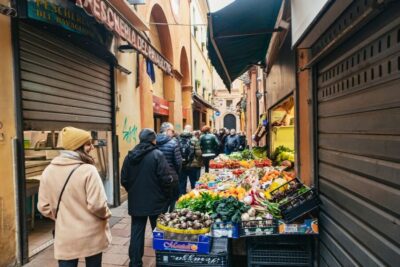
Time on foot through the Modena and Parma old towns.

Santa Maria della Steccata: church stop with real practical impact
The tour includes the Church of Santa Maria della Steccata. This kind of stop is where the dress code becomes a make-or-break detail, and it’s worth planning for early rather than hoping for the best at the door.
The requirement is clear: no shorts or sleeveless tops, and knees and shoulders must be covered for both men and women. If you show up without that, you risk being refused entry. On days when you’re wearing “vacation comfortable” clothes, it’s easy to forget how strict churches can be.
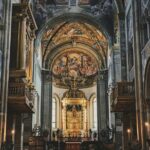
What you’ll get here is a shift into Parma’s religious and artistic identity. The guide helps you read the place, and that’s usually what makes church stops worth it—learning how to look instead of just passing through.
Piazza Duomo: Cathedral and Baptistery under one umbrella
The tour’s final big anchor is Piazza Duomo, where you’ll admire the Cathedral and its Baptistery. Piazza Duomo is one of those classic Italian settings where everything feels purposeful: the square acts like a stage, and the buildings frame the experience. Even if you’ve seen cathedrals in other cities, the guide’s focus on Parma’s context helps you notice what’s distinctive here.
This stop is valuable because it gives you the city’s centerpiece in a controlled way. You’re not wandering for an hour trying to figure out what matters most. Instead, you get a guided approach that tells you where to look and why it’s important.
The Baptistery is particularly interesting because it often tells its own story—separate from the main cathedral, but still part of the same spiritual complex. On this tour, it’s included as a named highlight, not something you’d miss if you were only glancing around.
Again, the dress code rule applies strongly in these settings. If you’re traveling in warm weather, consider packing a light layer that covers shoulders and reaches past the knee. It will save you stress and protect your schedule.
Price, group style, and whether it’s good value
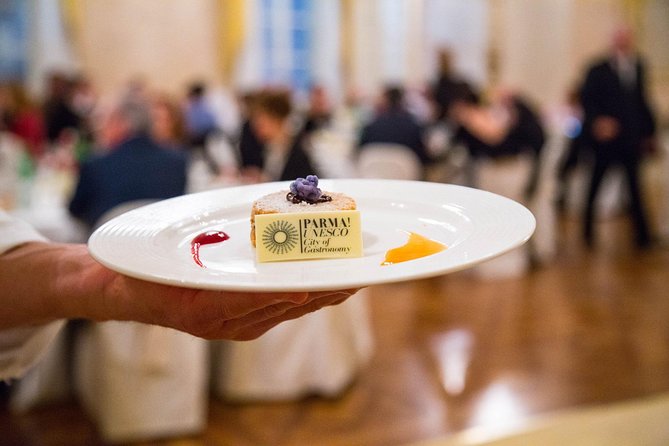
The tour costs $152.93 per person and runs 2.5 hours. That’s not a budget price, so the key question is what you get for it: a certified tour guide, a private group, and a route that hits major landmarks tied to Parma’s ducal story. For many people, the value is in the curated order and the guide’s ability to connect what you see—palaces, theater, bridge, churches, and the Duomo—into one consistent narrative.
If you’re traveling with a small group or you prefer a personalized pace, the private format can justify the cost better than a larger-group tour. You don’t have to compete with others for attention, and the guide can keep the conversation going at the right speed.
Also, the languages offered—English, Spanish, Italian, French—help if you want someone who can explain details clearly rather than simplifying everything. That matters when dress code and historical context are part of the experience, because you want instructions and explanations you can trust.
The tour is also useful for time-strapped days. Two and a half hours is a sweet spot in Italian cities: long enough to feel satisfied, short enough to still enjoy Parma afterward on your own.
Who should book this walking tour
This one fits best if you want a structured walk through Parma’s center and you care about how culture connects to identity. It’s especially good for:
- First-time visitors who want major landmarks without turning your day into a logistics puzzle
- People who like historical themes tied to real places, not just names on a sign
- Travelers who prefer a private group and a guide who can answer questions
It’s not suitable for people with mobility impairments, since the experience is explicitly not built for that.
If you’re visiting in hot weather, plan for walking and possible indoor church entry with the right clothing. If you hate dress rules, make sure you bring something that covers knees and shoulders. That one detail can make or break your enjoyment.
Should you book the Parma Classic Walking Tour?
Book it if you want Parma’s highlights connected by a story, with a certified guide keeping the pace right and the conversation open. The itinerary covers the big names you’d want to see—Pilotta’s Palace, the Farnese Theater, the Roman Bridge, Santa Maria della Steccata, and Piazza Duomo—without turning into a marathon.
Skip it if you know you won’t meet the clothing requirements for churches and selected museums, or if mobility issues are a concern. In every other case, this is a solid, value-focused way to get oriented and leave with a clearer picture of why Parma matters—both culturally and through its famous food tradition.
If you book, do one thing: pack the right layers for your shoulders and knees. It’s the fastest path to a smooth tour day.
FAQ
How long is the Parma Classic Walking Tour?
The tour lasts 2.5 hours. Starting times depend on availability.
Where is the meeting point?
You meet at Piazza Giuseppe Garibaldi 19, 43121 Parma PR, Italy, near Bar Le bistrò.
Is the tour private?
Yes. This activity is a private group.
What sights are included?
The tour includes Piazza Garibaldi, Pilotta’s Palace, the Farnese Theater, the Roman Bridge, Piazza Duomo (Cathedral and Baptistery), and the Church of Santa Maria della Steccata.
What languages is the live guide available in?
The live tour guide speaks English, Spanish, Italian, and French.
What’s included in the price?
The tour includes a certified tour guide.
Is there a dress code?
Yes. For places of worship and selected museums, shorts or sleeveless tops are not allowed, and knees and shoulders must be covered for both men and women. Entry may be refused if you don’t meet the rules.
Is it suitable for people with mobility impairments?
No. It is listed as not suitable for people with mobility impairments.
What’s the cancellation and payment flexibility?
You can cancel up to 24 hours in advance for a full refund. It also offers reserve now & pay later, so you can book and pay nothing today.
More Modena and Parma City Walks
More Bologna Walking Tours
More Tour Reviews in Parma


After something different? More ways to fill a day in Bologna and across Emilia-Romagna









Bologna Walking Tours & City Highlights, compared.
 ★ 4.5City Center Walking TourFrom $263,478 reviews
 ★ 4.8Walking Food Tour with a Local GuideFrom $90882 reviews
 ★ 5.0Private Half Day Parma Food Walking TourFrom $134561 reviews
 ★ 3.7Open Bus City Tour and Local Food TastingFrom $46550 reviews
 ★ 5.0Bologna Private Highlights & Hidden Gems Tour with a LocalFrom $77359 reviews
 ★ 4.6City Highlights Walking Tour with Local GuideFrom $17219 reviews
 ★ 4.9City Center Guided Wine Walking TourFrom $70210 reviews
 ★ 4.2City Walking TourFrom $27203 reviews
Browse the lists this tour appears in