
Reviewed · BOLOGNA BIKE, E-BIKE & VESPA TOURS
Bologna Bike Tour with Breakfast
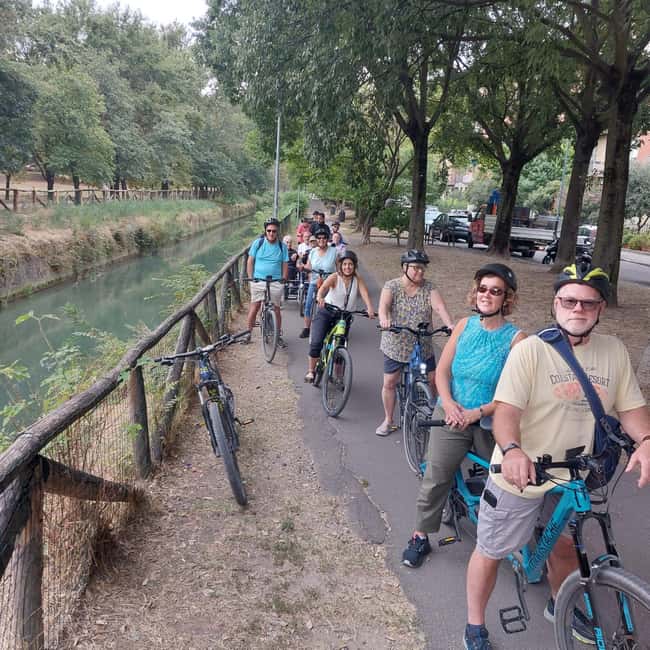
Water runs under Bologna, and you’ll ride it. This bike tour focuses on Bologna delle acque, the city’s water system that powered mills and textile work back in the 12th century, plus you start with a classic Italian breakfast before you set off. I like that the guide turns canal history into real, walk-up-and-look-at-it stops, and I also like that you get an actual morning meal instead of a coffee-and-go plan. One thing to consider: parts of the route mix biking with walking, and the area around San Luca includes hilly viewpoints, so comfortable shoes and a steady pace help.
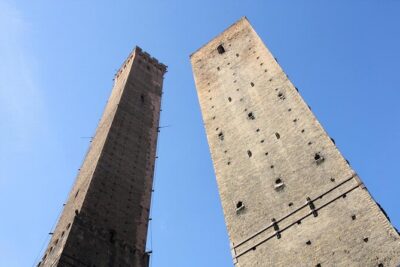
You’ll see water tech and water architecture in the same loop. The stops around the Finestrella of Via Piella, the Antico Porto and dogana daziaria area, and the Centrale idroelettrica del Cavaticcio make Bologna feel like an industrial city with a brain, not just an art postcard. I particularly like how the route connects the underground story (water channels flowing beneath your feet) to visible landmarks like Two Towers and Piazza Maggiore. If you want a pure, flat-city stroll, this may feel a bit more active than you expected.
In This Review
- Key Takeaways Before You Book
- Bologna Bike Tour With Breakfast: Why the Canals Matter
- Start at Slow Emotion: Your Morning Plan in Plain English
- Breakfast and the First Stops: Warming Up for “Water City”
- Finestrella and Piazzetta: Seeing Bologna’s Water Up Close
- Antico Porto and Dogana: How Water Moved Money
- Cavaticcio Hydroelectric Power Plant: Medieval Water to Modern Power
- Opificio delle Acque: The Canal Story in Buildings
- Porta Saragozza and the Medieval Sluice on Torrente d’Aposa
- San Luca Portico Views and the Walkable Bologna Core
- How the Itinerary Feels in Motion (and Where You Might Slow Down)
- Small practical tips I recommend
- Guides Who Make It Click: Luca and Stella’s Style
- Value for Your Time: Why 2.5 Hours Works
- Who Should Book This Bologna Bike-and-Breakfast Tour
- Should You Book It?
- FAQ
- How long is the Bologna Bike Tour with Breakfast?
- Where do I meet the guide and start the tour?
- Is breakfast included?
- What languages are the live guides?
- Is this tour wheelchair accessible?
- What should I bring for the tour?
- Is there free cancellation?
- Can I reserve and pay later?
Key Takeaways Before You Book
- Bologna delle acque focus: you follow the water story from medieval infrastructure to today’s visible spots
- Breakfast first: a typical Italian breakfast gets the morning moving before the ride
- Industrial stops you’ll remember: Centrale idroelettrica del Cavaticcio and Opificio delle Acque bring the canals to life
- Iconic scenery with less effort: Two Towers, Piazza Maggiore, plus the porticoes near San Luca
- Small details, big meaning: places like Finestrella and Piazzetta della Pioggia show the canals at street level
Bologna Bike Tour With Breakfast: Why the Canals Matter
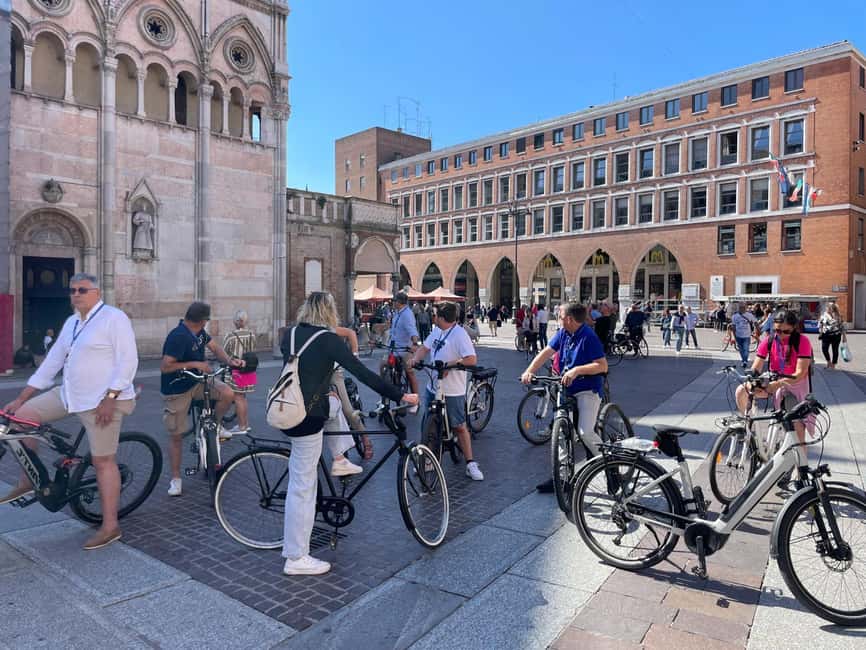
Bologna has a special trick: water isn’t just scenery here. It’s the reason the city grew into a powerhouse of manufacturing, especially textiles. This tour is built around that idea. You trace how Bologna’s canal network—Bologna delle acque—supplied mills, tanneries, and spinning workshops starting in the 12th century. The interesting part is that you don’t just hear a theory. You point, look, and connect the dots between what once powered machines and what you can still see in streets and squares.
I like tours that give you context you can carry later. After this one, you’ll understand why Bologna’s waterways show up in daily life. You’ll also get a better sense of how the city’s prosperity was tied to practical engineering, not only art and churches.
And the breakfast slot is not a throwaway. Starting with a typical Italian breakfast helps this feel like a morning activity with a purpose, not a rushed stop between museums.
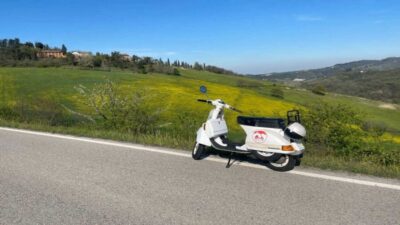
See the city and the hills by bike, e-bike or Vespa.
Start at Slow Emotion: Your Morning Plan in Plain English
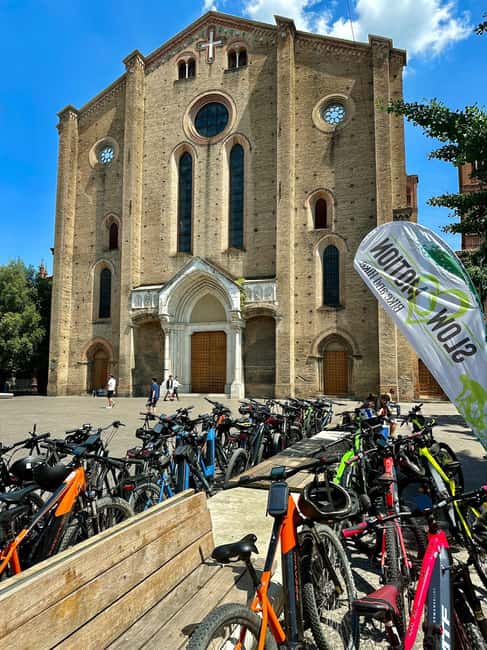
You meet at Slow Emotion Bike Rental at Via Montegrappa 22B (with an entrance also from Via Ugo Bassi 13). It’s a short walk from Piazza Maggiore, which makes the start easy to plug into a day in the center.
From there, the flow is straightforward:
- meet your live guide (English or Italian)
- eat breakfast before the bike portion
- set off on the route that mixes canal-side sights with major Bologna landmarks
Because the tour is 2.5 hours, it fits well if Bologna is your main stop and you want one guided “systems of the city” experience. You’ll be glad you did it early, too, because the canal story makes everything else feel more logical.
One small practical note: bring water, comfy shoes, and a camera. This is the kind of route where you’ll want to stop for quick photos at multiple points, not only one big view.
Breakfast and the First Stops: Warming Up for “Water City”
The tour begins with breakfast right at the bike rental. That matters because the rest of the experience is outdoors and active, even if it’s not a long endurance ride. You’re not just eating to be polite—you’re fueling up for the canal-watching and walking parts.
Then you get your first set of water-focused sights:
- Finestrella of Via Piella
- Piazzetta della Pioggia
These stops are short, but they set the tone. Instead of treating water as background, they show water as a physical feature you can locate in the city. You’ll likely feel a shift as the guide explains how these places connect to the medieval water system. It’s one thing to read about “canals.” It’s another to see how they’re woven into urban space.
Finestrella and Piazzetta: Seeing Bologna’s Water Up Close
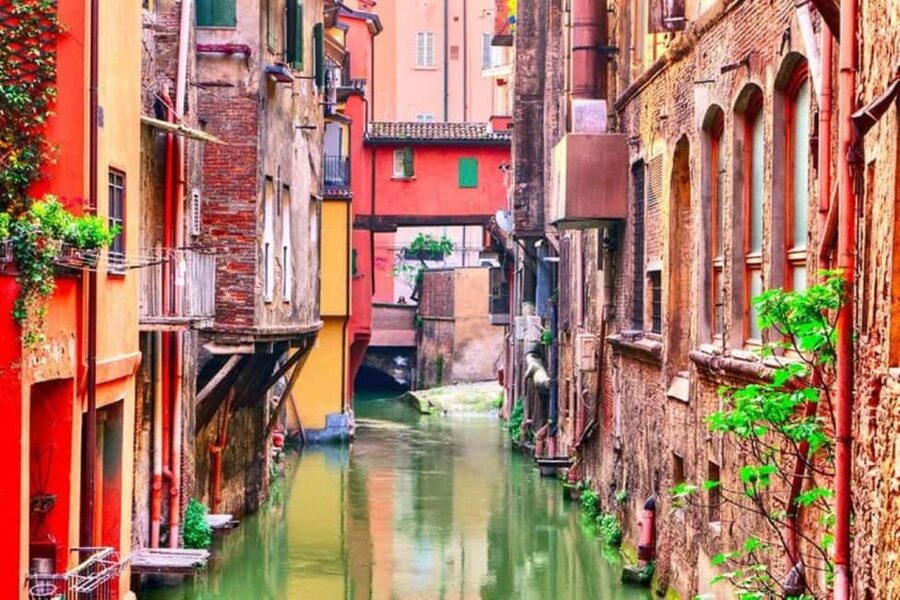
The Finestrella of Via Piella is one of those Bologna spots that makes you slow down automatically. You get a direct look at the canal story at street level, which is exactly what this “Bologna of waters” theme is going for. Even if you’re not a water-nerd, the setting is memorable.
Right after that, you pass the Piazzetta della Pioggia. Think of this as a mood-setting stop. It keeps the tour grounded in the idea that water is part of how Bologna feels—present in corners, not just buried underground.
What I like here is the balance. This isn’t only engineering. It’s engineering with personality. The guide’s job is to tie each site into the bigger system: where the water came from, what it powered, and why it shaped the city.
Antico Porto and Dogana: How Water Moved Money
Next, you move to the Antico porto and dogana daziaria area. This is where the tour widens from canals feeding industry into canals enabling trade. Bologna didn’t just make things. It needed movement—of goods, of materials, and of the business that came with it.
Seeing this port-and-customs area makes the city feel practical. You stop thinking of water as a decorative theme and start thinking of it as transportation infrastructure. That connection helps explain how Bologna became a leading textile center in Italy. The canals didn’t just spin machinery. They supported the whole supply chain around it.
Even if you only spend a brief moment at each stop, this part of the route gives you a big-picture payoff. You’ll leave with the sense that Bologna’s waterways were a business tool, not a side project.
More of the flat roads and the hill climbs by bike.
Cavaticcio Hydroelectric Power Plant: Medieval Water to Modern Power
The Centrale idroelettrica del Cavaticcio is one of the most satisfying stops on the tour because it shows continuity. Water keeps doing work here. The medieval logic—turning water into energy for production—doesn’t vanish. It changes form.
This stop also helps you understand the guide’s narrative rhythm. You go from historic canal purpose to a site where water becomes electricity. That bridge is what makes the tour feel more than a list of landmarks.
If you like “how does this actually function?” explanations, this is the section that will click fastest. And it’s a good reminder that Bologna’s identity isn’t only visible in famous facades. It’s also in systems.
Opificio delle Acque: The Canal Story in Buildings
Then you reach the Opificio delle Acque. The name alone points to what you’re meant to notice: this is a place tied to production and water. In other words, this isn’t just a scenic canal walk. You’re visiting part of the built environment that helped turn water into industrial work.
This is also where you’ll feel the tour’s pacing. It’s structured enough to keep you from getting bored, but not so tight that you can’t take in details.
I like how this segment supports the main theme without overstaying. You get the idea, you see the site, and you keep moving toward the big Bologna squares.
Porta Saragozza and the Medieval Sluice on Torrente d’Aposa
Between the more famous landmark zones, the tour includes a walk to Porta Saragozza, then a visit to the Chiusa medioevale sul torrente d’Aposa. This combination is a smart move. It adds variety to the route and it reinforces that water control—channeling, adjusting, managing flow—was part of daily city life long ago.
A medieval sluice isn’t just a history lesson. It’s a reminder that the canals required constant planning and design. Without those kinds of structures, the water couldn’t reliably power mills and support industrial schedules.
If you enjoy “under the hood” stories, you’ll appreciate this portion. It’s also a helpful break from nonstop big-square sightseeing.
San Luca Portico Views and the Walkable Bologna Core
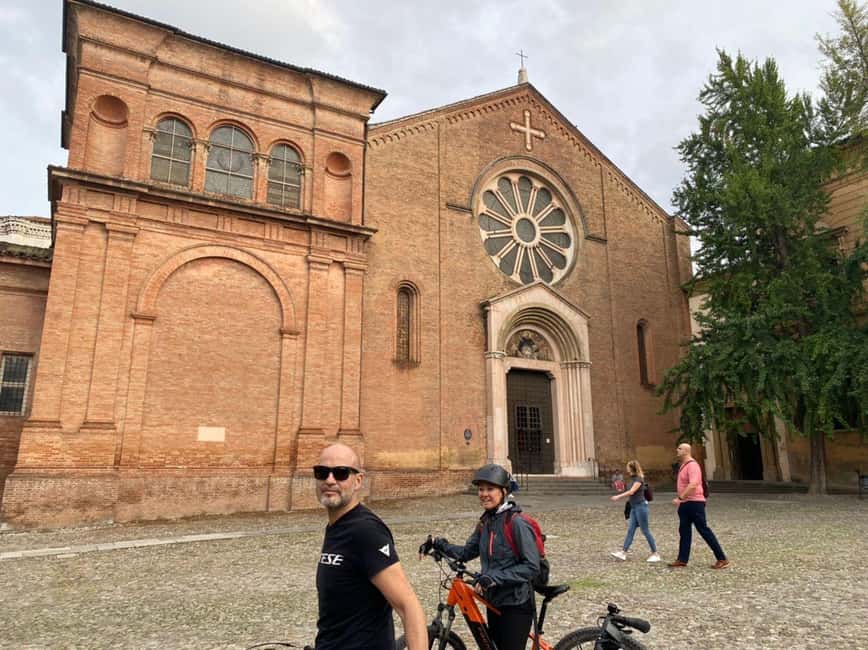
The route connects your canal story to Bologna’s famous architectural personality, including the long portico area tied to San Luca—highlighted as the longest portico in the world. Even if you’re not counting arches for sport, the portico context adds something important: Bologna isn’t only a city you view. It’s a city you move through.
One of the best moments on the tour comes from how the guide works in viewpoints. In past departures, guides have taken the group out into local parks and hills for city views and a look toward the Basilica of San Luca. That kind of perspective shift is exactly what you want from a short guided ride. You get the city’s shape, not just its monuments.
Then you continue past or toward key spaces:
- Piazza San Domenico (pass by)
- Piazza Santo Stefano (pass by)
- Two Towers, Bologna (pass by)
- Piazza San Martino (pass by)
- Piazza Maggiore (big finish on the way back)
This blend is what keeps the tour from feeling like a single-topic lecture. You’re still following water, but you’re also getting the visual anchors that make Bologna easy to navigate later.
How the Itinerary Feels in Motion (and Where You Might Slow Down)
Even though the core theme stays consistent, the route has a natural rhythm:
- start with food and easy momentum
- early canal stops to set the story
- move to port and power for function and industry
- add a medieval water-control stop for engineering texture
- return to iconic squares for atmosphere and orientation
Bike time is part of the mix, with shorter segments and walking between sites. That’s not a problem for most people—just don’t assume it’s only riding. The tour is designed so you can actually look at things, not just pass by.
Small practical tips I recommend
- wear shoes you can walk in for a while, not only for quick errands
- bring water, especially on warm days
- keep your camera ready early; canal-side photo moments show up quickly
- if you’re sensitive to hills, pace yourself during the San Luca area and viewpoint section
Guides Who Make It Click: Luca and Stella’s Style
The biggest difference on a guided tour is how the guide explains it. This one has a live guide in English or Italian, and the experience gets praised for being informative, friendly, and engaging.
I’ve seen how this translates into real value: guides like Luca and Stella are reported as especially good at turning Bologna’s story into clear, human details. They’re also described as responsive—adjusting to what you want to see, which is a big deal if it’s your second trip to Bologna and you’re trying to avoid repeating the same highlights.
If your travel style is “tell me what I’m looking at and why it matters,” you’ll get along well with this tour.
Value for Your Time: Why 2.5 Hours Works
A 2.5-hour guided bike tour with breakfast is a smart format. You get:
- breakfast to start the day properly
- a guided narrative that makes the sights connect
- a route that hits both “water system” locations and recognizable Bologna landmarks
- enough movement to feel like you covered ground, without burning your whole day
You’re not stuck in a long day of transportation. You’re also not stuck in a short “just drive-by photos” tour. This length tends to fit well for first-timers and return visitors alike, especially if you want one guided experience that gives structure to everything else you’ll do.
Who Should Book This Bologna Bike-and-Breakfast Tour
This tour is a good fit if:
- you like guided history tied to real places you can see and point at
- you want an active morning without it turning into a workout day
- you’re interested in how cities work—especially water, industry, and trade
- you want a route that covers both offbeat water stops and big central landmarks
It may be less ideal if:
- you strongly prefer fully flat routes and minimal walking
- hills and short strolls around viewpoints will make you uncomfortable
Should You Book It?
Yes, if Bologna’s waterways are the kind of story you like. The mix of breakfast, live guide, canal-focused stops, and major landmarks makes this one of the more “meaningful for your time” ways to see the city. It’s not just sightseeing; it’s a guided explanation of how Bologna powered industry and why the water system still shapes what you see today.
If you book it, do this: arrive ready to look at details, not only buildings. When the guide connects a canal location to what it powered, the whole city starts to click.
FAQ
How long is the Bologna Bike Tour with Breakfast?
The tour lasts about 2.5 hours.
Where do I meet the guide and start the tour?
You meet at Slow Emotion Bike Rental in Via Montegrappa 22B (also an entrance from Via Ugo Bassi 13), a few minutes walk from Piazza Maggiore.
Is breakfast included?
Yes. Breakfast is included before the bike tour begins.
What languages are the live guides?
The live tour guide is available in English and Italian.
Is this tour wheelchair accessible?
Yes, the tour is listed as wheelchair accessible.
What should I bring for the tour?
Bring comfortable shoes, a camera, and water.
Is there free cancellation?
Yes, free cancellation is available up to 24 hours in advance for a full refund.
Can I reserve and pay later?
Yes, you can reserve now and pay later.
More Bologna Cycling
More Bologna Bike and Vespa Tours
More Tour Reviews in Bologna


After something different? More ways to fill a day in Bologna and across Emilia-Romagna





Bologna Bike, E-Bike & Vespa Tours, compared.
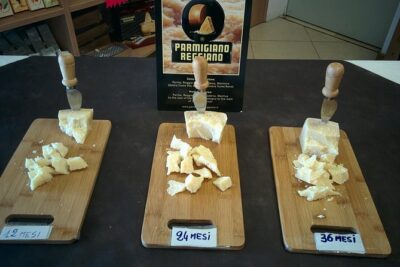 ★ 5.0Tasting and Biking ParmaFrom $107218 reviews
 ★ 5.0Guided E-bike Tour in Bologna with aperitifFrom $15797 reviews
 ★ 4.5CSTRents – Bologna Segway PT Authorized TourFrom $14940 reviews
 ★ 4.7E-Bike Guided Tour with AperitivoFrom $15239 reviews
 ★ 5.03 Hour E-bike Tour with Parmesan and Balsamic VinegarFrom $26336 reviews
 ★ 5.0Vespa Tour in the Hills of BolognaFrom $13522 reviews
 ★ 4.3Bologna Guided Bike TourFrom $8815 reviews
 ★ 4.0Bologna Panoramic Bike TourFrom $5414 reviews
Browse the lists this tour appears in