
Reviewed · MODENA & PARMA CITY WALKS
Modena: a stunning city
Modena packs power into two hours. This private walk blends romanesque architecture with a proper balsamic vinegar tasting, plus the kind of view you only get after climbing the right tower. I love how efficiently it ties the city’s landmarks together around Piazza Grande. I also like that it doesn’t treat food as an afterthought; the balsamic stop feels built into the story of Modena.
Second, you get more than photo stops. I like the way you’ll hear about the cathedral sculpture tradition and then see the city’s corners tied to the ancient Jewish ghetto. And yes, there’s a fun photo moment with Luciano Pavarotti, born right here. One possible drawback: the pacing can feel a bit stop-start in places, and if you’re traveling on a Sunday, some sites may be limited.
Key highlights you’ll care about
- Climb up the Ghirlandina tower for a big-picture view over Modena after the main sights
- Piazza Grande UNESCO pair: the cathedral of San Geminiano and the Ghirlandina tower
- Balsamic tasting with local extras: ask about using ice cream or parmesan toppings
- Church art focus at San Francesco, including Antonio Begarelli’s Lamentation of Christ
- Workaday Modena stops like the historic Albinelli market and the Vacchetta Grassa leather shop
In This Review
- Piazza Grande: where Modena’s stones tell the story
- San Geminiano Cathedral and Ghirlandina tower: the view earns the climb
- Medieval civic Modena: Ducal Palace, Town Hall, and the ringadora
- Where faith, emotion, and sculpture meet at San Francesco
- The Albinelli market and Jewish ghetto corners: Modena beyond landmarks
- Vacchetta Grassa and the craft side of Modena
- Balsamic vinegar tasting in Piazza Mazzini: how to make it fun
- Pavarotti photo stop: the city’s famous voice
- Price and time: what $71 buys you in Modena
- Who this tour fits best
- Should you book this Modena balsamic and architecture tour?
- FAQ
- How long is the Modena private tour?
- What does the tour focus on?
- Is it private or group-based?
- Which languages is the live guide available in?
- What’s included in the price?
- Are there any extra costs for sightseeing rooms?
- Is the Albinelli market included, and when does it close?
- Where do you meet the guide?
Piazza Grande: where Modena’s stones tell the story
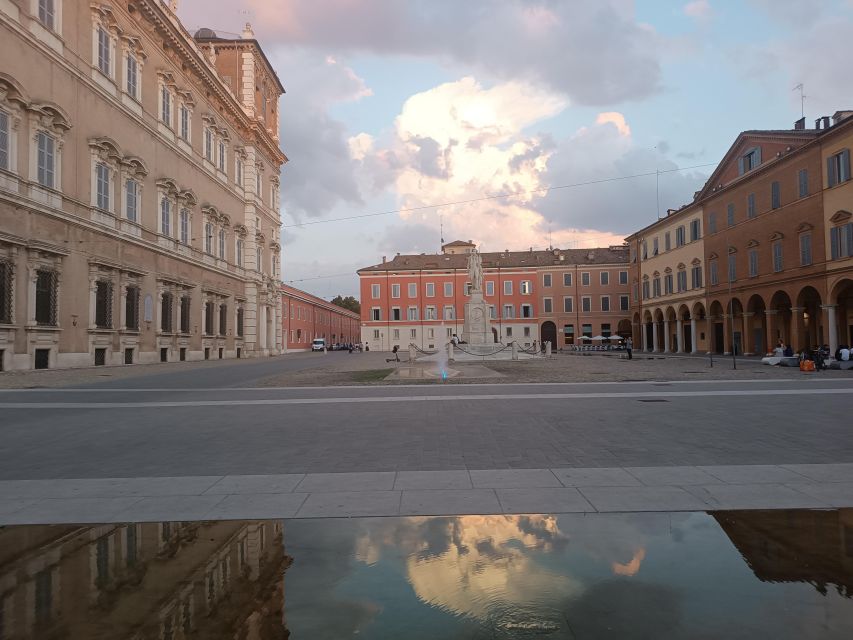
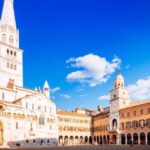
If you want a city break that feels like a guided set of clues, Modena is excellent. The centre is compact enough that you can walk it, but special enough that it doesn’t feel like you’re just passing through. Your route is built around Piazza Grande, the heart of town, where you’ll see why Modena became famous for art, faith, and civic pride.
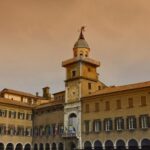
You’ll spend time at the cathedral of San Geminiano and the Ghirlandina tower in the same public space. This matters because the architecture isn’t random. You’ll be able to compare forms, materials, and sculpture details without needing a museum passport and a long commute.
There’s also a practical payoff: once you understand Piazza Grande’s layout, everything else starts to click—where the civic buildings grew, where crowds gather, and why certain churches feel like anchors rather than decorations. Even if you only have 2–3 hours, you’ll leave with your bearings.
San Geminiano Cathedral and Ghirlandina tower: the view earns the climb
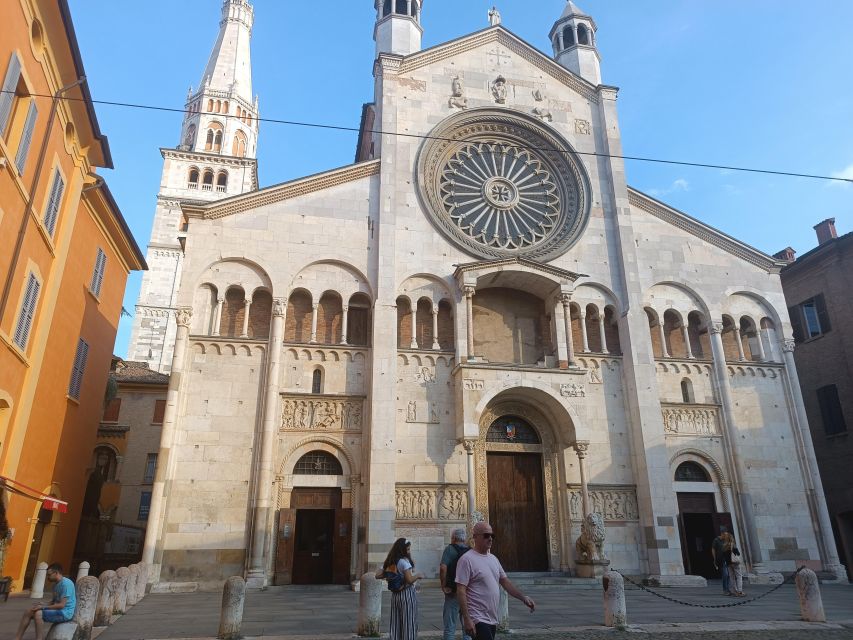
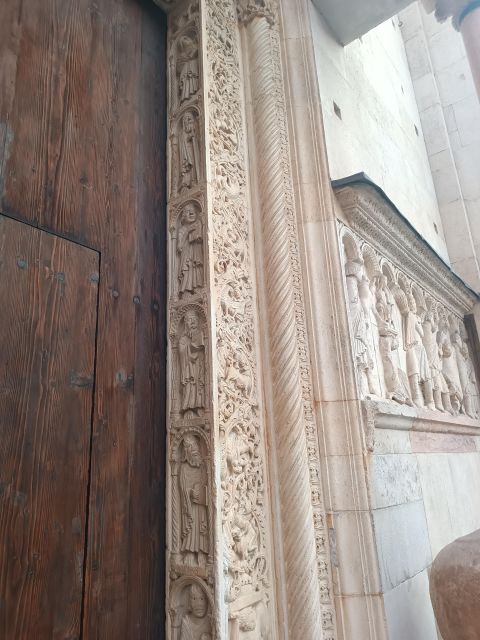
The cathedral is the “poster child” for Italian romanesque sculpture, tied to the Campionesi masters. That’s a mouthful, but here’s why you should care: romanesque church art often looks like pure decoration until someone points out what’s going on—figures, symbols, fear and imagination mixed together in stone.
Your guide will help you appreciate details on the facade, including medieval ideas represented by divine and monstrous figures. That kind of context turns a quick glance into something you remember.
Right after (or during) the cathedral time, you’ll also be oriented to the inside sculptures and pillars. You’ll hear about Lanfranco and see how elements like lions and telamones relate to the weight and function of the building. It’s not just “pretty.” It’s architecture that uses sculpture as structure and story.
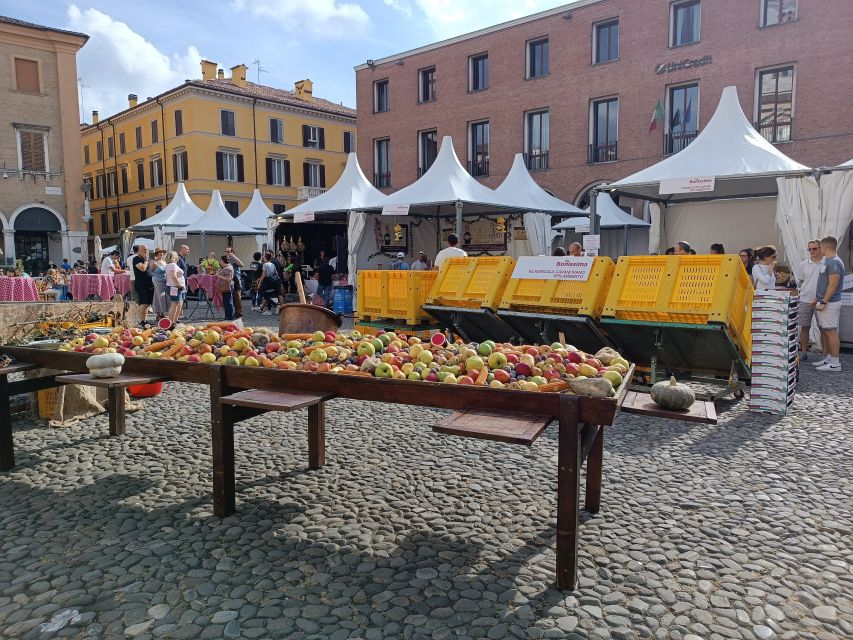
Then comes the best reward: you’ll nip up the Ghirlandina tower for an incredible view. This is a classic travel move for a reason. A tower forces you to slow down and read the city: where major squares sit, how churches relate to streets, and why the centre feels planned even centuries later. For many people, that view is the moment the tour becomes more than sightseeing.
Time on foot through the Modena and Parma old towns.
Medieval civic Modena: Ducal Palace, Town Hall, and the ringadora
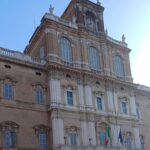
Modena isn’t only churches. The civic side is strong, and you’ll get a taste of it in places like the Ducal Palace. In the nearby Piazza Roma, you’ll find the 17th-century Ducal Palace, which served as headquarters of the Military Academy. That’s an easy stop to miss on your own, but on a guided route it becomes part of the city’s identity: power, training, and governance shaped Modena as much as religion did.
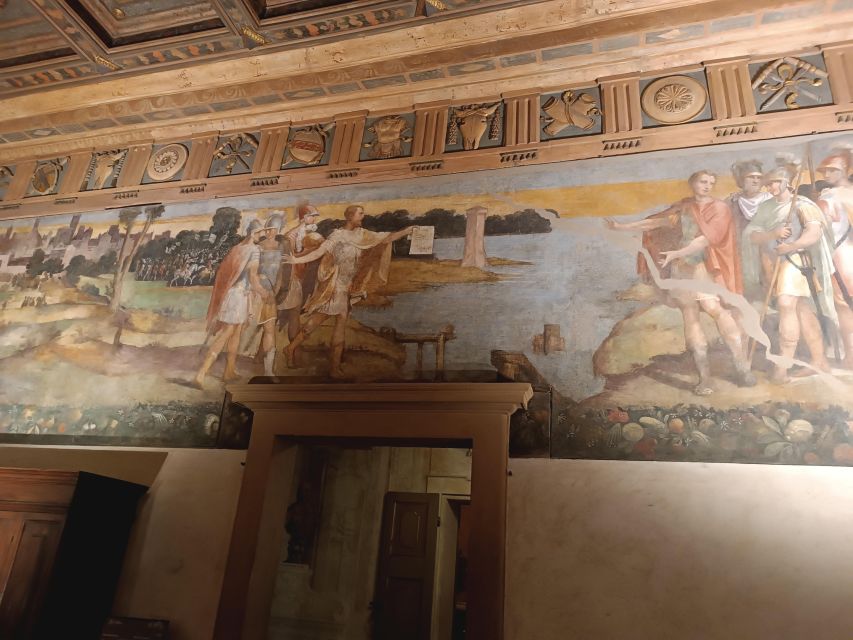
Town Hall is another anchor. It’s a structure made from various buildings that grew over centuries starting in the Middle Ages. That “layered over time” design is exactly what makes it interesting. You’ll understand how cities weren’t finished in one bold construction phase—they grew, changed hands, and kept adding. It’s architecture as a record of time.
One practical detail: the Town Hall rooms cost two euros per person, and they’re described as paid on Sundays, while on other days they are free. If your schedule can flex, this can affect your total spend.
Also look out for the ringadora stone, a medieval speakers corner in the corner of Piazza Grande. It’s the kind of object that makes a city feel lived-in. You’re seeing a spot where words mattered, not just where photos happened.
Where faith, emotion, and sculpture meet at San Francesco
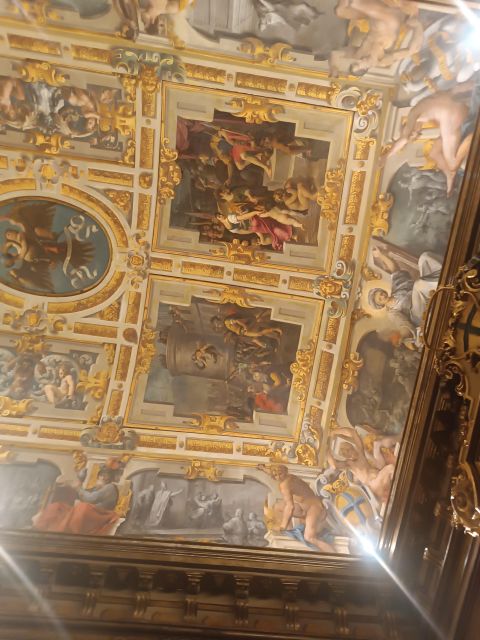
After Piazza Grande, you’ll shift to another church that changes the tone: San Francesco. This stop is about emotional art. Inside, you’ll see the Lamentation of Christ by Antonio Begarelli.
This type of artwork can be hard to appreciate quickly because it’s meant to move you, not just impress you. A good guide helps by explaining what you’re looking at and why it’s placed where it is. You’ll spend enough time to register the theme, not just glance and move on.
Why it’s worth including: Modena’s churches aren’t all the same style of “grand and formal.” San Francesco adds a human angle—grief, compassion, and drama expressed in sculpted form. If your last church visit felt like a checklist, this one is the counterbalance.
The Albinelli market and Jewish ghetto corners: Modena beyond landmarks
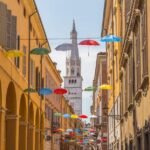
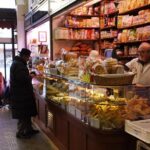
Modena’s centre has a street-level soul, and this tour gives you a couple of chances to see it. You’ll visit the historic Albinelli market and then also explore where the ancient Jewish ghetto was and where the synagogue is.
Even if you don’t think of yourself as a “history person,” this portion helps you understand the city as a shared home, not only a monument. You’ll connect how communities lived within the same urban fabric and how religious and cultural life left physical traces in the streets.
Timing matters here. The Albinelli market shuts at 2:30pm, so if your tour is late in the afternoon, you might miss some of the market atmosphere. That’s not a dealbreaker, but it does affect the vibe. If you care about that lively market feeling, try to choose an earlier start time when possible.
There’s also a modern practicality: markets and corners like this teach you where to wander afterward on your own. When you know where the synagogue area sits and how it relates to the rest of the centre, your free time stops being aimless.
Vacchetta Grassa and the craft side of Modena
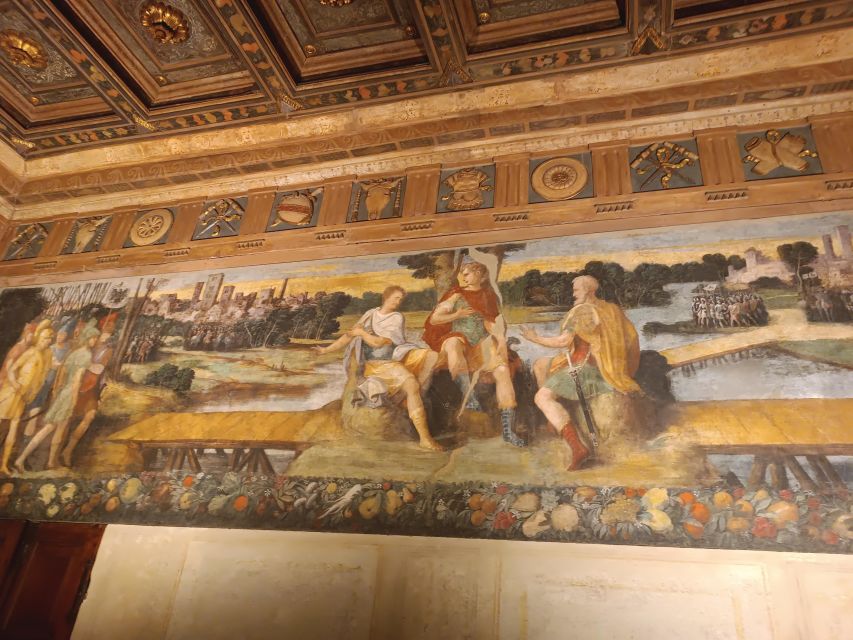
Between bigger monuments, you’ll make time for craft. There’s a quick stop at Vacchetta Grassa, a historical leather shop that still produces hand-made products.
This matters because it balances the tour. A lot of architecture tours leave you feeling like the city is only stone and sunlight. A shop stop gives you a different pace: materials, making, and continuity. You get a sense that Modena’s cultural value is not only in buildings but in skills passed down.
You won’t need to know anything about leather before you go. Just treat it like a window into how local trades still exist alongside UNESCO-level landmarks.
More ways to get the measure of Bologna.
Balsamic vinegar tasting in Piazza Mazzini: how to make it fun
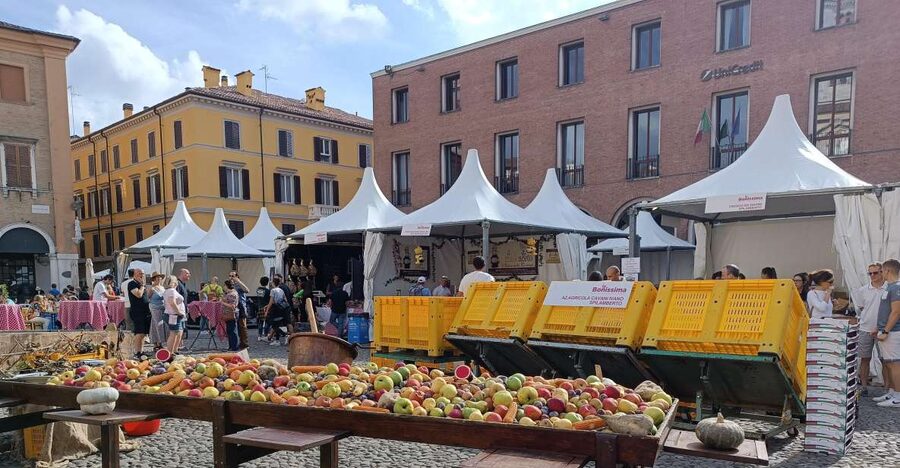
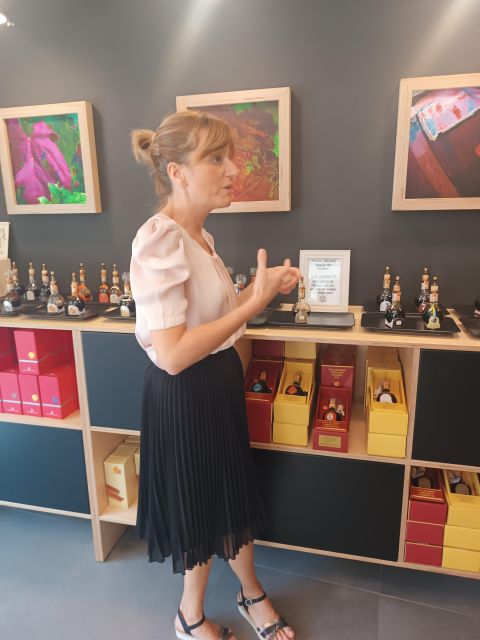
Now for the part most people remember: balsamic. You’ll head into the centre for a tasting of traditional balsamic vinegar in Piazza Mazzini.
This isn’t just a sip-and-go moment. Balsamic is one of those experiences that’s easy to misunderstand if you treat it like ordinary condiment. The guide framing helps you taste it more intentionally—how it smells, how it coats, and what makes traditional balsamic different in character.
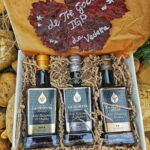
There’s also a simple, practical tip: the tasting is said to taste better if you bring ice cream or parmesan to put it on. You won’t always control what’s available during a scheduled tasting, but if you like the idea, you can plan a small follow-up snack that plays along with the flavor style.
If you travel on a Sunday, be aware that some places may have limited hours. One guide-led benefit here is that Stephanie Foulkes can handle practical on-the-ground details for you, including setting up a balsamic tasting and purchase appointment (with reports of discounts). That’s the kind of small help that turns “we’ll taste something” into “we’ll actually be able to buy and savor it.”
Pavarotti photo stop: the city’s famous voice
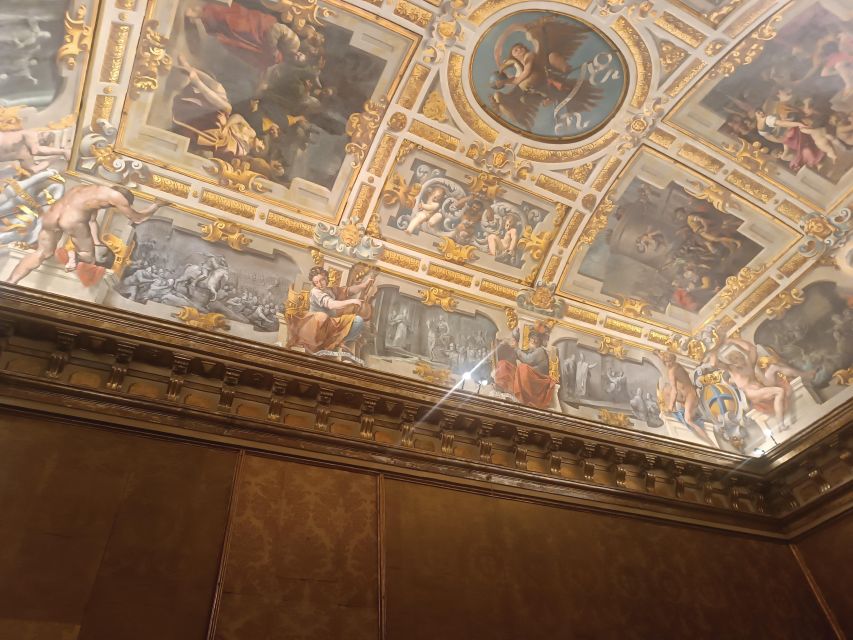
Modena has a lyrical side, and the tour makes that connection in a fun way. Luciano Pavarotti was born here, and you’ll take a snap with him as part of the experience.
This is more than a gimmick. Pavarotti is one of those people who helps visitors connect emotionally to a city. When you learn the basics of a place and then tie it to a world-famous voice, it’s easier to remember what the streets felt like, not only what they looked like.
If you’re traveling with someone who isn’t a hardcore museum type, this photo stop gives them a smile without losing the educational thread.
Price and time: what $71 buys you in Modena
At $71 per person for 2–3 hours, you’re paying for a private guide experience that covers a lot of ground in a short window. The tour’s included piece is the guide itself, and food and drink aren’t listed as included beyond the tasting stop, so don’t expect a full meal to be part of the price.
So is it good value? Yes—if you want expert context for major sites without spending your day figuring things out. The big value levers are:
- You’ll hit key areas around Piazza Grande
- You get interpretation for sculpture and church art (not just names)
- You climb the Ghirlandina tower during the flow of the tour
- You include balsamic tasting in the centre rather than treating it like a separate mission
What you should budget for, based on the info provided: optional or paid entries like Town Hall rooms (two euros per person on Sundays, free other days). And if you want to buy balsamic, leather goods, or small snacks, plan extra spending.
If your priority is maximum freedom and you love wandering without structure, you could do Modena on your own. But if you want the city to make sense fast, a private route like this is a time-saver.
Who this tour fits best
This tour is a strong match if you:
- Like architecture and sculpture details, and want them explained clearly
- Want a short Modena plan that still feels rounded (churches, squares, crafts, and tastings)
- Prefer a private group format over joining a larger crowd
- Enjoy both serious art stops and light, fun moments like the Pavarotti photo
It might be less ideal if you’re extremely flexible about pacing and want only long “sit and savor” periods. One report described the tour as good but somewhat erratic and occasionally too in-depth at certain points. That doesn’t mean it’s bad; it means you should go in expecting a guide-led flow that occasionally pauses for details.
Should you book this Modena balsamic and architecture tour?
I’d book it if you want a compact, high-impact Modena day where you understand what you’re seeing and you taste something local in the middle of the walk. The mix of UNESCO-recognized Piazza Grande sites, church art like Begarelli’s Lamentation, and the balsamic stop at Piazza Mazzini makes the time feel well spent.
I’d think twice if you’re set on a Sunday itinerary and you hate the idea of reduced opening hours. You can still enjoy the main sights, but the tour’s market timing and the note about Town Hall rooms costing on Sundays suggest you should expect a slightly different day. If you can choose a weekday, you’ll likely get the fuller feel of the centre.
If you book, my advice is simple: wear good walking shoes, and if balsamic is a priority, ask Stephanie Foulkes Tourist Guide ER what the best tasting/purchase setup is for your exact day. That kind of practical tailoring is where this tour tends to shine.
FAQ
How long is the Modena private tour?
The duration is listed as 2–3 hours. Start times depend on availability.
What does the tour focus on?
It focuses on Modena’s centre highlights, including churches around Piazza Grande, time at the Ghirlandina tower, a traditional balsamic vinegar tasting, plus stops such as the Albinelli market, San Francesco church, and Vacchetta Grassa.
Is it private or group-based?
It’s available as a private group. (Private group available is explicitly stated.)
Which languages is the live guide available in?
The live tour guide is available in English and Spanish.
What’s included in the price?
The included item is the guide experience. Food and drink are not included, and any purchases like balsamic or other items are additional.
Are there any extra costs for sightseeing rooms?
Yes. Town Hall rooms cost two euros per person on Sundays, while on other days they are free.
Is the Albinelli market included, and when does it close?
You’ll visit the historic Albinelli market, and it shuts at 2:30pm.
Where do you meet the guide?
Meeting point options vary by booking choice and can include the rail or bus station, a hotel, or a monument/building. A suggested meeting spot is the Cathedral museum in Piazza Grande.
More Bologna City Tours
More Modena and Parma City Walks

More Tour Reviews in Modena

After something different? More ways to fill a day in Bologna and across Emilia-Romagna



Modena & Parma City Walks, compared.
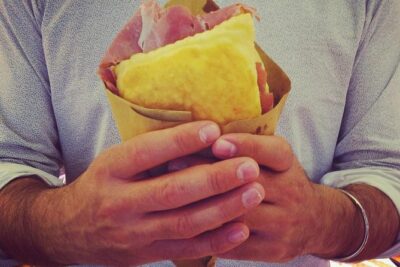 ★ 5.0Private Half Day Parma Food Walking TourFrom $134561 reviews
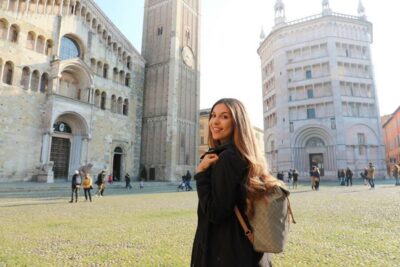 ★ 4.2City Walking TourFrom $27203 reviews
 ★ 4.8A Full Meal Walking Food Tour with a LocalFrom $10598 reviews
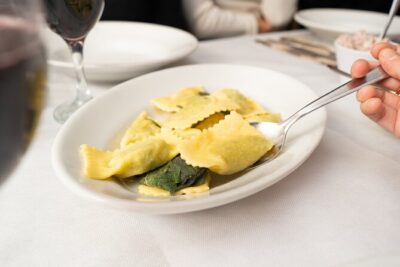 ★ 5.0Taste Parma: A Full Meal Walking Food Tour by Do Eat BetterFrom $8064 reviews
 ★ 5.0Taste Modena: A Full Meal Walking Food Tour by Do Eat BetterFrom $9652 reviews
 ★ 4.5Parma Classic Walking TourFrom $2639 reviews
 ★ 4.0Modena City Walking TourFrom $3038 reviews
 ★ 4.92-Hour Private Walking TourFrom $14720 reviews
Browse the lists this tour appears in