
Reviewed · WINE TOURS
Pasta, Truffle and Wine: hands-on class in a medieval town
A medieval village sets the scene for fresh pasta and wine. In Calestano, you cook in a real family home with Virginia and Mamma Nadia, then eat on a panoramic terrace with local antipasti and wine. I love the small group size (max 8 in the class), and I love the hands-on pasta focus: two dough projects made from scratch. The one thing to consider is that the experience depends on good weather, and you’ll be taking a short ride out of Parma.
Expect a warm, English-friendly setup and a meal that feels like it belongs to the hillside, not a stage. You can even choose the black truffle upgrade if you want something extra from these hills. If you’re prone to long travel days, the timing can feel a bit tight since the whole experience is about 3 hours and ends back where it starts in Parma.
In This Review
- Key highlights you should know
- Calestano: the medieval setting that changes the whole experience
- Meeting Virginia and Mamma Nadia in a real home
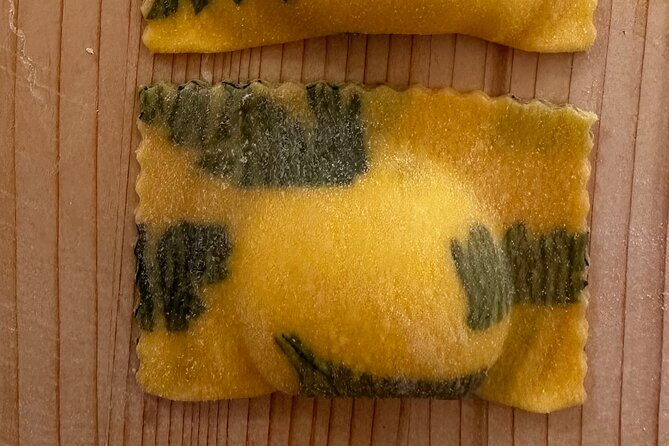
- The dough lesson: how you make two traditional pastas
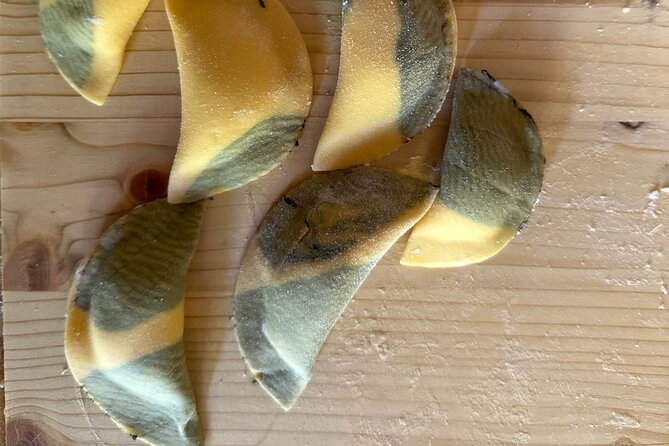
- Soft ricotta ravioli
- Silky tagliatelle
- Optional black truffle upgrade
- Starter tasting and Parmigiano Reggiano with wine
- Lunch on the terrace: where the views do half the work
- Dessert: homemade tiramisù that finishes the lesson
- Price and value: what $95.54 buys you in real terms
- What the full experience includes (and what might be different)
- Getting to Calestano without a car
- Who should book this pasta class
- Should you book Pasta, Truffle and Wine in Calestano?
- FAQ
- How long is the pasta class in Calestano?
- Where do I meet for the tour?
- Is the class offered in English?
- What do we eat during the experience?
- Can I add black truffle?
- What if the weather is bad?
Key highlights you should know
- Calestano vs. Parma crowds: a quiet medieval village in the Parma hills
- Max 8 cooking, small table energy: more coaching, less waiting around
- Hands-on made-from-scratch pasta: ricotta ravioli + tagliatelle
- Starter with Parmigiano Reggiano variety: two vintages plus local wine
- Panoramic terrace lunch/dinner: you cook, then eat with views
- Optional black truffle upgrade: locally sourced truffle available as an add-on
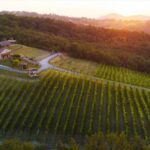
Calestano: the medieval setting that changes the whole experience
This class is built around getting out of Parma and into the quieter rhythm of the hills. You’ll head to Calestano, a medieval town that feels a world away from coach-tour pace. Even the drive out matters. It sets your expectations correctly: this is about slowing down, smelling herbs, and learning how Italians actually eat and share food.
In Parma, you can hop between sights. Here, you get one concentrated slice of local life. You arrive, you cook, you taste, and then you sit with the view while the meal lands. The setting also helps you focus. When your surroundings feel calm and real, pasta-making feels less like a workshop and more like doing something you’ll actually remember.
A practical note: you’re meeting in Parma (V.le Mentana, 140, 43121 Parma PR), and the activity ends back at the same meeting point. That keeps it simple, but it also means you’re committing to that half-day window.
More Emilia wines to taste.
Meeting Virginia and Mamma Nadia in a real home
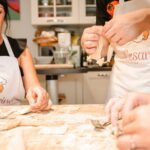
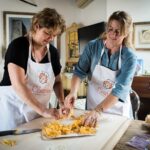
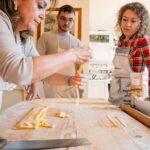
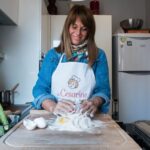
The class is hosted in a family home, with Virginia as the instructor and Mamma Nadia involved in the cooking and meal. That family setup is the big reason this feels different from a studio kitchen. You’re not just passing through ingredients; you’re stepping into how people live, cook, and host.
The group stays small. In the cooking portion, it’s max 8 guests, which shows in the way the class runs. You get help when your dough is too sticky, when your filling needs a bit more balance, or when you’re trying to shape pasta without tearing it. Several people mention the warm, patient teaching style, and I’d put money on this being a good choice if you’re a first-timer.
And yes, it’s family-scale. There are cats—Cesare and Cindy—who are part of the welcome. It sounds like a small detail, but it adds to the homey energy. When a place feels lived-in, you relax faster.
Language is handled well. The class is offered in English, so you’re not left guessing what to do with the rolling pin.
The dough lesson: how you make two traditional pastas
Your cooking time centers on two classic shapes from scratch:
Soft ricotta ravioli
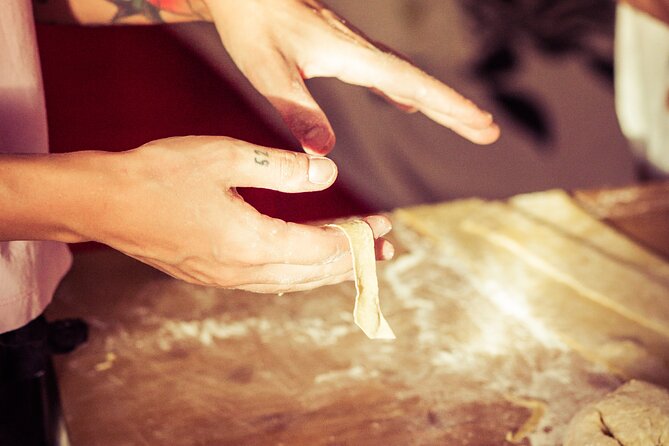
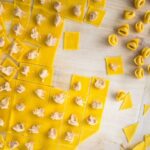
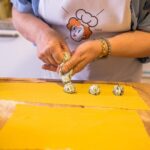
Ricotta ravioli can be tricky if you rush the dough or overfill. This is where the small group matters. You’ll learn how to work with the pasta dough, how to handle the filling, and how to shape so the ravioli close properly.
The key value for you is technique, not just the final plate. If you take away even a few practical steps—how the dough should feel, how to manage filling amounts, and how to seal—this class turns into something you can recreate at home. That’s why this has such strong repeatability: it teaches the process, not just the end result.
Silky tagliatelle
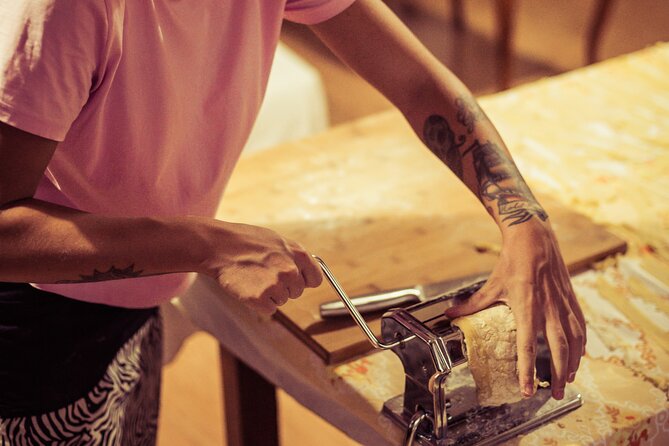
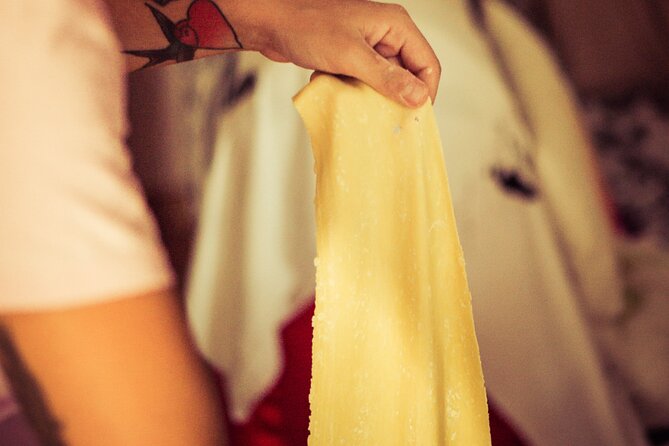
Tagliatelle is the other core skill. The learning curve is different here: it’s about rolling and cutting evenly enough that the texture matches the sauce. Homemade tagliatelle also changes how you experience sauce, because the pasta holds it differently than dried pasta.
In a class like this, I like that you’re making two pasta types. It prevents the whole experience from becoming one long repetition. You practice multiple methods, so you leave with a fuller pasta toolkit.
More hands-on afternoons in Emilia kitchens.
Optional black truffle upgrade
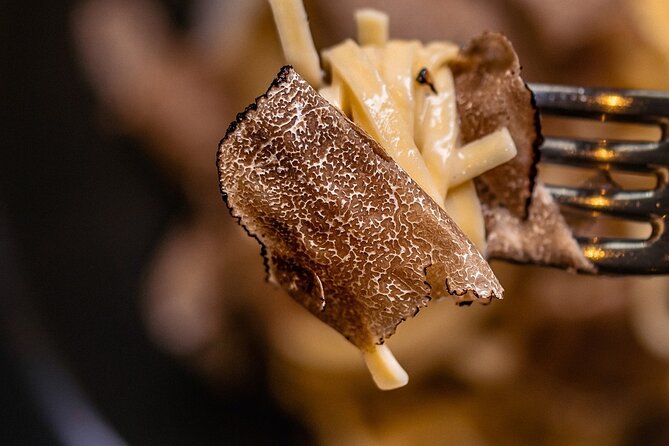
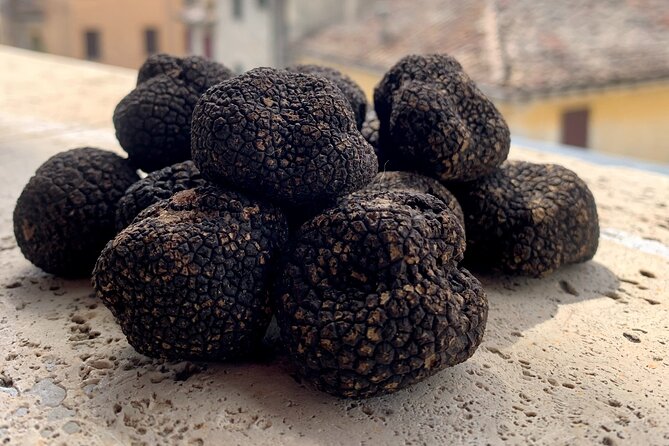
If you add the black truffle upgrade, expect a more intense flavor moment. Truffle is one of those ingredients where timing matters—how it gets paired, and how it’s integrated into the meal. Since the truffle is described as sourced locally from these hills, it also ties your tasting directly to the area instead of feeling like a generic luxury add-on.
If you’re the type who loves regional ingredients, this upgrade is a strong “yes.” If you’re not sure, it’s still worth asking about how it’s used in the final dishes—because that’s where truffle either becomes magic or just another ingredient on a plate.
Starter tasting and Parmigiano Reggiano with wine
The meal isn’t only about what you cook. Before the pasta, you start with an Italian-style starter tasting.
Here’s what’s included in the sample menu:
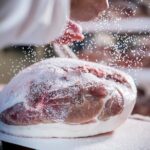
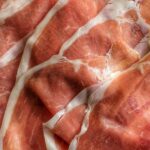
- Typical Parma cured meats
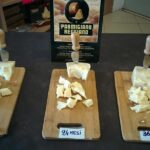
- A tasting of two different vintages of Parmigiano Reggiano
- Accompanied by a glass of local wine
That Parmigiano tasting is a smart move for your palate. Two vintages means you can notice how aging changes flavor—something you rarely get to experience when you’re just grabbing cheese at a shop. It also teaches your brain what to look for later when you eat the pasta meal, since Parmigiano flavor echoes in the region’s cooking.
If you’re a wine person, you’re also getting that local pairing from the start. Wine appears again with the full meal portion, so your appetite has a clear rhythm: drink early, learn flavors, then eat what you made.
Lunch on the terrace: where the views do half the work
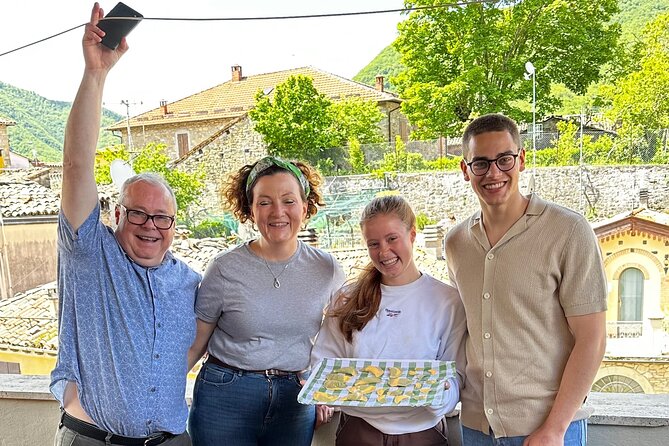
After your hands are flour-dusted and your pasta is shaped, you eat together. The experience includes a break on a panoramic terrace, with views over the medieval town and the surrounding area.
This is one of the most praised parts of the day for a reason. The terrace turns your lunch into a memory, not just a meal. You’re not rushing back into a city schedule right after cooking. You’re soaking up the same place where the lesson happened.
Menu continues with:
- Your freshly made pasta
- A homemade sauce that varies by seasonality
- And then dessert: family tiramisù
That seasonal sauce detail matters because it keeps you in the local logic of cooking. You’re not eating a frozen, predictable menu. Even the base choices change with what’s available.
Dessert: homemade tiramisù that finishes the lesson
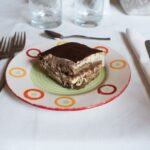
Tiramisu is served as the dessert, prepared by the host. In a setting like this, tiramisù works as a soft landing. It’s comforting, familiar, and it lets you end the experience without feeling like the day is still “in training mode.”
Since the meal already includes wine and local flavors, the tiramisù is a fitting closer: a sweet that’s part of everyday Italian hospitality rather than a separate performance.
Price and value: what $95.54 buys you in real terms
At $95.54 per person, the price isn’t the bargain end of Parma food tours. But it also isn’t inflated like you might see in big-city experiences.
Here’s the value math:
- You’re paying for an intimate max-8 class in a real home kitchen.
- You’re making two pasta dishes from scratch (not just watching or assembling).
- You’re included in a meal that covers more than one course: starter tasting with cured meats, Parmigiano Reggiano tastings, wine, your pasta, and tiramisù.
- Optional truffle upgrade gives you a chance to add a locally sourced luxury ingredient if you want it.
If you compare to a standard cooking class that only teaches one pasta shape and serves a lighter bite, this stands out. The combo of coaching + full food experience is what justifies the price. If you enjoy learning a technique you can repeat, you’ll likely feel it was worth it.
What the full experience includes (and what might be different)
One thing to watch: the experience depends on the option you choose.
Depending on your selection, you may get:
- Pasta tasting only, or
- A full meal after the class (antipasti with wine, your pasta, and family tiramisù)
So before you lock it in, double-check which option you’re buying. If you’re coming hungry and want the full dining arc on the terrace, choose the full meal version.
Getting to Calestano without a car
If you’re staying in Parma and don’t want to figure out roads, you’re in luck. The experience notes help arranging transportation from Parma, and the meeting point is in central Parma (V.le Mentana).
In practice, that means you’ll likely be driven out to Calestano. Some people note a shuttle/transfer fee, so don’t be surprised if the transportation piece isn’t purely included in the base price. Still, it’s clearly set up for people without cars—meaning you can focus on the class instead of logistics.
Also, it’s near public transportation, so you’re not stranded if you’re using transit.
Who should book this pasta class
This is a great fit if you:
- Want a break from city sightseeing and into hills-and-medieval-town quiet
- Like small group, hands-on teaching more than large demonstrations
- Want to learn pasta techniques you can recreate (ravioli + tagliatelle)
- Enjoy pairing food with local wine and doing a structured tasting
- Want an option to add black truffle for a more special meal
It’s less ideal if you want a long, multi-stop day. This is a tight 3-hour block. It’s also weather-dependent, so you’ll want flexibility in your schedule.
Should you book Pasta, Truffle and Wine in Calestano?
I think you should book it if your idea of a good Parma day includes learning something practical, eating a real meal, and enjoying a terrace view with wine. The big strengths are consistent: the small group size, the family-home warmth with Virginia and Mamma Nadia, and the combination of starter tastings + two made-from-scratch pastas + tiramisù.
If you’re chasing a checklist of major sights, you might feel this is too focused. But if you want a smaller, more memorable slice of local life—dough under your hands, Parmigiano in your tasting glass, and a medieval town looking back at you from the terrace—this is a strong choice.
FAQ
How long is the pasta class in Calestano?
The experience runs about 3 hours (approx.).
Where do I meet for the tour?
You start at V.le Mentana, 140, 43121 Parma PR, Italy, and the activity ends back at the same meeting point.
Is the class offered in English?
Yes, it’s offered in English.
What do we eat during the experience?
The sample menu includes a starter tasting of Parma cured meats and two vintages of Parmigiano Reggiano with a glass of local wine, plus the fresh pasta you make and family tiramisù. Depending on the option selected, it may be pasta tasting only or a full meal after the class.
Can I add black truffle?
Yes, there is an optional black truffle upgrade, described as sourced locally from the Parma hills.
What if the weather is bad?
The experience requires good weather. If it’s canceled due to poor weather, you’ll be offered a different date or a full refund.
More Bologna Workshops
More Emilia Wine Tastings

More Tour Reviews in Parma

After something different? More ways to fill a day in Bologna and across Emilia-Romagna

Wine Tours, compared.
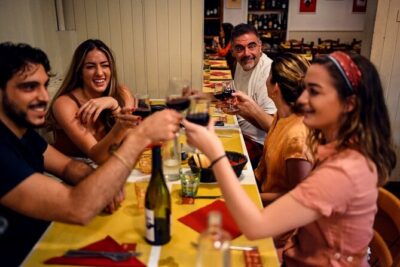 ★ 5.0Bologna Food & Market Tour with 6 Tastings, Pasta, Wines & MoreFrom $1181,328 reviews
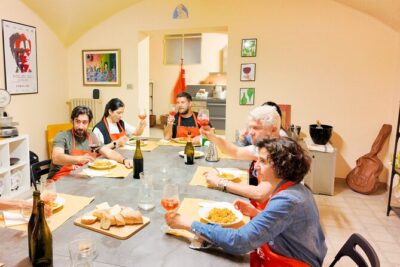 ★ 5.0Bologna Local Pasta Cooking Class, Ragu, Spritz, Wine & GelatoFrom $59527 reviews
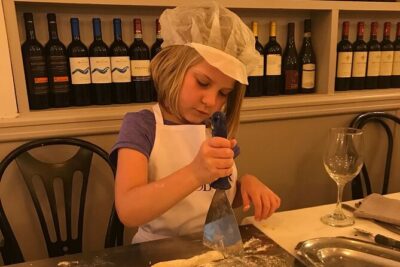 ★ 5.0Pasta and Tiramisu Small Group Cooking Class with WineFrom $71409 reviews
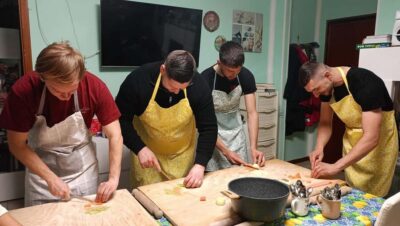 ★ 4.7Pasta Tagliatelle al Ragu Cooking Class with WineFrom $70225 reviews
 ★ 4.9City Center Guided Wine Walking TourFrom $70210 reviews
 ★ 4.9Food and Wine Tasting with Interactive GameFrom $34175 reviews
 ★ 4.7In-Home Italian Pasta Making Workshop with WineFrom $88131 reviews
 ★ 4.9Pasta Cooking Class, Ragu & Wine with Local HostFrom $79113 reviews
Browse the lists this tour appears in