
Reviewed · BOLOGNA PASTA-MAKING & COOKING CLASSES
Bologna: Pasta Tagliatelle al Ragu Cooking Class with Wine
You learn pasta. Then you eat it, with wine, in a real home. This Bologna class turns a simple lunch into a warm lesson in dough, fillings, and timing.
I love the hands-on pasta-making part, from rolling tagliatelle/tortellini dough to assembling filled shapes. You’ll also get clear, step-by-step teaching that makes the process feel doable, even if it’s your first time.
The second thing I like: you don’t just snack. You sit down to a full meal—three courses with local wine, plus dessert and coffee. It’s satisfying, and it feels like you’re sharing lunch with a family.
One possible drawback: the setup is in a private home kitchen, so the space can feel tight, and finding the meeting address may take a little effort if you don’t have good directions.
In This Review
- Key takeaways before you go
- Bologna at the Kitchen Table: Why This Feels Different
- What You’ll Cook in 3 Hours: Tagliatelle, Tortellini, Ravioli-Style Filling, and Bologna Ragù
- Your Lunch Isn’t a Side Quest: How the Courses and Wine Work
- Buzz Mattioli and the Reality of Getting There
- Irene’s Step-by-Step Teaching, Nonna Methods, and the Human Touch
- Space, Comfort, and Group Size: What to Expect in a Home Kitchen
- Price and Value at $70: What You Get for the Money
- Who This Class Suits Best (and Who Might Skip It)
- Tips to Make Your 3 Hours Go Smoothly
- Should You Book This Bologna Pasta Cooking Class?
- FAQ
- Where is the meeting point?
- How long is the cooking class?
- What pasta will I learn to make?
- Is the class hands-on?
- Is wine included?
- What do I eat during the class?
- Is coffee included?
- What languages are offered?
- Do I get recipes to take home?
- Can I cancel if my plans change?
- Is it pay later?
Key takeaways before you go
- You cook multiple pasta types (tagliatelle or tortellini/ravioli-style dough plus fillings), not just one demo.
- Family-home atmosphere: small, relaxed, and often centered around “nonna” know-how passed down.
- Wine and coffee are part of the meal, not an afterthought.
- You leave with recipes, so your next attempt at home doesn’t turn into guesswork.
- The location can be outside the center, so plan for buses/taxis or a bike rather than assuming you’ll walk everywhere.
- Home-kitchen reality: great for authenticity, but not the same as a polished studio.
Bologna at the Kitchen Table: Why This Feels Different
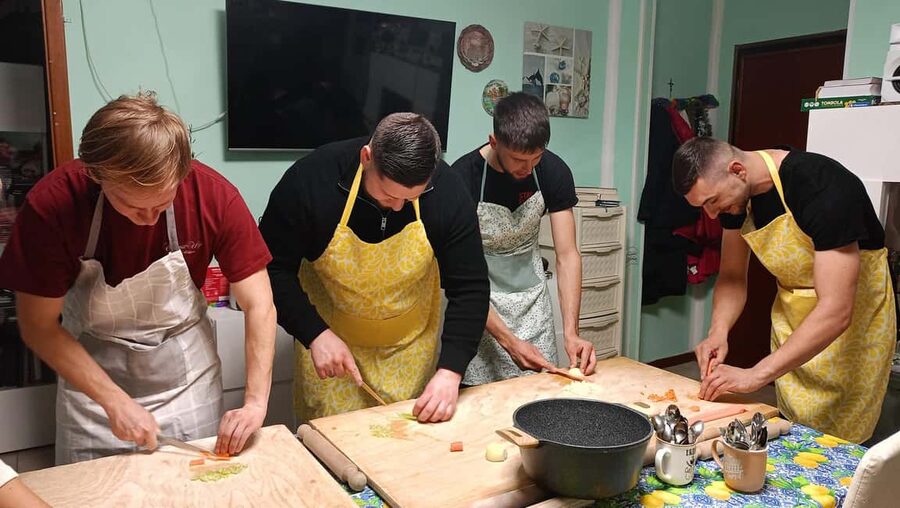
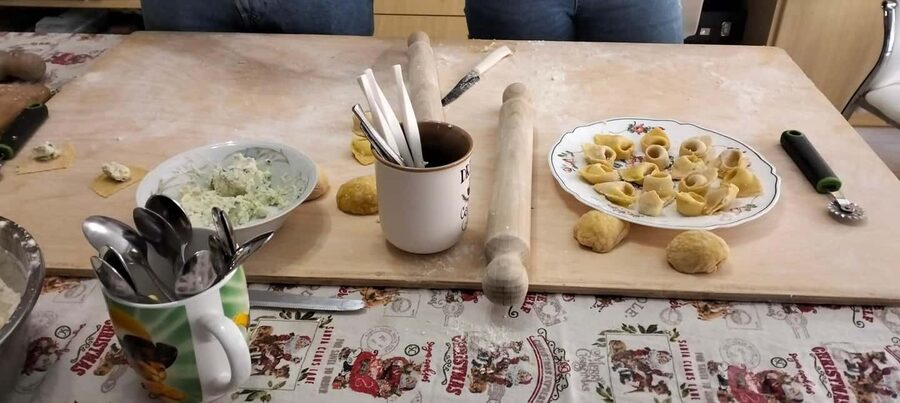
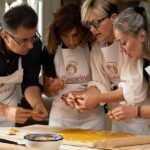
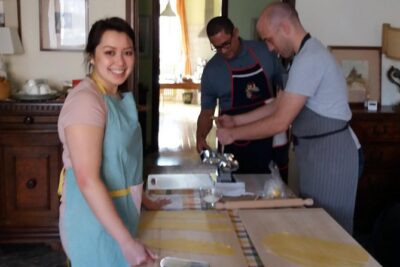
This isn’t a factory-style cooking class. It’s a real apartment kitchen, the kind where dinner actually happens. You’ll roll dough, fill pasta, and watch the food move from your hands to the table.
I find the home setting matters for two reasons. First, you get a slower, more personal rhythm. People ask questions without feeling rushed. Second, you learn habits, not just steps—how to judge dough texture, how to work with fillings, and how to keep things moving so you’re not still fussing with pasta while everyone else is eating.
The best part is that the teaching style matches the setting: relaxed, encouraging, and practical. In many sessions, the host is someone like Irene—warm, focused, and ready to explain. Reviews also mention family knowledge coming from older tradition (the “nonna” method), which helps you understand why things are done a certain way.
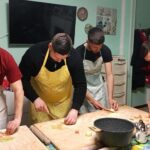
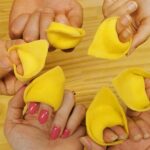
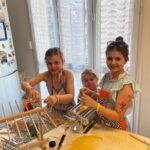
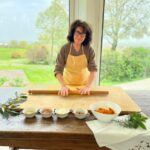
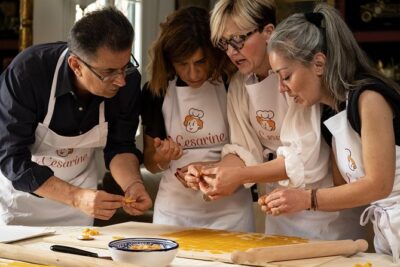
Back into the kitchen to roll tortellini and tagliatelle by hand.
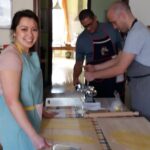
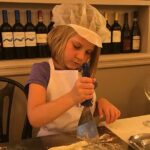
What You’ll Cook in 3 Hours: Tagliatelle, Tortellini, Ravioli-Style Filling, and Bologna Ragù
The class focuses on pasta you can realistically make again later. Expect to work through dough and assembly, then eat what you make.
Here’s the flow, based on what’s taught:
- Start with the dough for either tagliatelle or tortellini (and you’ll learn the approach for ravioli dough too).
- Roll and shape: you’ll learn how to roll it out properly, then cut or form the pasta for filled shapes.
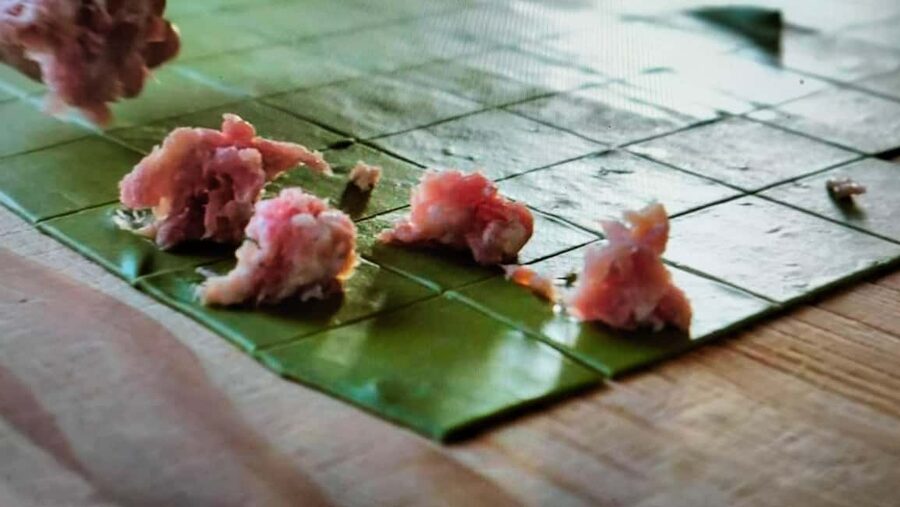
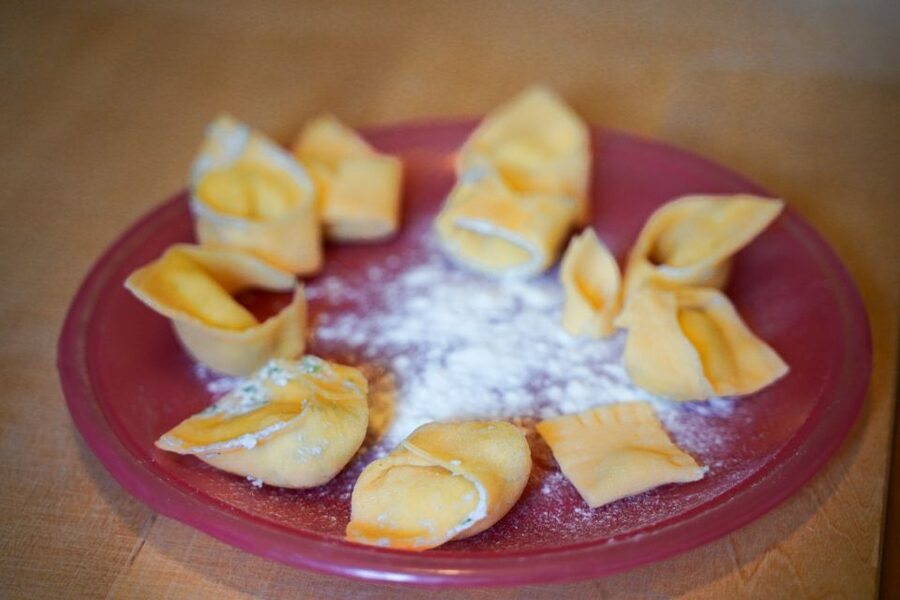
- Make the filling: you’ll prepare the filling mixture and learn how it should be handled before sealing.
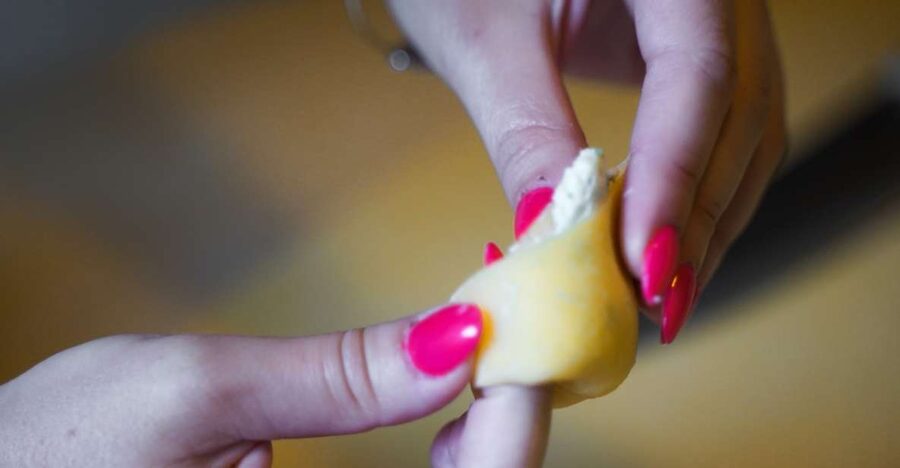
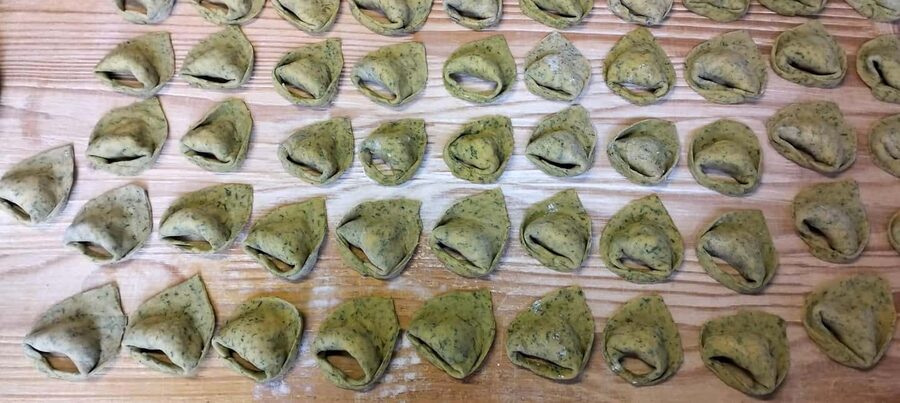
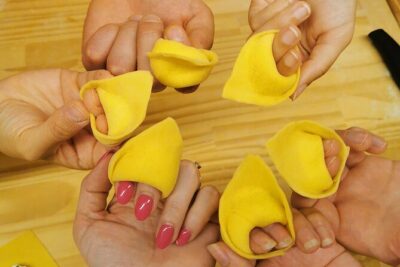
- Assemble filled pasta: tortellini/tortelloni and ravioli-style filling work is part of the experience.
- Bake/finish: you’ll see how the pasta goes from raw to finished and how it should look when it’s ready.
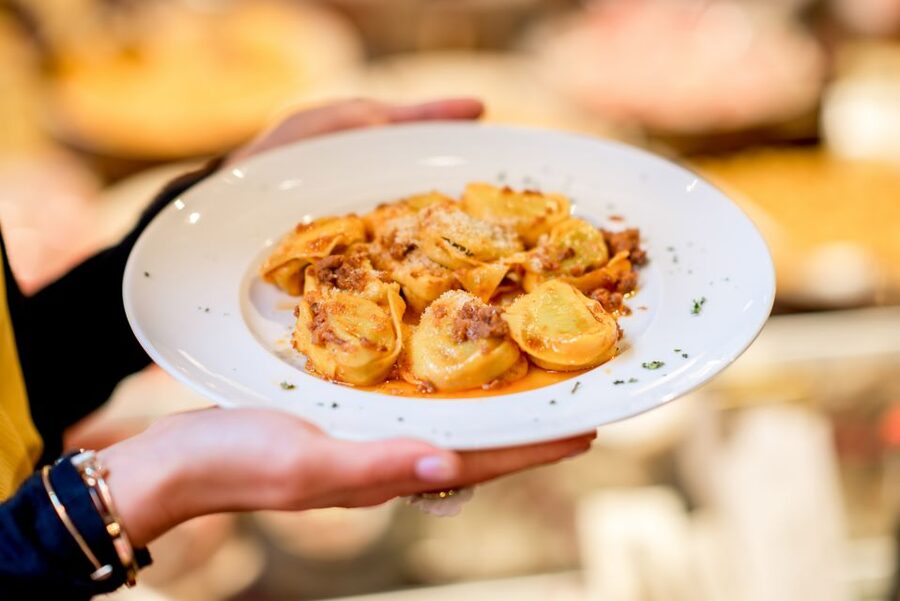
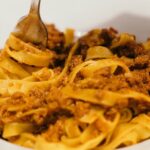
You’ll also prepare three types of homemade pasta. Reviews consistently describe a mix like tortellini/tortelloni along with Bologna-style pasta such as ragù. That matters because Bologna cooking is all about balance: eggs for richness, dough technique for texture, and ragù-style sauce logic for flavor depth.
One practical note: fillings and ragù are where many first-timers get nervous. You’ll be guided through it, and you’ll also get the recipes afterward. That’s a big deal. Homemade pasta is easy to ruin with one small “what did they mean by that?” moment—having the written instructions is what turns confidence into repeatable results.
If you eat meat, you’ll likely enjoy the classic ragù angle. If you don’t, at least some sessions are able to adjust pasta or fillings for dietary preferences like vegetarian. If food restrictions matter to you, say so when you book, so your meal matches your needs.
Your Lunch Isn’t a Side Quest: How the Courses and Wine Work
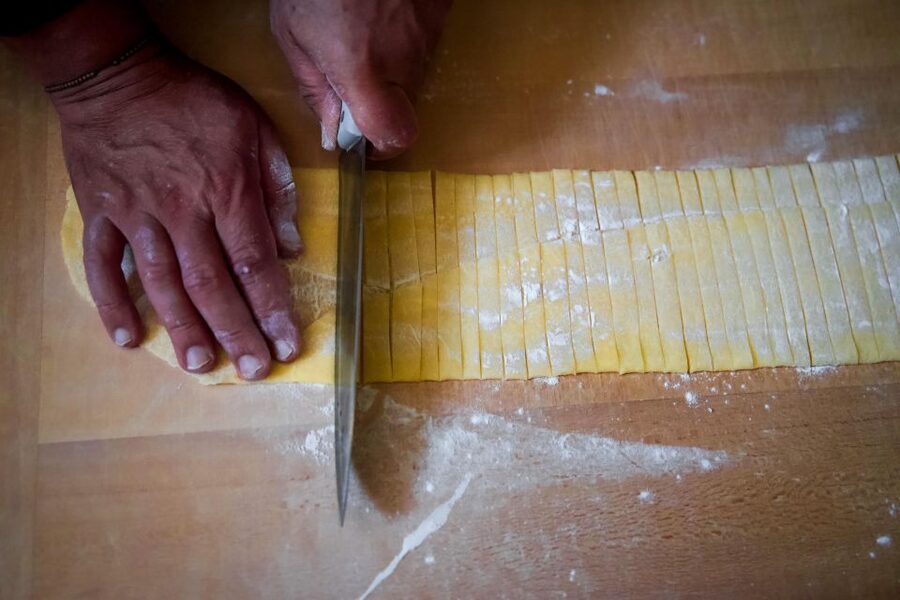
This class ends like an actual Italian meal: you sit down and eat what you made, not just taste a single bite. Included is a three-course meal built around the pasta you prepared.
A typical structure looks like:
- Pasta courses (often with Bologna-style sauces such as ragù)
- A dessert course (seasonal sweets or cake/fresh fruit depending on what’s available)
- Coffee after the meal
- Wine with lunch, plus fine local wine paired with dessert in the closing moments
What I like here is that the wine isn’t just there to look fancy. It’s part of the pacing. You finish shaping and cooking, then you slow down for eating. It turns the class into a full experience instead of a rushed “workshop.”
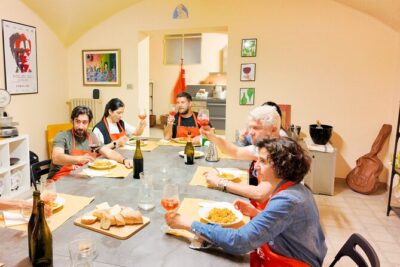
You’ll also get conversation time. Reviews mention chatting over wine and sharing the table with a small group. That’s a real plus if you’re traveling solo or trying to meet people without forcing it.
Buzz Mattioli and the Reality of Getting There
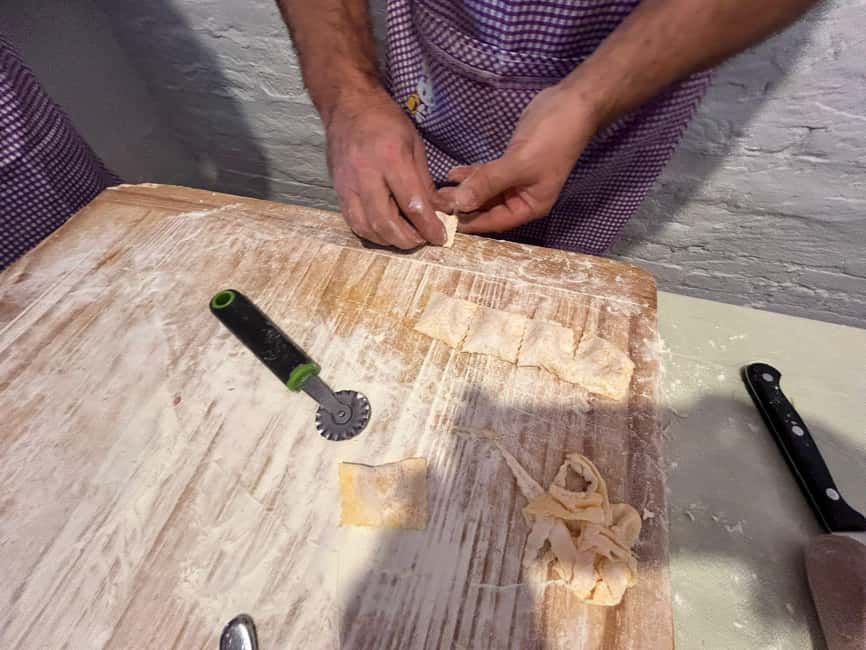
You’ll meet at Buzz Mattioli. From there, you’re headed to a home outside the main tourist center, which is common for these experiences in Bologna.
Here’s the advice I’d give you:
- Plan ground transport ahead of time. Reviews mention bus, taxi, or bike options.
- If you’re mapping it on your phone, still double-check the exact address details, because one review called out that finding the location took extra effort without clear instructions.
- Expect a “neighborhood” route, not a postcard walk.
Also, remember: a private apartment has its own rules. If you arrive early, you’ll wait. If you arrive late, the dough and cooking schedule don’t care. Give yourself time to get settled.
Irene’s Step-by-Step Teaching, Nonna Methods, and the Human Touch
A lot of cooking classes “teach.” This one helps you learn.
When the host is Irene (as many reviews describe), the teaching style shows up fast:
- Clear instructions with encouragement
- Lots of patience while you learn to roll dough and work fillings
- A relaxed pace that keeps you from feeling clumsy
Reviews also mention “nonna” guidance—knowledge passed down through family practice. You can feel this in how questions are answered. Instead of just telling you what to do, the teaching focuses on why the dough should behave a certain way and how to handle the filling so it doesn’t turn soggy or uneven.
And then there’s the small, memorable stuff that makes a home class feel special. Multiple reviews mention cute cats roaming the space, plus a family member (like Marco) who bakes extra items such as focaccia or cake.
Those details aren’t just charming. They also tell you what you’re signing up for: a family meal, not a scripted show.
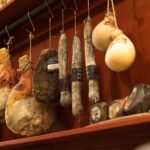
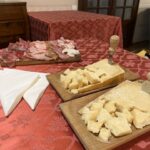
More Emilia wines to taste.



Space, Comfort, and Group Size: What to Expect in a Home Kitchen
Because this is in someone’s apartment, the experience is shaped by the space available.
Here’s the balanced truth:
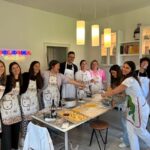
- In a small group, it feels personal and fun.
- If the group runs larger, the kitchen can feel cramped, as one review mentioned when there were about 14 people.
So what should you do with that?
- If you like lively group energy, you’ll probably enjoy the buzz around the table.
- If you hate tight spaces, come prepared for a home-kitchen layout. You might need to share counter space and work in close quarters.
A good compromise is to embrace the atmosphere. The tight kitchen is part of why it’s authentic.
Price and Value at $70: What You Get for the Money
$70 sounds specific, and it is. But the value depends on what’s included—and here, a lot is.
For your time and payment, you get:
- A hands-on cooking class (not just watching)
- Ingredients and guidance for multiple pasta types (tagliatelle/tortellini/ravioli-style dough and fillings)
- A full three-course meal with wine
- Dessert plus coffee
- Recipes to take home
In other words, you’re paying for three things at once:
1) instruction,
2) the full meal you make,
3) the take-home payoff (recipes and confidence).
If you’ve been craving a “food you actually learn” experience in Bologna, this is a strong deal on paper. You’re not spending money purely on entertainment or purely on dinner. You’re doing both.
Who This Class Suits Best (and Who Might Skip It)
This cooking class is ideal if you:
- Want a practical pasta skill, not a quick taste
- Like family-style meals and conversation
- Enjoy wine with lunch in an authentic setting
- Prefer learning from someone who cooks the way locals do at home
You might consider a different option if you:
- Strongly prefer professional restaurant kitchens and lots of elbow room
- Need a very polished, studio-like environment
- Dislike activities where you’ll be working right alongside others in a small home space
For most people, though, the home setting is the point. It’s what makes the pasta feel like something you earned.
Tips to Make Your 3 Hours Go Smoothly
These are small moves that help you enjoy the class even more:
- Come with a relaxed mindset. This is hands-on work. You’ll likely get flour on your hands.
- Ask questions early. The host is there to guide you, and it’s much easier to correct a technique while you’re still forming dough and fillings.
- If you’re vegetarian or have dietary needs, mention it when you book. Some sessions can tailor pasta offerings.
- Don’t rush the meal. Wine, dessert, and coffee are part of the experience—slow down and eat what you made.
- Save the recipes. Reading them later is where you turn this from a great memory into something you can repeat.
If you do those things, you’ll leave with more than pasta. You’ll leave with a method.
Should You Book This Bologna Pasta Cooking Class?
Yes—if you want the Bologna version of a cooking class: real home technique, real food, and a full lunch that feels personal.
Book it if:
- You care about hands-on pasta skills
- You want wine with dinner-table pacing
- You like the idea of learning from family tradition and taking recipes home
Skip it if:
- You need a large, modern workspace
- You’re very sensitive about home-apartment environments
- You want a strictly “observe-and-leave” experience rather than cooking
For $70 and a 3-hour schedule, it’s a solid value because you’re getting instruction and a complete meal with wine, dessert, and coffee—plus recipes for next time.
FAQ
Where is the meeting point?
The meeting point is Buzz Mattioli.
How long is the cooking class?
The activity runs for 3 hours.
What pasta will I learn to make?
You’ll learn how to prepare pasta dough for tagliatelle or tortellini, and also how to prepare dough and fill ravioli. The class also includes making three types of homemade pasta (like tortellini or tortelloni) and Bologna-style pasta.
Is the class hands-on?
Yes. It’s a hands-on cooking class, with guidance as you make your own pasta and fillings.
Is wine included?
Yes. Wine is included, and you’ll enjoy it with the meal and dessert.
What do I eat during the class?
You’ll have a three-course meal of pasta plus fresh fruit or cake/sweets depending on seasonal availability, followed by dessert.
Is coffee included?
Yes. Coffee is included at the end of the meal.
What languages are offered?
The host or greeter speaks English and Italian.
Do I get recipes to take home?
Yes. You’ll receive recipes at the end.
Can I cancel if my plans change?
You can cancel up to 24 hours in advance for a full refund.
Is it pay later?
Yes. You can reserve now & pay later, meaning you can book your spot without paying today.
More Emilia Wine Tastings
More Bologna Pasta and Cooking Classes
More Tour Reviews in Bologna


After something different? More ways to fill a day in Bologna and across Emilia-Romagna






Bologna Pasta-Making & Cooking Classes, compared.
 ★ 5.0Bologna Local Pasta Cooking Class, Ragu, Spritz, Wine & GelatoFrom $59527 reviews
 ★ 5.0Pastamama, Home Cooking Classes at Grace’s HomeFrom $114521 reviews
 ★ 5.0Pasta and Tiramisu Small Group Cooking Class with WineFrom $71409 reviews
 ★ 4.9Pasta Tagliatelle Ragu Cooking Class with SpritzFrom $79407 reviews
 ★ 5.0Bologna on the plate, Cooking Class with AlessiaFrom $89260 reviews
 ★ 5.0Cesarine: Small group Pasta and Tiramisu class in BolognaFrom $163172 reviews
 ★ 4.5Authentic Bologna Home Cooking Class: Tagliatelle & TortelliniFrom $78136 reviews
 ★ 4.7In-Home Italian Pasta Making Workshop with WineFrom $88131 reviews
Browse the lists this tour appears in