
Reviewed · BOLOGNA PASTA-MAKING & COOKING CLASSES
Bologna Local Pasta Cooking Class, Ragu, Spritz, Wine & Gelato
Some meals start as a skill.
This Bologna pasta-making class turns “I’d like to try pasta” into doing it yourself, with hands-on rolling and cutting of tagliatelle and a genuinely local meal. Two things I really liked: the small-group setup (so you’re not watching from the sidelines) and the focus on making a meal a Bolognese would actually recognize. One thing to keep in mind: ragù prep isn’t done during the class time, even though the ragù you eat is 100% homemade.
You also get the Emilia-Romagna aperitivo side of Bologna, not just dough and sauce. The start includes Mortadella, Crescenta, and a Pignoletto welcome, then you learn the Casoni spritz mix with local herbs. Past groups have shared that instructors like Vivian, Roberta, Lucrezia, Sonia, Stella, and Claudia keep the room relaxed and fun while staying on-task, which matters when you’re rolling dough for the first time.
Finally, you’re not leaving hungry. This is built like a full evening: fresh pasta with ragù and parmigiano reggiano (24 months aged), red wine (San Giovese), plus coffee, amaro, and a mystery gelato. Dietary options exist, but it’s best to flag restrictions early—gluten-free pasta and vegetarian sauces can be accommodated, yet severe allergies or strict limitations may be a mismatch.
In This Review
- Key highlights you’ll feel right away
- Where the evening starts: Piazza Galileo Galilei and a local aperitivo
- Casoni spritz in Bologna: how it’s built for the real aperitivo hour
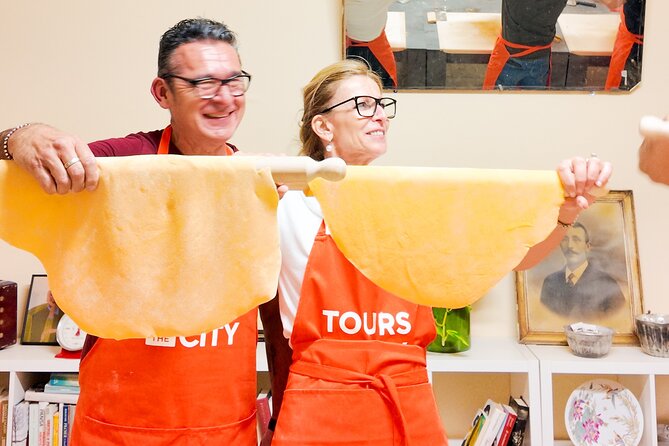
- Rolling dough the hard way: handmade tagliatelle without a machine
- The big payoff: fresh pasta you can replicate
- Ragù and parmigiano pairing: the Bologna sauce lesson you still get
- Dessert that finishes like an Italian meal: coffee, amaro, and mystery gelato
- Recipes to take home: PDFs that help you repeat the win
- Price and value: what $59.26 is really paying for
- Who should book this pasta class in Bologna
- Practical tips so you don’t waste a minute
- Should you book it? My take for Bologna food lovers
- FAQ
- How long is the Bologna Local Pasta Cooking Class?
- Where does the experience start and end?
- Is the class offered in English?
- How big is the group?
- What do I make and eat during the class?
- Is the ragù preparation included?
- Can the class accommodate gluten-free pasta or vegetarian sauces?
- Are recipes provided after the class?
- Is free cancellation available?
Key highlights you’ll feel right away
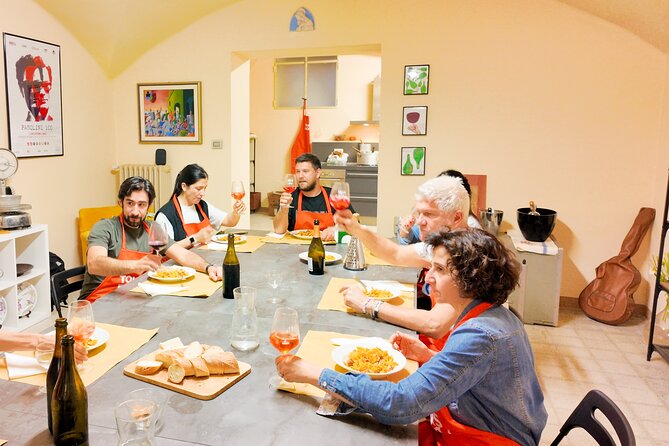
- Small-group cooking (up to 10 in the room, max 13 total) so you get real hands-on coaching
- Tagliatelle by hand, no pasta machines, meaning you learn the technique, not a shortcut
- Emilia-Romagna spritz lesson with the Casoni style and local-herb approach
- Real meal format: aperitivo, wine, pasta with ragù, parmigiano, then coffee and amaro
- Recipes available as email PDFs so you can repeat the results at home
Where the evening starts: Piazza Galileo Galilei and a local aperitivo
The experience meets at Piazza Galileo Galilei in Bologna’s historic center area. It’s easy to get to by public transport, and the mobile ticket system helps you walk in without complicated check-in steps.
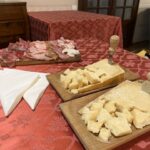
The first “food moment” is an aperitivo that sets the tone: you’re greeted with Pignoletto plus a plate featuring Mortadella, Crescenta, and the spritz-friendly bite vibe that Italians actually use to start a meal. This matters more than it sounds. A cooking class can become a lecture with snacks. Here, the aperitivo gets you into the rhythm of Bologna dining: small tastes first, then the main work.
And because the group is intentionally small, you can talk as you eat. You’ll quickly learn that a pasta class is social by default—you’re all trying to roll something flat and not make a flour cloud.
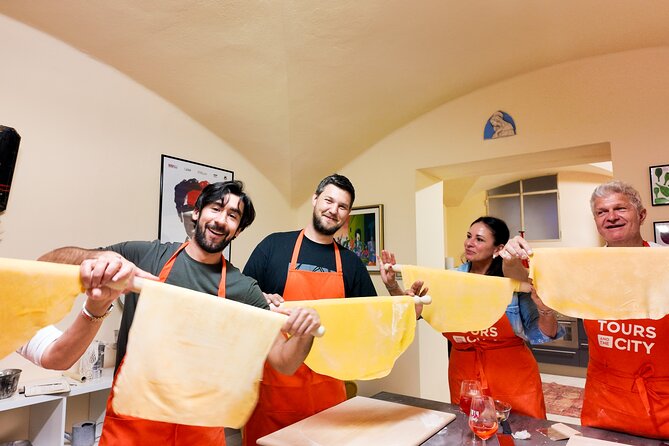
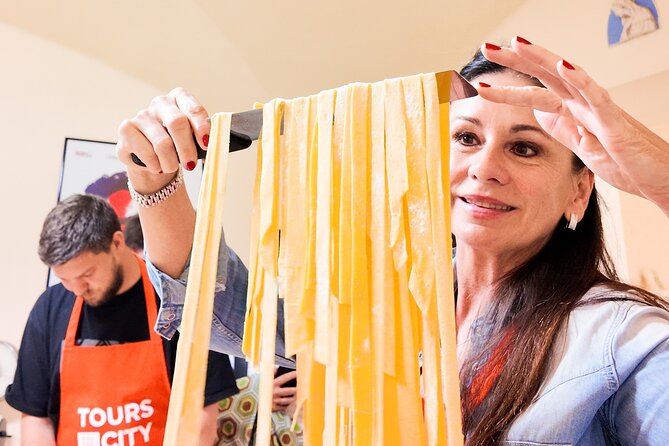
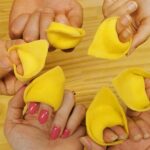
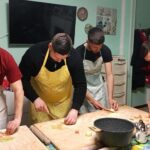
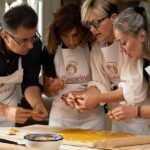
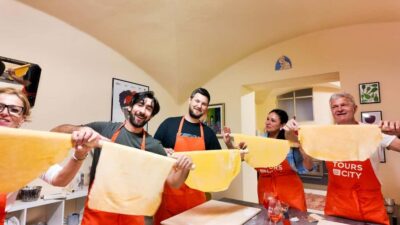
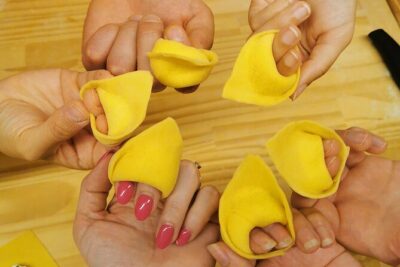
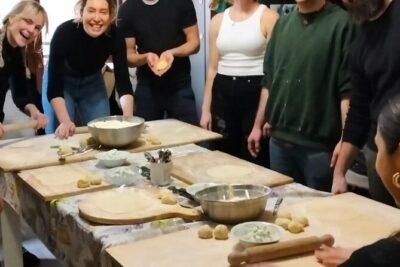
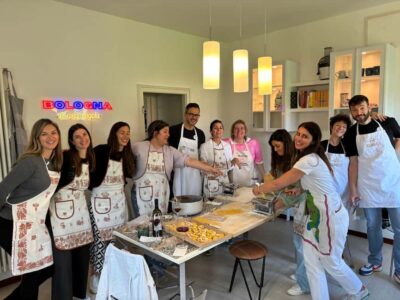
Back into the kitchen to roll tortellini and tagliatelle by hand.
Casoni spritz in Bologna: how it’s built for the real aperitivo hour
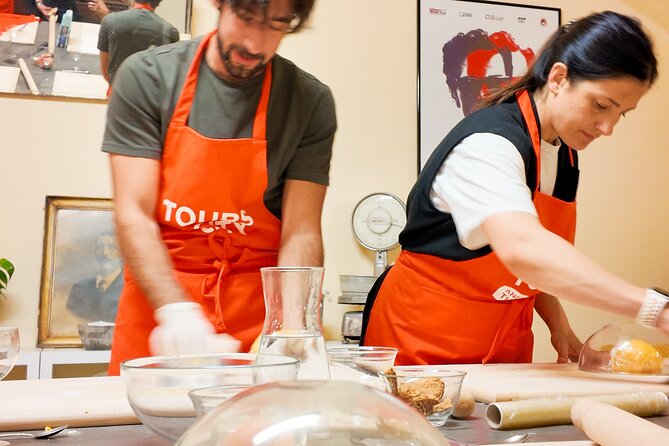
Before flour takes over, you’ll make a Casoni spritz, a regional twist on the spritz idea. The key detail is that it uses local herbs and a local recipe approach, so it doesn’t feel like a generic branded drink.
In practice, you’ll get two benefits from this. First, you learn the “mix logic” (how you balance the ingredients so it tastes right, not just sweet). Second, you learn the cultural expectation: in Emilia-Romagna, aperitivo isn’t a random bar detour. It’s part of the meal structure, and spritz is one of the ways Bologna households treat that moment.
If you’re a spritz person already, you might enjoy the way the class encourages tasting and comparing styles. Some past sessions have included tasting differences while cooking, including comparisons like Campari vs Aperol spritz, which is a useful way to understand why those drinks taste different even when the setup looks similar.
Rolling dough the hard way: handmade tagliatelle without a machine
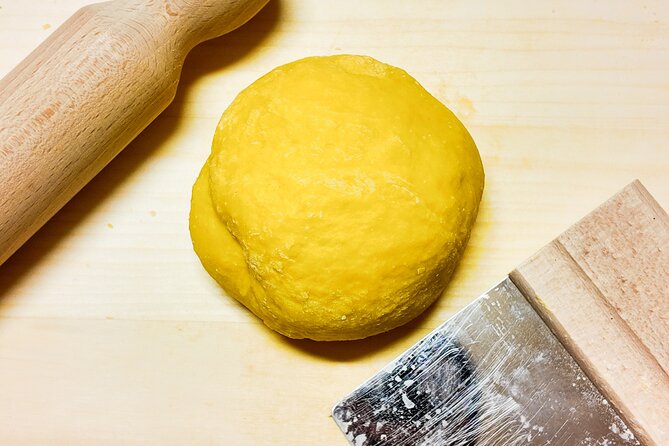
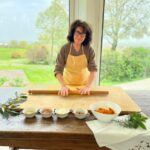
This is the core of the class, and it’s why it’s worth choosing this over a quick pasta demo. You’ll make pasta dough by hand. No machine. You are the muscle.
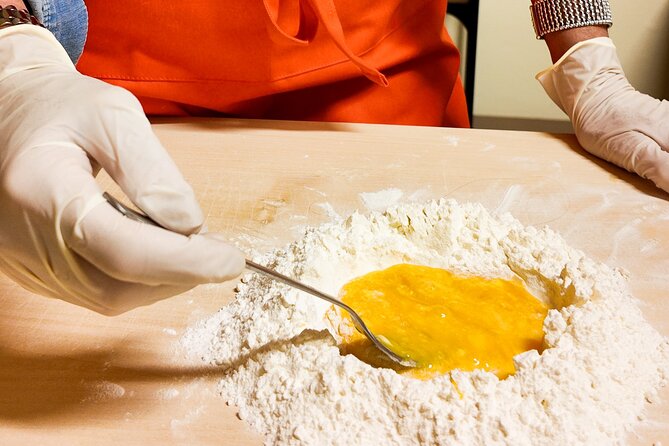
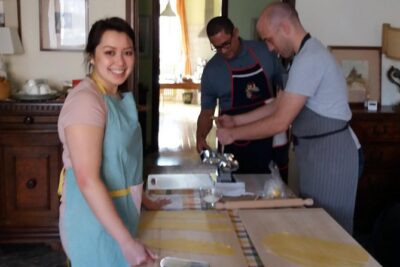
You’ll work with locally used ingredients—eggs and flour—then you’ll roll the dough, cut it into tagliatelle, and learn what “right” looks like as you go. Beginners often worry they’ll do everything wrong. The teaching style here is built to prevent that. The room is set up for step-by-step guidance, with instructors actively helping you when the dough goes too sticky, too dry, or just too stubborn.
A few practical reasons this is valuable:
- You learn the feel of the dough, which is the real skill behind fresh pasta.
- You understand how thickness affects cooking time and texture.
- You leave knowing how to troubleshoot at home, instead of hoping it works next time.
From the instructor stories shared in earlier sessions, the teaching vibe tends to be encouraging and practical, not stiff. Names that have shown up include Stefania/Stefi, Valentina, Stella, Stefanie, Claudia, and others. You can expect that same mix: calm direction plus enough humor to keep flour out of your stress.
The big payoff: fresh pasta you can replicate
Even if you’ve never made pasta before, you’ll likely finish with the confidence that you can do it again. Many classes let you taste your way through Italian food. This one pushes you into the technique side so you actually get better.
Ragù and parmigiano pairing: the Bologna sauce lesson you still get
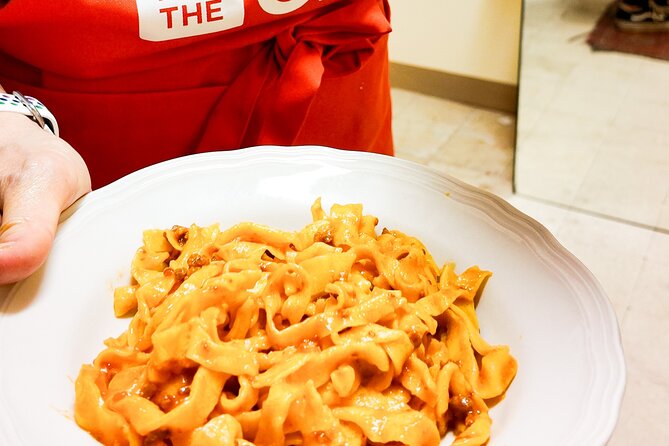
Here’s the clarity point: ragù preparation is not included in the class time because there isn’t enough time to fully do it step-by-step. What you do get is the important part: the ragù served to you is 100% homemade.
You’ll combine your freshly made pasta with the ragù and parmigiano reggiano aged 24 months. That aging detail isn’t decorative. Older parmigiano tends to taste deeper and more assertive, so it holds up in a rich meat sauce without disappearing.
Then there’s the wine pairing. You’ll be served a local red, San Giovese, which is a natural match for the ragù flavor profile. If you pay attention during the meal, you’ll start to understand how Bologna balances fat, salt, and richness with wine acidity and tannin structure.
One more detail that makes the meal feel real: this class is designed to teach you how the ingredients work together as a full plate. Tagliatelle alone is one thing. Tagliatelle with ragù and aged parmigiano is the Bologna idea of comfort food done properly.
Bologna after dark, spritz in hand.
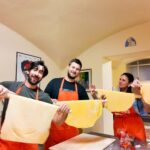
Dessert that finishes like an Italian meal: coffee, amaro, and mystery gelato
Don’t treat the sweet portion like an afterthought. In Italy, the end of the meal is part of the meal.
You’ll have:
- Caffe (coffee)
- Amaro (a bitter herbal liqueur)
- A mystery gelato for the final bite
That combination is classic: coffee signals the finish, amaro rounds out the flavors after something hearty, and gelato gives you that gentle, cooling landing.
Some past sessions have included extra flair, like a drizzle element with aged balsamic from Modena alongside gelato, but that isn’t stated as a guarantee for every group. Still, it’s a good sign that the dessert stage isn’t just a random add-on.
Recipes to take home: PDFs that help you repeat the win
You’ll be able to request the recipes as email PDFs. That’s a big deal if you want this class to turn into repeatable cooking instead of a one-off holiday memory.
What you’ll use most at home:
- Pasta dough proportions and handling notes
- How to roll and cut tagliatelle so it cooks evenly
- Tips for plating and pairing your pasta with ragù and parmigiano
If you learn best with something you can read later, ask for the PDFs soon after the class while the steps are fresh in your mind.
Price and value: what $59.26 is really paying for
At $59.26 per person, this class is priced like a mid-range food experience, but it’s not “just a lesson.” For your money, you’re getting:
- A hands-on pasta class (not a watch-and-sit format)
- An Emilia-Romagna aperitivo start (Pignoletto + Mortadella/Crescenta)
- A spritz-making component (Casoni)
- Fresh pasta with homemade ragù and aged parmigiano
- Wine (San Giovese) with the meal
- Coffee + amaro + gelato at the end
Three hours also helps. You’re not squeezing this into a tight schedule where you miss half the meal. You get time to learn, cook, and actually sit down and eat what you made.
If you like value in the practical sense—good food included, alcohol included, and real instruction included—this is the kind of experience that often feels like more than the ticket price once you tally what’s served.
Who should book this pasta class in Bologna
This is a strong match if you want:
- A hands-on cooking experience in a small group
- A “Bologna real life” meal: ragù, parmigiano, local aperitivo and spritz culture
- A class that leaves you with at-home skills, not just a photo of pasta
It’s especially good for:
- Couples and small groups who want to cook and eat together
- Food lovers who like technique (dough texture, rolling thickness, cutting shapes)
- Solo travelers who want built-in social interaction during the meal
It might be less ideal if:
- You’re hoping to learn every step of ragù preparation in the same session (ragù prep isn’t part of the class time)
- You have severe allergies or strict dietary restrictions, since while gluten-free pasta and vegetarian sauces may be possible, the class isn’t described as suitable for severe allergies
- You’re traveling with children expecting a child-focused menu (children are welcome, but the experience is designed for adults)
Practical tips so you don’t waste a minute
- Plan to arrive a bit early at Piazza Galileo Galilei so you can start with the aperitivo without rushing.
- Wear something comfortable. You’ll be rolling, handling dough, and likely getting a little flour on your cuffs.
- If you need gluten-free pasta or vegetarian sauce, tell the operator in advance so they can advise if it will work for your needs.
- If you care about exact recipes at home, remember to request the PDF email after the class.
Should you book it? My take for Bologna food lovers
If you want one high-impact food activity that combines technique, regional drinks, and a proper sit-down meal, I’d book this. The best part isn’t the fact that you get pasta. It’s that you learn the handmade approach, then eat your work with homemade ragù, aged parmigiano, and Bologna-style aperitivo culture around it.
Skip it only if ragù-making from scratch is your main goal, since ragù prep time isn’t covered in the class. Otherwise, for most people—novices included—this is a fun, practical way to leave Bologna with both a full belly and skills you can use again.
FAQ
How long is the Bologna Local Pasta Cooking Class?
It runs about 3 hours (approx.).
Where does the experience start and end?
It starts at Piazza Galileo Galilei and ends back at the same meeting point.
Is the class offered in English?
Yes, it’s offered in English.
How big is the group?
It’s limited to just 10 people, and the experience has a maximum of 13 travelers.
What do I make and eat during the class?
You’ll make tagliatelle pasta by hand and eat it with homemade ragù and parmigiano reggiano. You’ll also make a Casoni spritz, enjoy wine, and finish with coffee, amaro, and gelato.
Is the ragù preparation included?
No. The ragù preparation is not included in the class due to limited time, but the ragù you eat is 100% homemade.
Can the class accommodate gluten-free pasta or vegetarian sauces?
Yes, it can accommodate gluten-free pasta and vegetarian sauces, but it may not be suitable for people with severe allergies or strict dietary requirements.
Are recipes provided after the class?
Yes. Recipes can be delivered to you by email as PDF files upon request.
Is free cancellation available?
Yes. You can cancel for a full refund up to 24 hours in advance of the experience start time.
More Bologna Evenings and Aperitivo
More Bologna Pasta and Cooking Classes
More Tour Reviews in Bologna
After something different? More ways to fill a day in Bologna and across Emilia-Romagna




Bologna Pasta-Making & Cooking Classes, compared.
 ★ 5.0Pastamama, Home Cooking Classes at Grace’s HomeFrom $114521 reviews
 ★ 5.0Pasta and Tiramisu Small Group Cooking Class with WineFrom $71409 reviews
 ★ 4.9Pasta Tagliatelle Ragu Cooking Class with SpritzFrom $79407 reviews
 ★ 5.0Bologna on the plate, Cooking Class with AlessiaFrom $89260 reviews
 ★ 4.7Pasta Tagliatelle al Ragu Cooking Class with WineFrom $70225 reviews
 ★ 5.0Cesarine: Small group Pasta and Tiramisu class in BolognaFrom $163172 reviews
 ★ 4.5Authentic Bologna Home Cooking Class: Tagliatelle & TortelliniFrom $78136 reviews
 ★ 4.7In-Home Italian Pasta Making Workshop with WineFrom $88131 reviews
Browse the lists this tour appears in