
Reviewed · BOLOGNA PASTA-MAKING & COOKING CLASSES
Bologna: Pasta Cooking Class, Ragu & Wine with Local Host
Bologna’s ragù lessons smell amazing. In this pasta cooking class, you learn traditional Emilian recipes and how to pair them with local wine, explained with care by Alessia Fiocchi, a certified sommelier and cook. I especially like the hands-on pace, where you’re working with dough and sauce instead of just watching, and the wine pairing is taught in a way that helps you taste with purpose.
The setting is personal: you’re in a real home kitchen, not a studio classroom. You also get a playful extra touch with POL the cat as the judge, which turns the whole meal into something you’ll remember. A possible drawback: the menu includes multiple meat-centered options (like tagliatelle with meat sauce), so if you prefer strict vegetarian dishes, plan to lean into the vegetarian adaptation when offered.
In This Review
- Key highlights at a glance
- Bologna at Home: Learning Pasta With Alessia Fiocchi
- What You’ll Cook in 3 Hours: Emilian Classics, Not Quick Substitutions
- The starter: parmesan with balsamic or mortadella
- Your first-course choices: pick your pasta personality
- Ragù Meets Sommelier Logic: How Wine Pairing Works Here
- Dessert You Actually Make: Trifle or Tiramisu
- The Meal After Cooking: Bread, Wine, and a Rice Cake Finish
- Vegetarian Cooking in Bologna: What’s Available and How to Approach It
- Where to Meet in Bologna: The Gray Gate Detail
- Price and Value: What $79 Includes (and What You’re Really Paying For)
- Who This Cooking Class Fits Best
- Should You Book This Bologna Pasta and Ragù Class?
- FAQ
- How long is the Bologna pasta cooking class?
- What does the class include for food and drink?
- What first courses can I choose from?
- Can vegetarian guests be accommodated?
- What languages is the instructor available in?
- What do I receive besides the meal?
- Where do I meet the host in Bologna?
Key highlights at a glance
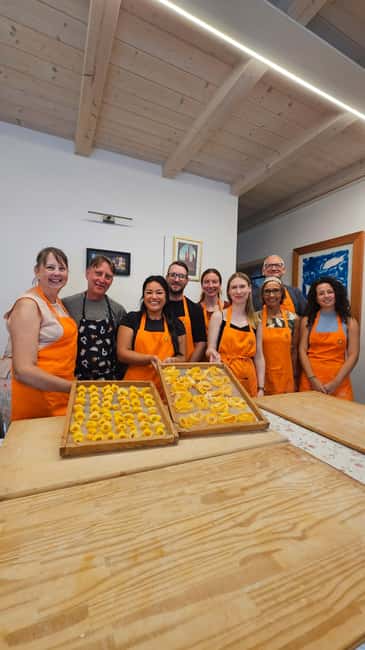
- Hands-on Emilian pasta: choose from classic shapes and dishes like tagliatelle, tortellini, lasagne, and more
- Wine pairing taught clearly by a certified sommelier, not just poured and forgotten
- Dessert choice: make either trifle or tiramisu
- Full meal pacing: you eat what you make, plus wine, homemade bread, and a rice cake after
- Vegetarian option available with pasta and sauce adjusted for your needs
- Small, attentive vibe that keeps you from feeling lost at any step
Bologna at Home: Learning Pasta With Alessia Fiocchi
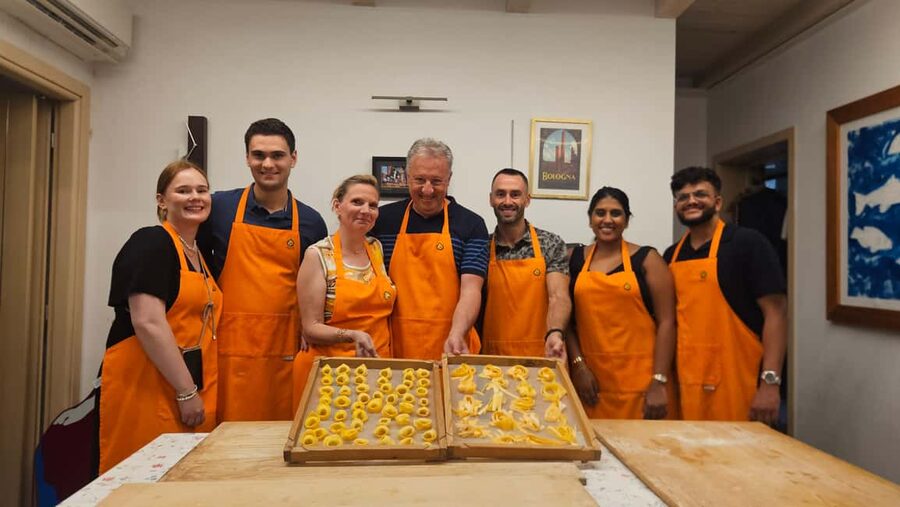
This class feels like you’re invited into Bologna for an evening of food work, not booked into a rigid show-and-tell. You’re cooking in Emilia-Romagna tradition with Alessia Fiocchi guiding the technique, the timing, and the taste. The biggest win is that you’re not only learning recipes—you’re learning how Bolognese cooking thinks.
Alessia brings a rare combo: practical cooking skill plus sommelier-level wine explanations. That pairing matters because in Italy, wine isn’t an accessory; it’s part of how the meal makes sense. You’ll taste the dishes you make and then understand what to look for in the wine alongside them.
One more detail that makes it feel human: POL the cat is part of the experience, acting as judge. It’s silly in the best way. It also tells you the tone—relaxed, friendly, and not overly formal.
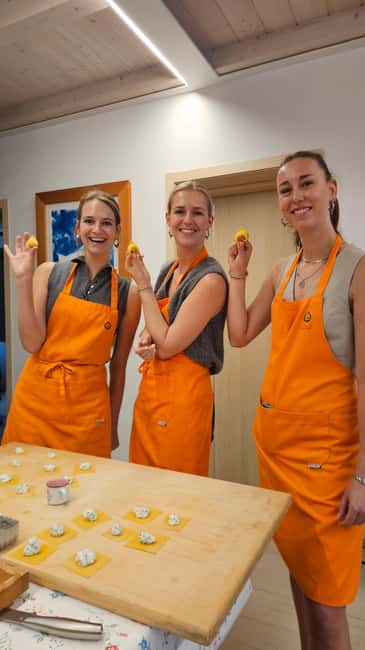
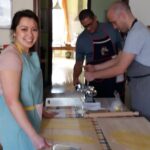
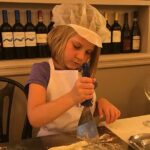
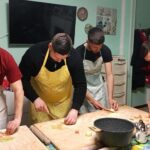
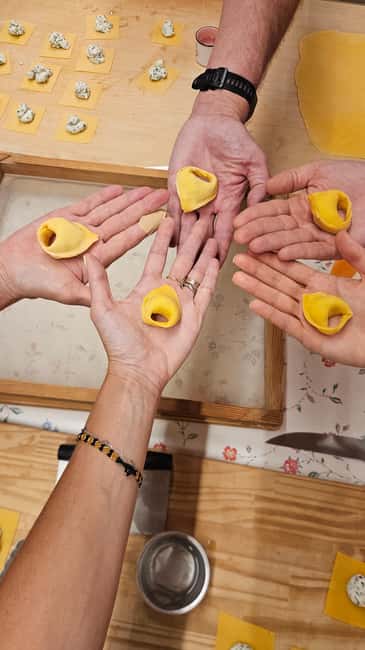
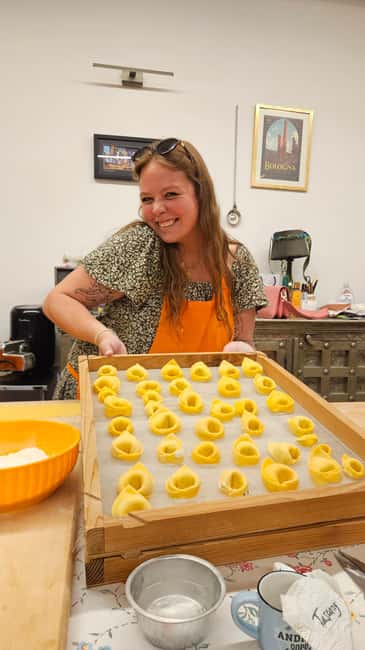
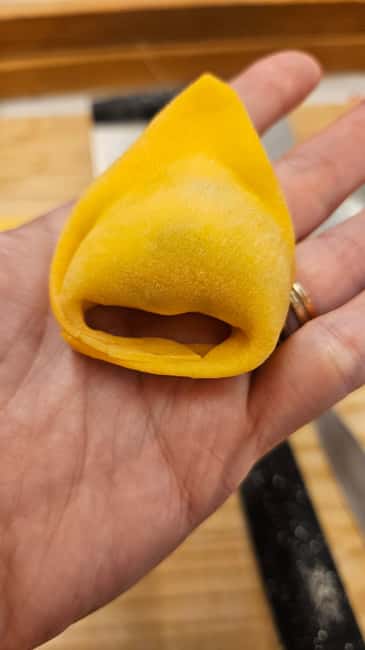
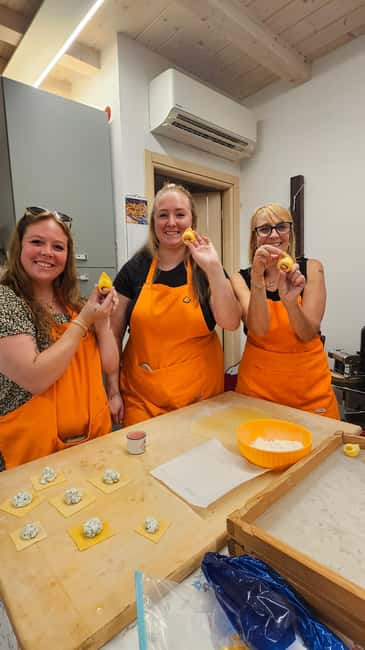
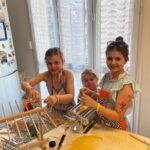
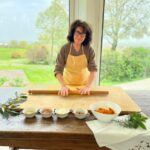
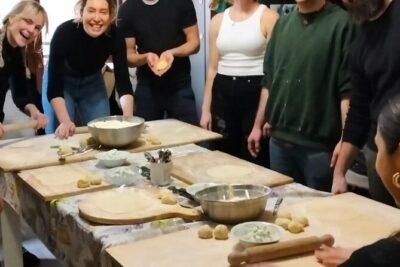
Back into the kitchen to roll tortellini and tagliatelle by hand.
What You’ll Cook in 3 Hours: Emilian Classics, Not Quick Substitutions
The menu is designed to take you through a broad slice of Emilian pasta culture. You start with a simple opener, move into substantial first courses, then finish with a dessert you actually make. And because first courses can be chosen by you, you can shape the class around what you want most.
The starter: parmesan with balsamic or mortadella
You begin with an appetizer built on two iconic Emilia-Romagna flavors: parmesan and either balsamic vinegar or mortadella. It’s a smart warm-up because it cues your palate for what’s coming—savory depth, creamy saltiness, and that sweet-sharp tang.
You’ll be tasting early, but it won’t feel like a random snack break. It’s part of how the meal is structured.
Your first-course choices: pick your pasta personality
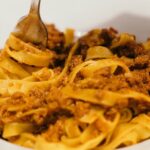
From there, you work with or learn recipes that include tagliatelle with meat sauce, tortellini in broth, lasagne alla bolognese, and passatelli in broth. You may also choose tortelloni with butter and sage, balanzoni, and farfalle with sauce.
Here’s why this lineup is valuable: you get to see how Emilian pasta changes with sauce style.
- If you choose broth-based dishes like tortellini or passatelli, you learn lightness and timing—how hot liquid handles pasta.
- If you pick lasagne alla bolognese, you get the layered logic of ragù and assembly.
- If you go for sage-butter style (like tortelloni with butter and sage), you learn how Emilian cooking can feel both rich and clean at the same time.
In other words, you’re not just learning a single recipe. You’re learning how to think about pairing pasta shapes with the job the sauce needs to do.
Ragù Meets Sommelier Logic: How Wine Pairing Works Here
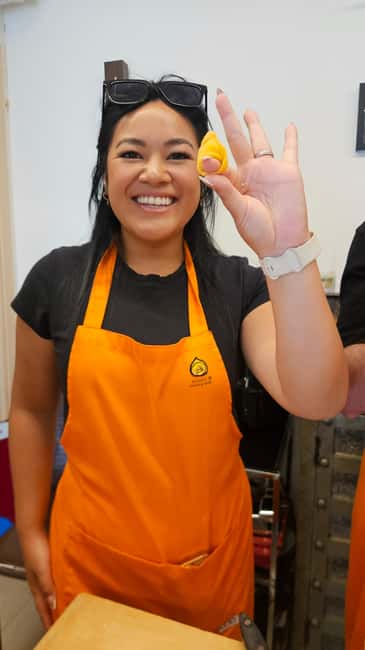
Bologna is famous for meat sauces, but this class doesn’t treat ragù like a secret formula you either know or don’t. Instead, you get technique and context that help you taste what’s happening. Alessia explains the dishes in a technical way, then connects that to wine.
What you’ll love is how the instruction pushes you past the simple question of Do I like it? You’ll learn what to pay attention to: how acidity, tannins, and aroma line up with savory sauce, cheese, and pastry-like pasta fillings.
You’ll also be drinking local wine throughout the meal. The experience isn’t just about one pour during a toast. It’s integrated into the food flow, so you can actually compare bites and sips.
If you’ve ever wondered why one wine suddenly makes a dish taste “bigger,” this is the kind of class that answers it with real examples in front of you.
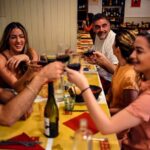
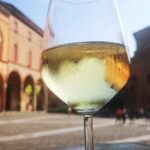
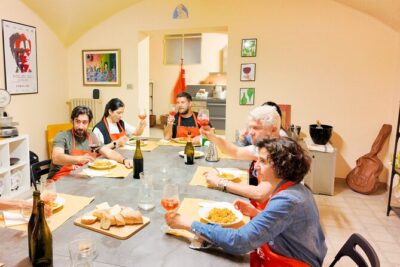
More Emilia wines to taste.
Dessert You Actually Make: Trifle or Tiramisu
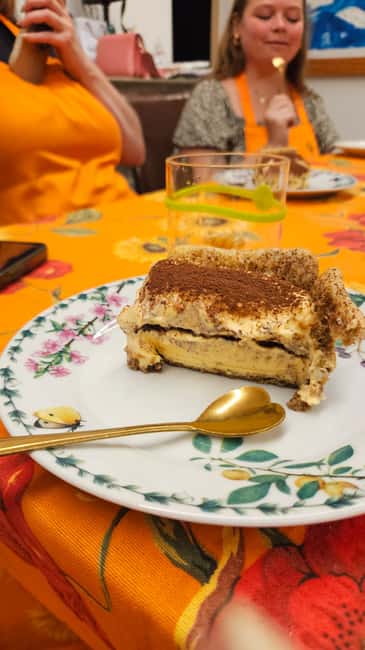
The dessert choice is one of the best parts because it gives you control over your mood. You can make trifle or tiramisu, and you’ll end up eating it as part of the experience, not just leaving with the idea of it.
Tiramisu is a natural fit for a wine-forward meal because it balances richness with a gentle bitterness from coffee and cocoa. If you go with trifle, you’re likely to get a lighter, fruit-and-cream style payoff, which can help reset your palate after multiple savory courses.
Either way, you’re learning by doing. That’s what makes dessert feel like a real skill, not a final flourish.
The Meal After Cooking: Bread, Wine, and a Rice Cake Finish
One reason people come back from Bologna with a cooking class still stuck in their heads is this: you get to eat your work while it’s at its best.
After you cook, wine is served along with homemade bread and rice cake. That part matters more than it sounds. Bread and dessert textures act like a bridge between courses, so you can keep tasting and adjusting instead of rushing to the next plate.
And because the wine is part of the meal rhythm, you get a more complete sense of how the whole table comes together in Emilia-Romagna style. You’ll leave with stronger instincts for pairing at home.
Vegetarian Cooking in Bologna: What’s Available and How to Approach It
Vegetarian guests can have pasta and sauce adapted to their needs. That’s a big deal because the classic Bologna lineup often leans on meat-based ragù and broths.
Here’s how to get the most out of the vegetarian option: treat it as a chance to learn technique, not just an alternative. Ask for guidance on how sauces are built and how balance changes when the protein changes. When a class is run by someone who’s both a cook and a sommelier, the adaptation usually includes the taste logic, not just ingredient swaps.
If you’re vegetarian, I’d focus your choices on the dishes where the sauce style can still shine—like broth-style or butter-and-herb approaches—while also requesting the version that fits your diet best.
Where to Meet in Bologna: The Gray Gate Detail
Logistics are simple here, but you should pay attention to the meeting point. You meet by standing in front of a gray gate and ringing the bell with the name Fiocchi.
That’s the kind of detail that saves time and stress. Bologna can be easy to walk around, but it’s also easy to miss a single gate when you’re juggling street names and phone maps.
Price and Value: What $79 Includes (and What You’re Really Paying For)
At $79 per person for about three hours, the value is strongest if you care about the full experience: cooking instruction, tasting, and wine education, all in a home-kitchen setting.
Here’s what’s included:
- Food and wine you taste during the class
- Materials provided by the host
- A chef certificate for one day
You’re not just paying for the meal. You’re paying for instruction that connects cooking technique to flavor, plus wine guidance to help you understand what you’re drinking. That’s why this can be a better use of money than a heavier restaurant meal if your goal is to bring skills home.
Also, the hands-on nature matters. When you make pasta and dessert yourself, you get repeatable knowledge, not just a satisfying dinner.
Who This Cooking Class Fits Best
This is a great fit if you want Bologna flavor without standing in line. You like real instruction in a small group and you’re open to tasting several dishes. It also helps if you’re curious about wine pairings and want explanations you can actually use later.
You’ll probably enjoy it most if:
- You want to cook traditional Emilian dishes, not reinvent them from scratch
- You care about wine and want clear, technical pairing guidance
- You’d rather learn in an intimate home setting than a large group venue
If you’re someone who hates cooking steps or you’re worried about active participation, this might feel more hands-on than you expect, since the class is built around making and tasting.
Should You Book This Bologna Pasta and Ragù Class?
Book it if you want an evening that combines three things people often separate: pasta technique, Emilian sauce thinking, and wine pairing you can understand. The small-group feel and the attention Alessia Fiocchi gives you make it more than a meal with a chef hat.
Skip it (or message ahead carefully) if you have strong dietary restrictions beyond the vegetarian adaptation, or if you’re expecting a purely meatless menu by default. The experience is built around tradition, so your best move is to plan your choices around how vegetarian customization works on your date.
If you want a practical souvenir that travels well—skills, not just photos—this is exactly that kind of class.
FAQ
How long is the Bologna pasta cooking class?
The experience runs for 3 hours.
What does the class include for food and drink?
You’ll taste the dishes you make with local wine, plus homemade bread and a rice cake after the meal. The menu includes a starter (parmesan with balsamic vinegar or mortadella), first courses chosen by you, and dessert with a choice between trifle or tiramisu.
What first courses can I choose from?
Options listed include tagliatelle with meat sauce, tortellini in broth, lasagne alla bolognese, passatelli in broth, tortelloni with butter and sage, balanzoni, and farfalle with sauce.
Can vegetarian guests be accommodated?
Yes. There is a possibility to make pasta and sauce suitable for vegetarian needs.
What languages is the instructor available in?
Instruction is offered in English and Italian.
What do I receive besides the meal?
Materials are provided, and you receive a chef certificate for one day.
Where do I meet the host in Bologna?
Meet at a gray gate and ring the bell with the name Fiocchi.
More Emilia Wine Tastings
More Bologna Pasta and Cooking Classes
More Tour Reviews in Bologna
After something different? More ways to fill a day in Bologna and across Emilia-Romagna




Bologna Pasta-Making & Cooking Classes, compared.
 ★ 5.0Bologna Local Pasta Cooking Class, Ragu, Spritz, Wine & GelatoFrom $59527 reviews
 ★ 5.0Pastamama, Home Cooking Classes at Grace’s HomeFrom $114521 reviews
 ★ 5.0Pasta and Tiramisu Small Group Cooking Class with WineFrom $71409 reviews
 ★ 4.9Pasta Tagliatelle Ragu Cooking Class with SpritzFrom $79407 reviews
 ★ 5.0Bologna on the plate, Cooking Class with AlessiaFrom $89260 reviews
 ★ 4.7Pasta Tagliatelle al Ragu Cooking Class with WineFrom $70225 reviews
 ★ 5.0Cesarine: Small group Pasta and Tiramisu class in BolognaFrom $163172 reviews
 ★ 4.5Authentic Bologna Home Cooking Class: Tagliatelle & TortelliniFrom $78136 reviews
Browse the lists this tour appears in