
Reviewed · BOLOGNA WALKING TOURS & CITY HIGHLIGHTS
Walking tour unveiling Bologna
Bologna is one of Italy’s smartest walking cities. This 3 to 4 hour stroll is built around the things that make Bologna feel like Bologna: medieval towers, the arcades and porticoes, and a clear path through the historic center. I particularly like how the route pairs landmark moments with smaller street details, like alleyways and courts, so you’re not just checking boxes. One thing to think about: coffee and the street-food lunch break are listed as not included, so you’ll want a little extra budget.
What really sells it is the guide style. Names like Olga, Mirko, and Elena show up in feedback for being engaging, good at explaining what you’re seeing, and helpful with restaurant ideas. If you only have half a day and you want your first Bologna impressions to feel organized (not rushed), this format fits well.
In This Review
- Key highlights to look for
- Why this 3 to 4 hour Bologna walk feels efficient
- Neptune Square meet-up: a practical starting point
- Via Guglielmo Oberdan coffee taste: start with Bologna in your hands
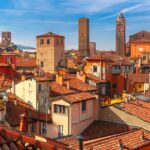
- Le Due Torri and the Torre degli Asinell: towers seen through story streets
- Corte Isolani porticoes: where Bologna’s arcades feel real
- Piazza Santo Stefano: medieval square plus seven churches and Dante
- Via Borgonuovo street food: Romagna flavors to finish strong
- Price and value: what you’re paying for (and what’s extra)
- The guide experience: what past tours highlight
- Who this Bologna walking tour suits best
- Should you book this tour?
- FAQ
- Where does the walking tour start?
- How long is the walking tour?
- How much does it cost?
- Is there a mobile ticket?
- What are the main stops on the route?
- Is free cancellation available?
Key highlights to look for
- Coffee start on Via Guglielmo Oberdan with a taste led by Caffè Terzi
- Le Due Torri and the Torre degli Asinell from the perspective of Bologna’s story streets
- Corte Isolani’s porticoes and courtyard feel as you move toward Piazza S. Stefano
- Piazza Santo Stefano’s seven small churches and the Dante connection
- A Via Borgonuovo street-food tasting moment focused on Romagna-style flavors
- A group size capped at 15 so questions and pacing stay manageable
Why this 3 to 4 hour Bologna walk feels efficient
Bologna rewards slow wandering, but most visitors don’t have all day. This tour is a good compromise: it focuses on the city’s most recognizable visuals while still leaving room for the little “wait, look at that” details. With a maximum of 15 people, you’re less likely to feel like you’re being herded through narrow streets. You can actually hear the guide and keep up without playing leapfrog.
You’re also moving through the center in a way that makes sense for first-time orientation. The route ties together three major Bologna themes:
- Towers (the city’s vertical identity)
- Arcades and porticoes (the long, covered walkways that shape daily life)
- Medieval squares and churches (where the story gets more layered)
And you get tasting moments along the way, which is a smart way to absorb a place. Food turns a memory into something you can recall later, even when the street details start blending together.
More of the old town on foot, towers and squares and back streets.


Neptune Square meet-up: a practical starting point
You’ll gather at Piazza del Nettuno, the lively square where the Neptune Fountain anchors the view. Starting here is practical because you can orient quickly and you’re already in the historic-center area that people associate with Bologna’s core.
Expect the route to follow that “Bologna rhythm”: short walks that link one visual anchor to the next. The streets can feel tight, and Bologna’s best features often appear just around the corner—so your best move is to show up on time, keep your phone charged for a mobile ticket, and wear shoes that handle uneven older stone.
The tour also notes it’s near public transportation. That helps if you’re coming from a hotel outside the center or if you want an easy return after your 3 to 4 hour window.
Via Guglielmo Oberdan coffee taste: start with Bologna in your hands
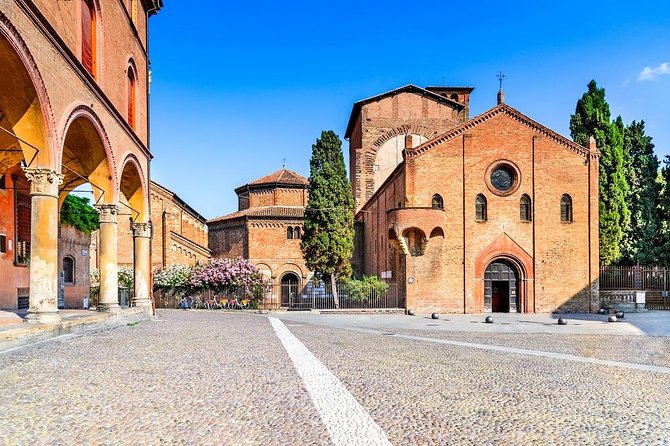
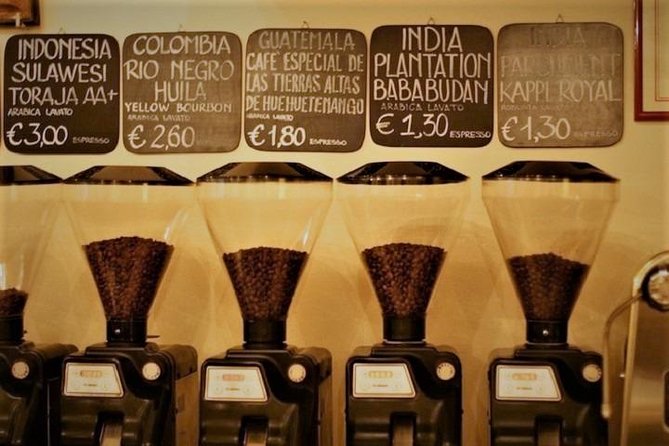
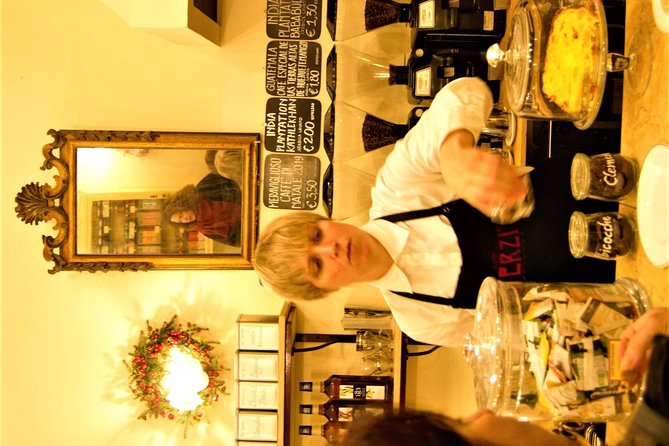
The first stop is Via Guglielmo Oberdan, where you’ll have a coffee taste and a short introduction to what makes Bologna’s coffee style special. The tasting is done by Caffè Terzi.
Even if you think you already know what you’re ordering at an Italian café, this kind of start helps your brain lock onto the city’s rhythm. Coffee in Italy isn’t just a drink; it’s a social cue. A good guide uses that to explain the local pace—what people do in the morning, how the café culture fits into the street scene, and why certain places become daily rituals.
Practical note: coffee and/or tea are listed as not included, so plan for that cost. The good part is that the tour doesn’t treat it like a random side quest. It’s the opening key that connects you to the city before the architecture takes over.
Le Due Torri and the Torre degli Asinell: towers seen through story streets

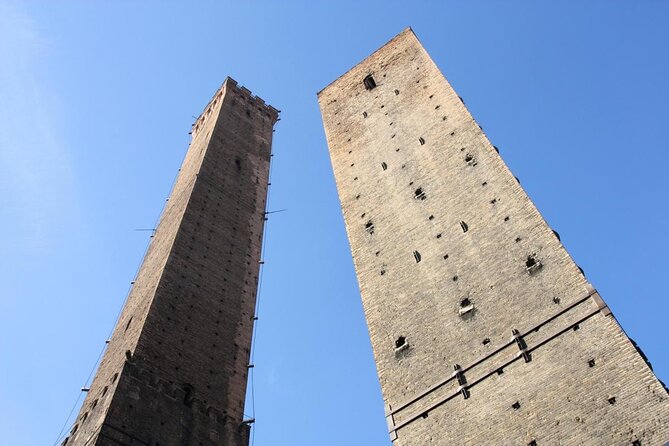
Next comes Le Due Torri, specifically the Torre degli Asinell. This is one of those moments where Bologna goes from “pretty city” to “wow, the city has a personality.”
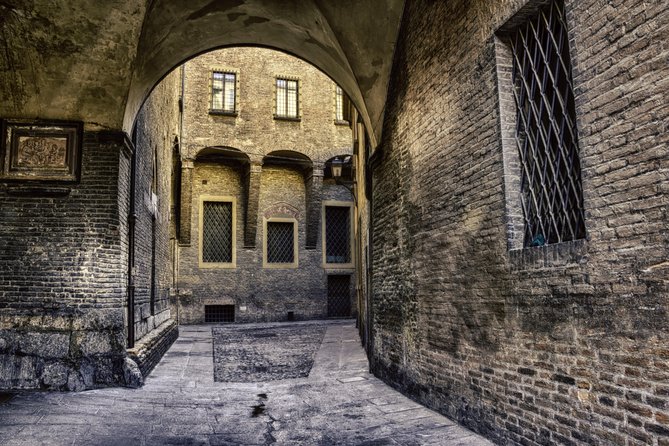
You’ll pass through a small alleyway connected to the former Ghetto area before reaching the towers. That turn in the route matters. It prevents the towers from becoming a postcard-only sight. You’re reminded that the same streets that show off Bologna’s skyline also held real human history, and the guide’s job is to connect the visuals to the context.
You spend about 30 minutes here, which is usually the sweet spot. You get time for photos without turning the towers stop into a long detour. And because the group is small, you can ask questions about what you’re seeing: tower functions, why Bologna built upward, and how these structures shaped the identity of the city.
If you’re the type who enjoys architectural details—like how medieval city power expressed itself in stone—this stop is a strong one.
Corte Isolani porticoes: where Bologna’s arcades feel real
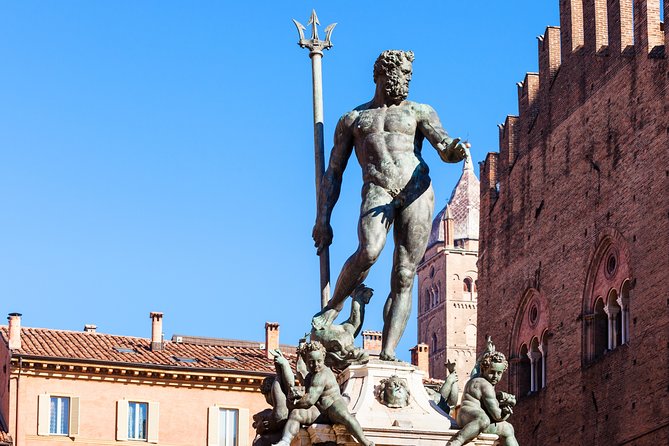
Then you move toward Corte Isolani, one of Bologna’s ancient porticoes. This is where many cities fail tourists: they point at arcades, but they don’t help you understand how they work.
Here, the guide explains the legacy and the secrets of the porticoes as you walk. You’re not just passing under arches for shade—you’re experiencing a piece of Bologna’s daily design. The tour also takes you through Isolani’s courts, then leads you toward Piazza S. Stefano.
Why this stop is valuable: porticoes are Bologna’s “everyday landmark.” Once you see them explained, you start noticing how they frame streets, protect pedestrians, and create a different kind of city space—one that feels more human-scaled than open plazas.
Also, the route keeps things moving. About 30 minutes at this stage is enough to build appreciation without eating up your time before the bigger square stop.



Piazza Santo Stefano: medieval square plus seven churches and Dante
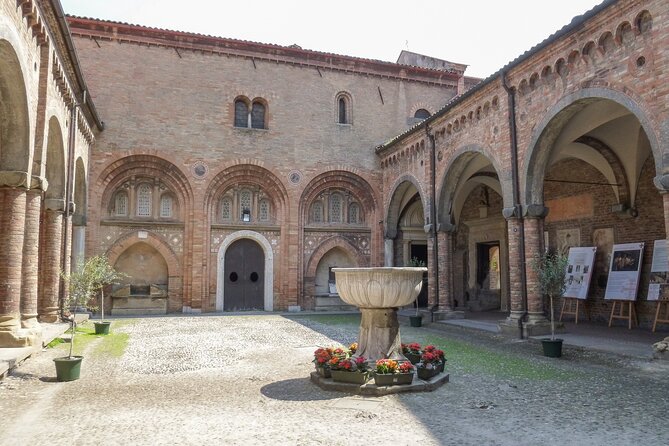
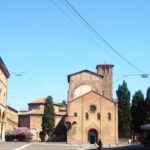
Piazza Santo Stefano is one of the city center’s most prominent medieval squares, and the tour gives it the focus it deserves. You’ll have around an hour here, plus access to the seven little churches.
That matters because Bologna’s religious architecture isn’t just about one church. It’s about the cluster, the layout, and the way the area feels like a living set of connected spaces. With an hour, you can slow down enough to notice what you’d normally rush past.
The guide also points you toward the Dante connection—how Dante’s writing took inspiration from what he found here for his comedy. The exact literary link is the kind of detail that turns a square from scenic to meaningful. Even if you’re not a hardcore literature person, it gives you a reason to look beyond the obvious.
Possible drawback to consider: if you prefer sightseeing that stays mostly outdoors and you’d rather avoid church interiors, this is the part of the tour that may feel heavier on “inside time.” The good news is you have an hour, so you’re not stuck for ages. You can pace yourself with the group.
Via Borgonuovo street food: Romagna flavors to finish strong
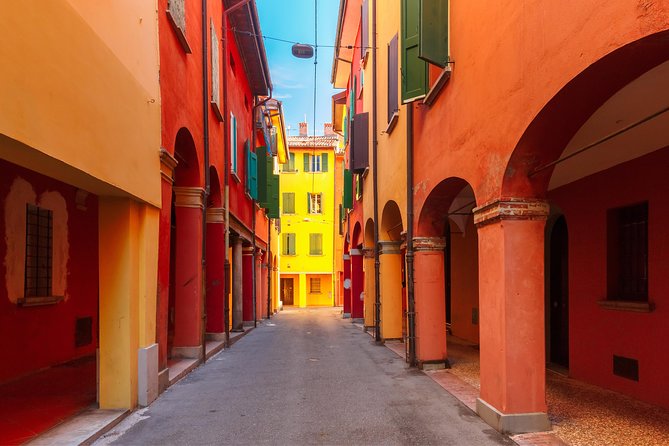
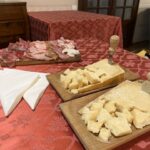
The final taste moment happens on Via Borgonuovo, where you’ll stop for typical street food from the Romagna area.
This is where the tour balances the “Bologna architecture” theme with something you can actually enjoy in the moment. Street food helps you remember the experience with your senses, not just photos. It’s also a nice finish after church and portico stops, because it shifts you back into street-life mode.
The tour notes a lunch break with piadina as a local street-food option, but lunch is listed as not included. So treat this final stop as the moment when you’ll likely spend a bit more. If you’re budgeting tightly, you can still enjoy the introduction; just don’t assume everything on the food side is included in the $45.71 price.
Either way, the pairing works. By the time you reach Via Borgonuovo, you understand the city’s “look,” and now you get the city’s “flavor.”
Price and value: what you’re paying for (and what’s extra)
At $45.71 per person, you’re paying for guided storytelling and a structured walk through key Bologna identity spots, not for a full food package. The tour includes a mini-guide, which is useful for keeping your bearings and jogging your memory later.
Coffee and/or tea and the street-food/lunch break are listed as not included. That’s the main budget caveat. The upside is that you’ll get tasting moments tied directly to the route, so you’re not stuck hunting for food on your own at the end.
Group size is also part of the value equation. A max of 15 travelers means you’re not competing for attention in a maze of arcades. That quality of guiding is exactly what helps you leave with more than just images.
The guide experience: what past tours highlight
The tour seems to attract guides who take explaining seriously. The names Olga, Mirko, and Elena come up for being personable, engaging, and clearly comfortable with the city. One highlight is how guides help you feel prepared and supported, including confirming plans ahead of time and offering restaurant recommendations after the walk.
That sort of practical follow-through is underrated. In a place like Bologna, where restaurant choices can feel overwhelming, a short list of where to go next can turn your evening into a win instead of a gamble.
Who this Bologna walking tour suits best
This tour fits best if you:
- Want an organized introduction to Bologna in 3 to 4 hours
- Like architecture but also want the story behind it, not just the view
- Enjoy food moments as a way to remember a city
- Prefer smaller groups (you’ll be up to 15 people)
It’s also a solid option for people who’ve been in Bologna before and still want a different angle. The format focuses on identity landmarks plus smaller street connections, which can feel like a fresh walk rather than repetition.
If you dislike walking for multiple hours, or if you’re not interested in towers/porticoes/church interiors, you might feel the route is too “center-core.” But for most first-timers—and for architecture lovers—this is a smart use of limited time.
Should you book this tour?
I’d book it if you want a focused Bologna route that ties together towers, porticoes, and a real medieval square stop, with food tasting moments that make the experience memorable. The small group size and strong guide reputation are real strengths, and starting at Piazza del Nettuno keeps logistics simple.
Hold off or double-check your budget if you don’t want to add extra costs for coffee/tea and the street-food/lunch part, since those are listed as not included. If you’re okay with that, you’ll come away with a clearer picture of why Bologna looks the way it does and how the city’s spaces connect to its culture.
FAQ
Where does the walking tour start?
It starts at Neptune Square, Piazza del Nettuno, Bologna and ends back at the same meeting point.
How long is the walking tour?
The tour lasts about 3 to 4 hours.
How much does it cost?
The price is $45.71 per person.
Is there a mobile ticket?
Yes, it includes a mobile ticket.
What are the main stops on the route?
You’ll visit Via Guglielmo Oberdan (coffee taste), Le Due Torri / Torre degli Asinell, Corte Isolani (porticoes and courts), Piazza Santo Stefano (access to seven small churches), and Via Borgonuovo (street food tasting).
Is free cancellation available?
Yes. You can cancel for a full refund up to 24 hours before the start time.
More Bologna Walking Tours

More Tour Reviews in Bologna
After something different? More ways to fill a day in Bologna and across Emilia-Romagna








Bologna Walking Tours & City Highlights, compared.
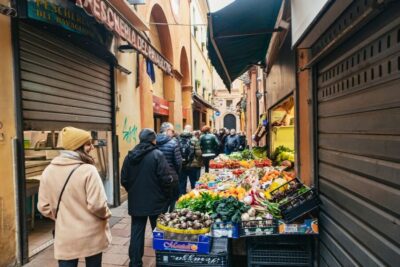 ★ 4.5City Center Walking TourFrom $263,478 reviews
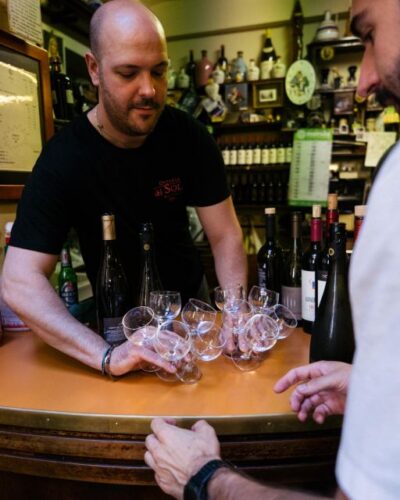 ★ 4.8Walking Food Tour with a Local GuideFrom $90882 reviews
 ★ 5.0Private Half Day Parma Food Walking TourFrom $134561 reviews
 ★ 3.7Open Bus City Tour and Local Food TastingFrom $46550 reviews
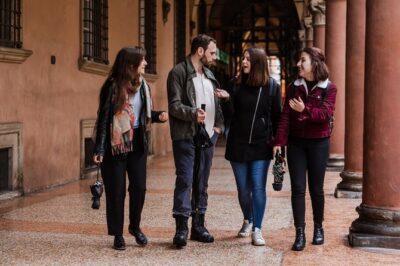 ★ 5.0Bologna Private Highlights & Hidden Gems Tour with a LocalFrom $77359 reviews
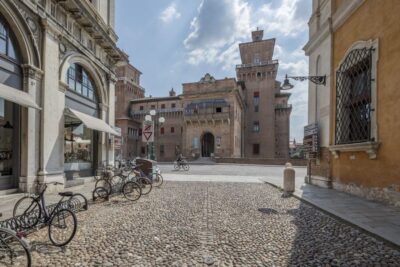 ★ 4.6City Highlights Walking Tour with Local GuideFrom $17219 reviews
 ★ 4.9City Center Guided Wine Walking TourFrom $70210 reviews
 ★ 4.2City Walking TourFrom $27203 reviews
Browse the lists this tour appears in