
Reviewed · BOLOGNA WALKING TOURS & CITY HIGHLIGHTS
Ferrara: City Highlights Walking Tour with Local Guide
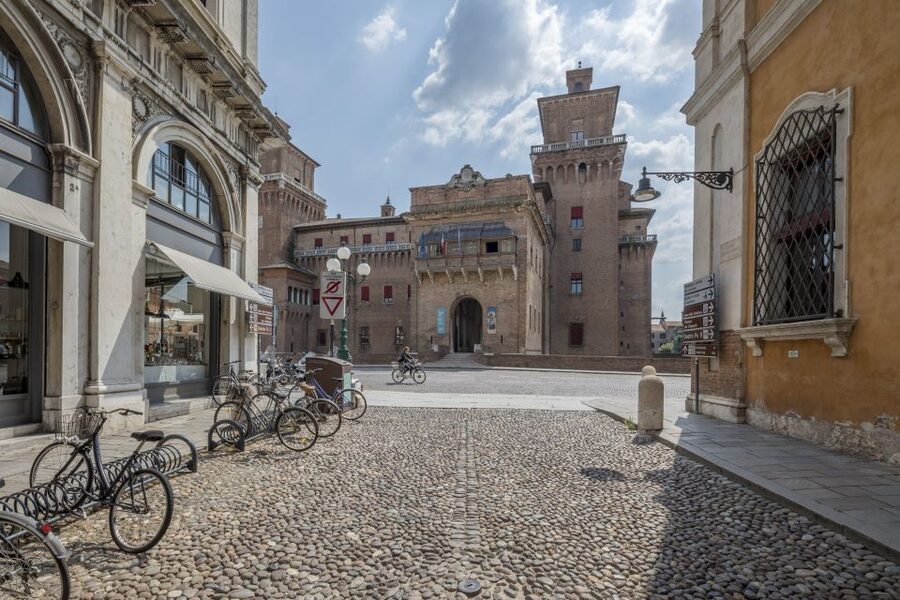
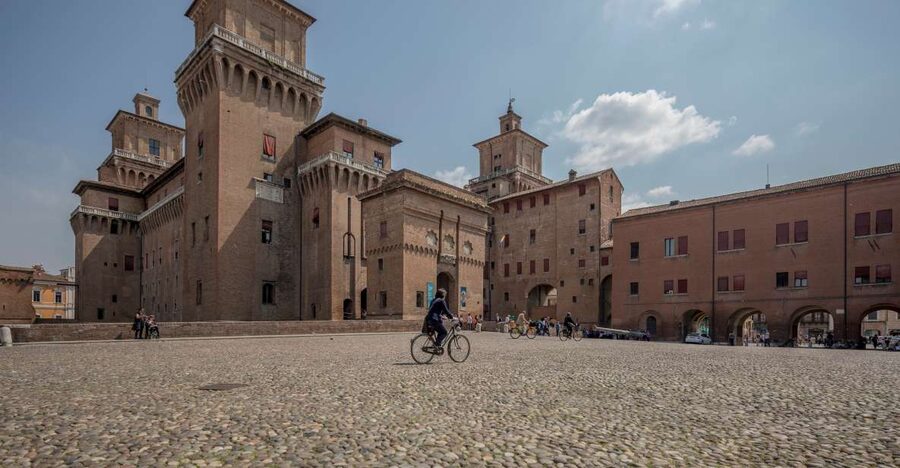
Ferrara rewards slow walking, not a rush. This 2-hour city highlights walk connects the Middle Ages to the Renaissance, using real landmarks like Estense Castle and the smart urban planning behind Ferrara’s UNESCO-listed center. I especially love the panoramic start from the castle and the way the tour makes palaces and churches feel like parts of one story, not a random hit list.
I also like the visual payoff: the march from grand architecture to the crisp geometry of Palazzo dei Diamanti keeps things concrete and memorable. One thing to factor in: entrance tickets aren’t included, so if an interior you want to see needs a paid ticket, you’ll handle that separately.
In This Review
- Key highlights you will feel during the walk
- Ferrara’s “human-sized” Renaissance center, explained while you walk
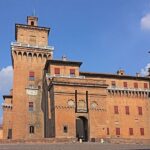
- Starting in the courtyard of Estense Castle: where the story begins
- Corso Ercole I d’Este and the Addizione Erculea: Renaissance planning you can see
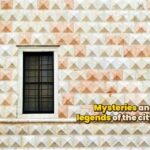
- Palazzo dei Diamanti: when the façade becomes a lesson
- Massari Park and the University Botanical Garden: a green pause with real character
- S. Cristoforo alla Certosa: Renaissance church inside a Monumental Cemetery
- Piazza Ariostea and the Ariosto finish: closing on poetry and perspective
- Price and value: what $17 buys you in Ferrara
- What to watch for on the day: language, weather, and pacing
- Which kind of traveler will love this most
- Should you book this Ferrara highlights walking tour?
- FAQ
- Where is the tour meeting point?
- How long is the walking tour?
- What is the price?
- What will we see during the tour?
- Is an entrance ticket included?
- What language are the guide and audio in?
- Is the tour wheelchair accessible?
- Is there an internal visit during the tour?
- What should I bring for rainy weather?
- Are there flexible booking options and cancellation terms?
Key highlights you will feel during the walk
- Estense Castle viewpoints that give you instant city orientation
- Corso Ercole I d’Este and the planning logic of the Addizione Erculea
- Palazzo dei Diamanti and its famous diamond façade in context
- Massari Park with centuries-old cedars of Lebanon and a calm reset
- S. Cristoforo alla Certosa and its Renaissance church within the Monumental Cemetery
- Piazza Ariostea tied to Ariosto’s legacy and the finishing loggia
Ferrara’s “human-sized” Renaissance center, explained while you walk
Ferrara can feel like a friendly city with a brain. The old core is compact enough that you can actually connect the dots while moving, and the tour is built for that. You’re not just looking at buildings. You’re learning how power, art, and city design shaped daily life between medieval courts and Renaissance ambition.
You’ll also notice something many places miss: the city isn’t frozen in one era. Instead, Ferrara layers eras in the same streets. That’s why a walking tour works so well here. Every stop becomes a clue, and the guide helps you read those clues quickly.
And yes, the route is only 2 hours, so it fits easily into a day of museums, food breaks, and wandering. At $17 per person, it’s also a fairly low-cost way to get the structure you’d otherwise have to research on your phone.
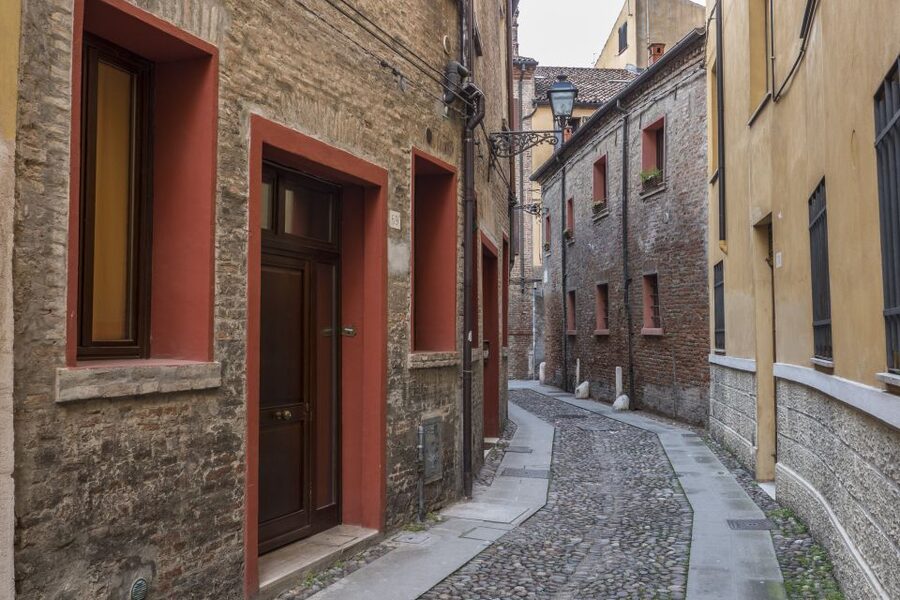
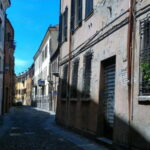
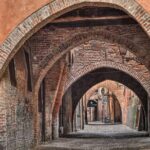
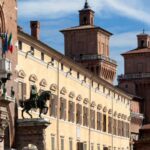
More of the old town on foot, towers and squares and back streets.
Starting in the courtyard of Estense Castle: where the story begins
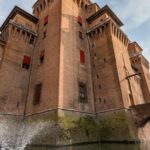
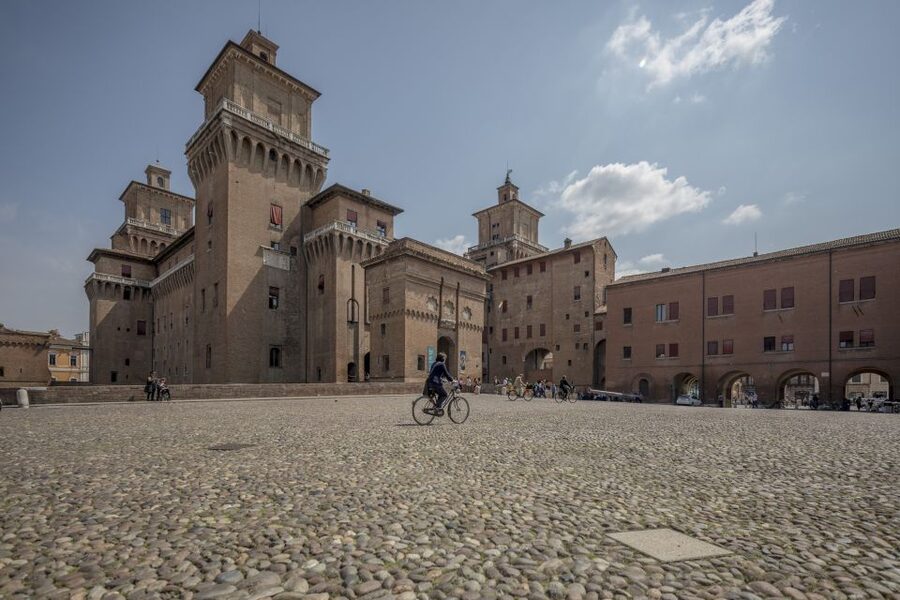
You meet in the courtyard of Estense Castle, near the loggia. That choice matters. From the castle you get a high-level sense of where the city stretches, which makes everything you’ll walk later feel logical instead of scattered.
The guide starts by using the castle as a reference point for the main axis of Ferrara’s Renaissance planning. You’ll look out and understand how the road that connects the Castle to the north gate of the walls shaped movement through the city. That road is Corso Ercole I d’Este, and it’s the spine of what comes next.
Then the tour connects the view to a specific creative achievement: the Renaissance addition commissioned by Ercole I d’Este and realized by the Ferrarese architect Biagio Rossetti. Hearing the names as you stand in front of the results helps the architecture stick.
Corso Ercole I d’Este and the Addizione Erculea: Renaissance planning you can see
Ferrara’s Renaissance fame isn’t only about one palace or one artist. It’s also about planning—how rulers used design to shape the city’s future. Here, that planning is the Addizione Erculea, an urban expansion planned at the end of the 15th century.
Walking along Corso Ercole I d’Este, you’ll understand how a court could reorganize space. The guide points out how streets, the flow of movement, and placement of major monuments support the political and cultural goals of the Este family.
This is one of the most valuable parts of the tour because it changes how you look at Ferrara afterward. You stop seeing the center as a pretty set of sights and start seeing it as a coordinated project. If you like cities where the layout tells a story, you’ll get a lot from this section.
Palazzo dei Diamanti: when the façade becomes a lesson
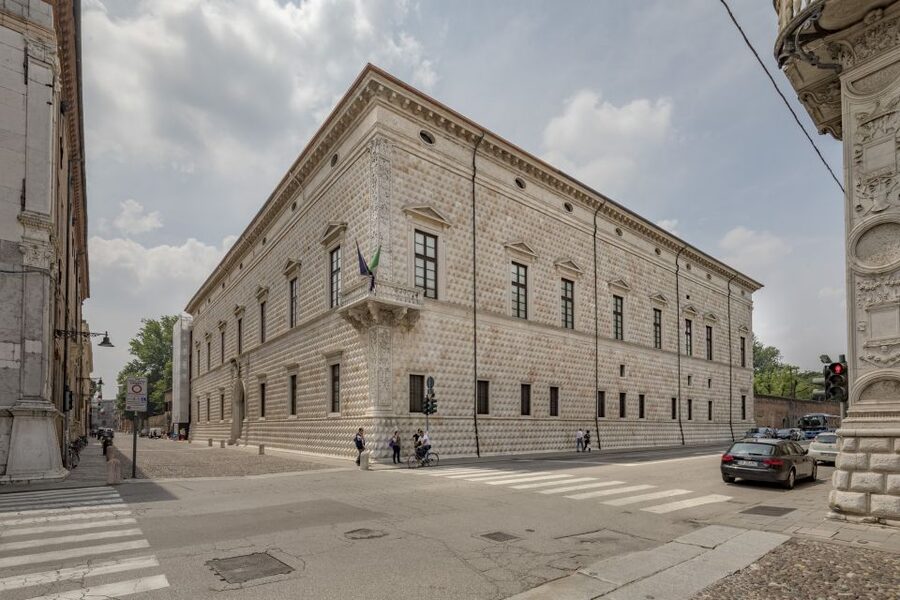
After the initial orientation, you move into the heart of the Renaissance expansion, arriving at Palazzo dei Diamanti. This is where the walk delivers a visual hit, but the guide’s job is to help you see why it matters.
The palace is part of the Addizione Erculea, so it’s not just a landmark you tick off. It’s a sign of how the Renaissance Este court wanted Ferrara to look and feel—refined, intentional, and built to impress. The diamond façade is famous, but context is what makes it satisfying. You’ll understand how the palace fits into the bigger pattern of power and prestige moving through the city.
This stop also gives you a break from “moving and listening” without turning the tour into a long museum detour. It’s a highlight that’s visually strong and easy to remember later when you’re deciding what to photograph or revisit on your own.
Massari Park and the University Botanical Garden: a green pause with real character
From architecture, the tour turns to nature, and it’s not a random detour. You head toward Massari Park, described as romantic and framed by centuries-old cedars of Lebanon.
This is a smart pacing move. After stone, you get shade, movement slows down, and the guide can help you notice how Ferrara blends designed spaces with ongoing vegetation. If you enjoy places where history and daily life overlap, this section is a good reminder that UNESCO status doesn’t only mean monuments. It also means how the city lives around them.
You’ll also reach the area near the University Botanical Garden. Even if you don’t go inside, the proximity helps you connect the park’s atmosphere to Ferrara’s educational and cultural identity. It’s the kind of transition that makes the walk feel like a complete city, not a corridor of sights.
Across to Ferrara and its quiet Renaissance streets.
S. Cristoforo alla Certosa: Renaissance church inside a Monumental Cemetery
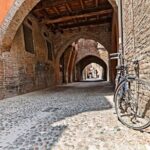
Next comes one of the tour’s most intriguing contrasts: S. Cristoforo alla Certosa, which over time became a Monumental Cemetery. The guide uses the site to show how Ferrara reused spaces and preserved layers rather than simply erasing them.
The stop also includes an internal visit to the Renaissance church. The church is an ancient temple of the Carthusian monks called to Ferrara by Duke Borso d’Este in the mid-15th century. That name is important here because it anchors the religious story to the Este political story you’ve been learning throughout the walk.
And don’t underestimate the emotional impact of this kind of place. The contrast between park-friendly walking and a monumental cemetery square makes you look with more care. The elegant arcades near the square create a quiet feeling of recollection, which makes the interior visit more meaningful than it might be on a rushed itinerary.
Piazza Ariostea and the Ariosto finish: closing on poetry and perspective
The tour ends near Piazza Ariostea, a strong finale because it ties Ferrara to its literary identity. You’ll be reminded of the great poet Ariosto, with a statue towering over the central column.
After earlier stops that explained city design and family power, this finish offers something more human. It shifts the focus from rulers and architects to cultural legacy. Then you wrap up under the loggia that flanks the green area—an agreeable way to end a walk, with space to stand back and take in the final view.
If you like tours that end somewhere you can actually linger and not just “march out and leave,” you’ll appreciate this ending rhythm.
Price and value: what $17 buys you in Ferrara
At $17 per person for 2 hours, this is a value-focused way to spend your time in Ferrara. The included guide is doing real work here: turning landmarks into connected explanations. You’re not only getting descriptions. You’re getting the names, the planning logic, and the era-by-era connections that are hard to piece together alone.
Also, there’s an Italian audio guide included, which can help if you want to pace your attention or catch a point again. It doesn’t replace the live guide, but it’s a useful backup.
The main value limiter is simple: entrance tickets aren’t included. Since the tour does include an interior church visit, be ready that any additional paid entry requirements (if they apply during your time slot) are your responsibility. Still, you’re buying structure for a fixed window of time, and that’s often the difference between a satisfying day and a day that feels like you walked around with a map and not much else.
What to watch for on the day: language, weather, and pacing
The tour runs with an Italian-speaking guide, and the audio guide is also Italian. If you read and understand Italian comfortably, you’ll enjoy it more. If not, you might still get a lot from the visual explanations, but the depth of the storytelling may be harder to follow.
Walking is central to the concept, so bring comfortable shoes. And if rain is in the forecast, bring an umbrella. The itinerary moves between open courtyards, parks, and monument squares, so wet weather can slow you down more than you’d expect.
Finally, the tour is designed to be tight and highlight-driven. If you’re the type who wants time to go deep into every corner (and maybe linger for photos without listening), you might wish the tour were longer. Still, 2 hours is exactly why it works for many first-timers.
Which kind of traveler will love this most
This is a great fit if you want Ferrara explained in a way that’s easy to remember later. You’ll likely enjoy it if you:
- like the Renaissance era but prefer practical, place-based context
- enjoy architectural details when someone connects them to names and decisions
- want a curated route that still feels human-sized and walkable
- plan to return to one or two spots on your own afterward
It’s also a good option if you appreciate cultural contrasts. Castle views, palaces, a park reset, and then a church inside a monumental cemetery makes for a tour that doesn’t get stale.
And if accessibility matters, the tour is wheelchair accessible. That’s a meaningful advantage for travelers who want to see the main sights without fighting stairs or uneven logistics.
Should you book this Ferrara highlights walking tour?
Yes, I’d book it if you want a structured Ferrara experience that doesn’t eat your whole day. The combination of Estense Castle orientation, the Renaissance planning story through Corso Ercole I d’Este and the Addizione Erculea, plus memorable stops like Palazzo dei Diamanti and the S. Cristoforo alla Certosa church is a strong mix for the time.
Book it with a small caution: remember that entrance tickets aren’t included, and the tour language is Italian. If you can handle either of those points, you’ll probably come away with that rare thing in travel—clear understanding, not just photos.
Based on the guide quality reflected in past bookings, it also sounds like you’ll get real care from the person leading you. Names that come up include Maria Chiara, praised for being prepared and professional, which usually translates into smooth storytelling and punctual timing.
If your goal is to get Ferrara “clicked” into your brain in just a couple of hours, this is a smart move.
FAQ
Where is the tour meeting point?
Meet in the courtyard of Estense Castle, near the loggia.
How long is the walking tour?
The tour duration is 2 hours.
What is the price?
The price is $17 per person.
What will we see during the tour?
You’ll see Estense Castle, Corso Ercole I d’Este, Palazzo dei Diamanti, Massari Park, S. Cristoforo alla Certosa (including the Renaissance church visit), and Piazza Ariostea.
Is an entrance ticket included?
No. Entrance tickets are not included.
What language are the guide and audio in?
The live guide and the audio guide are Italian.
Is the tour wheelchair accessible?
Yes, the tour is wheelchair accessible.
Is there an internal visit during the tour?
Yes. The tour includes an internal visit to the Renaissance church at S. Cristoforo alla Certosa.
What should I bring for rainy weather?
It’s advisable to bring an umbrella in case of rain.
Are there flexible booking options and cancellation terms?
You can reserve now & pay later and you can cancel up to 24 hours in advance for a full refund.
More Ferrara Tours and Day Trips
More Bologna Walking Tours
More Tour Reviews in Ferrara
After something different? More ways to fill a day in Bologna and across Emilia-Romagna



Bologna Walking Tours & City Highlights, compared.
 ★ 4.5City Center Walking TourFrom $263,478 reviews
 ★ 4.8Walking Food Tour with a Local GuideFrom $90882 reviews
 ★ 5.0Private Half Day Parma Food Walking TourFrom $134561 reviews
 ★ 3.7Open Bus City Tour and Local Food TastingFrom $46550 reviews
 ★ 5.0Bologna Private Highlights & Hidden Gems Tour with a LocalFrom $77359 reviews
 ★ 4.9City Center Guided Wine Walking TourFrom $70210 reviews
 ★ 4.2City Walking TourFrom $27203 reviews
 ★ 4.9Walking Food Tour and Highlights with a Local GuideFrom $82179 reviews
Browse the lists this tour appears in