
Reviewed · BOLOGNA BY NIGHT & APERITIVO
Bologna: Gelato Making Workshop with a Professional
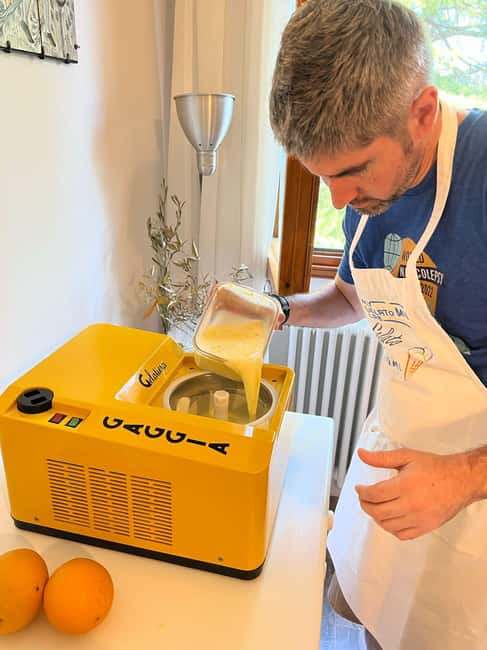
Making gelato is part science, part comfort food. In Bologna, this hands-on workshop with Alessandro turns that mystery into something you can actually repeat at home. You’ll work with raw ingredients to prepare granitas, gelati, and sorbets, plus learn how to judge quality like a local.
What I like most is the focus on real technique, not just recipes. Alessandro explains the origins of Italian gelato, how ingredients affect the final texture and flavor, and how to recognize freshness in a shop cup. One heads-up: because it’s taught in a home kitchen setting and you’ll be actively working, it may feel a bit busy if you’re traveling with little kids or need lots of downtime.
In This Review
- Why this workshop is worth your $77
- Key things you’ll notice right away
- Meeting Alessandro at Via Antonio Vivaldi 26
- The gelato basics you’ll actually use later
- Making granita while the gelato process moves
- From raw ingredients to gelato you can judge
- Tasting, learning freshness, and spotting good gelato
- Take-home gelato and a realistic way to “win” the workshop
- Who this Bologna gelato workshop is best for
- Price and value: what $77 buys you in Bologna
- Practical tips before you go (so you enjoy it more)
- Should you book this Bologna gelato workshop?
- FAQ
- Where does the workshop meet?
- How long is the experience?
- How large is the group?
- Who leads the workshop?
- What languages are available?
- Is transportation included?
- What desserts will I make?
- What’s included in the price?
- Is it suitable for children?
- What if I have allergies or intolerances?
Why this workshop is worth your $77
The price sounds high until you look at what you get: a 2.5-hour, small-group (up to 4) experience led by a professional, with multiple desserts made from scratch and a chance to take leftovers home. You’re not just watching from the sidelines.
The main consideration is logistics. Transportation isn’t included, and the meeting point is at Alessandro’s home on Via Antonio Vivaldi, 26, so you’ll want to plan how you’ll get there and back smoothly.
Key things you’ll notice right away
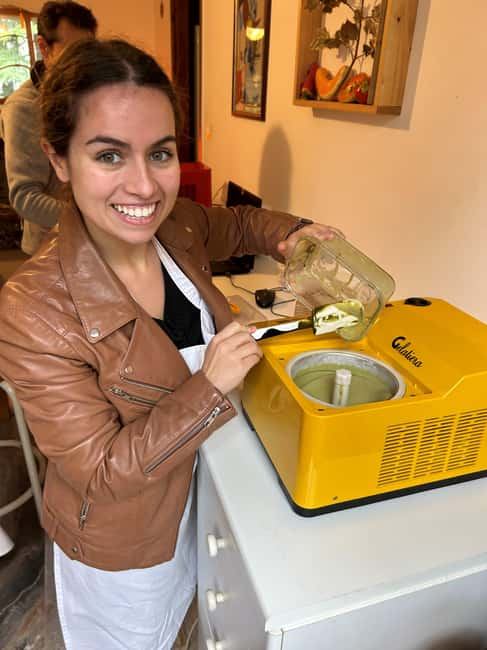
- Professional-led, hands-on instruction focused on technique you can repeat
- Multiple desserts: granita, gelato, and sorbet from raw ingredients
- Quality-judging skills for spotting real gelato freshness in a shop
- Ingredient-to-texture lessons that explain why results turn out the way they do
- Small group format that keeps questions from getting stuck in the back row
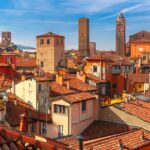
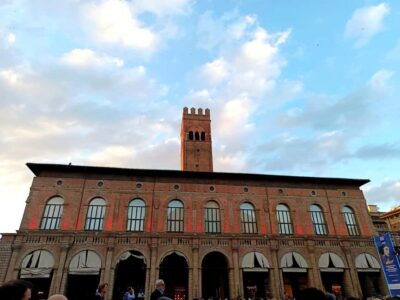
Bologna after dark, spritz in hand.


Meeting Alessandro at Via Antonio Vivaldi 26
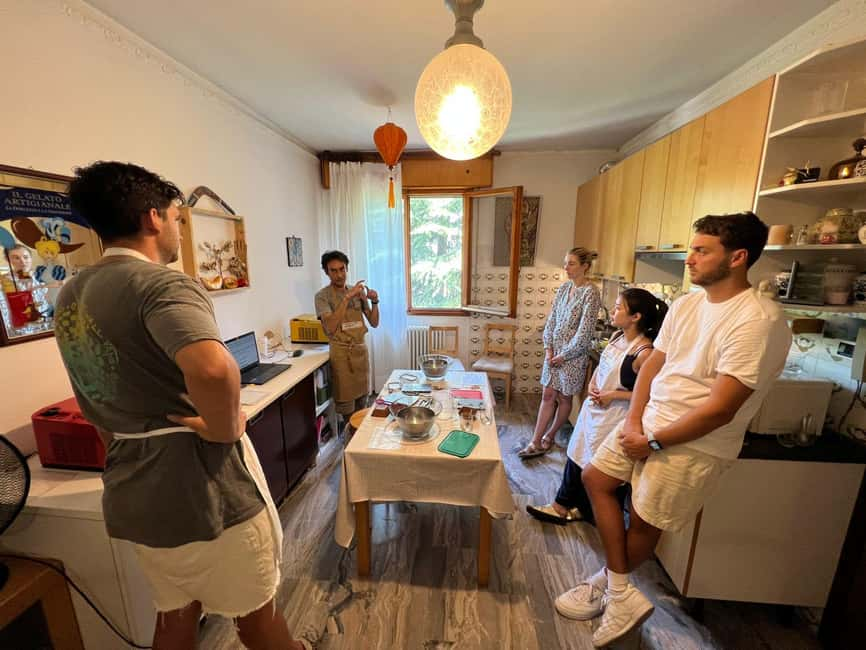
This workshop starts at the host’s home at Via Antonio Vivaldi, 26, just outside the main tourist flow. That matters more than you might think. You’re not in a staged demo room. It’s a working kitchen setup, which tends to make instruction clearer because you can see tools, ingredients, and the workflow as it happens.
You’ll meet Alessandro, who runs the session in English and Italian (so you can follow along comfortably even if you don’t speak Italian). With a limit of four participants, the vibe stays personal. You’re more likely to ask the practical questions—why this step exists, what to look for, and what can go wrong—without feeling rushed.
If you’re the type who loves learning through doing, this is a great match. If you’re hoping for a hands-off pastry show, you may find yourself wishing you had a spoon in your hand sooner.
The gelato basics you’ll actually use later
A big part of the experience is understanding gelato beyond flavor. You don’t just get a list of steps. You learn why gelato behaves differently from other frozen desserts, including what separates freshly made gelato from factory-produced ice cream.
That difference is more than trivia. It helps you adjust your expectations when you’re shopping later in Bologna (and beyond). Gelato quality is something you can learn to recognize, and the workshop focuses on the characteristics that signal good results—especially freshness.
Here’s what you’ll take away in a practical way:
- What to pay attention to when you’re choosing gelato in a shop
- How ingredient choices show up in the final texture and taste
- Why certain preparation techniques matter
One reason this workshop earns near-perfect scores is how clearly Alessandro connects history and method. You get the story of Italian gelato origins alongside the practical “do this, watch for that” guidance that makes the dessert come out right.
Making granita while the gelato process moves
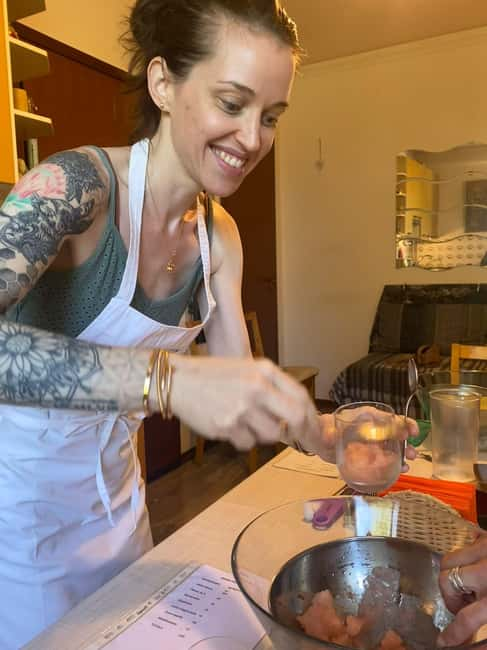
The session doesn’t treat granita as an afterthought. You’ll prepare granita as part of the class flow, including during the time when the gelato mixture needs to cool. That scheduling detail is smart. It keeps the workshop moving, and it also gives you a chance to compare textures across frozen desserts you’re making in the same sitting.
Granita is a great learning tool because it shows you how freezing and agitation shape the final experience. Even if you’ve eaten granita before, making it yourself forces you to notice details you’d normally ignore—like how the mixture changes as it sets and how freshness shows up in the taste.
In fact, this hands-on pairing is a big reason families often enjoy the workshop. Kids tend to like the more active, visible parts of the process, and you get a built-in moment where everyone feels included.
From raw ingredients to gelato you can judge
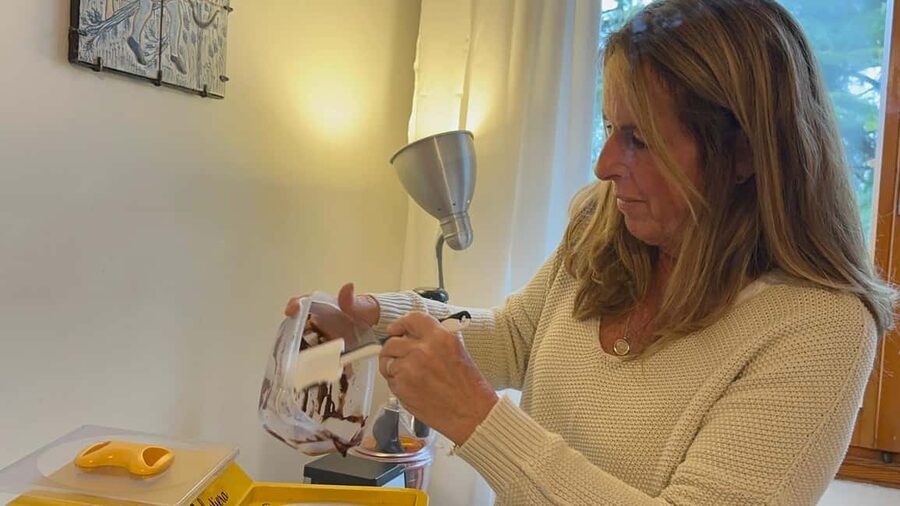
The heart of the class is preparing gelato and sorbet from raw ingredients. This is where you’ll learn what professionals do differently: the order of steps, the reasoning behind them, and the checks that prevent disappointment.
You’ll work through the process with guidance from Alessandro, who is strict about one thing: technique and outcomes. He doesn’t just say mix and wait. He explains what you’re trying to achieve and what clues to look for so you can tell if your gelato is trending in the right direction.
Why this is valuable for you as a traveler:
- When you return home, you’ll know what matters, not just what to repeat
- You’ll understand why two gelatos can taste similar yet feel different
- You’ll start spotting quality differences at Italian gelaterias without needing to know the shop’s reputation
A small-group workshop helps here because you can get feedback quickly. If your mixture looks off or your timing is slipping, it’s easier to correct before the final step.
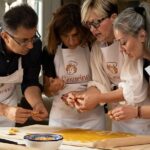
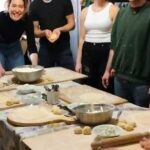
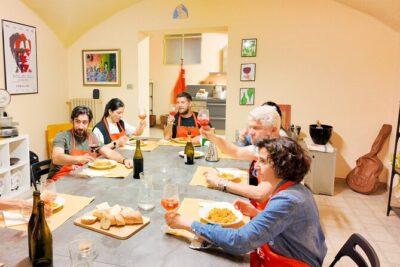
More hands-on afternoons in Emilia kitchens.

Tasting, learning freshness, and spotting good gelato
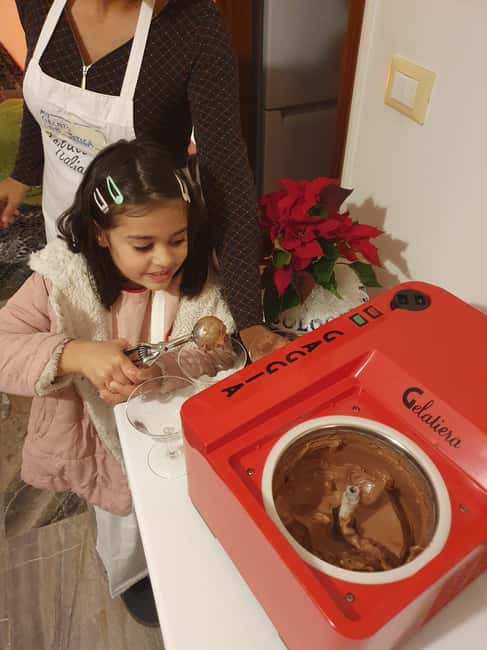
No workshop is complete without tasting, and this one is built for it. You’ll sample what you make, and you’ll learn how to recognize good gelato from its key traits.
That freshness lesson is one of the most practical parts. Gelato can vary a lot depending on how it’s handled after production—temperature, serving time, and storage all matter. Alessandro helps you build the habit of judging freshness instead of relying only on sweetness or flavor names.
This is the part you’ll remember while walking through Bologna later. Suddenly you’re not just buying gelato. You’re choosing it with intention.
Take-home gelato and a realistic way to “win” the workshop
One of the best perks is that you’ll take home what you’ve made when there are leftovers. That sounds simple, but it changes the value equation.
In a normal class, you finish, you taste, you leave. Here, you may also get a portion to enjoy later. Several people noted they had enough to bring home, and the packaging is handled carefully so you can keep the results as close to fresh as possible.
If you’re visiting Bologna with a sweet tooth and you want to avoid spending more money on a separate dessert later, this take-home aspect really helps.
Who this Bologna gelato workshop is best for
You’ll probably enjoy this workshop most if:
- You like hands-on food experiences more than lectures
- You want a skill you can bring home, not just a souvenir
- You enjoy Italian gelato and want to learn how to judge quality
It also seems like a strong option for families. The class includes children under adult supervision, and people described it as fun for families, with kids especially enjoying the granita part.
If you’re traveling with very young kids, note it’s not suitable for children under 3 years. And since it’s a working kitchen experience in a home setting, it’s best if everyone can handle close quarters and some active instruction.
Price and value: what $77 buys you in Bologna
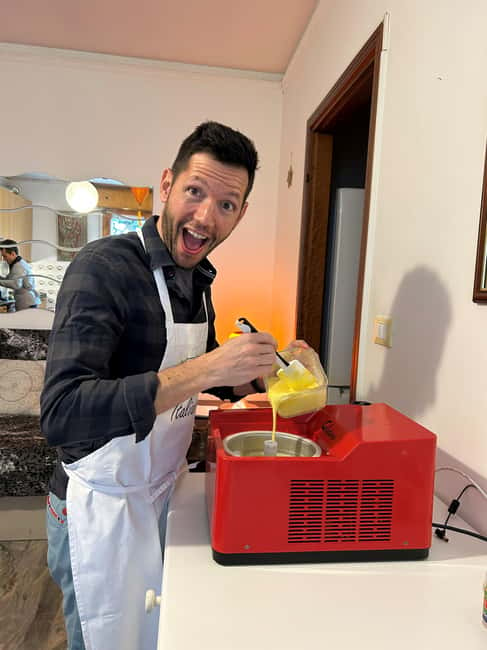
At $77 per person for 2.5 hours, it’s not the cheapest food activity in town. But it’s also not a pure tasting. You’re learning a professional approach, preparing multiple frozen desserts from raw ingredients, and leaving with take-home results when there are leftovers.
So the value comes from three places:
- Time with a pro in a small group (up to 4)
- Real production work across granita, gelato, and sorbet
- Quality feedback so you can repeat results later
If you’ve ever taken a cooking class and felt like you did half the work, this one tends to feel more complete. You’re involved in the process enough to learn what matters, not just watch it happen.
Practical tips before you go (so you enjoy it more)
A few things will make the experience smoother:
- Plan your transport since transportation isn’t included.
- If you have allergies or intolerances, provide details in advance. The workshop asks for this ahead of time.
- Come ready to taste. You’ll be learning with your mouth, not just your notebook.
- Wear something comfortable for kitchen work, especially if you’re making and handling cold and sticky ingredients.
Also, if you have special requests, advise them ahead of time. The workshop information specifically asks you to do that.
Should you book this Bologna gelato workshop?
Book it if you want a true Bologna food skill, not just a cute activity. This works especially well when you’re curious about what separates real gelato from ice cream and you want tools to judge freshness and quality later.
Skip it if you want something passive, or if the idea of a small home-kitchen setting sounds stressful. And if you can’t handle active cooking instruction, you might prefer a simpler tasting experience.
If you’re on the fence, here’s the deciding question: do you want to learn how to make it so you can do it again at home? If yes, this workshop is a strong choice.
FAQ
Where does the workshop meet?
You meet the host at his home on Via Antonio Vivaldi, 26.
How long is the experience?
The duration is 2.5 hours.
How large is the group?
It’s a small group limited to 4 participants.
Who leads the workshop?
The workshop is led by a professional gelato maker, Alessandro.
What languages are available?
The instructor speaks English and Italian.
Is transportation included?
No, transportation is not included.
What desserts will I make?
You will prepare granitas, gelati, and sorbets.
What’s included in the price?
The workshop includes the professional-led session and preparation of granitas, gelati, and sorbets.
Is it suitable for children?
Children are welcome under adult supervision, but it is not suitable for children under 3 years.
What if I have allergies or intolerances?
Allergy and intolerance information must be provided in advance. Special requests can also be advised.
More Bologna Workshops
More Bologna Evenings and Aperitivo

More Tour Reviews in Bologna




After something different? More ways to fill a day in Bologna and across Emilia-Romagna







Bologna by Night & Aperitivo, compared.
 ★ 5.0Bologna Local Pasta Cooking Class, Ragu, Spritz, Wine & GelatoFrom $59527 reviews
 ★ 4.9Pasta Tagliatelle Ragu Cooking Class with SpritzFrom $79407 reviews
 ★ 5.0Guided E-bike Tour in Bologna with aperitifFrom $15797 reviews
 ★ 4.7E-Bike Guided Tour with AperitivoFrom $15239 reviews
 ★ 5.0Bologna By Night Walking TourFrom $1474 reviews
 ★ 3.7Bologna by night: Food, wine, spritz and funFrom $563 reviews
Browse the lists this tour appears in