
Reviewed · BOLOGNA WALKING TOURS & CITY HIGHLIGHTS
Bologna: Guided Walking Tour
Bologna is red-brick magic on foot. This guided walk threads the medieval centre—arcades, towers, and churches—and ties it all to the city’s stories, from its nicknames to the spots you’ll want to return to. You’ll follow a plan led by a pro guide (often Stephanie Foulkes, or another guide in the same program), with language options including English, Spanish, and French.
I especially like two things: the way the guide connects the city’s identity to what you’re seeing, including why Bologna is called The red, the fat and the learned, and the way the stop at San Petronio turns a landmark into a real sense of scale. I also enjoy the variety—major squares and big monuments, then smaller, moodier corners that make Bologna feel lived-in.
One thing to consider: this tour runs rain or shine, so plan for steady walking and weather-appropriate clothes. And if you want to enter the Archiginnasio, you may need tickets (not included).
In This Review
- Key things I’d plan around
- Why Bologna feels different when you have a guide
- Starting in Piazza Maggiore and stepping into San Petronio
- Paviglione portico, Archiginnasio, and Neptune Square’s big story
- Asinelli and Garisenda: learning the city’s leaning symbol
- Santo Stefano: a quieter church stop that changes the mood
- Quadrilatero and traditional pasta making you can actually watch
- The clock tower linger: how to use the last minutes
- Price and value: what $70 buys in Bologna time
- Practical details that help your day go smoothly
- Who should book this Bologna walking tour
- Should you book this tour?
- FAQ
- How long is the Bologna guided walking tour?
- What is included in the tour price?
- Do I need to buy tickets for Archiginnasio?
- Are food and drinks included?
- Where does the tour start?
- What languages are available for the guide?
- Does the tour run if it rains?
Key things I’d plan around
- San Petronio’s interior: it’s not just a photo stop; you’ll get context before you look up.
- Bologna’s names and symbols: you’ll connect The red, the fat and the learned with real sights.
- Neptune Square and the city’s icon spots: classic images, explained so they stick.
- Asinelli and Garisenda: why they matter comes before you reach the views.
- Quadrilatero pasta moments: you’ll see traditional pasta making in action if it’s available.
- A “stay after” clock tower option: easy to tack on time at your own pace.
Why Bologna feels different when you have a guide
Bologna is a city you can technically explore on your own. But with a guide, it clicks faster. The centre is all interlocking layers: medieval brickwork, religious power, trade routes, and daily life hidden under arcades and porticoes. On a walking tour like this, those layers stop feeling abstract.
You also get a sense of how Bologna thinks. The guide’s framing includes big themes—why the city is nicknamed in such memorable ways, and how its symbols became recognizable shorthand for the place. That matters because Bologna’s beauty is subtle: terracotta tones, long colonnades, and towers that look familiar once you learn what to notice.
Another practical win: you’re walking with a professional who can answer the real questions you’ll naturally have when you hit a square, a basilica, or a leaning tower. And from the way guides are described (open to questions, willing to adjust if you have preferences), you’re not stuck with a rigid script.
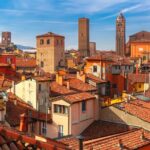
More of the old town on foot, towers and squares and back streets.


Starting in Piazza Maggiore and stepping into San Petronio
Most days, you’ll begin at Piazza Maggiore, a place that sets the rhythm for the whole visit. The square is known for its arched colonnades and that signature Bologna feel—soft brick tones and “slow down” architecture. Here, you get a quick foundation that pays off later.
From Piazza Maggiore, you can enter San Petronio Basilica, dedicated to Bologna’s patron saint. The guide’s approach is useful here: instead of treating it like a checklist stop, you learn what to look for and why the basilica is so central to the city’s identity. The big payoff is the sense of vast space once you’re inside—something that doesn’t fully land in photos.
Practical tip: San Petronio is impressive, so give yourself time to stand still. If you try to rush through, you’ll miss the way the interior changes your perception of the square outside. Comfortable shoes help a lot here.
Paviglione portico, Archiginnasio, and Neptune Square’s big story
After San Petronio, the walk flows toward the Paviglione portico. This is one of those Bologna structures that looks like set dressing until you learn its logic. Under these covered passages, the city feels cooler, calmer, and built for everyday movement—shopping, meeting, and passing time.
Next comes the Archiginnasio, where there was once a silk-worm market. Even if you don’t go inside, the exterior context can change how you read the building. If you do want to enter, note that tickets aren’t included, so you may want to plan for that choice in advance.
Then you’ll head to Neptune Square and see the Neptune Fountain. It’s a classic image, but what makes it worth a guided pause is the chance to connect it to the city’s identity—not just admire the statue and keep walking. In Bologna, the “who built what” story often explains the “why does it look like that” detail.
If you’re trying to stay efficient with your time, this section is a strong use of a short window: you cover multiple landmarks close together while understanding how they relate.
Asinelli and Garisenda: learning the city’s leaning symbol
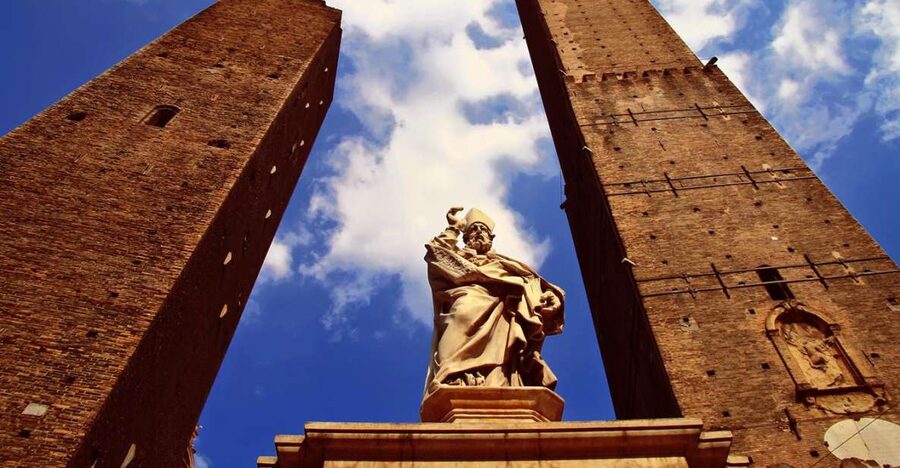
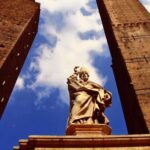
No Bologna walk feels complete without the two leaning towers, Asinelli and Garisenda. They’re the city’s calling card, and the guide helps you understand the symbolism before you’re staring at the silhouettes.
What I like about this approach is that it turns a photo stop into a lesson in Bologna’s personality. The towers aren’t just a quirky feature; they became a recognizable symbol of the city’s long history and its technical ambition. You’ll likely find that you notice details you would otherwise ignore: the way they dominate the skyline, how they anchor the medieval centre visually, and why people keep returning to view them from different angles.
From a pacing standpoint, this is a good moment to slow down. Bologna’s tower views work best when you’re not sprinting between corners.
Santo Stefano: a quieter church stop that changes the mood
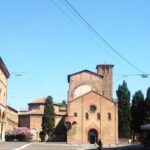
After the major icons, you’ll move toward Santo Stefano. This is where the tour balances big monuments with a more intimate atmosphere. The church area has a mysterious feel, and it’s the kind of stop that rewards attention.
Even if churches aren’t your main reason for travel, Santo Stefano works because it’s a contrast. You’ve just been in squares and major structures; now you get something more grounded, a place that feels connected to daily reverence rather than spectacle.
This is also a helpful stop for your legs. You’ll still be walking, but the energy shifts from “look at this landmark” to “notice this atmosphere.” That makes the overall experience more memorable.
More days out with a local guide.

Quadrilatero and traditional pasta making you can actually watch
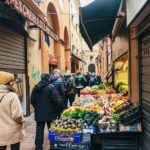
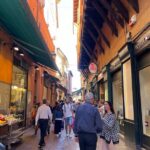
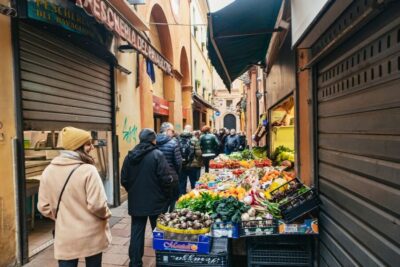
Then the walk heads into the Quadrilatero, the famous market area where Bologna feels most like Bologna. This is where you can experience the city as food culture, not just architecture.
The tour includes seeing how traditional homemade pasta is made, with a chance to spot sfogline (pasta makers) in action if they’re available. That’s a practical and valuable inclusion because you’re not just buying pasta—you’re understanding the craft and the process.
A quick way to think about this: Bologna’s food doesn’t float in the air as an abstract “thing to try.” It’s tied to local rhythm, family skills, and a working market environment. Watching pasta made helps you connect the meal back to where it came from.
Important note: food and drinks aren’t included on this tour. If you want tastings, you’ll need to plan that separately. Still, the pasta-making moment gives you a reason to keep eating in the Quadrilatero after the tour ends.
The clock tower linger: how to use the last minutes
One of the nicest touches is the idea that after the tour, you can linger up the clock tower. It’s not described as a mandatory part of the experience, but it’s a great way to turn your final minutes into a payoff view.
I like this structure because it prevents that classic walking-tour problem: the tour rushes to a finish and you don’t know what to do with the last hour. With a clock tower option, you can choose whether you want one more viewpoint or just continue wandering streets at your own pace.
If you’re pairing this with food stops, plan your dinner area nearby so the tower view doesn’t send you across town.
Price and value: what $70 buys in Bologna time
At $70 per person for roughly 2 to 4 hours, the value comes from the mix: a professional guide plus a route that hits high-impact sights in a short span. You’re not paying just for access to buildings; you’re paying for interpretation—how the city’s symbols connect to what’s in front of you.
Here’s what you should keep in mind:
- The tour price includes the guide, but not tickets if you want to enter specific spots like the Archiginnasio.
- Food and drinks aren’t included, so you’ll likely spend extra if you decide to snack or eat in the market area.
- You’re walking in real conditions, including rain or shine, so comfortable shoes aren’t optional.
If you like structure but still want authenticity, this is a good fit. Bologna rewards slow observation, and a guided walk helps you get the most from limited time.
Practical details that help your day go smoothly
Languages: The guide is available in Spanish, English, French, German, Italian, and Portuguese, so you don’t need to worry if your Italian is rusty.
Group format: A private group is available, which is ideal if you want more pacing control or you’re traveling with family. If you’re on a tight schedule, private can also help you avoid waiting.
Meeting point: It may vary depending on the option booked. One option mentions meeting in front of the Neptune Fountain. If pickup is offered for your accommodation (inside the city centre), your guide will pick you up outside.
Accessibility: The tour is wheelchair accessible, which is a big deal for a city with lots of charming but uneven sidewalks.
What to bring: Comfortable shoes, comfortable clothes, and weather-appropriate layers. Because this tour runs rain or shine, think umbrella plus a light rain layer, not just a hood.
Who should book this Bologna walking tour
This one is a strong choice if you want:
- A first visit to Bologna and you want your bearings fast
- A route that balances major landmarks with atmosphere
- A food-focused moment that goes beyond eating: watching traditional pasta made
- A guide who can handle questions and adjust the pace to your interests
It’s especially good for couples, small groups, and families who want stories tied to place—not just a list of stops. If you’re traveling solo and you like meeting people through a guided format, it also works well because the tour is designed to keep moving while giving context.
If you already know Bologna well and you mostly want to wander freely, you might prefer a self-guided plan. But if you’re trying to understand what you’re seeing, a guide like this saves time and makes the city feel “readable.”
Should you book this tour?
I’d book it if you’re excited by Bologna’s arcades, churches, and tower symbolism, and you want a food moment in the Quadrilatero that feels connected to the craft, not just the purchase. The price makes sense for a short window—especially because you get interpretation at the major stops like San Petronio, plus the practical bonus of traditional pasta making.
I’d skip it or adjust expectations if you hate walking in all weather, or if you only want food tastings (since food and drinks aren’t included). Also, if you’re determined to enter every interior space, budget extra for any optional tickets.
Overall, this is the kind of tour that turns Bologna from pretty streets into a city with meaning.
FAQ
How long is the Bologna guided walking tour?
It runs for about 2 to 4 hours, depending on the starting time and option availability.
What is included in the tour price?
The tour includes a professional tour guide. Tickets and food/drinks are not included.
Do I need to buy tickets for Archiginnasio?
If you want to enter the Archiginnasio, tickets are not included, so you may need to purchase them separately.
Are food and drinks included?
No. Food and drinks are not included, so plan separate snacks or a meal before or after.
Where does the tour start?
The meeting point can vary by option. One listed option is meeting in front of the Neptune Fountain, and pickup may be available if your accommodation is in the city centre.
What languages are available for the guide?
The live guide is available in Spanish, English, French, German, Italian, and Portuguese.
Does the tour run if it rains?
Yes. The tour takes place rain or shine, so bring weather-appropriate clothing and comfortable shoes.
More Guided Bologna Tours
More Bologna Walking Tours
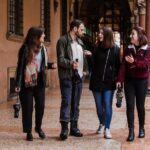
More Tour Reviews in Bologna



After something different? More ways to fill a day in Bologna and across Emilia-Romagna






Bologna Walking Tours & City Highlights, compared.
 ★ 4.5City Center Walking TourFrom $263,478 reviews
 ★ 4.8Walking Food Tour with a Local GuideFrom $90882 reviews
 ★ 5.0Private Half Day Parma Food Walking TourFrom $134561 reviews
 ★ 3.7Open Bus City Tour and Local Food TastingFrom $46550 reviews
 ★ 5.0Bologna Private Highlights & Hidden Gems Tour with a LocalFrom $77359 reviews
 ★ 4.6City Highlights Walking Tour with Local GuideFrom $17219 reviews
 ★ 4.9City Center Guided Wine Walking TourFrom $70210 reviews
 ★ 4.2City Walking TourFrom $27203 reviews
Browse the lists this tour appears in