
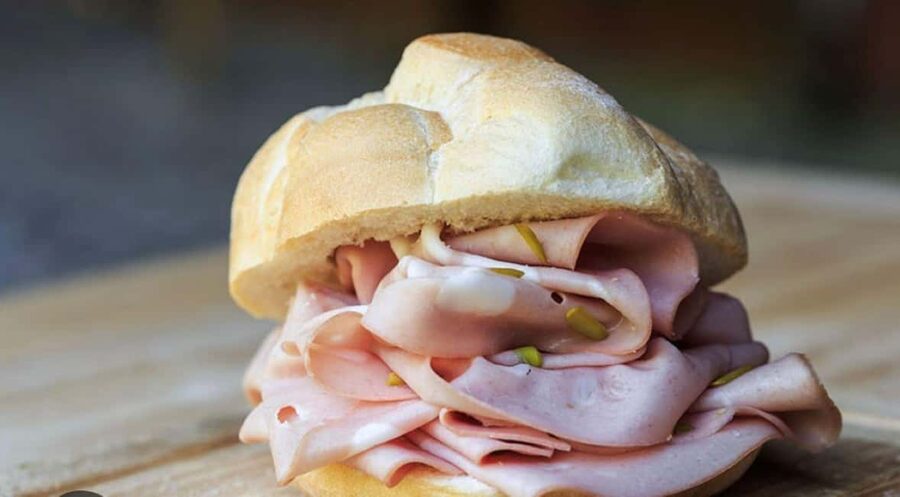
Reviewed · BOLOGNA PASTA-MAKING & COOKING CLASSES
Bologna: Tagliatella and Mortadella with chef Antonio
Three hours in Chef Antonio’s kitchen beats a museum. This small-group Bologna class is built around tagliatelle and ragù, plus Antonio’s storytelling about how locals eat and live.
What I love most is the warm start: an aperitivo of mortadella with Prosecco that sets a friendly, un-rushed tone from the first minutes. Then Antonio’s energy takes over, and suddenly you’re not just watching food happen, you’re making it with him.
My second favorite part is the practical skill: you’ll learn the steps for handmade pasta and how to prepare the famous Bolognese meat sauce that goes with it. One drawback to consider is that this happens in a small home-style lab on the third floor (no elevator), and the space is not a big, polished cooking studio.
In This Review
- Key highlights you’ll actually care about
- Chef Antonio’s Bologna Kitchen: intimate, practical, and very local
- Mortadella and Prosecco aperitivo: the best kind of warm-up
- Handmade tagliatelle: what you learn (and what you’ll need to practice)
- A small heads-up on the style
- Real Bolognese ragù: learning the sauce that makes the plate work
- Wine pairing and the meal: not just cooking, but eating well
- Recipes at the end: how this helps you cook Bologna again
- Price and value: is $92 per person worth it?
- Getting there near Bologna’s station and Piazza Maggiore
- Who this class suits best (and who might want a different option)
- Should you book Bologna: Tagliatella and Mortadella with chef Antonio?
- FAQ
- How long is the cooking class?
- How big is the group?
- What language is the class taught in?
- Where is the meeting point?
- What do I eat and drink during the experience?
- Will I learn how to make both pasta and ragù?
- Do I get recipes to take home?
- Is the kitchen accessible by elevator?
Key highlights you’ll actually care about
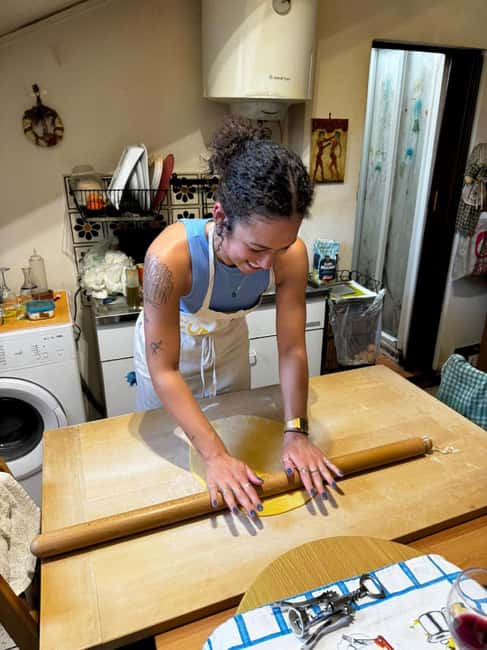
- Mortadella + Prosecco aperitivo to kick off the evening the Bologna way
- Small group of 4 for real attention and questions in English
- Hands-on tagliatelle: mixing, rolling, and cutting guided step-by-step
- Classic Bolognese ragù preparation focused on getting it right
- Wine pairing included (red wine plus water) during the tastings/meal
- Recipes provided at the end so you can repeat the experience at home
Chef Antonio’s Bologna Kitchen: intimate, practical, and very local
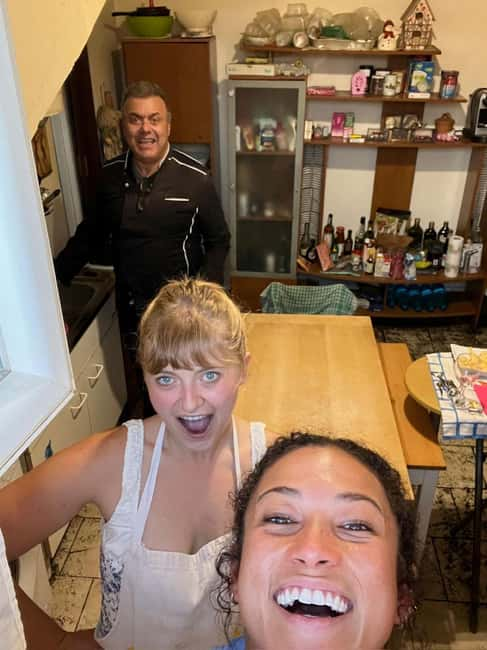
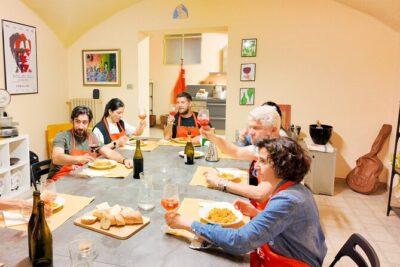
If you picture cooking classes as shiny showrooms with perfect lighting, this is a different vibe. The lesson takes place in Antonio’s own kitchen setup—personal pots, personal pace, and a real apartment-lab feel. For me, that matters. When the space is modest and the group is tiny, you get answers faster, and the whole thing feels more like an evening with a generous chef than a scripted performance.
Antonio runs the session in English and keeps it upbeat. You’ll get stories and insights while you work, not just at the end. That turns the time into something you can remember, because you learn the why alongside the how. And since the class is limited to 4 participants, you’re not shouting across a room to ask what went wrong with your dough.
There’s also a very real upside for food lovers: you’re not spending the day hunting for ingredients or decoding kitchen jargon. Everything in the presentation is included, and the pace is designed around making tagliatelle and ragù, then sitting down to enjoy what you made.
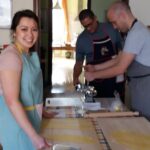
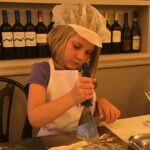
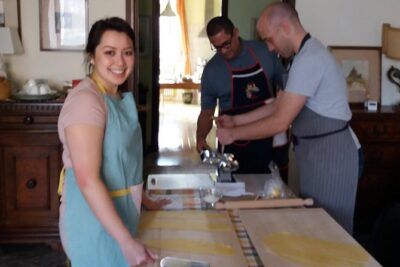
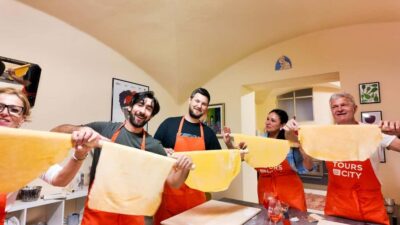
Back into the kitchen to roll tortellini and tagliatelle by hand.
Mortadella and Prosecco aperitivo: the best kind of warm-up
The evening starts with a classic Italian aperitivo: Mortadella paired with Prosecco. It’s not a random snack. It’s an actual Bolognese-friendly introduction to the flavors you’ll be chasing later—salty, savory, and celebratory, without feeling heavy.
I like this structure because it solves two problems at once:
1) It calms your nerves right away if you’re new to cooking pasta.
2) It puts you in the right mindset. You’re not waiting until the end to taste anything.
You also get time to settle in before the flour starts flying. In a small group, that first drink and bite does a lot of social work. If you’re traveling solo, it’s a smooth way to meet the others without awkward small talk. If you’re on a couple trip, it’s a nice shared start that feels genuinely Italian, not staged.
Handmade tagliatelle: what you learn (and what you’ll need to practice)
Tagliatelle is the star here, and the session is built around doing it, not just hearing about it. You’ll go through the main steps of handmade pasta:
- mixing the dough
- rolling it
- cutting the tagliatelle
This is the heart of the experience, because it gives you a repeatable skill. Once you understand the feel of dough and how thin to roll, you can make tagliatelle again for dinner at home. That matters more than fancy plating, because you’re taking technique back with you.
Now, a practical note: pasta dough isn’t hard, but it is physical. Rolling and cutting need patience and a steady hand. One of the best things you can do is treat this like learning a new craft, not trying to win a contest. When the guidance is clear, you’ll be surprised how quickly it clicks.
In an intimate kitchen, you’ll likely get individualized attention. With only 4 participants, you don’t have to watch someone else figure it out while you wait. You can ask questions as you go, and Antonio can adjust instructions to what you’re actually doing.
A small heads-up on the style
Because this is a home-style setting, the class may feel more relaxed and less formal than some studio-based courses. If you want maximum hands-on control (like doing every step yourself), it’s smart to ask what the hands-on portion looks like for your group size and timing. Based on how the session is described, you should expect to actively participate in the pasta work, but the exact rhythm can vary with the room and the group.
Real Bolognese ragù: learning the sauce that makes the plate work
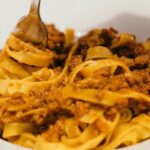
Once the pasta skills are underway, the focus shifts to the sauce: Bolognese ragù. You’ll learn how to prepare a classic meat sauce that pairs with your tagliatelle.
Here’s why this matters for you as a traveler: ragù is the part that often goes wrong when people try to recreate it at home. It’s easy to treat sauce like background noise. Antonio’s approach is different—you’re taught the process so the final dish tastes like what you associate with Bologna.
Even if you’re not a confident cook, you’ll get structure: Antonio guides you through preparation steps, and he shares personal tips and techniques rooted in tradition. That gives you a sense of direction rather than a vague recipe card. You’ll also get water and wine during the session, so the learning doesn’t feel like a classroom. It feels like an evening meal that happens to teach you something.
If you’re the type of cook who likes to understand what each step is doing, this part will satisfy you. If you just want the final taste, you still leave with clarity on how to rebuild the sauce later.
Wine pairing and the meal: not just cooking, but eating well
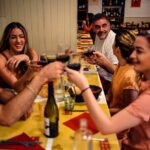
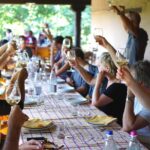
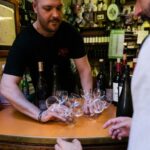
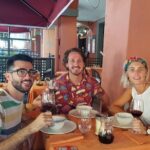
Throughout the experience, you’ll have water and a carefully selected bottle of red wine paired with what you’re making. This is another practical win. When food and drink are part of the pacing, you don’t feel rushed while you learn. You’re also more likely to enjoy the final meal as a finished experience, not as a payoff you barely taste because you’re busy with cleanup.
At the end, you eat what you made. That’s the moment where the skills you learned connect. Tagliatelle texture and ragù sauce behavior finally make sense together on the plate.
And because the group is small, you can actually talk while you eat. In a bigger class, people tend to fall into a quiet rhythm: cook, taste, move on. Here, it’s easier to stay present and ask Antonio questions about local dining habits and the way Bologna life revolves around food.
Recipes at the end: how this helps you cook Bologna again
This class ends with recipe sharing. Antonio provides recipes for everything you prepared together, so you can recreate the flavors in your own kitchen.
This is where value often shows up for me. A lot of travel cooking classes give you a story and a photo, but not much else. Having recipes means you can bring the skill home with you, even if you don’t perfectly recreate every minute detail.
To get the most out of the recipe handoff, do this right after the class:
- write down any adjustments Antonio recommends while you still remember them
- note how the dough felt when it was right
- keep the sauce guidance clear, since that’s the piece that usually needs confidence
If you love cooking and hate wasting travel money on experiences you can’t repeat, this is a strong reason to book.
Price and value: is $92 per person worth it?
At $92 per person for a 3-hour class, you’re paying for three things at once: real ingredient use, chef time, and hands-on skill-building. You’re also not paying extra for the food and drink—Mortadella and Prosecco are part of the start, plus wine and water are included during the session, and the recipes come at the end.
So is it a deal? It can be, especially because the group is capped at 4 and the class happens in English. Small-group attention is expensive in any city. If you’re the kind of traveler who wants a memorable meal plus teachable skills, this price starts to make sense fast.
The main caution is fit. If you expected a big-corporate kitchen with polished facilities and a clear, always-hands-on format, you might feel disappointed by the home-lab setting. And if you’re the type who expects a perfectly timed, never-changing schedule, remember that a small group can mean timing may shift if people arrive late. Plan the evening with breathing room after your class.
If you align with the format, $92 can feel fair. If you don’t, no amount of Bologna branding fixes that.
Getting there near Bologna’s station and Piazza Maggiore
Location is a big advantage. The lab is very close to Bologna’s railway station, and it’s about 1 km from Piazza Maggiore (the historic center). It’s also near Piazza dell’Unità. That puts you in walking-or-short-ride territory even if you’re arriving by train and want to avoid a long taxi ride.
You can also use buses 11 and 27 from the center to reach the area more easily. If you’re already planning your day around Piazza Maggiore, you’ll find it convenient to tack this class onto your sightseeing rhythm.
One practical detail you should plan for: the lab is on the third floor and there’s no elevator. If stairs are a concern for you, factor that in ahead of time so you don’t arrive stressed.
Also, because the group is small, arriving on time helps the whole flow. You’ll get more value when you’re not rushing in and pushing the cooking schedule.
Who this class suits best (and who might want a different option)
This is a great match if you:
- want to learn a specific skill (tagliatelle) and pair it with a specific sauce (Bolognese ragù)
- enjoy intimate settings where you can ask questions in English
- like food experiences that include local stories and dining culture, not just step-by-step instructions
- want recipes to take home, not just a meal and a memory
It may be a weaker fit if you strongly prefer:
- a large, commercial kitchen setup
- a super-formal class structure with no variability in timing
- high concerns about home-kitchen cleanliness standards (because this is a personal space)
Should you book Bologna: Tagliatella and Mortadella with chef Antonio?
I’d book it if you want a small-group, chef-led evening focused on actual cooking skills and a real Bologna table at the end. The combination of aperitivo (mortadella + Prosecco), hands-on tagliatelle, and Bolognese ragù coaching, plus recipes included, is exactly what makes this kind of experience worth paying for.
But I’d think twice if you need a big studio environment, or if you know stairs are not for you. And if you’re sensitive to schedule changes, give yourself buffer time before and after the class.
If you match the vibe—curious, hands-on, and excited to learn how Bologna cooks—this is the kind of evening that can turn into one of your clearest food memories from Italy.
FAQ
How long is the cooking class?
The class lasts 3 hours.
How big is the group?
It’s a small group limited to 4 participants.
What language is the class taught in?
The instructor teaches in English.
Where is the meeting point?
The meeting point is very close to Bologna’s railway station, about 1 km from Piazza Maggiore, and near Piazza dell’Unità.
What do I eat and drink during the experience?
You start with an aperitivo featuring mortadella paired with Prosecco, and you’ll also have water and a carefully selected bottle of red wine during the experience.
Will I learn how to make both pasta and ragù?
Yes. You’ll learn how to make handmade tagliatelle and how to prepare Bolognese ragù.
Do I get recipes to take home?
Yes. You’ll receive the recipes for everything you prepared together at the end of the session.
Is the kitchen accessible by elevator?
The lab is on the third floor and it’s not accessible by elevator.
More Bologna Pasta and Cooking Classes
More Tour Reviews in Bologna
After something different? More ways to fill a day in Bologna and across Emilia-Romagna



Bologna Pasta-Making & Cooking Classes, compared.
 ★ 5.0Bologna Local Pasta Cooking Class, Ragu, Spritz, Wine & GelatoFrom $59527 reviews
 ★ 5.0Pastamama, Home Cooking Classes at Grace’s HomeFrom $114521 reviews
 ★ 5.0Pasta and Tiramisu Small Group Cooking Class with WineFrom $71409 reviews
 ★ 4.9Pasta Tagliatelle Ragu Cooking Class with SpritzFrom $79407 reviews
 ★ 5.0Bologna on the plate, Cooking Class with AlessiaFrom $89260 reviews
 ★ 4.7Pasta Tagliatelle al Ragu Cooking Class with WineFrom $70225 reviews
 ★ 5.0Cesarine: Small group Pasta and Tiramisu class in BolognaFrom $163172 reviews
 ★ 4.5Authentic Bologna Home Cooking Class: Tagliatelle & TortelliniFrom $78136 reviews
Browse the lists this tour appears in