
Reviewed · BOLOGNA PASTA-MAKING & COOKING CLASSES
Bologna: Tortellini Masterclass at a Local’s Home
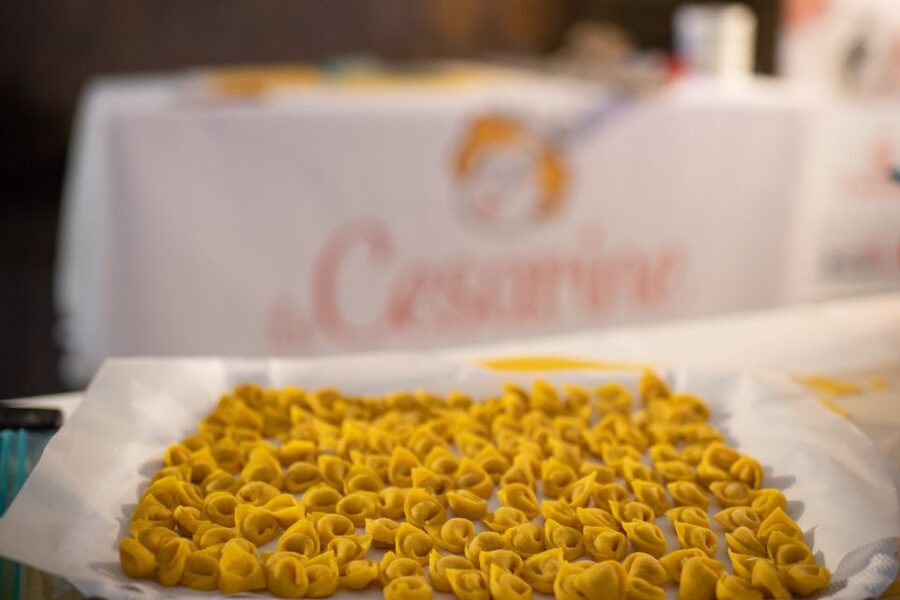
Tiny tortellini, big Bologna craft. This Bologna tortellini masterclass happens in a real local home, where you learn how to make the tiny, iconic parcels by hand, then eat what you made with wines. You also start with a proper aperitivo of prosecco and nibbles, so you ease into the lesson instead of feeling rushed.
Two things I particularly like are the hands-on instruction and the calm focus on technique that good home cooks bring. In the case of instructors like Oriana Altamura, the patience with the dough process really comes through, and you can feel how much care goes into getting the fold just right. One possible drawback: because it’s in a private home, you won’t see the full address until after you book, so you’ll want to plan how you’ll reach it and arrive on time.
In This Review
- Key highlights you’ll care about
- Why Bologna tortellini feel different when you fold them yourself
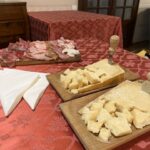
- Your aperitivo start: prosecco and nibbles before the dough
- In the kitchen with a Cesarine host: dough, filling, and the perfect fold
- Taste what you make: wines, coffee, and the feeling of finishing strong
- Lunch or dinner from the same batch you cooked
- Price and value: what $152.93 per person really covers
- Who this suits best (and who might want a different plan)
- Make it easier to enjoy the lesson: timing, arrival, and expectations
- Should you book the Tortellini masterclass?
- FAQ
- How long is the Bologna tortellini masterclass?
- Where does the experience take place?
- What’s included in the price?
- What languages will the instructor speak?
- Is it suitable for wheelchair users?
- Can you accommodate food intolerances or allergies?
- What is the cancellation policy?
Key highlights you’ll care about
- Real local home setting with a Cesarine host instead of a classroom vibe
- Aperitivo start: prosecco and nibbles before you roll dough
- Traditional tortellini, made from scratch, from dough to filling to folding
- Eat what you cook: lunch or dinner based on your tortellini
- Wines, coffee, and water included with the meal
Why Bologna tortellini feel different when you fold them yourself
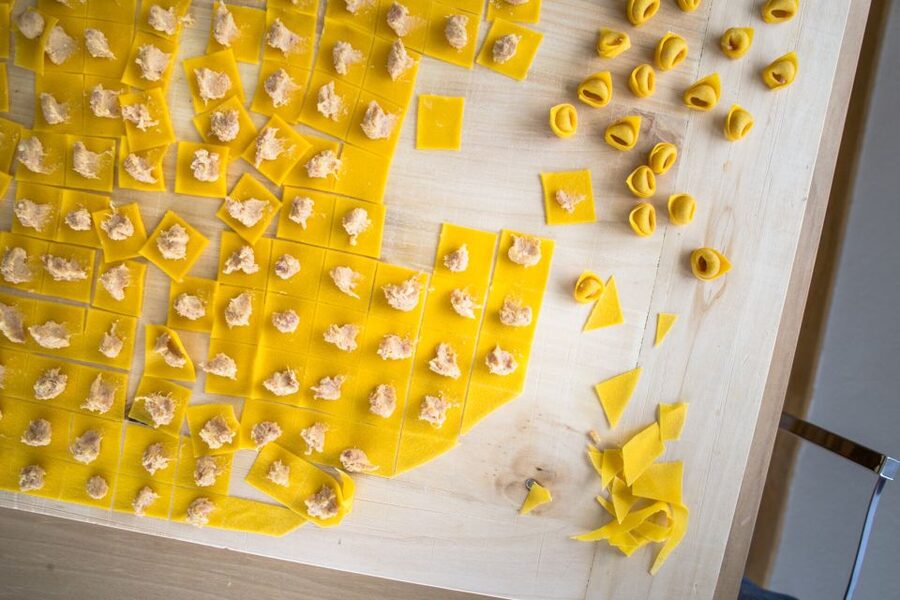
Bologna is serious about pasta. Not the quick kind. The tiny kind. Tortellini are small on purpose, and that small size forces you to slow down and pay attention to dough texture and folding technique. When you make them by hand, you start to understand why this dish became a symbol of the city rather than just another pasta option.
What you’ll likely notice right away is how much “work” is actually about feel. The dough needs the right consistency to roll thin without tearing, and the filling has to be portioned so the pasta seals neatly. That’s the kind of practical knowledge you can’t really get from watching a video on your phone while you’re hungry.
Also, the “local home cook” format matters. In a restaurant kitchen, the pace is about service. In a home lesson, the pace is about teaching—how to get the dough right, how to avoid overfilling, and how to shape consistently without getting frustrated.
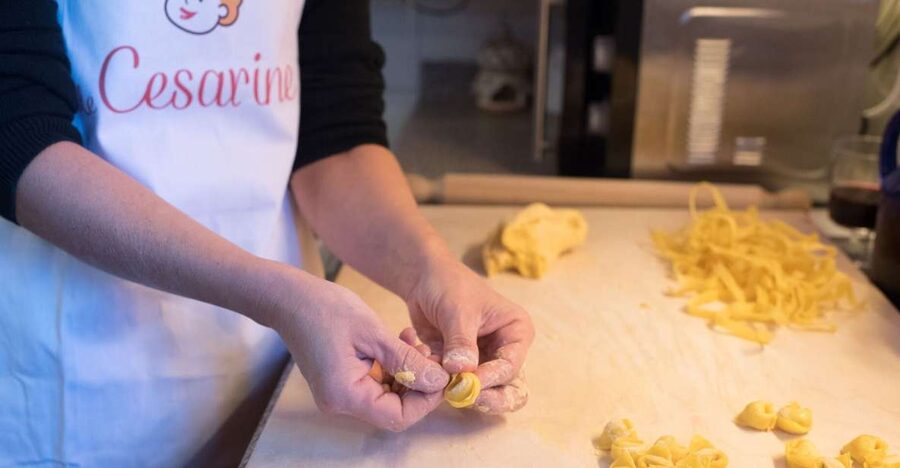
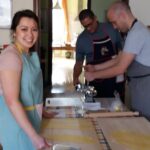
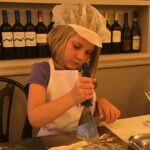
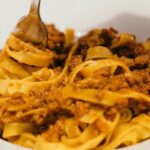
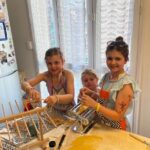
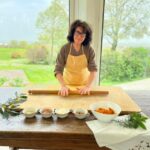
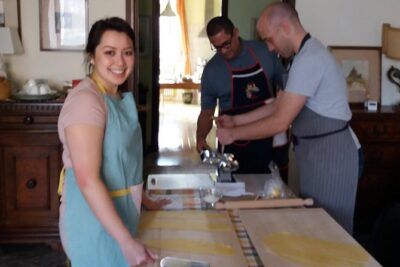
Back into the kitchen to roll tortellini and tagliatelle by hand.
Your aperitivo start: prosecco and nibbles before the dough
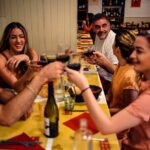
This class doesn’t start by asking you to jump straight into flour. You begin with a typical Italian aperitivo: prosecco plus nibbles. For me, that’s more than a nice touch. It changes the mood. You arrive, settle in, and you’re already in an Italian rhythm before anyone turns on the pasta rolling action.
The aperitivo also gives you an easy buffer to meet other guests and get comfortable speaking—especially since the class runs in English and Italian. Even if you’re not fluent in Italian, aperitivo culture is friendly. It’s built around conversation and small bites, and it helps you relax before you start handling dough.
A practical tip: wear something you don’t mind getting a little messy. Pasta dough is forgiving, but you’ll still touch flour and dough during shaping. If you’ve got a favorite shirt, save it for after.
In the kitchen with a Cesarine host: dough, filling, and the perfect fold
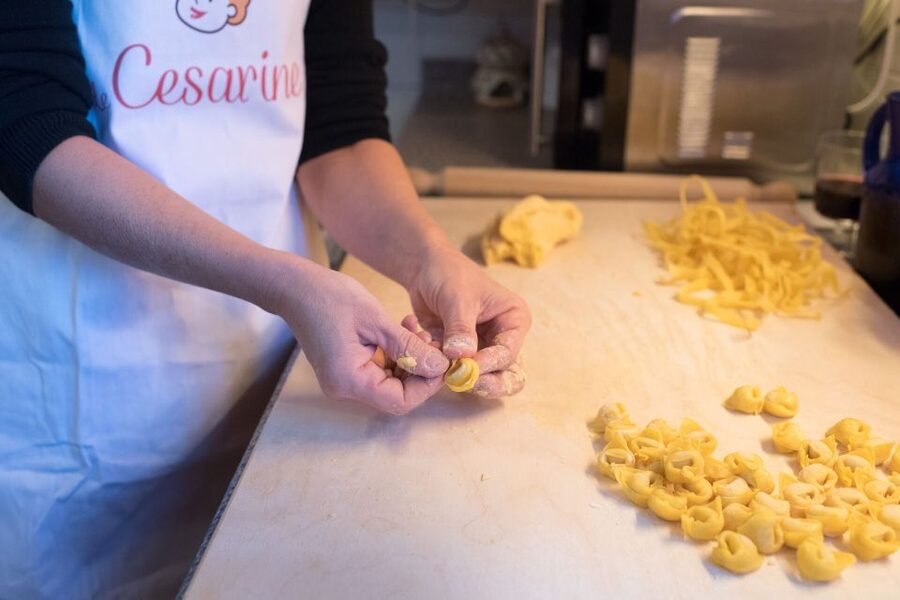
After aperitivo, the main course of the evening is the tortellini lesson. This is a hands-on class built around traditional technique. You’ll roll the dough, prepare the filling, and shape the tortellini parcels with your host’s guidance. The goal isn’t just to make a nice-looking plate. It’s to recreate the method that makes Bologna tortellini recognizable.
Here’s what this kind of lesson teaches beyond “how-to steps”:
- Consistency beats speed. You’ll learn why similar-sized portions matter when you fold and cook them together.
- Sealing is technique, not luck. You’ll see how dough thickness and moisture in the filling can affect whether tortellini close properly.
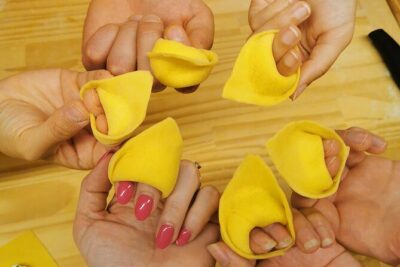
- Folding is the skill. The iconic shape takes practice, but you get real coaching rather than guesswork.
The experience is designed around watching a master at work and then doing it yourself. That combination is where value shows up. You’re not just copying. You’re understanding what the cook is correcting as you go.
You’ll also get practical tips for making the dish again at home. Even if your first batch isn’t perfect, having the host’s advice on dough handling and portioning helps you avoid the most common problems: dough that’s too thick, filling that’s too generous, and closures that don’t hold.
One more detail that’s easy to overlook: the class emphasizes the “icon” status of Bolognese cuisine. That means the focus stays on tortellini as a regional dish with identity. You’re not learning a generic pasta project. You’re learning a Bologna signature.
Taste what you make: wines, coffee, and the feeling of finishing strong
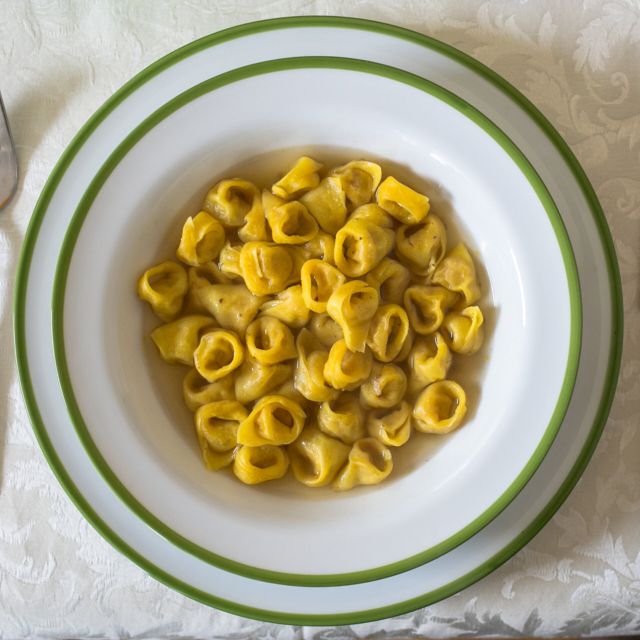
After you’ve worked through dough and shaping, you get to taste the results with beverages included. The experience includes wines along with water and coffee, which makes the tasting part feel like a meal, not a food demo.
This is where you’ll appreciate the earlier instruction. When you taste tortellini you made, you can connect texture to technique. You’ll notice if the dough is tender or chewy, if the filling tasted balanced, and how the shape holds during cooking.
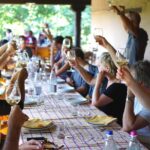
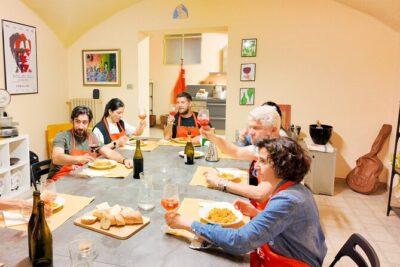
There’s also a social side that matters for value. The class includes time to share your passion for Italian cuisine with other guests, and the host’s guidance often invites conversation. In small home settings, questions come naturally: why the dough is treated a certain way, what the host thinks makes a difference, and how to serve it.
If you’re the type who likes to eat with intention, this structure works well. You’re not just hungry. You’re tasting with context.
Lunch or dinner from the same batch you cooked
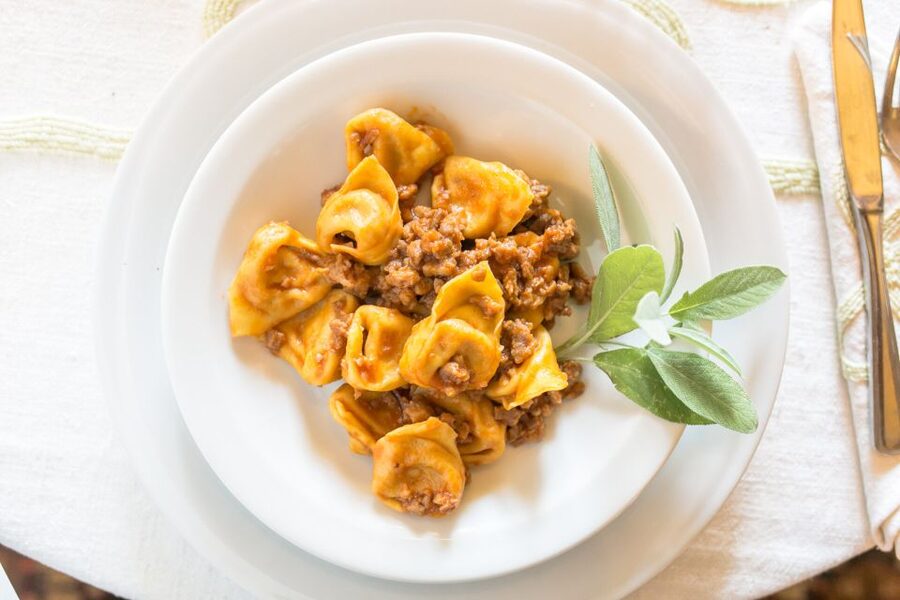
The experience includes a lunch or dinner made from your tortellini. That’s a big deal for value, because you’re not paying only for instruction. You’re paying for the full arc: aperitivo, cooking, then a meal based on your work.
From a practical standpoint, it also solves a decision you usually face in Italy: what to eat next. Here, the lesson turns into the meal plan. You can leave knowing you already ate something specific to Bologna, made in a way that fits the region.
And because beverages are included—water, wines, and coffee—you won’t have to piece together a drink order in the middle of your day. The meal flows as part of the same experience.


Price and value: what $152.93 per person really covers
At $152.93 per person (for a 3.5-hour session), this is not a budget cooking class. But it’s also not only a ticket to watch someone else work. Your price includes:
- A hands-on class in a local home
- Traditional tortellini preparation from scratch
- The lunch/dinner of what you prepared
- Aperitivo with prosecco and nibbles
- Beverages: water, wines, and coffee
So the value isn’t just the food. It’s the teaching environment. A home cook setting means fewer “on the clock” distractions and more attention on your questions and technique. If you love pasta and want to bring home something you can actually repeat, this format can be worth more than you’d expect.
One way to think about it: you’re paying for a full afternoon-style culinary experience with a meal attached. If you were to eat a comparable Italian meal plus a guided food activity, the total often climbs quickly—especially in a city where dining is a highlight. Here, the lesson and meal are welded together.
Who this suits best (and who might want a different plan)
This experience is ideal if you:
- Want a deeply hands-on pasta skill, not just a tasting
- Like learning directly from home cooks rather than demo kitchens
- Enjoy eating a meal that matches the work you did earlier
- Prefer a smaller, personal setting over a bigger tour-style group
It may be less ideal if you:
- Want a purely sightseeing-focused Bologna day and don’t want to be in a kitchen setting for a few hours
- Have mobility needs, because it is not suitable for wheelchair users
If you’re traveling with food sensitivities, plan ahead. You’ll be asked for food intolerance and allergy information so the host can prepare appropriately.
Make it easier to enjoy the lesson: timing, arrival, and expectations
Because this happens in a private home, you’ll receive the full address only after you book. That’s normal for privacy, but it means you should think about transport before the day arrives. Give yourself extra time, especially if you’re staying in a neighborhood that’s unfamiliar to you.
Also, since the class runs 3.5 hours, check available starting times so the schedule fits your day. Bologna is the kind of city where it’s easy to stack too many plans. If you book this, protect your energy for the lesson and meal afterward.
Bring a small mindset shift: you’re not trying to produce restaurant-perfect tortellini on the first try. You’re learning how the dough should feel, how the filling should behave, and how the fold creates a seal. If you go in expecting a learning curve, you’ll enjoy it more.
Finally, use the language options if you can. Even a few phrases in Italian help in a home setting. If you’re comfortable, ask questions during the shaping stage. That’s when the host’s guidance matters most.
Should you book the Tortellini masterclass?
If your idea of a great trip includes learning a skill you can repeat and eating something you made yourself, this is an excellent pick for Bologna. The combination of aperitivo, a from-scratch tortellini session, and a sit-down lunch or dinner creates strong value at this price point. It’s also a great way to experience Bologna through its culinary identity rather than just tasting it on the surface.
Book it if you want a calmer, hands-on afternoon in a real local kitchen, and you’re happy to spend a few hours shaping tiny pasta. Skip it if you’d rather spend the time walking, touring, and eating strictly on your own schedule.
FAQ
How long is the Bologna tortellini masterclass?
The experience lasts 3.5 hours. Starting times depend on availability.
Where does the experience take place?
It’s held in a local’s home. For privacy, you receive the full address only after booking, and the activity ends back at the meeting point.
What’s included in the price?
You get a hands-on class in the local home, instruction to prepare traditional tortellini from scratch, lunch or dinner of the tortellini you prepared, an Italian aperitivo with prosecco and nibbles, plus beverages (water, wines, and coffee).
What languages will the instructor speak?
The instructor offers instruction in English and Italian.
Is it suitable for wheelchair users?
No. The experience is not suitable for wheelchair users.
Can you accommodate food intolerances or allergies?
You should provide food intolerance and allergy details at booking (or by email with your booking reference). The host details are then sent to match you with the right home cook.
What is the cancellation policy?
Free cancellation is available up to 24 hours in advance for a full refund.
More Bologna Pasta and Cooking Classes
More Tour Reviews in Bologna
After something different? More ways to fill a day in Bologna and across Emilia-Romagna





Bologna Pasta-Making & Cooking Classes, compared.
 ★ 5.0Bologna Local Pasta Cooking Class, Ragu, Spritz, Wine & GelatoFrom $59527 reviews
 ★ 5.0Pastamama, Home Cooking Classes at Grace’s HomeFrom $114521 reviews
 ★ 5.0Pasta and Tiramisu Small Group Cooking Class with WineFrom $71409 reviews
 ★ 4.9Pasta Tagliatelle Ragu Cooking Class with SpritzFrom $79407 reviews
 ★ 5.0Bologna on the plate, Cooking Class with AlessiaFrom $89260 reviews
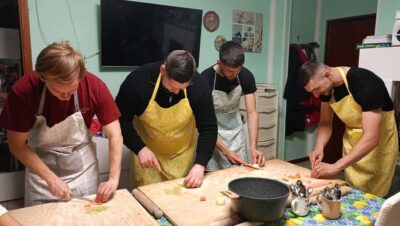 ★ 4.7Pasta Tagliatelle al Ragu Cooking Class with WineFrom $70225 reviews
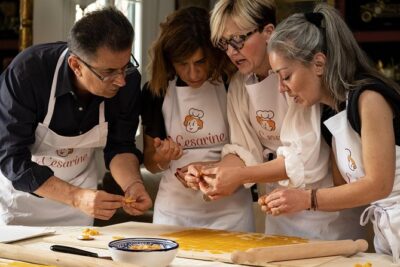 ★ 5.0Cesarine: Small group Pasta and Tiramisu class in BolognaFrom $163172 reviews
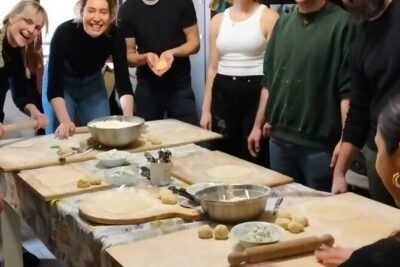 ★ 4.5Authentic Bologna Home Cooking Class: Tagliatelle & TortelliniFrom $78136 reviews
Browse the lists this tour appears in