
Reviewed · BOLOGNA PASTA-MAKING & COOKING CLASSES
Learn To Make Fresh Pasta in the heart of food valley
Pasta plus black truffle, in a tiny village. I love the small group pace and the hands-on black truffle pasta skills you’ll learn with Virginia. One important consideration: this class isn’t suitable for gluten intolerance.
Calestano sits in Emilia-Romagna’s food world, about 40 minutes from Parma. If you don’t have a car, the experience is set up around an easy transfer that starts at Hotel Maria Luigia.
I also like that you don’t just cook and leave—you sit down to eat what you make, with local wine and Virginia’s homemade tiramisu. You’ll even get recipes afterward, so your kitchen in (wherever you live) has a chance to taste like Italy.
In This Review
- Key highlights to know before you go
- Why Calestano in Emilia-Romagna feels different from big-city cooking classes
- Getting there from Parma: Hotel Maria Luigia and the 40-minute drive
- What happens in the workshop: hands-on pasta dough and Emilian sauces
- The truffle focus: what black truffle teaches you about Emilian flavor
- From the garden to your plate: vegetables, wine, and Virginia’s pacing
- The tiramisu finale you’ll actually want to repeat
- Take-home recipes and the little tricks that help you repeat it
- Price and value: $100.82 for 3 hours that feed you
- Who should book this pasta class in Calestano
- Should you book Pasta Special in Calestano?
- FAQ
- FAQ
- How long is the pasta workshop?
- Where is the meeting point?
- Is there transportation from Parma?
- How many people are in the group?
- What pasta will I learn to make?
- Is truffle included in the standard price?
- What food and drinks are included?
- Do I get recipes to take home?
- Is this class suitable for gluten intolerance?
- What is the cancellation policy?
Key highlights to know before you go
- Calestano, province of Parma: a less-visited medieval village setting for your lesson
- Fresh truffle pasta from scratch: black truffle flavors worked into handmade dough and fillings
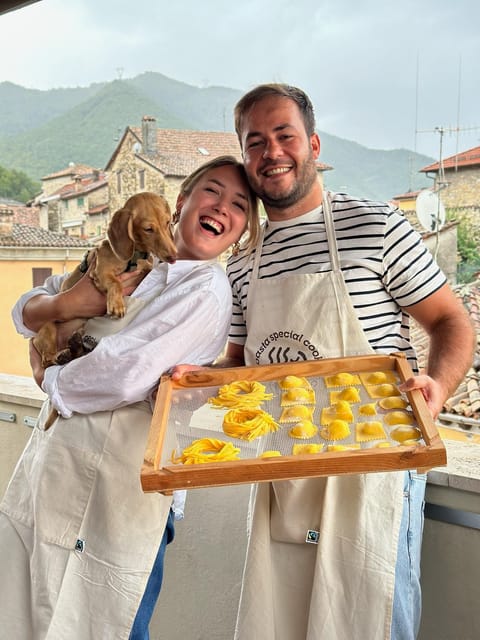
- Virginia teaches the Emilian way: ravioli and tagliatelle plus traditional sauces
- Vegetables from a family garden: fresher ingredients than you’ll get at most home-cooking classes
- You eat the results: wine, multiple courses, and a homemade tiramisu finale
- Take-home recipes: written recipes to help you repeat the dishes at home
Why Calestano in Emilia-Romagna feels different from big-city cooking classes
Calestano is the kind of place that makes you slow down without trying. The setting is a medieval village feel, and that matters because pasta dough is delicate work. When your surroundings are calm, you’re more likely to focus on the texture—how the dough feels, how it rolls, and how it holds shape.
What surprised me is how much the lesson depends on ingredients. The vegetables used in the meal come from Virginia’s family garden, so you’re cooking with produce at its best. You’re not just copying steps from a recipe card—you’re learning how Emilian flavors come together when the starting ingredients are already strong.
You’ll also notice the tone is family-friendly and practical. Virginia’s teaching style is warm and welcoming, and it stays grounded in what you can actually do at home. That’s the real point of a class like this: you should leave able to repeat the flavor, not just collect a memory.
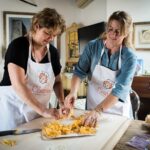
Back into the kitchen to roll tortellini and tagliatelle by hand.
Getting there from Parma: Hotel Maria Luigia and the 40-minute drive
This experience is based in the province of Parma, around 40 minutes from Parma’s city center. If you need transportation, the meeting point is Hotel Maria Luigia. You’ll start there, and the experience ends back at the same meeting point.
If you’re driving, you won’t necessarily meet at Hotel Maria Luigia. You’ll receive the exact address for where the cooking class happens in Calestano. That’s helpful if you like having your own schedule, but it also means you should read your message carefully after booking.
One practical note: the listing says hotel pickup and drop-off aren’t included. So think of Hotel Maria Luigia as a standard meet point, not a personalized door-to-door service.
What happens in the workshop: hands-on pasta dough and Emilian sauces
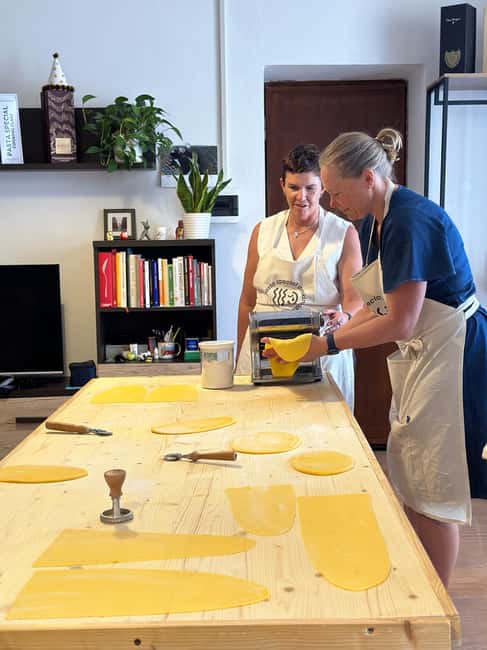
This is a true workshop, not a spectator demo. You’ll be guided through making fresh pasta, including building the dough and working it into shapes you can actually replicate later.
From the materials you’ll create, the focus is firmly on classic Emilian forms:
- Ravioli (fresh, delicate, and shaped by hand)
- Tagliatelle (rolled and cut so the sauce clings properly)
- Traditional sauces to match the pasta
This is where I think the class delivers real value. Many pasta lessons teach you how to roll dough, but they don’t always get you thinking about why a sauce behaves the way it does. Here, the sauce-making is part of the lesson plan, so you’re practicing combinations that make sense for the region.
Virginia also shares small techniques as you go. One detail that comes through strongly is how people leave feeling they’ve learned more than a single recipe. They learn a method: how to handle dough, how to portion fillings, and how to time sauce so everything lands hot at the table.
The truffle focus: what black truffle teaches you about Emilian flavor
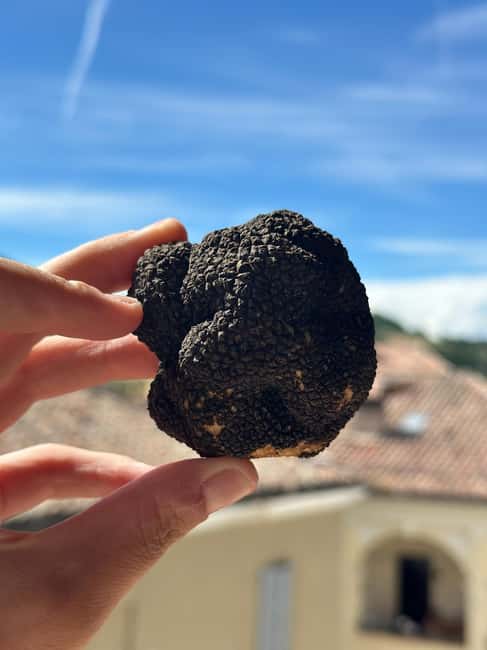
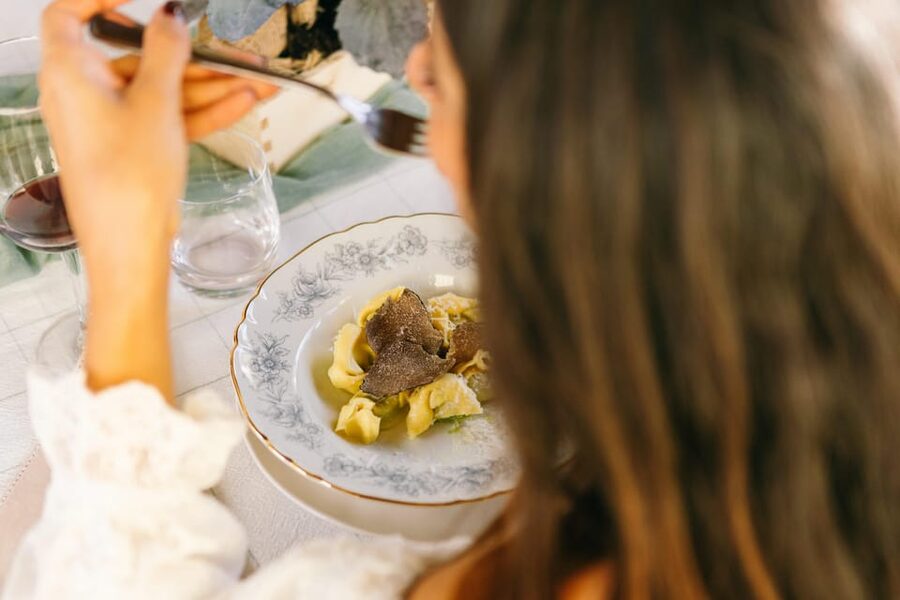
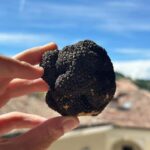
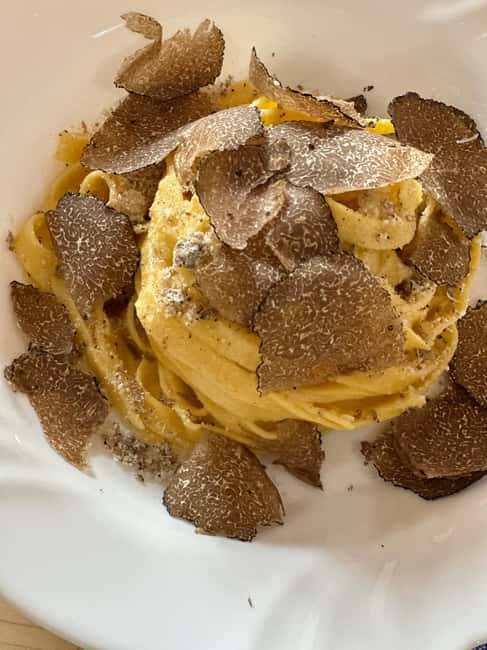
Black truffle is the star of this class, and you’ll work with truffle pasta from scratch. The idea isn’t just to taste luxury—it’s to understand how a strong ingredient changes the entire cooking approach.
Truffle flavor is intense, so the practical lesson is balance. If you overpower it, you lose the point. If you under-season, everything tastes flat. In other words, you’re learning Emilian restraint as much as you’re learning a recipe.
There’s also an optional choice you should know about: if you want to use fresh truffle during the lesson, you need to request it in advance. It’s not included in the standard price, which is smart because not everyone wants the added cost.
If you’re the kind of cook who likes dialing up flavor at home, this is worth considering. Just plan ahead so the host can arrange it.
From the garden to your plate: vegetables, wine, and Virginia’s pacing
One of the most enjoyable parts is the way the class uses garden-fresh vegetables. That’s not a marketing line—it’s a real difference in taste and in how much confidence you feel cooking at home afterward. When vegetables are fresh and flavorful, your sauce tastes better with less effort.
After the hands-on part, you sit down to enjoy what you made. The meal includes wine, and the pacing is relaxed enough that you’re not rushing through your own creations like a food-production line.
The menu is also structured in courses. Included items list an appetizer plus a lunch and dinner-style meal, plus coffee or tea. The practical upside is that you’re not calculating what you’ll eat afterward. You’re already covered, and you can focus on enjoying the class instead of planning dinner logistics.
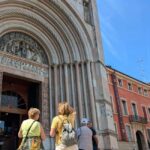
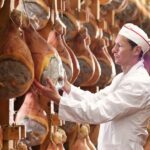
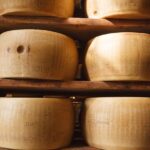
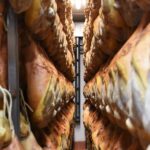
More Emilia food and drink to seek out.


The tiramisu finale you’ll actually want to repeat
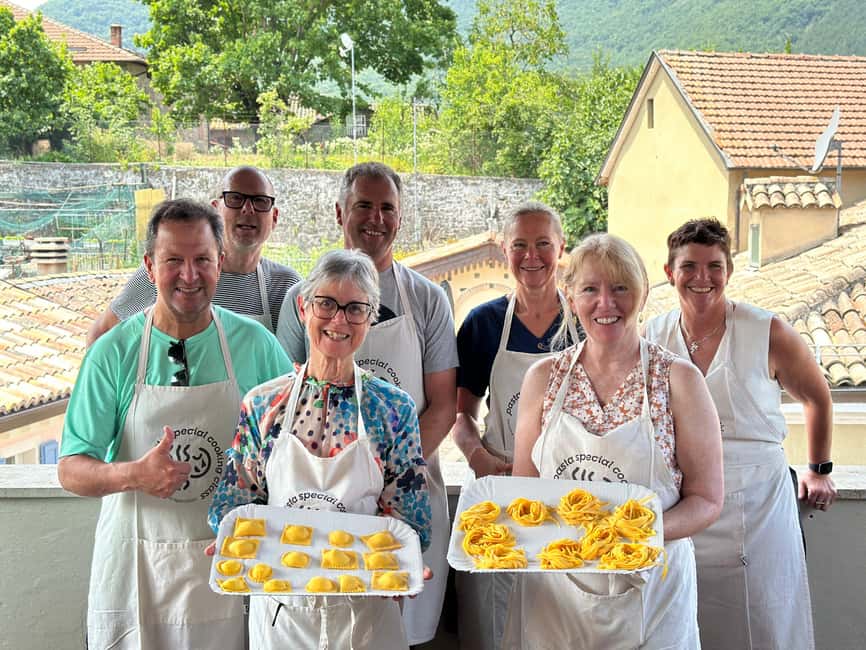
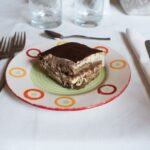
Dessert is not an afterthought here. You’ll end with Virginia’s homemade tiramisu, and it gets serious praise. People talk about it like it’s the one they remember later, mostly because it feels made for sharing rather than served as a quick finish.
Why I think this matters: if you’re spending time learning pasta technique, you want the whole meal to make sense as a complete Italian experience. Tiramisu is an easy bridge back to everyday cooking. Even if you don’t cook truffle pasta at home often, you can still use dessert as your “I got this” win.
If you’re a note-taker, this is where you’ll be glad you have your hands free to focus on the flavors. You’ll get recipes afterward, but the tasting part is still where you learn what good should taste like.
Take-home recipes and the little tricks that help you repeat it
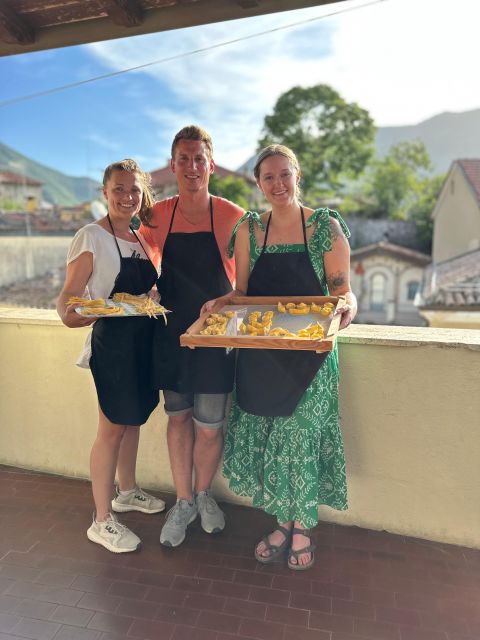
You’ll receive the recipes for what you made together. That’s huge for follow-through, because pasta is one of those skills where you benefit from having a reminder when you’re back in your own kitchen.
Also, some people wish they’d gotten even more written tips for other pasta shapes like gnocchi. That doesn’t mean you’ll miss something in your session, but it does suggest a practical strategy: if there’s a specific pasta outcome you care about most, ask Virginia during the class. The small group size helps—up to 7 participants means you’re not lost in a crowd.
Here’s my take: don’t treat the recipe as the only thing you take home. Treat it as a checklist. The real learning is in texture and timing, and those are easier to repeat when you’ve learned what to look for while cooking.
Price and value: $100.82 for 3 hours that feed you
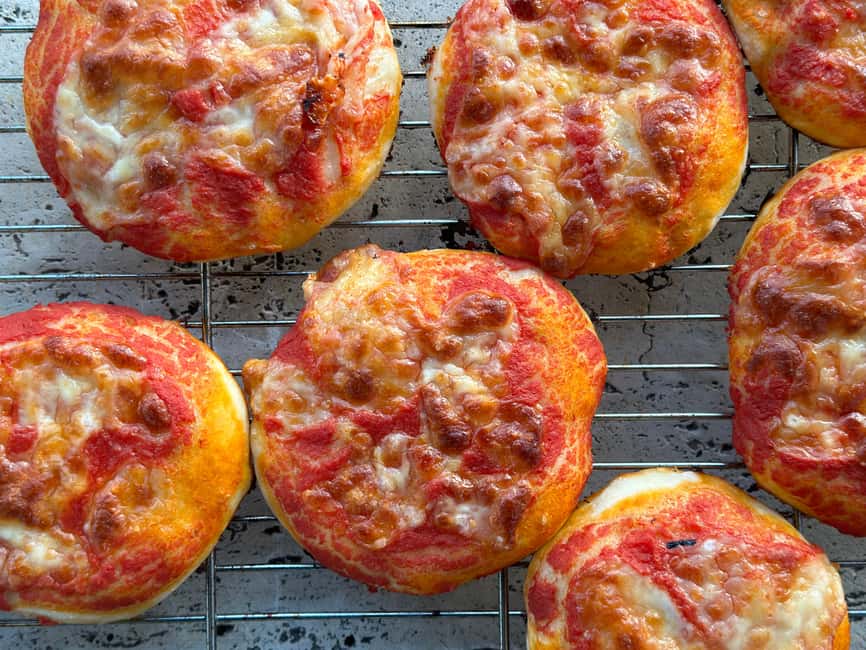
At $100.82 per person, you’re paying for a short, focused lesson in an Italian home setting—with the ingredient focus and a full meal built around it.
The value comes from three areas:
- You learn hands-on (not just tasting)
- The meal is included: appetizer plus lunch and dinner-style courses, with wine and coffee/tea
- The setting supports the lesson: Calestano, garden ingredients, and small-group attention
In many cooking experiences, you pay a similar amount but you’re only getting a tastings-heavy experience with light food. Here, you’re eating real courses after the work. That changes the math. For a food-focused trip where you might otherwise budget for dinner and drinks, the package feels more reasonable.
Still, check your expectations. This is a 3-hour experience. It’s enough time to learn, cook, and eat, but it’s not a weeklong culinary program. If you want advanced restaurant-style technique training, you’ll want to pair this with more practice at home using the recipes.
Who should book this pasta class in Calestano
This class fits you best if you want a real Emilian flavor experience without big-tour friction. You’ll likely enjoy it if you:
- Care about pasta technique you can replicate
- Like regional ingredients and want a truffle-focused lesson
- Enjoy sitting down for a full meal as part of the experience
- Prefer small-group attention (max 7)
There are also clear “skip it” situations. It’s not suitable for gluten intolerance, and it’s listed as not suitable for children under 7 and people over 95. If any of those apply, you’ll want to choose a different cooking class that fits your needs.
One more fit detail: the host offers Italian and English. If you’re comfortable with one of those languages, you’ll get more out of the explanations while you’re working.
Should you book Pasta Special in Calestano?
If you want a pasta class that feels connected to place—Parma nearby, Calestano’s medieval village setting, garden vegetables, and a truffle-focused lesson—then yes, book it.
I’d especially recommend it if you’re the type who wants to come home with more than a photo. The combination of hands-on ravioli/tagliatelle cooking, the sit-down meal with wine and Virginia’s tiramisu, and the fact that you get recipes afterward makes it a practical souvenir you can actually use.
Skip it only if gluten intolerance is an issue for you, or if a short 3-hour session isn’t enough structure for your travel style. Otherwise, this is one of those experiences that gives you both technique and food—exactly what a cooking class is supposed to do.
FAQ
FAQ
How long is the pasta workshop?
The experience runs for about 3 hours. Starting times depend on availability.
Where is the meeting point?
If you need transportation, you meet at Hotel Maria Luigia. If you’re driving, you’ll get the exact address for the class location in Calestano.
Is there transportation from Parma?
Yes. There’s an easy transfer service from Parma to Calestano. You should request it at the time of booking.
How many people are in the group?
The class is a small group limited to 7 participants.
What pasta will I learn to make?
You’ll learn to make fresh truffle pasta, including ravioli and tagliatelle, plus traditional sauces.
Is truffle included in the standard price?
The class is focused on black truffle. If you specifically want to use fresh truffle during the lesson, it’s not included in the standard price, but it can be arranged if you tell the host in advance.
What food and drinks are included?
You’ll get an appetizer, lunch, dinner, bottled water, alcoholic beverages, and coffee and/or tea, along with the meal made from your pasta.
Do I get recipes to take home?
Yes. The host will send you the recipes you made together.
Is this class suitable for gluten intolerance?
No. It’s not suitable for people with gluten intolerance.
What is the cancellation policy?
Free cancellation is available up to 24 hours in advance for a full refund.
More Emilia Food and Drink
More Bologna Pasta and Cooking Classes
More Tour Reviews in Parma
After something different? More ways to fill a day in Bologna and across Emilia-Romagna


Bologna Pasta-Making & Cooking Classes, compared.
 ★ 5.0Bologna Local Pasta Cooking Class, Ragu, Spritz, Wine & GelatoFrom $59527 reviews
 ★ 5.0Pastamama, Home Cooking Classes at Grace’s HomeFrom $114521 reviews
 ★ 5.0Pasta and Tiramisu Small Group Cooking Class with WineFrom $71409 reviews
 ★ 4.9Pasta Tagliatelle Ragu Cooking Class with SpritzFrom $79407 reviews
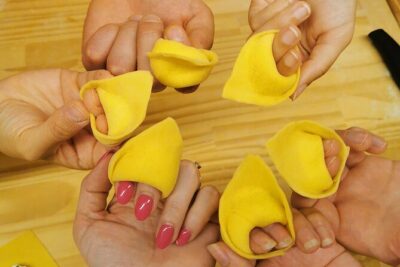 ★ 5.0Bologna on the plate, Cooking Class with AlessiaFrom $89260 reviews
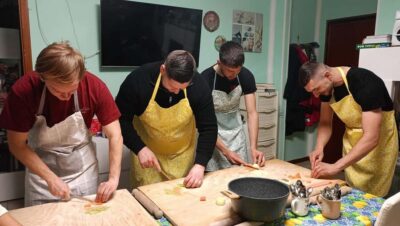 ★ 4.7Pasta Tagliatelle al Ragu Cooking Class with WineFrom $70225 reviews
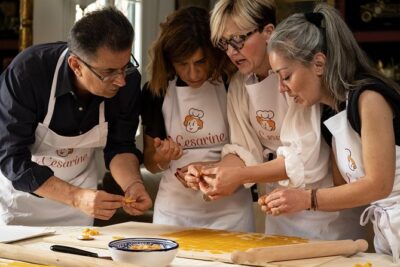 ★ 5.0Cesarine: Small group Pasta and Tiramisu class in BolognaFrom $163172 reviews
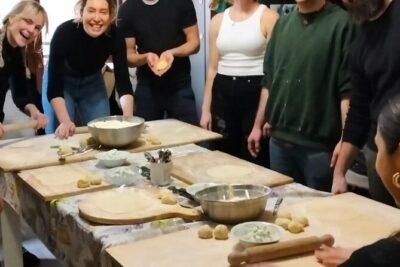 ★ 4.5Authentic Bologna Home Cooking Class: Tagliatelle & TortelliniFrom $78136 reviews
Browse the lists this tour appears in