
Reviewed · BOLOGNA PASTA-MAKING & COOKING CLASSES
Bologna: Class dedicated to the pasta and tiramisu making
Bologna pasta gets real hands-on. This class has you shaping tortelloni and tagliatelle, learning Bolognese ragu the way families do, and finishing with tiramisu. I like that it feels like cooking in a home, not a demo, and you get a real meal at the end. One possible consideration: it is not suitable for vegans or people with animal allergies.
You get a full 2.5-hour workshop in English or Italian, followed by lunch or dinner that includes wine, water, coffee, and a sweet surprise. I also like the practical focus: you are not just tasting, you are making.
Plan for a homey meeting point: you start at Number 60 of Via Lincoln, near a playground (close to 56 and 58), with the address listed as Buzz Mattioli/Frusteri. Ingredients can change based on personal requests, which is great if you ask ahead, but it also means what ends up on your plate may not be identical to someone else’s.
In This Review
- Key points to know before you go
- Tortelloni, tagliatelle, and pasta techniques you’ll use again
- What makes this format valuable
- Bolognese ragu: why it tastes like home (and not like a shortcut)
- Tiramisu making, plus the sweet surprise at the table
- Lunch or dinner with wine, water, and coffee: the real deal
- The nonna’s-house setting, wide spaces, and why it matters
- Price and value for a 2.5-hour workshop at $90.63
- Who should book this Bologna pasta and tiramisu class
- Finding the class at Number 60 Via Lincoln
- Should you book COOKINBO’s pasta and tiramisu class?
- FAQ
- What dishes will we learn to make in this class?
- How long is the pasta and tiramisu workshop?
- Is lunch or dinner included, or is it just a tasting?
- What languages are the instructors?
- Where do I meet for the class?
- Is the class wheelchair accessible?
- Is it suitable for vegans or people with animal allergies?
Key points to know before you go
- Handmade focus: you’ll work dough and learn shapes tied to Bologna favorites like tortelloni and tagliatelle.
- Real Bolognese ragu: the class targets the classic Bologna sauce, taught as a nonna-style recipe.
- Tiramisu included: you’ll prepare the dessert in the same session, not as an afterthought.
- Nonna-house atmosphere: wide spaces and a family vibe make it feel more like dinner at home than a class.
- You eat what you make: the final lunch or dinner includes wine, water, coffee, and a sweet surprise.
- Flexible ingredients: the menu can adjust to your personal request.
Tortelloni, tagliatelle, and pasta techniques you’ll use again
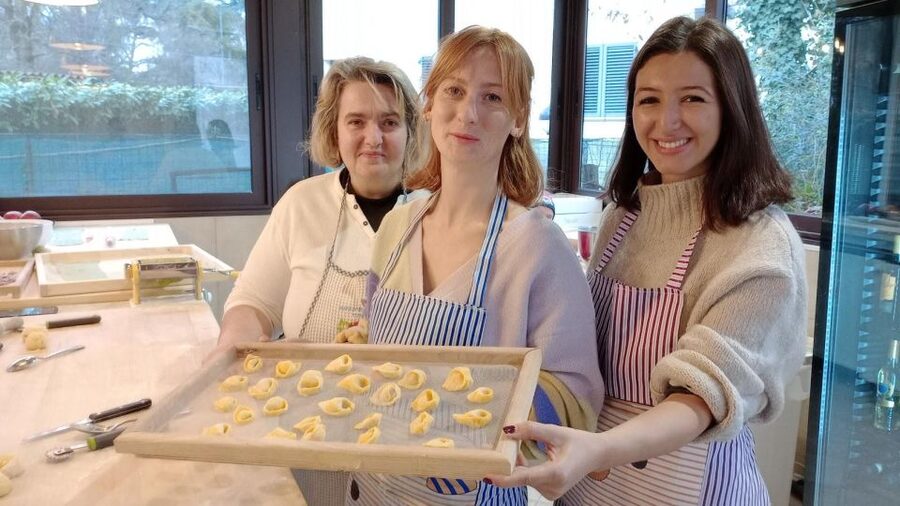
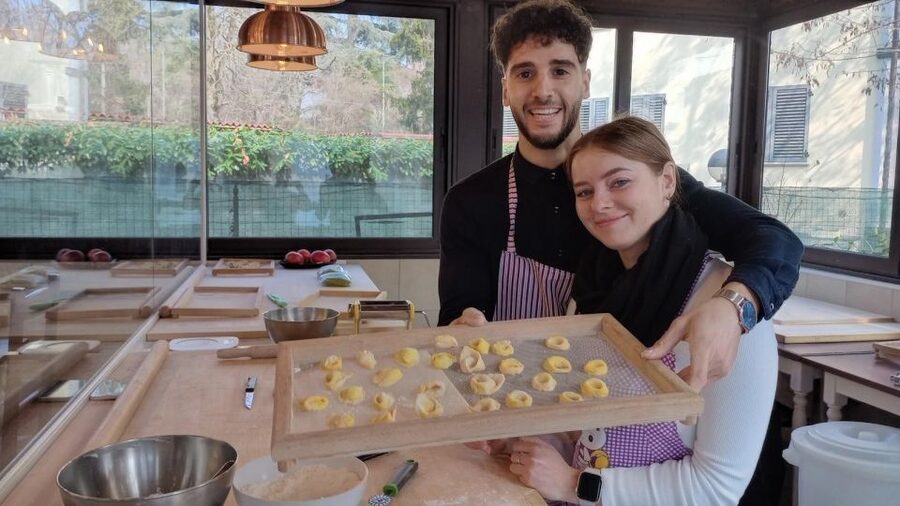
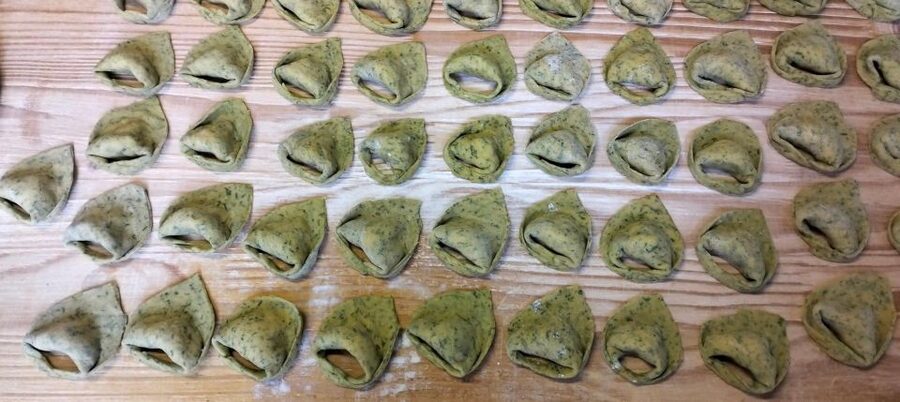
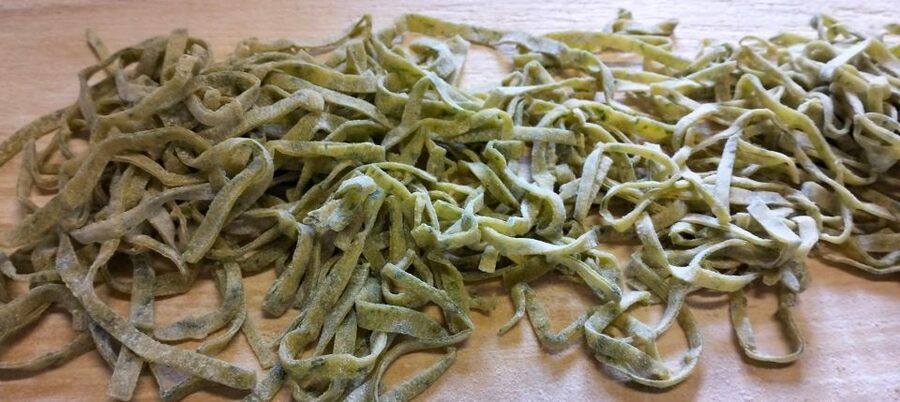
The heart of this experience is practical pasta work. You’ll spend your time preparing tortelloni and also working on tagliatelle (with the class description mentioning other shapes like farfalle as part of the pasta mix). The point is not to rush through a list of dishes. It’s to make enough so you understand the dough, the feel of the pasta, and how the shapes come together.
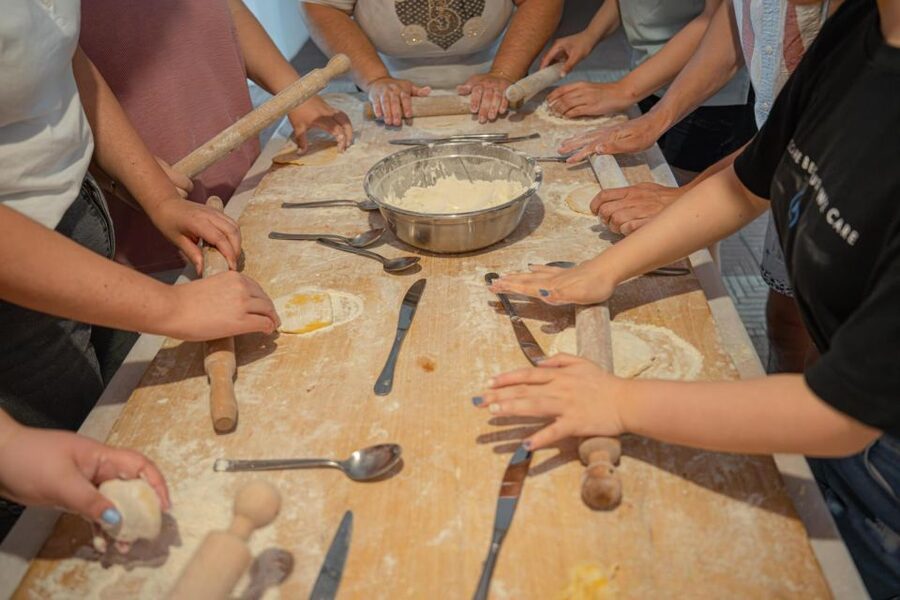
In a Bologna kitchen, pasta isn’t an abstract idea. It’s a craft, and this class keeps it hands-on. Expect to work with the dough and learn how to form the pasta so it looks right and (more importantly) cooks well. You also get a shared rhythm: everyone’s working at the same time, so you’re not stuck watching while others do the real work.
Then comes the savory part: ragu. You’ll prepare the real ragu of Bologna according to an original, family-style recipe. That matters because ragu is where a lot of people get the wrong idea. In many cooking classes, sauce is treated like a background act. Here, it’s a core skill. You learn how the components come together and how the sauce fits the pasta you’re shaping.
Finally, the workshop doesn’t end at pasta. You’ll transition into dessert—tiramisu—so your time together covers both Bologna’s everyday comfort food and the sweet finish that Italians actually serve after dinner.
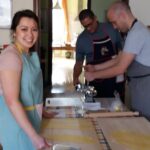
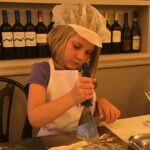
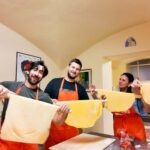
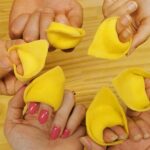
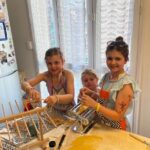
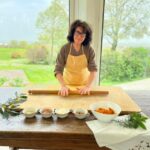
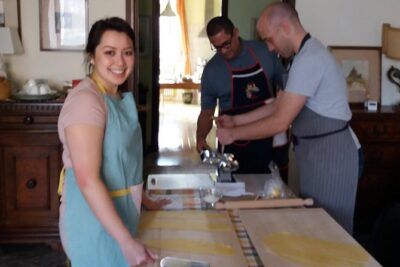
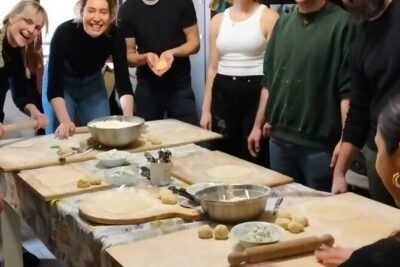
Back into the kitchen to roll tortellini and tagliatelle by hand.
What makes this format valuable
If you’ve ever tried to copy Italian recipes at home, you know the hard part isn’t finding ingredients. It’s knowing how the dough should feel, what shape matters, and how sauce should behave. A session like this is good value because it teaches the workflow, not just the ingredients.
Bolognese ragu: why it tastes like home (and not like a shortcut)
Ragu can be one of those dishes people think they already know. But Bologna-style ragu has its own logic, and this class is built around that idea. You’re taught the ragu of Bologna following the original recipe of the nonnas, and that phrasing isn’t just marketing language—it signals that the focus is on method.
Here’s what I think you should look for during the sauce portion: how the kitchen guides timing, texture, and balance. Since the class is a workshop (not a tasting-only experience), you’ll likely have a role in the steps that build the sauce. That makes it easier to remember what to change when you try it later.
Also, keep an eye on personalization. The class notes that ingredients might change based on your personal request. That’s useful in two ways:
- If you need adjustments, you have a chance to ask and make it work for you.
- You see how Italian cooking still stays flexible while staying true to a local style.
One more practical reason this matters: ragu is the connection between pasta and meal. When the sauce is right, you get that comfort-food effect instantly—cozy, hearty, and built for sharing at the table. And because you’re making it alongside your pasta, you’ll understand how the two go together instead of thinking of them as separate recipes.
Tiramisu making, plus the sweet surprise at the table
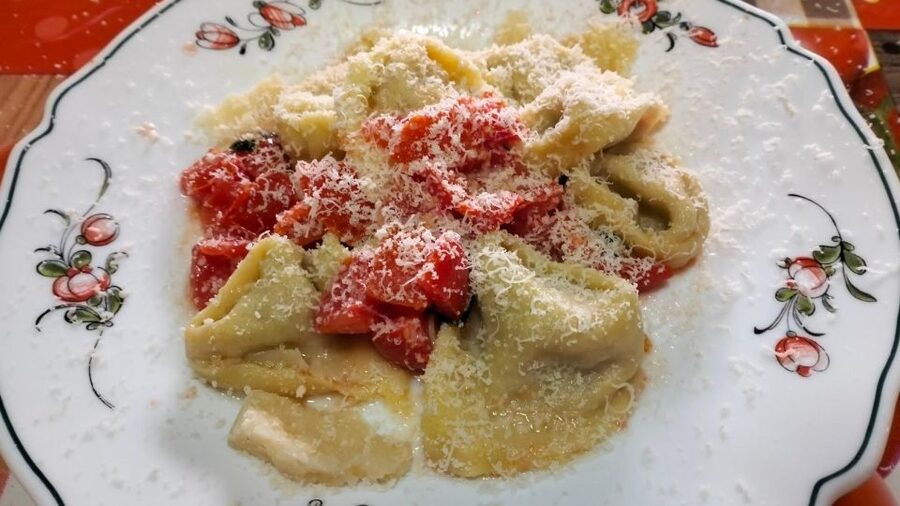
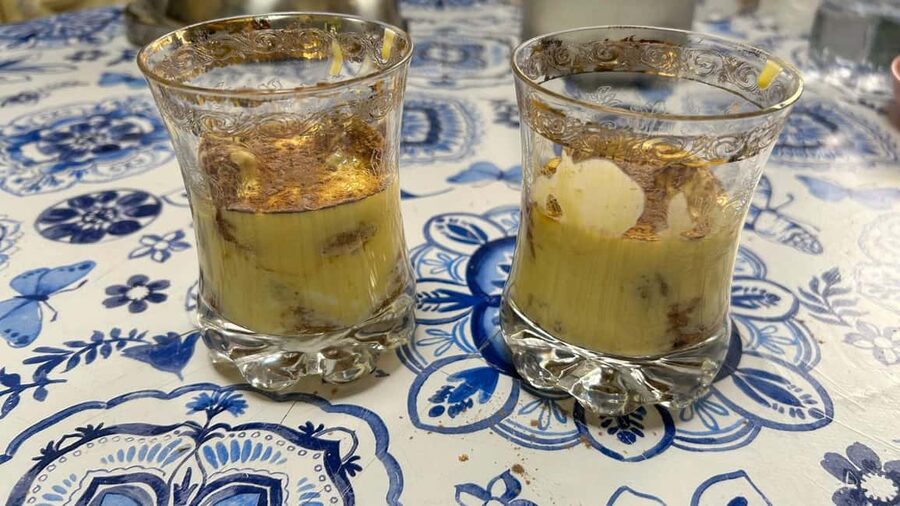
Dessert is where many cooking classes fade out. Not here. You’ll prepare tiramisu as part of the workshop, then you also get a sweet surprise with your final meal.
The “prepare it yourself” piece matters. Tiramisu can go wrong fast when you skip technique—especially when people treat it like instant assembly. A class setting gives you the chance to learn the rhythm and the correct staging, then see the outcome as part of a real dinner moment.
And then there’s the extra sweet surprise after your meal. That means you’re not leaving with just a single takeaway. You get an additional end-of-evening moment built into the experience, which is a nice touch when the class is only 2.5 hours long and still wants to feel satisfying.
If you’re the type who likes to eat dessert in Italy without turning it into a science project, you’ll still enjoy this. You’ll get the skills without the vibe of a lab.
Lunch or dinner with wine, water, and coffee: the real deal
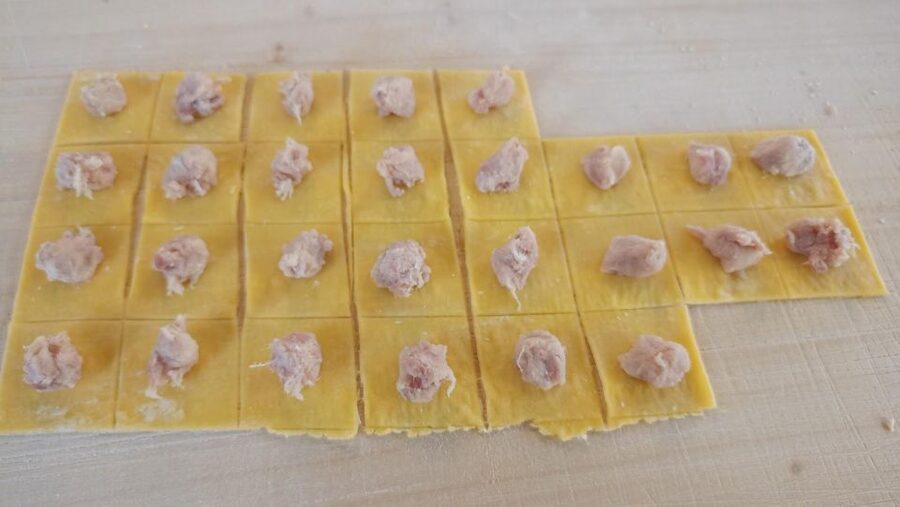
This is not a snack-and-send-you-home setup. The class includes a final lunch or dinner to taste what you made. Your meal includes wine, water, and coffee, plus a sweet surprise.
Why that’s a big deal for value: a cooking class is already work. If you then have to find dinner plans after, it can feel like the experience ends too early. Here, the meal is the finish line. You get to sit down with the dishes you helped create, and that’s when you actually understand what you made.
It also helps you connect with the social side of Bologna food. Italian meals are not just about taste; they’re about pacing. Wine and coffee at the end fit that rhythm, and the fact that it’s included means you don’t have to do mental math mid-evening.
One practical thing to note: the class includes wine, so if you don’t drink alcohol, plan accordingly. The data doesn’t specify substitutions. You might want to ask in advance what’s possible for your preferences.
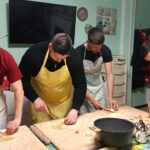
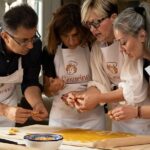
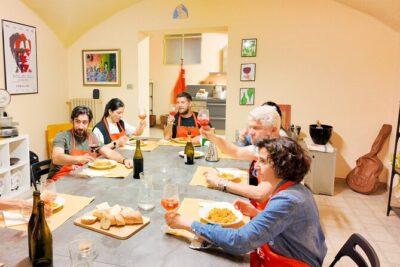
More hands-on afternoons in Emilia kitchens.
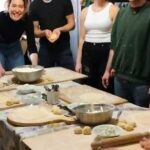
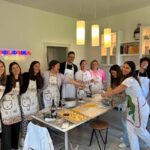
The nonna’s-house setting, wide spaces, and why it matters
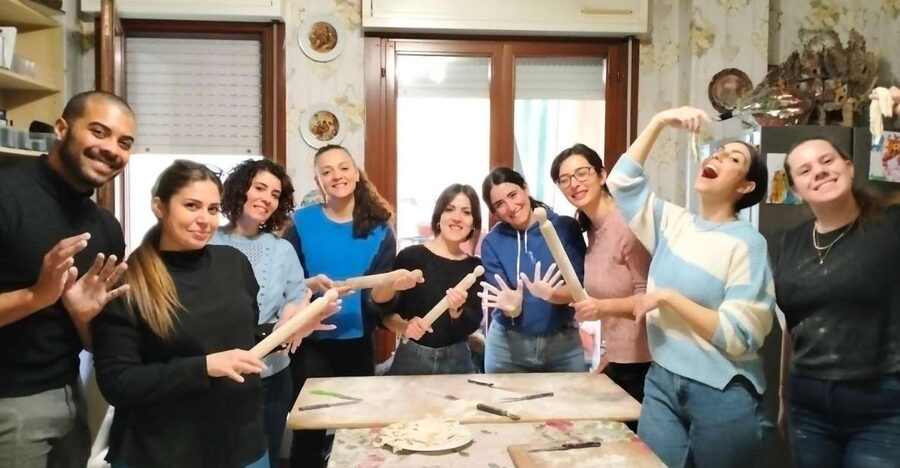
The vibe is a big part of why this works. The class is described as happening in locations with wide spaces and the atmosphere of a nonna’s house. That’s not just style points. It changes the whole feel of a cooking class.
In a tighter room, everything becomes stressful: crowded counters, waiting for tools, and that awkward feeling of being in the way. Wide spaces help you focus on the task. You can watch a step without losing your place, and you can work without constantly bumping elbows.
Then there’s the human side. The best-rated parts of the experience point to a host who makes the evening feel warm and light. One short review summary highlighted laughter along with delicious food, and that matches the idea of a family-style meal. In other words, you’re not just learning recipes; you’re learning how Italians make time for each other while cooking.
A few rules are also clear, which helps keep things comfortable:
- No smoking and no smoking indoors
- No bare feet
If you show up prepared, you’ll keep the atmosphere calm and respectful for everyone.
Price and value for a 2.5-hour workshop at $90.63
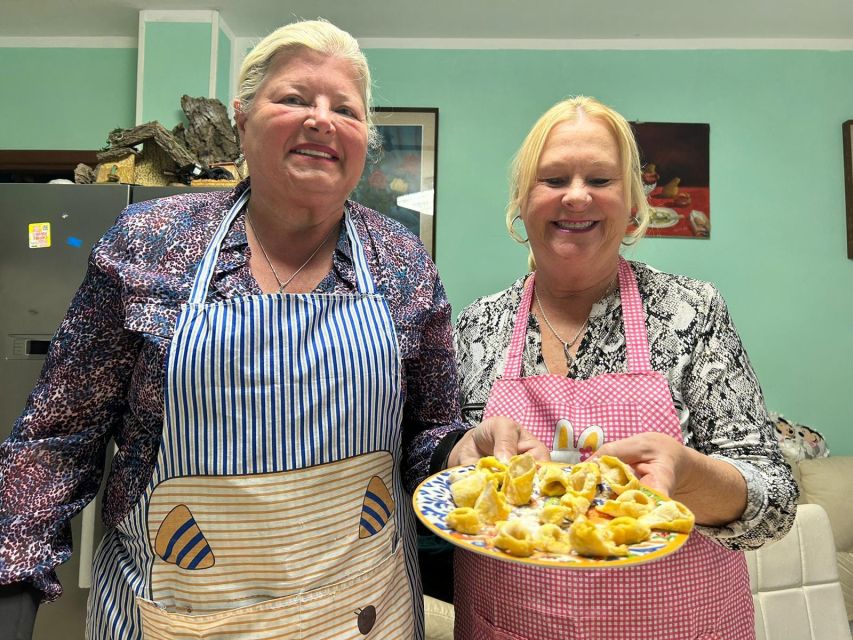
At $90.63 per person, this class is in the mid-to-higher range for a short Bologna experience. The key question is what you get back for the price.
Here’s the value math that makes sense from the details you have:
- You get a handmade pasta workshop (tortelloni and tagliatelle are specifically mentioned, with additional pasta like farfalle included in the description).
- You get instruction for ragu in the Bologna style.
- You get tiramisu making.
- You get a full lunch or dinner including wine, water, coffee, and a sweet surprise.
So you’re not just paying for instruction. You’re paying for a full food experience that replaces an entire meal plan. Bologna is a city where you can easily spend a similar amount on dinner once you add wine and dessert—except here, you also go home with skills and a stronger sense of how the dishes are built.
If you’re someone who values hands-on learning more than sitting down for a show, the price starts to feel more reasonable. If you’re mainly chasing good food and don’t care about cooking technique, you might decide to spend your money on a restaurant meal instead.
Who should book this Bologna pasta and tiramisu class
This is best for people who like the idea of making regional Italian comfort food with their hands.
It’s a strong match if you:
- Want to cook Bolognese ragu the way families do
- Like pasta projects that involve shaping (not just watching)
- Enjoy ending with dessert and coffee as part of the same evening
- Want an instructor experience in English or Italian
On the other hand, it is not suitable for:
- Vegans
- People with animal allergies
- People with a cold
- People with recent surgeries
- Children under 2, and children under 3
- People over 95
Also, because it’s a home-style setting with rules like no bare feet and no smoking, it helps to be comfortable in a more casual, family kitchen environment.
If you’re visiting Bologna for a short stay and you want one “this is uniquely Bologna” activity that turns into a meal, this tends to land well. If you’re on a strict diet or have allergy concerns, you should check with the provider before booking, especially since ingredients might change based on personal request.
Finding the class at Number 60 Via Lincoln
Your meeting point is very specific: Number 60 of Via Lincoln, in front of a playground. It’s near the same block where 56 and 58 are. The location listing also includes Buzz Mattioli/Frusteri, so use that as part of your confirmation when you arrive.
Because the workshop is only 2.5 hours, being on time matters. Show up a little early so you can settle in, get oriented, and start with the group without rushing.
Once you’re there, the activity ends back at the meeting point, so you’re not stuck figuring out how to get home after dinner. That’s a quiet convenience that helps, especially in an evening meal setting.
Should you book COOKINBO’s pasta and tiramisu class?
If you want one Bologna experience that mixes skill, food, and an actual sit-down meal, I’d say book it. The strongest reasons are the combination: hands-on pasta, Bolognese ragu made in a family way, and tiramisu, followed by lunch or dinner that includes wine, water, coffee, and an extra sweet moment.
Also, the format sounds like it hits the sweet spot between cooking instruction and good company. If you enjoy learning by doing and you like the idea of eating what you cooked, this class should feel like time well spent.
One more practical note: if your plans might shift, you can cancel up to 24 hours in advance for a full refund. That gives you room to book with less stress.
If you’re vegan, have animal allergies, or you’re currently unwell, skip this one and choose something else that fits your needs. For everyone else who wants authentic Bologna comfort food made the hands-on way, this is a smart pick.
FAQ
What dishes will we learn to make in this class?
You’ll prepare typical Bologna dishes including tortelloni and tagliatelle (with farfalle also mentioned), plus the real ragu of Bologna. The class also includes making tiramisu.
How long is the pasta and tiramisu workshop?
The duration is 2.5 hours. Starting times vary, so you’ll need to check availability.
Is lunch or dinner included, or is it just a tasting?
A final lunch or dinner is included so you can taste what you cooked during the workshop. Wine, water, and coffee are included, along with a sweet surprise.
What languages are the instructors?
The instructor teaches in English and Italian.
Where do I meet for the class?
Meet at Number 60 of Via Lincoln, in front of a playground near the same block where 56 and 58 are. The address listing also includes Buzz Mattioli/Frusteri.
Is the class wheelchair accessible?
Yes, the activity is listed as wheelchair accessible.
Is it suitable for vegans or people with animal allergies?
No. It is not suitable for vegans, and it is not suitable for people with animal allergies.
More Bologna Workshops
More Bologna Pasta and Cooking Classes
More Tour Reviews in Bologna


After something different? More ways to fill a day in Bologna and across Emilia-Romagna






Bologna Pasta-Making & Cooking Classes, compared.
 ★ 5.0Bologna Local Pasta Cooking Class, Ragu, Spritz, Wine & GelatoFrom $59527 reviews
 ★ 5.0Pastamama, Home Cooking Classes at Grace’s HomeFrom $114521 reviews
 ★ 5.0Pasta and Tiramisu Small Group Cooking Class with WineFrom $71409 reviews
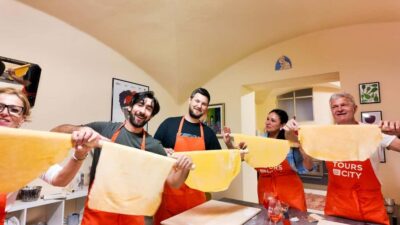 ★ 4.9Pasta Tagliatelle Ragu Cooking Class with SpritzFrom $79407 reviews
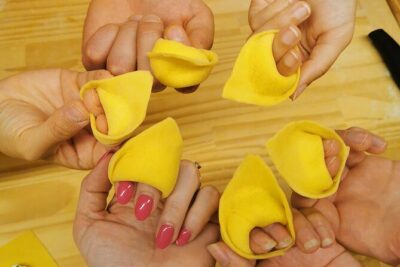 ★ 5.0Bologna on the plate, Cooking Class with AlessiaFrom $89260 reviews
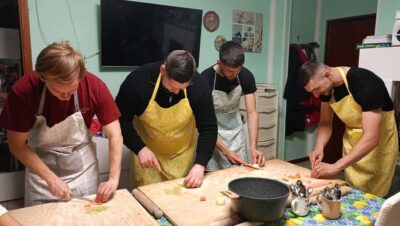 ★ 4.7Pasta Tagliatelle al Ragu Cooking Class with WineFrom $70225 reviews
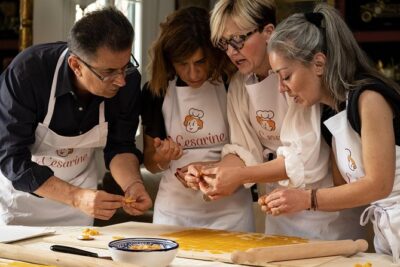 ★ 5.0Cesarine: Small group Pasta and Tiramisu class in BolognaFrom $163172 reviews
 ★ 4.5Authentic Bologna Home Cooking Class: Tagliatelle & TortelliniFrom $78136 reviews
Browse the lists this tour appears in