
Reviewed · BOLOGNA PASTA-MAKING & COOKING CLASSES
Bologna: Pasta-Making Class at a Local’s Home
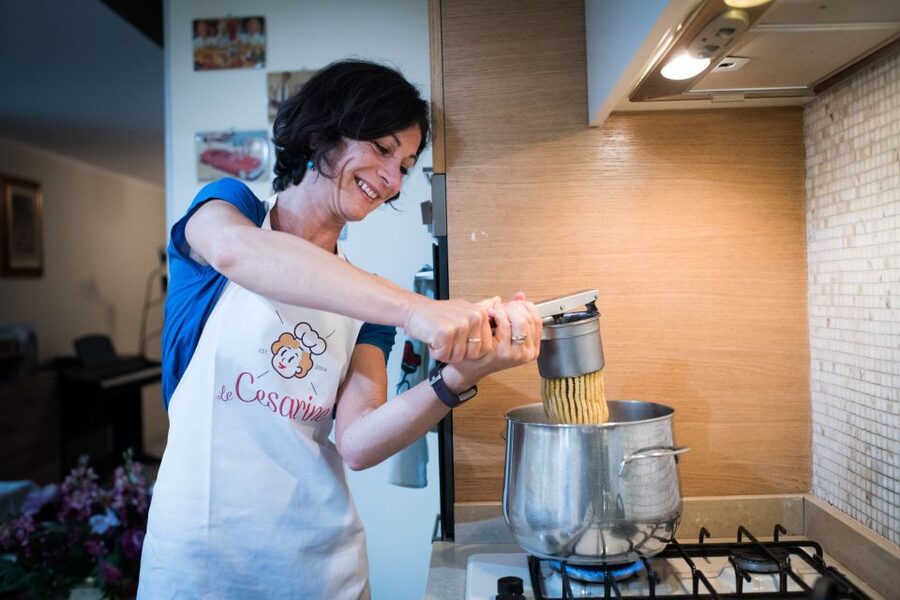
Homemade pasta gets real when it’s made at home. This Bologna pasta-making class with a Cesarina (a certified home cook) is hands-on from the first dough lesson to the last forkful, and you get to taste three dishes right at the family table with local wine.
I also love that it’s not a demo where you watch. You’ll work with your own setup, learn the tricks of the trade, and eat what you make, which is the whole point of doing this in a local home rather than a classroom. One thing to keep in mind: since it’s in a private residence, you get the full address only after booking, so plan for a little extra time to arrive and get settled.
In This Review
- Key highlights you’ll care about
- Why a Cesarina pasta lesson beats a big cooking studio
- Price and value: what $112.15 covers in the real world
- Finding the home: private address, real local setting
- The 3-recipe cooking flow in a real Cesarina kitchen
- What the Cesarina teaches (and why it matters)
- Tasting what you make: wine, table time, and coffee
- Dietary needs: how flexible is this class?
- How to get the most out of your pasta-making class
- Who this Bologna pasta class is perfect for
- Quick logistics you should plan around
- Should you book it?
Key highlights you’ll care about
- A Cesarina-led, private home experience that feels like you’re joining an Italian family meal.
- Hands-on cooking with your own workstation and all ingredients provided.
- Three authentic regional pasta recipes taught step-by-step.
- Sit-down tasting with red and white local wines, plus coffee.
- Dietary options available on request, including vegetarian, vegan, and gluten-free.
Why a Cesarina pasta lesson beats a big cooking studio
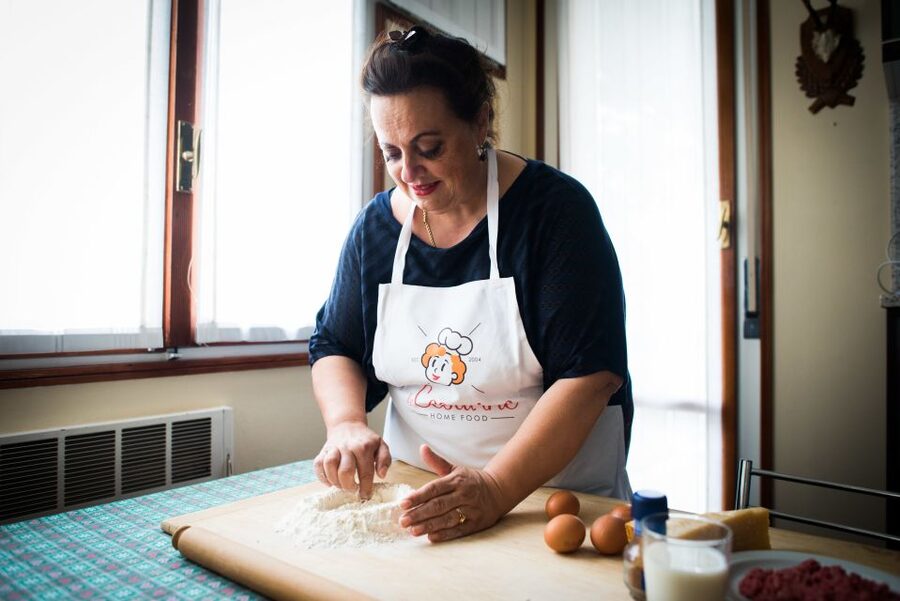
Bologna is famous for pasta, but the way you learn matters as much as what you learn. This class is designed like an actual home kitchen rhythm: you cook, you ask questions, and then you eat together. That changes the whole feel. Instead of trying to copy someone else’s pace, you get supported while you build your own dough skills.
You’ll also get something you can’t fake: context. The Cesarina teaches the “why” behind the pasta, not just the motions. In at least one class I saw described, the host even explained the origins behind the pasta dishes being made, so the meal connects to the region instead of staying stuck in the kitchen.
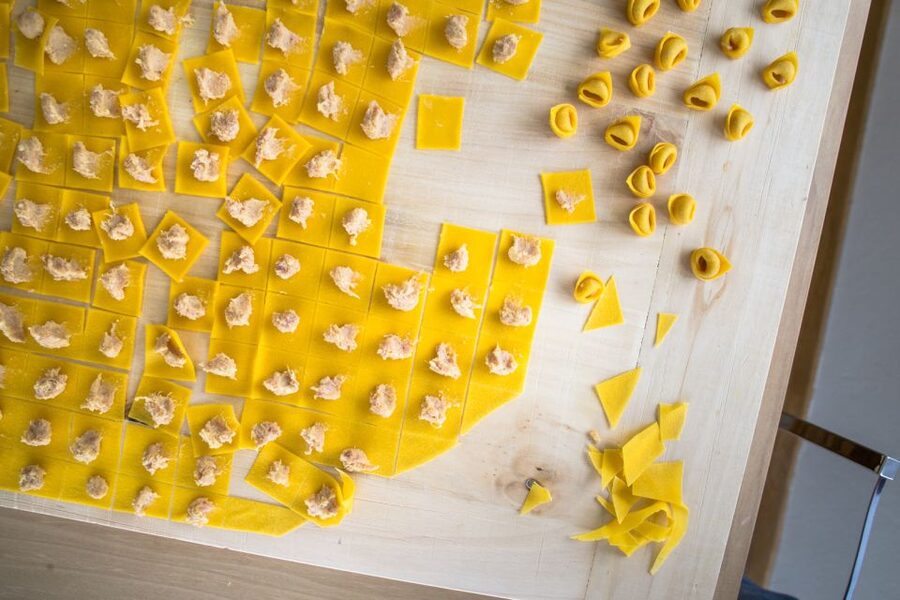
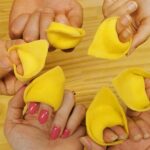
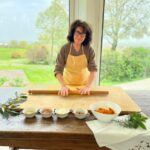
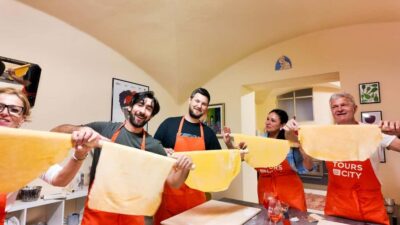
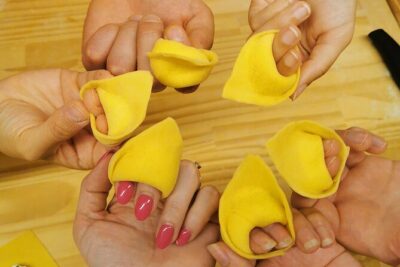
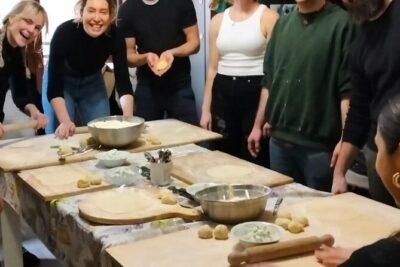
Back into the kitchen to roll tortellini and tagliatelle by hand.
Price and value: what $112.15 covers in the real world
At $112.15 per person for about 3 hours, it’s not the cheapest food activity in Bologna. But it’s built to include the pieces that usually cost extra elsewhere: instruction, ingredients, and a proper sit-down tasting.
Here’s what you’re actually paying for:
- A cooking class led by an Italian, English-speaking Cesarina
- Tasting of three local pasta dishes you make during the session
- Drinks including water, a selection of red and white local wines, and coffee
In practice, that means you’re not just “taking a class.” You’re paying for an experience that ends as a full meal, with wine and coffee included. If you enjoy food-focused travel and want skills you can repeat at home, this format is often better value than a short tasting or a restaurant meal where you never touch the process.
Also worth noting: the class usually starts around 10:00 AM or 5:00 PM and can be flexible if you contact the supplier in advance, which helps you fit it around sightseeing.
Finding the home: private address, real local setting
This experience takes place in a local family’s home. For privacy, you receive the full address after you book, and then the host contacts you with exact instructions. That’s normal for this style of tour, but it does mean you should double-check your email and messages the day of the class.
The payoff is the setting. Several hosts are described as extremely welcoming, and one class included a view overlooking Bologna from a balcony. Even if you don’t get the same view, the home setting tends to make the lesson warmer and less staged than anything in a central tour-operator building.
Tip for your schedule: don’t book this if you’re trying to cram every minute of the day. You want time to arrive calmly, meet your host, and get comfortable before you start rolling dough.
The 3-recipe cooking flow in a real Cesarina kitchen
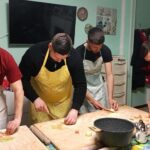
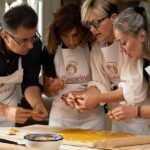
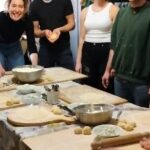
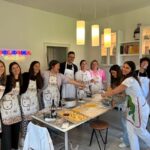
In a nutshell, you’ll learn three regional pasta recipes, cook them hands-on, and then eat them at the table. Each participant has a workstation with utensils and all ingredients, so you’re not waiting around while someone else measures and you just watch.
Here’s the typical progression you can expect from a class like this:
- You start with prep and key dough steps, where the Cesarina explains the tricks of the trade.
- You move through the steps for each of the three pasta recipes, with supervision and corrections as you go.
- You finish with the part that feels most Bologna: sitting down together to eat what you made.
Because it’s private, you can usually get your questions answered quickly—whether it’s dough texture, rolling thickness, shaping, or timing. One review described hands-on teaching with lots of supervision, which is exactly what you should look for in a pasta class. If you’ve ever tried making pasta at home, you’ll know that “a little too dry” or “rolled one notch too thick” can throw off the whole batch. This format is meant to prevent that.
What the Cesarina teaches (and why it matters)
A good pasta teacher isn’t just giving you steps. They’re teaching you habits. In this class, the Cesarina reveals the tricks behind the most famous pasta dishes from the region, then guides you as you put those lessons into action.
From the experience descriptions, the teaching style tends to include:
- Practical guidance you can see in real time at your workstation
- Patient corrections so you can fix issues while you still have time
- Explanations that connect each pasta dish to its regional background
This is also where languages matter. The instructor is Italian and English-speaking, which helps a lot if your Italian is basic or if you want to understand the “why,” not only the “what.”
And yes, personalities shine through. One host named Alessandra was described as extremely friendly, knowledgeable, and patient, and another class mentioned Alessandra playing an 80s playlist in the background. That kind of relaxed atmosphere makes it easier to focus on the cooking instead of feeling rushed.
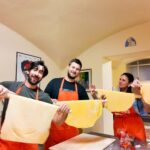
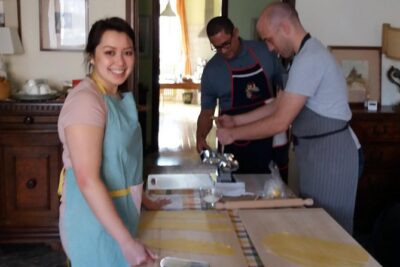
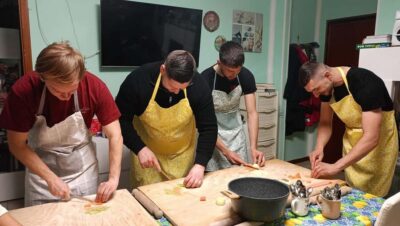
More hands-on afternoons in Emilia kitchens.
Tasting what you make: wine, table time, and coffee
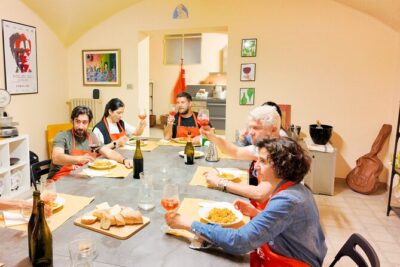
The best part of a pasta class is often the payoff. Here, you’ll taste everything you prepare around the table, accompanied by a selection of red and white local wines.
That combo—your food plus local wine—turns the lesson into a full meal. It also gives you a chance to taste and learn immediately. You can compare how your pasta turned out against what the Cesarina considers ideal, and ask what you might adjust next time.
Several hosts are described as going above and beyond with extra highlights. One review mentioned the host having the best Parmesan and Taralli the person had in their life, which tells you that this isn’t just a bare-bones tasting. Another described a class where the evening flew by because the host was entertaining. That’s a real indicator: when the host can keep the energy up while still teaching well, the three hours feel like they pass too fast.
The session includes coffee too, which is a nice finish in Italy and helps you stay comfortable if you have an evening plan afterward.
Dietary needs: how flexible is this class?
If you have dietary requirements, this is one of the key reasons to consider booking. The class can cater to all dietary requirements upon request, including vegetarian, vegan, and gluten-free.
Important practical point: request your needs in advance, not on the day of the class. You want the Cesarina to prepare an appropriate plan so you can still cook and taste during the lesson.
If you’re gluten-free, in particular, you’ll want to confirm what adaptations are possible since pasta is ingredient-dependent. The good news is that accommodations are explicitly offered upon request.
How to get the most out of your pasta-making class
You’ll have the tools and ingredients, but your attitude matters. If you want to leave with real skills (not just photos), use the class like a mini workshop.
Here are a few ways to make it click:
- Pay attention to dough texture and rest times, not just the recipe steps.
- Ask what changes when the dough is slightly too dry or too sticky.
- Take a moment to notice how the Cesarina shapes and handles the pasta during each stage.
- Plan to ask about what pairs best with the three dishes, since you’ll be tasting them right away.
Also, don’t try to treat this like a sprint. Pasta rewards patience. One host named Martina was described as teaching everything step by step and being a great host at her house, which is the ideal match if you’re a beginner and want calm guidance.
Who this Bologna pasta class is perfect for
This class is a great fit if you want:
- A food-focused experience that ends as a meal, not a sample
- A practical skill you can repeat at home, like making and shaping pasta dough
- A local-family atmosphere with a certified home cook (Cesarina)
It’s also ideal for couples and friends who like guided experiences but still want intimacy. Reviews point to a strong sense of personal attention—like Roberta being described as very well supervising and hosting guests around a big meal afterward.
If you’re traveling solo, it can also be a good choice because you get a private group format and direct instruction, instead of being lost in a big group class.
Quick logistics you should plan around
Most sessions run 3 hours, with common start times around 10:00 AM or 5:00 PM. Since the location is a private home and the full address comes after booking, aim to keep the start of the day or evening flexible.
If you’re booking for a specific time window while sightseeing, check the availability for your preferred start and be ready to adjust. Pasta takes time, and the class is built around cooking, tasting, and drinking together.
Should you book it?
If you want a Bologna experience that feels personal, tastes authentic, and teaches you something you can actually do again, I’d say yes. This is the kind of activity that turns your trip into a memory you can recreate later, because you’re not just eating pasta—you’re learning the process and then enjoying the results with wine and coffee.
Book it especially if:
- You like hands-on cooking and want more than a short tasting
- You’re open to a private home setting and easygoing meal pacing
- You want a local host experience with teaching in Italian and English
Skip it if you’re looking for a high-energy, streetside sightseeing tour, or if you dislike the idea of meeting at a private residence where the address is shared after booking.
If you’re food-curious and you like learning by doing, this Cesarina pasta-making class is one of the most “Italy in your hands” activities you can choose in Bologna.
More Bologna Workshops
More Bologna Pasta and Cooking Classes
More Tour Reviews in Bologna

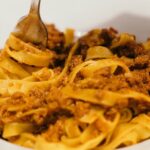
After something different? More ways to fill a day in Bologna and across Emilia-Romagna
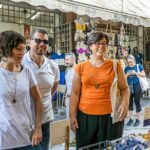
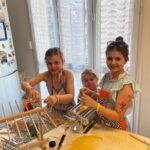




Bologna Pasta-Making & Cooking Classes, compared.
 ★ 5.0Bologna Local Pasta Cooking Class, Ragu, Spritz, Wine & GelatoFrom $59527 reviews
 ★ 5.0Pastamama, Home Cooking Classes at Grace’s HomeFrom $114521 reviews
 ★ 5.0Pasta and Tiramisu Small Group Cooking Class with WineFrom $71409 reviews
 ★ 4.9Pasta Tagliatelle Ragu Cooking Class with SpritzFrom $79407 reviews
 ★ 5.0Bologna on the plate, Cooking Class with AlessiaFrom $89260 reviews
 ★ 4.7Pasta Tagliatelle al Ragu Cooking Class with WineFrom $70225 reviews
 ★ 5.0Cesarine: Small group Pasta and Tiramisu class in BolognaFrom $163172 reviews
 ★ 4.5Authentic Bologna Home Cooking Class: Tagliatelle & TortelliniFrom $78136 reviews
Browse the lists this tour appears in