
Reviewed · BOLOGNA PASTA-MAKING & COOKING CLASSES
Bologna: Pasta & Tiramisu Cooking Class at a Local’s Home
Fresh pasta at home beats a cookbook class.
In Bologna, you’ll learn how to make sfoglia by hand and build two pasta dishes from scratch in a local home setting, with an Italian aperitivo kicking things off. The whole experience is run through Cesarine, a long-running network that puts you at a real kitchen table instead of a demo stage.
I especially like that you’re not stuck with one “famous plate.” You’ll roll fresh pasta dough and learn two iconic pasta types, then taste what you make. Second, you’ll finish with tiramisu that’s hands-on, not a just-watch moment, and you’ll eat together with prosecco, nibbles, wine, and coffee. One consideration: for privacy, you only get the full address after you book, so you’ll want to plan your arrival time carefully.
In This Review
- Key Reasons This Bologna Class Is Worth Your Time
- What You’re Actually Doing in This Bologna Pasta and Tiramisu Class
- The Aperitivo Warm-Up: Prosecco, Nibbles, and Local Conversation
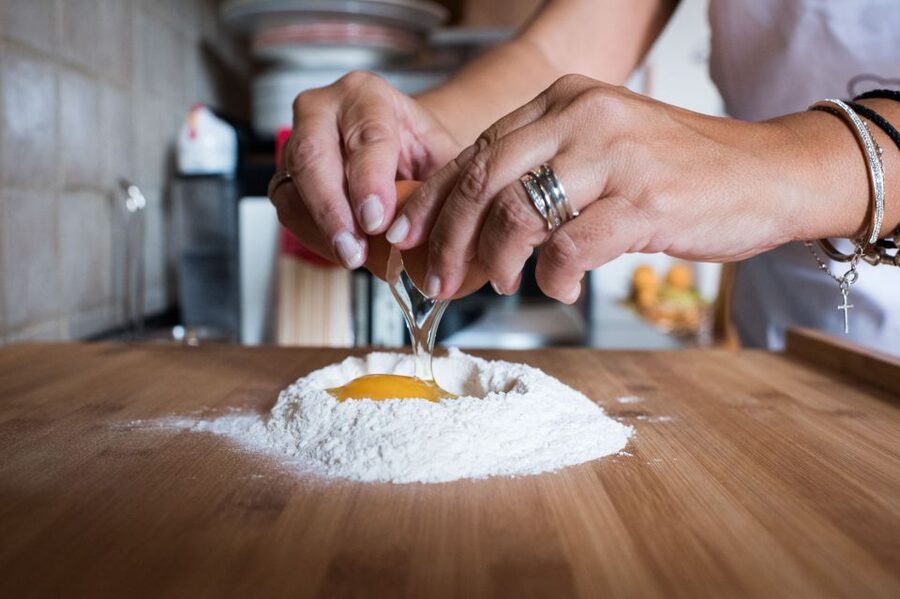
- Rolling Sfoglia by Hand: The Skill That Changes Everything
- Two Pasta Types From Scratch: More Learning Per Hour
- Tiramisu Lesson: Turning a Favorite Into a Repeatable Recipe
- Where It Happens: Inside a Real Local Home in Bologna
- Cesarine: Why the Home-Cook Network Changes the Experience
- Price and Value: Is $112.15 Fair for Three Hours?
- How the Lesson Flows: Timing You Can Actually Plan Around
- Best Fit: Who Should Book This Class
- A Few Things to Watch Before You Go
- Should You Book This Bologna Pasta and Tiramisu at a Local Home?
- FAQ
- What’s the duration of the Bologna pasta and tiramisu cooking class?
- How much does it cost per person?
- Where does the class take place?
- Will I know the full address before booking?
- What dishes will I learn to make?
- What’s included with the class?
- What languages are used during the class?
- Is it suitable for wheelchair users?
- What should I provide when booking?
- What’s the cancellation policy?
Key Reasons This Bologna Class Is Worth Your Time
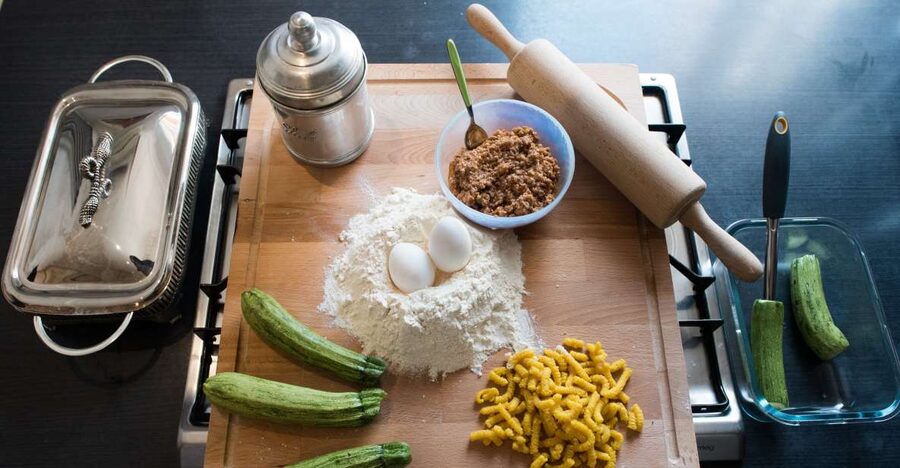
- Hand-rolled pasta dough (sfoglia) taught in a real kitchen setup
- Two pasta recipes from scratch, plus tasting of what you cook
- Tiramisu-making as a full lesson, not a side dessert
- Aperitivo first: prosecco and nibbles to get you in the Italian rhythm
- Home-cook teaching style through Cesarine, often in small groups
- Local flavors with context, drawn from family cookbooks and regional food culture
What You’re Actually Doing in This Bologna Pasta and Tiramisu Class
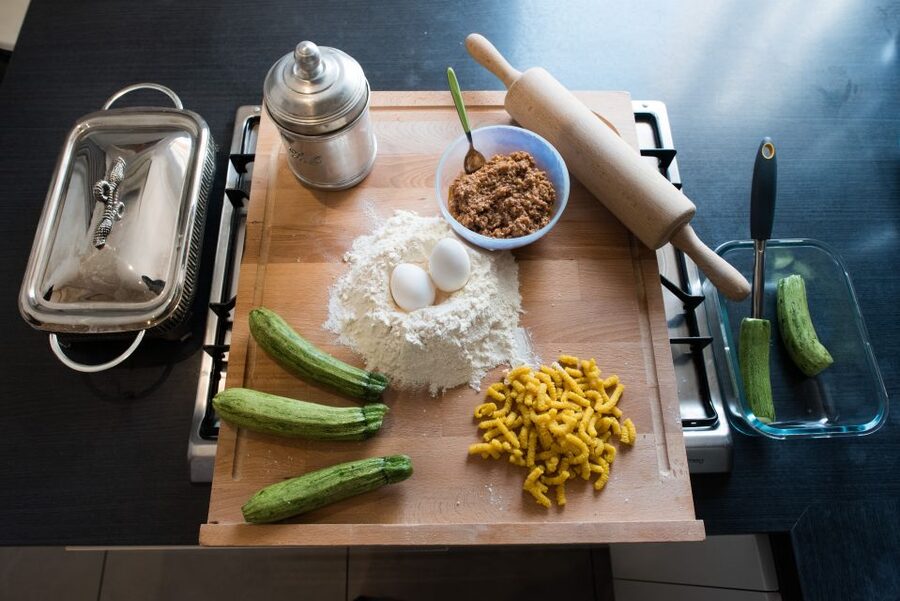
This is the kind of cooking experience where your hands do the work. You’ll start by learning how to roll fresh pasta dough—sfoglia—by hand, which is where a lot of pasta magic happens. Then you’ll make two different pasta types from scratch, using the dough you just learned to work with.
After that, the class moves to tiramisu, the dessert people think they already know. Fresh tiramisu is not just a sweet finish. It’s a lesson in timing, texture, and getting the balance right between creamy and structured. And at the end, you’ll taste the pasta dishes you made plus the tiramisu as part of the meal.
If you care about authentic Italian cooking, this format is a strong fit. You’ll also spend time chatting with the host, learning how they see food in daily life. Some hosts are couples, and in past classes you may encounter names like Marco and Silvia, or Roberta, or Oriana, or Maurizio—each with their own teaching rhythm and home setup.
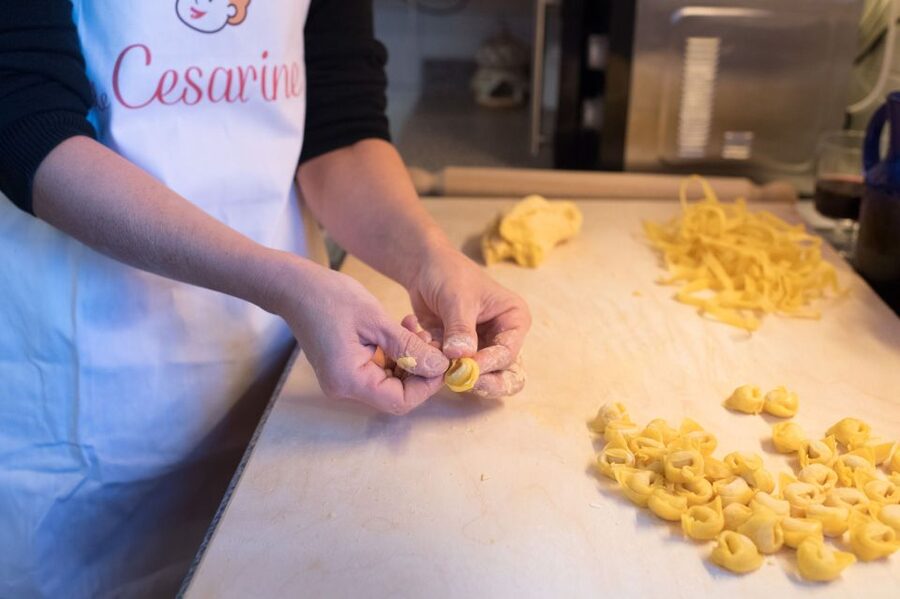
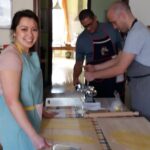
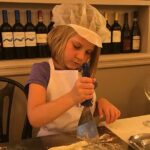
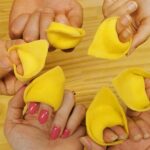
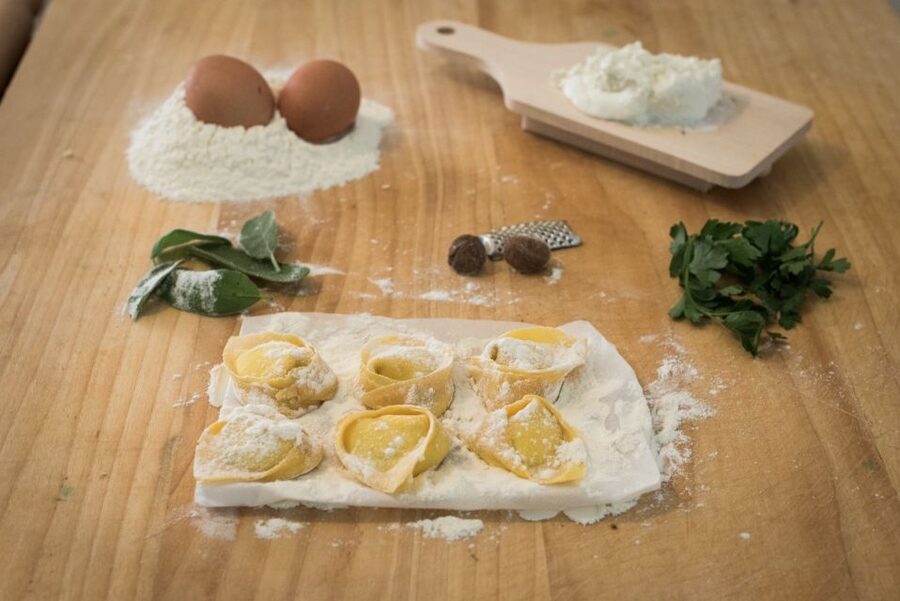
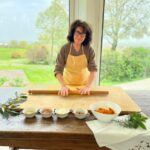
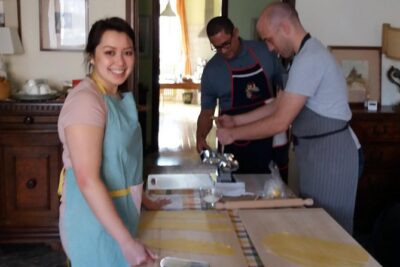
Back into the kitchen to roll tortellini and tagliatelle by hand.
The Aperitivo Warm-Up: Prosecco, Nibbles, and Local Conversation
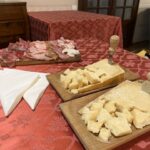
Before the flour flies, you’ll settle in with an Italian aperitivo. Expect prosecco and nibbles, plus beverages during the class like water, wine, and coffee. It’s not just a party trick. That early drink and snack period gives you the chance to get oriented—how your host likes to explain, how the kitchen is set up, and how the lesson will flow.
In many Bologna homes, that aperitivo moment also turns into the social part you don’t get in a standard cooking studio. If your host shares quick Bologna or Emilia-Romagna food tips—like how they think about fresh pasta vs. dried—you’ll pick up context that makes the recipes easier to repeat later.
Rolling Sfoglia by Hand: The Skill That Changes Everything
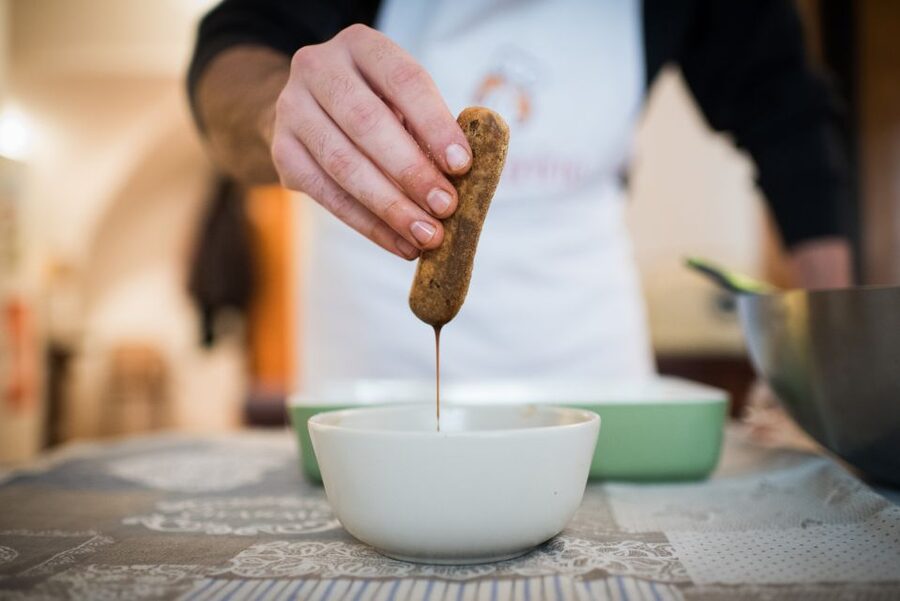
Fresh pasta can feel intimidating until someone shows you the real mechanics. In this class, you’ll learn to roll sfoglia by hand. That means understanding how to handle the dough so it stays elastic, workable, and not overly sticky or dry.
Here’s what you’ll likely notice as you go:
- The dough behaves differently from meal to meal, based on humidity and flour type.
- Rolling is a feel-based skill. Your fingertips guide you more than any timer.
- Thin doesn’t mean fragile—if you get the technique right, it cooks evenly.
Even if you’ve made pasta before, hands-on sfoglia instruction is valuable. It helps you troubleshoot at home without guessing. And if this is your first attempt, you’ll leave with a repeatable process, not just a plated outcome.
Two Pasta Types From Scratch: More Learning Per Hour
The class doesn’t stop at one “signature” dish. You’ll learn two iconic pasta types from scratch. The exact pasta pair can vary by host, but across past experiences you’ll commonly see classics like tagliatelle, ravioli, tortelloni, or tortellini show up in the menu of skills. Your host will guide you step-by-step through how to form the shapes and cook them.
Why this matters: learning two pasta types teaches you two different kinds of pasta thinking. One may rely more on rolling and cutting, while another may lean more on filling and shaping. Either way, you’ll understand what makes each style work.
You’ll also do the tasting as part of the experience, so you’re not just “cooking blindly.” You get feedback from what’s on the plate—texture, thickness, and flavor—right when it counts.
Tiramisu Lesson: Turning a Favorite Into a Repeatable Recipe
Tiramisu is one of those Italian desserts that seems simple until you make it. In this class, you’ll learn to make the iconic tiramisu with your host. That hands-on portion is the payoff for anyone who’s tired of desserts that turn out watery, too firm, or oddly flat.
In practical terms, a good tiramisu lesson usually teaches you:
- How to build the layers so they hold structure
- How to get the right balance of creaminess
- How not to overdo soaking, so it stays silky rather than soggy
The best part is that tiramisu is forgiving in the sense that it’s built around common ingredients and clear steps. With a home-cook guide, you’ll likely leave feeling confident enough to try again when you’re back in your own kitchen.
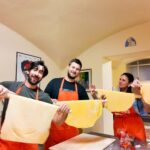
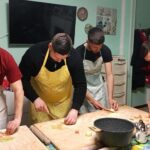
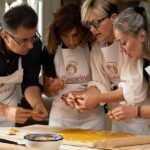
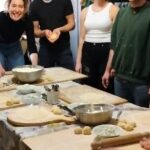
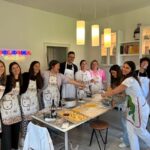
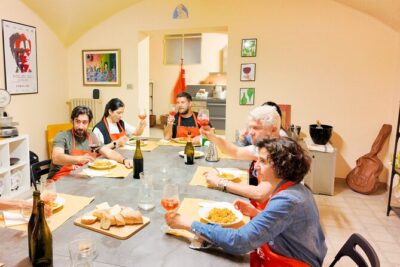
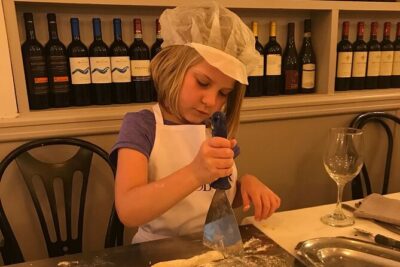
More hands-on afternoons in Emilia kitchens.
Where It Happens: Inside a Real Local Home in Bologna
This class takes place in a local home. For privacy, you don’t get the full address until after booking. You’ll start and end back at the meeting point.
For most people, that setup is exactly why the experience works. You’re in someone’s everyday space, not a staged room. You’ll likely notice details like the way the kitchen is organized, what tools are used (and what’s skipped), and how the host makes room for you without turning the home into a classroom.
In some cases, hosts may meet you at a rendezvous and drive you to their home outside the city. If that’s the case for your date, it’s a nice way to see a calmer Bologna edge rather than staying fully in the center.
One more small note: it’s not listed as wheelchair-friendly. If mobility is an issue, double-check the home setup with the provider before you book.
Cesarine: Why the Home-Cook Network Changes the Experience
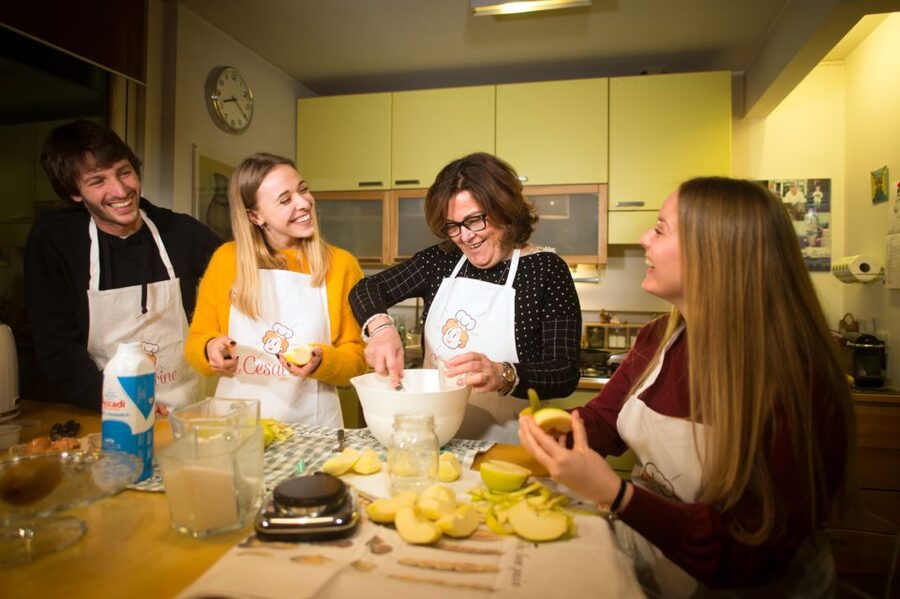
This is run by Cesarine, described as Italy’s oldest network of home cooks, available in more than 500 cities. The big value here is that you’re dealing with a host who cooks local specialties from family cookbooks, not someone performing a generic “Italian night.”
What that means for you: you’ll get food that’s tied to place—Emilia-Romagna flavors, local methods, and food culture presented in a personal way. Some hosts come across as warm conversational guides, like Marco and Silvia, or Roberta, or others named in past experiences. Others focus more on technique and pacing. Either way, the home-cook angle tends to make the lesson feel less like a transaction and more like a shared evening.
Price and Value: Is $112.15 Fair for Three Hours?
At about $112.15 per person for 3 hours, the cost sits in the midrange for hands-on private-style cooking in Europe. The value comes from what’s included and how much active learning you get.
You’re paying for:
- A real class with instruction (Italian and English)
- Hands-on cooking: sfoglia, two pasta recipes, and tiramisu
- Tastings of the food you make
- Drinks throughout: water, wines, coffee
- An aperitivo at the start: prosecco and nibbles
- Local taxes
In other words, you’re not just buying an “activity.” You’re buying ingredients, coaching, a full meal, and the social part that turns pasta-making into something you remember.
If you love food and you want to bring a practical skill home (rolling, shaping, timing), it feels like a solid use of money. If you mainly want a quick snack experience, you might decide this is more labor than you want.
How the Lesson Flows: Timing You Can Actually Plan Around
The total duration is 3 hours. That’s a sweet spot. Long enough to learn technique and make something you can eat, not so long that you feel trapped in the kitchen.
A typical flow looks like:
1) Aperitivo with prosecco and nibbles, plus introductions
2) Pasta dough lesson: learning to roll sfoglia by hand
3) Working through two pasta recipes, step-by-step
4) Cooking and tasting the pasta dishes
5) Tiramisu-making and enjoying dessert
In past experiences, the conversation often continues while you work. People have described hosts who teach cooking techniques while also sharing fun Bologna ideas and practical food spots to try. That’s a bonus, but the core is still the cooking.
Best Fit: Who Should Book This Class
I’d put this in the “do it if you love hands-on food” category. It’s ideal if you:
- Want a deeper Bologna food experience than eating your way through markets alone
- Like cooking classes where you make actual dishes and eat them
- Want to learn fresh pasta fundamentals you can repeat
- Are comfortable in a home setting with other participants
It’s also a good pick for couples and friends because the meal part is built in. If you’re traveling with kids, some hosts have handled families well in past classes, with kids enjoying the hands-on nature. Still, if you’re bringing children, consider asking whether your host’s kitchen setup works smoothly for your group.
A Few Things to Watch Before You Go
Because this is at a home, a couple practical realities matter.
First: address timing. You only receive the full address after booking. That’s normal for privacy, but it means you should plan ahead and arrive on time with good buffer. Second: dietary needs. The provider asks you to share food intolerance and allergies as well as your neighborhood and how you plan to travel.
Third: recipes afterward. Some participants have said recipes were shared after class (for example, by email), but one person noted they were still waiting. To avoid surprises, ask your host or the provider what the plan is for sharing recipes.
Should You Book This Bologna Pasta and Tiramisu at a Local Home?
Book it if you want more than a meal. You’re learning a skill—rolling sfoglia—and you’re making two pastas plus tiramisu in a home kitchen. The included prosecco aperitivo and drinks throughout make it feel like a proper evening, not a rushed workshop.
Skip it only if you prefer a public, teacher-led studio with lots of seating space and no home logistics. Also skip if you have accessibility needs, since it’s not suitable for wheelchair users.
If you’re on the fence, I’d decide based on one question: Do you want to leave Bologna with recipes you can actually cook again? If the answer is yes, this class is a strong pick.
FAQ
What’s the duration of the Bologna pasta and tiramisu cooking class?
The class lasts 3 hours.
How much does it cost per person?
The price is $112.15 per person.
Where does the class take place?
It’s held in a local home in Bologna.
Will I know the full address before booking?
No. For privacy reasons, you only receive the full address after you book.
What dishes will I learn to make?
You’ll learn to roll sfoglia (fresh pasta) by hand, prepare two pasta recipes from scratch, and make tiramisu.
What’s included with the class?
Included items are beverages (water, wines and coffee), an Italian aperitivo (prosecco and nibbles), local taxes, the pasta and tiramisu-making class, and tastings of the two pasta recipes and tiramisu.
What languages are used during the class?
The instructor teaches in Italian and English.
Is it suitable for wheelchair users?
No, it’s not suitable for wheelchair users.
What should I provide when booking?
You’ll be asked for details such as food intolerance and allergy, your neighborhood in Bologna, and how you plan to travel to the host home, so they can match you appropriately.
What’s the cancellation policy?
You can cancel up to 24 hours in advance for a full refund.
More Bologna Workshops
More Bologna Pasta and Cooking Classes
More Tour Reviews in Bologna




After something different? More ways to fill a day in Bologna and across Emilia-Romagna







Bologna Pasta-Making & Cooking Classes, compared.
 ★ 5.0Bologna Local Pasta Cooking Class, Ragu, Spritz, Wine & GelatoFrom $59527 reviews
 ★ 5.0Pastamama, Home Cooking Classes at Grace’s HomeFrom $114521 reviews
 ★ 5.0Pasta and Tiramisu Small Group Cooking Class with WineFrom $71409 reviews
 ★ 4.9Pasta Tagliatelle Ragu Cooking Class with SpritzFrom $79407 reviews
 ★ 5.0Bologna on the plate, Cooking Class with AlessiaFrom $89260 reviews
 ★ 4.7Pasta Tagliatelle al Ragu Cooking Class with WineFrom $70225 reviews
 ★ 5.0Cesarine: Small group Pasta and Tiramisu class in BolognaFrom $163172 reviews
 ★ 4.5Authentic Bologna Home Cooking Class: Tagliatelle & TortelliniFrom $78136 reviews
Browse the lists this tour appears in