
Reviewed · BOLOGNA PASTA-MAKING & COOKING CLASSES
Bolognese Pasta Class in Bologna with a Local Expert, Giovanna C
A real home kitchen beats any cooking studio. This is a private Bolognese pasta lesson with local host Giovanna C, where you make a seasonal meal, then sit down together to eat it with wine. You get hands-on teaching, not a demo.
What I like most is the one-to-one feel of the class in a lived-in space, plus the way the menu is built around classic Bologna comfort food. One watch-out: this is in an Italian home, and you should plan for no air conditioning, so warm weather days may feel warm.
If you want pasta technique plus real local hospitality, this is a strong pick. If you need lots of English-free explanations, or you expect a hotel-style setup, you may feel less at home here.
In This Review
- Key things that make this class worth your time
- Where the class really happens: Via San Mamolo, then into Giovanna’s kitchen
- A note on comfort: no air conditioning
- The Bologna menu: snacks first, then pasta with ragù (or close cousins)
- Why the snack part is more than filler
- Hands-on cooking time: 2–3 family recipes, taught in plain steps
- Pasta technique you’re likely to practice
- The sauce and ragù focus: pork depth and timing
- Tagliatelle vs lasagne vs Gramigna
- The side dish or dessert: finishing what you started
- Why the dessert matters for learning
- Drinks and dining: wine with the food you made
- Price and value: what $98 actually buys you in Bologna
- The booking demand hint
- Practical tips for a smoother class day
- Who should book this Bologna pasta class
- Should you book? My quick decision guide
- FAQ
- How long is the Bolognese pasta class?
- What’s included in the price?
- What food will I learn to make?
- Do I need to bring anything, like ingredients or tools?
- Is this a group class with other people?
- Where does it start and end?
- Is there air conditioning in the home?
Key things that make this class worth your time
- A private, home-kitchen setting with Giovanna C and her family, not a commercial classroom
- Personal instruction while you learn 2–3 Bolognese family recipes
- Wine included (usually 1–2 glasses) as you enjoy what you cooked
- A meal structure with snacks, pasta, and dessert, so you are not just tasting
- Bologna-focused pasta choices like tagliatelle al ragù, lasagne, and Gramigna with salsiccia
Where the class really happens: Via San Mamolo, then into Giovanna’s kitchen
The experience starts at Via San Mamolo, 40136 Bologna—so you’ll want to plan an easy walk or a short ride by public transportation to get there. There’s no hotel pick-up, and that’s normal for this kind of local-home booking. The good news: once you’re there, you’re not waiting around in a lobby.
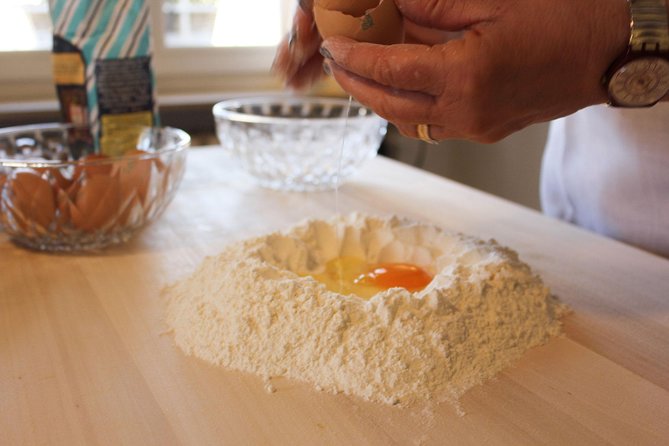
The biggest difference is the location. You’re not cooking in a branded event space. You’re in Giovanna’s home, with the energy of a real family kitchen. That matters because the teaching tends to be more practical: how to handle egg pasta, how to judge sauce consistency, and how to time things so everything lands on the table together.
Also, this is a private activity. Only your group participates, so you’re not competing for counter space or talking over everyone in the room. It’s one of those small details that makes the whole experience feel calmer and more personal.
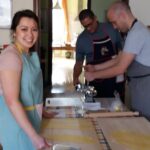
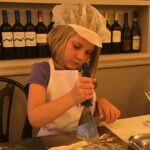
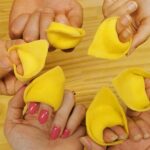
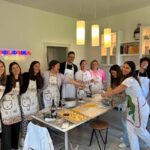
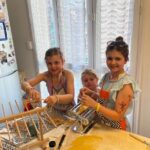
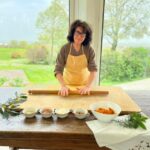
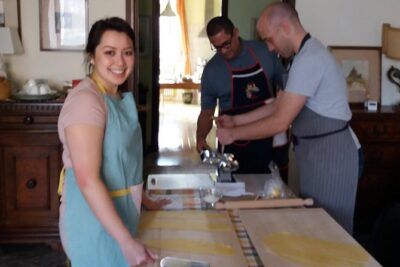
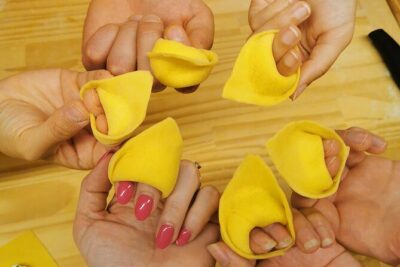
Back into the kitchen to roll tortellini and tagliatelle by hand.
A note on comfort: no air conditioning
As is common in Italian homes, the residence does not have air conditioning. If you’re visiting during warm months, dress accordingly. Light layers and a comfortable top that won’t restrict your arms help a lot. You’ll be standing, rolling pasta, and cooking—so being sweaty is part of the deal, but it shouldn’t ruin your day if you come prepared.
The Bologna menu: snacks first, then pasta with ragù (or close cousins)
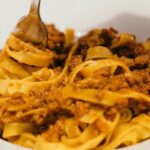
This class is built around the heart of Bologna cuisine: pork-based meat sauces and egg pasta. You’ll learn to make a pasta dish such as tagliatelle al ragù or lasagne. If you’re lucky with the seasonal choice, you may also make Gramigna—Bolognese pasta served with salsiccia, with the sausage coming from the countryside around the region.
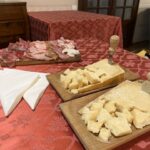
You don’t just learn the pasta and send people off. The lesson is designed as a full meal with a beginning and an end. Before the main event, you start with a typical Bolognese snack such as crescentine or tigelle. These are served with salumi, cheese, or sometimes oven-roasted pomodori (Italian tomatoes when in season). In other words: you’re not arriving and rushing straight into dough work without fuel.
Why the snack part is more than filler
That first course snack does two useful things. First, it gets you into the local rhythm of eating: Bologna-style meals are not rushed. Second, it gives you a sense of what you’re aiming for. You’ll understand the flavors you’re building toward before you touch pasta dough.
Hands-on cooking time: 2–3 family recipes, taught in plain steps
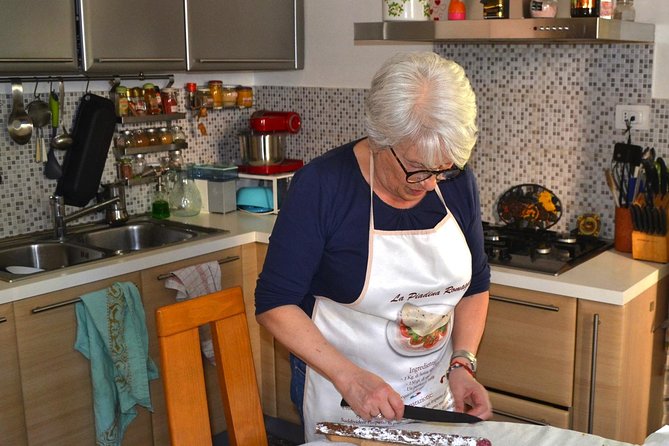
The structure is simple and practical: you’ll learn to make 2–3 traditional Italian family recipes during the class. That usually includes pasta plus a sauce, and then a side dish or dessert. What recipe you make can vary with season, but the focus stays squarely on classic Bolognese staples.
Giovanna C teaches with context, not just instructions. Based on what I’ve heard from similar experiences with her (including family members teaching alongside her), she connects recipes to stories—history of the dish, Bologna food culture, and how the choices make sense in everyday life. In particular, her daughters often join the process. Names that come up include Lara and Francesca, and their involvement helps explain techniques clearly, especially when you’re repeating the same movement and want quick feedback.
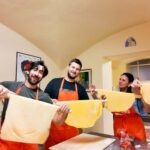
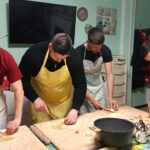
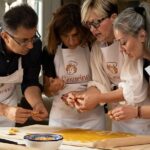
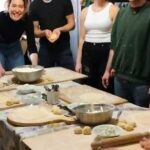
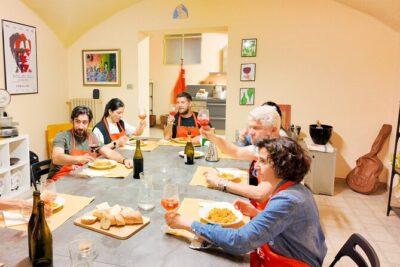
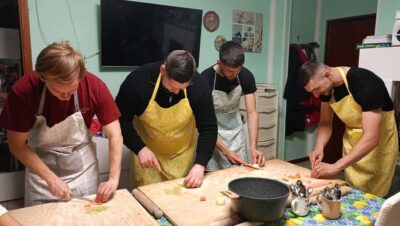
More hands-on afternoons in Emilia kitchens.
Pasta technique you’re likely to practice
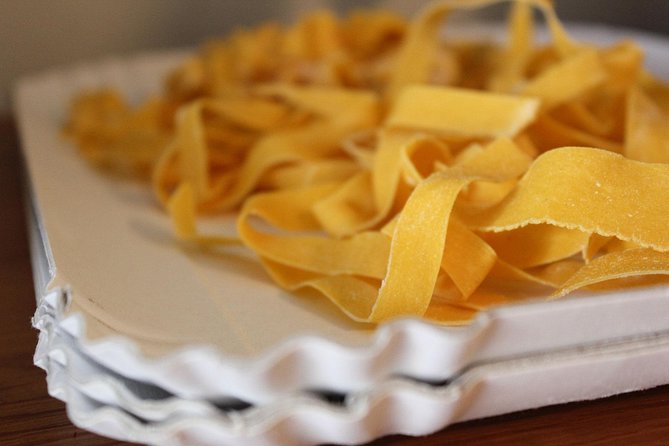
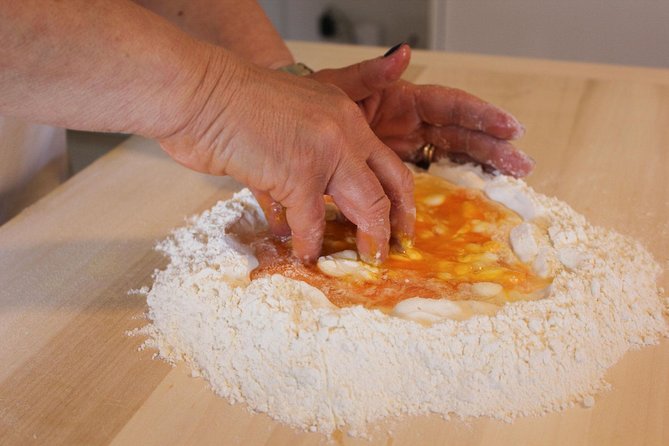
You’ll work with egg pasta, which is different from dried pasta you buy in a shop. Expect to roll, shape, and cook fresh pasta. For the sauce, you’ll focus on the meat-and-sauce method that gives Bolognese ragù its signature body. The goal isn’t just to make something edible—it’s to learn what to look for while it cooks.
Even if you already cook at home, the value here is in the “how it should feel and look” part. Fresh pasta can go from perfect to overcooked fast, and ragù thickens in stages. Having a local teacher in your corner makes that learning much easier.
The sauce and ragù focus: pork depth and timing
Bolognese cooking isn’t about one secret ingredient. It’s about the combination of pork meat and the long, steady logic of how the sauce develops. In class, you’ll see how the sauce fits with the pasta schedule so you don’t end up with one element ready and the other behind.
This is one of those experiences where timing is half the skill. If you’re used to home cooking where you can pause and multitask endlessly, you’ll still need rhythm here. You’ll get a better feel for when to keep cooking, when to adjust texture, and how to match sauce density to the type of pasta you made.
Tagliatelle vs lasagne vs Gramigna
Your class menu can lean toward the dish with the best fit for the meal plan and season:
- Tagliatelle al ragù: a classic pairing where sauce clings to egg ribbons.
- Lasagne: more layered work and assembly thinking.
- Gramigna with salsiccia: less common outside the region, with sausage bringing a different kind of richness.
Any of these choices keep you squarely inside Bologna’s identity. The lesson is still Bolognese at the core.
The side dish or dessert: finishing what you started
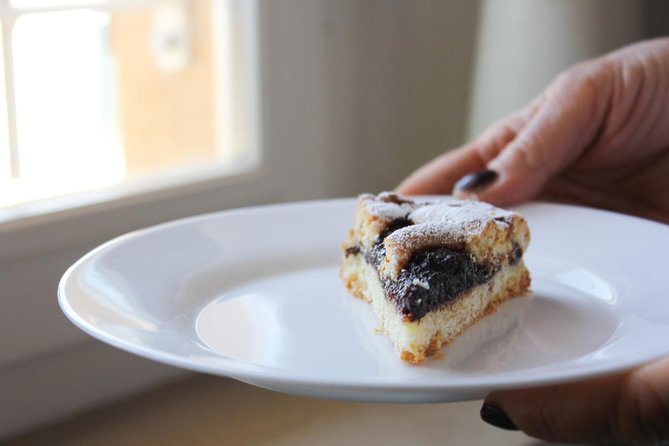
A good cooking class doesn’t stop at the main plate. This one builds toward an ending. After pasta and sauce, you’ll learn a seasonal side dish or a dessert. That means you get a stronger sense of how a typical meal in this region moves from starter to main to sweet.
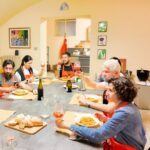
You’ll also have a proper sit-down meal at Giovanna’s dining table. Alcoholic drinks are included with the meal—local wine such as Pignoletto dei colli bolognesi or Lambrusco—typically 1–2 glasses. This is a key “value lever” for the price, because you’re not just paying for cooking instruction; you’re paying for a full hosted meal with drink.
Why the dessert matters for learning
Dessert teaches a different skill: pacing and flavor matching. You’ll see how Italians often think of dessert as part of the day’s rhythm, not an afterthought. Even if dessert isn’t your focus at home, it helps you understand the wider meal style.
Drinks and dining: wine with the food you made
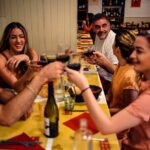
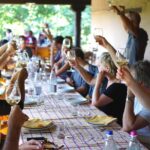
You’ll eat the dishes you create, and wine comes with that meal. For practical planning, it helps to know this is not a “taste and run” situation. You’ll spend time after cooking enjoying the food at the table, so you can treat the class as a meal experience first, cooking experience second—though you do plenty of cooking.
If you want to learn while you drink a little, this is exactly that sweet spot. If you’re not drinking, you should still plan on the course structure—snack, pasta, side or dessert—but you may want to communicate your preferences in advance.
Price and value: what $98 actually buys you in Bologna
At $98 per person for about 3 hours, the price can look like a lot at first glance—especially if you’re comparing it to cooking demos or semi-guided group classes. Here’s why it can be good value.
You’re getting:
- a private cooking lesson (only your group)
- teaching that covers pasta plus sauce and another recipe
- a structured meal that includes snacks, the pasta meal, and dessert
- wine included (typically 1–2 glasses)
- all fees and taxes covered in the price
So you’re paying for instruction, food, and hosting. If you were to eat a similar menu in a restaurant plus add a private guide-style lesson, the total usually climbs quickly. This experience also saves you time: instead of planning ingredients and learning techniques on your own, you learn in one concentrated session.
The booking demand hint
It’s commonly booked around 58 days in advance, which suggests this is popular and not just a slow-season activity. If Bologna is part of your fixed itinerary, it’s smart to book early enough to get your preferred date.
Practical tips for a smoother class day
A few things will make your experience easier from the moment you arrive.
Wear comfortable clothes you can move in. You’ll likely be working at a kitchen counter and handling dough. A shirt you can roll your sleeves on helps.
Arrive with a normal appetite. The format includes snacks and a full meal, but you don’t want to show up stuffed from a big lunch. You’ll be happier when you can taste and then eat what you made.
Be ready for a home setting. This is a residence, so it won’t feel like a hotel kitchen. That’s part of the charm, but it also means you should expect basic home comfort.
Plan for the Italian climate inside the home. No air conditioning can matter. If you’re sensitive to heat, consider going earlier in the day when possible.
Bring curiosity about food stories. Giovanna’s teaching style includes anecdotes and food-history context. If you ask questions, you’ll likely get even more out of the time.
Who should book this Bologna pasta class
This class is a great fit if you want:
- hands-on cooking with personal attention
- a Bologna-centered menu focused on egg pasta and pork ragù flavors
- an authentic meal experience in a local home
- wine included with the food you cook
It may be less ideal if you want a highly structured “restaurant-like” environment, or if you have a strong preference for air-conditioned spaces.
If you’re traveling as a couple, you’ll probably enjoy the intimate pace. Families can also find it engaging, especially with instruction from Giovanna and her daughters, since it tends to feel like a group working together rather than a lecture.
Should you book? My quick decision guide
Book it if you’re the kind of person who wants a story with your food and technique you can repeat at home. The private setup, the pasta and sauce focus, and the hosted meal with local wine make it more than a cooking demo.
Consider skipping it if heat inside a home would be a deal-breaker for you, or if you want a class that feels like a commercial cooking studio. Otherwise, this is one of those Bologna experiences that actually teaches you how the food works, not just how it looks on a plate.
FAQ
How long is the Bolognese pasta class?
It runs for about 3 hours.
What’s included in the price?
You get the private cooking class and meal with your host Giovanna C, local wine (about 1–2 glasses), and all fees and taxes.
What food will I learn to make?
You’ll learn to make 2–3 traditional Italian family recipes. This typically includes Bolognese egg pasta (such as tagliatelle al ragù, lasagne, or Gramigna with salsiccia) plus a sauce, and then a side dish or dessert.
Do I need to bring anything, like ingredients or tools?
The experience provides the class and meal. The details on bringing tools or ingredients aren’t listed, so you’ll likely only need to show up ready to cook.
Is this a group class with other people?
No. It’s a private tour/activity, so only your group participates.
Where does it start and end?
It starts at Via San Mamolo, 40136 Bologna BO, Italy and ends back at the meeting point. There’s no hotel pick-up or drop-off.
Is there air conditioning in the home?
No air conditioning is available, since this is a typical Italian home setup.
More Bologna Workshops
More Bologna Pasta and Cooking Classes
More Tour Reviews in Bologna

After something different? More ways to fill a day in Bologna and across Emilia-Romagna




Bologna Pasta-Making & Cooking Classes, compared.
 ★ 5.0Bologna Local Pasta Cooking Class, Ragu, Spritz, Wine & GelatoFrom $59527 reviews
 ★ 5.0Pastamama, Home Cooking Classes at Grace’s HomeFrom $114521 reviews
 ★ 5.0Pasta and Tiramisu Small Group Cooking Class with WineFrom $71409 reviews
 ★ 4.9Pasta Tagliatelle Ragu Cooking Class with SpritzFrom $79407 reviews
 ★ 5.0Bologna on the plate, Cooking Class with AlessiaFrom $89260 reviews
 ★ 4.7Pasta Tagliatelle al Ragu Cooking Class with WineFrom $70225 reviews
 ★ 5.0Cesarine: Small group Pasta and Tiramisu class in BolognaFrom $163172 reviews
 ★ 4.5Authentic Bologna Home Cooking Class: Tagliatelle & TortelliniFrom $78136 reviews
Browse the lists this tour appears in