
Reviewed · BOLOGNA PASTA-MAKING & COOKING CLASSES
Cooking Workshop dedicated to preparation of pasta and ragu’
Fresh pasta beats any takeout lesson. In this Emilia-Romagna class, I love the warm nonna-style welcome and the fact that you’ll make handmade pasta plus a classic Bolognese ragu, led by hosts Irana and Marco. You’re not just watching, you’re working the dough, learning the shape, and picking up the little habits that make Italian comfort food taste like Italy.
I also like the setting: it feels like a real family home, with plenty of room to move around while you cook. One consideration: it is not suitable for vegans, so if your diet is plant-based, you’ll need to plan something else.
In This Review
- Key highlights to know before you go
- A real family-home cooking class in Emilia-Romagna
- What you’ll cook: tortelloni, farfalle, tagliatelle, and bolognese ragu
- How the workshop usually runs hour by hour
- The pasta part: learning dough feel and shaping the classics
- The ragu part: how to think like a Bologna cook
- The meal at the end: wine, coffee, and that sweet surprise
- Price and value: what $96.29 buys you
- Who this workshop is best for (and who should skip)
- Practical tips: what to wear and how to arrive smoothly
- Should you book this Bologna-style pasta workshop?
- FAQ
- How long is the cooking workshop?
- What dishes do you make during the class?
- Is lunch or dinner included?
- What languages are the instructors?
- Is this workshop suitable for vegans?
- What should I wear or bring?
- What isn’t allowed during the experience?
- Is the workshop wheelchair accessible?
- Where do I meet the group?
- What is the cancellation policy?
Key highlights to know before you go
- A family-home kitchen vibe: wide space, homey atmosphere, and host stories that make the food stick.
- Handmade pasta practice: you shape classic types like tortelloni, farfalle, and tagliatelle.
- Real Bolognese ragu at the center: you learn it the traditional way, not a shortcut sauce.
- Ingredients may adjust to your requests: tell them what you want, and they’ll try to accommodate where possible.
- Lunch or dinner with the group: wine, water, coffee, plus a sweet surprise at the end.
A real family-home cooking class in Emilia-Romagna
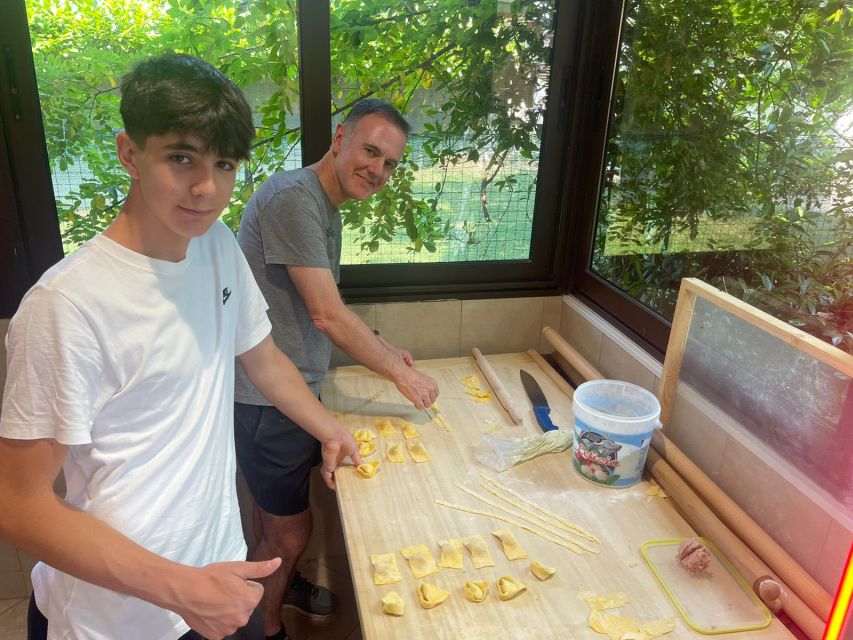
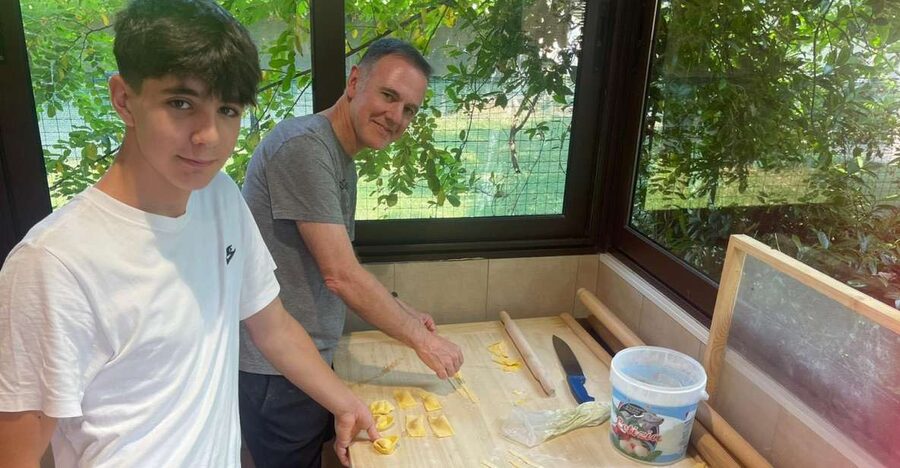
This is the kind of cooking workshop that feels less like a ticketed show and more like getting invited into a real kitchen rhythm. You start with guidance, then you take over the work: rolling, shaping, and cooking your way into a proper Italian meal. The hosts, including Irana and Marco, set the tone with stories and practical instruction, which matters because pasta and ragu both depend on technique, not just ingredients.
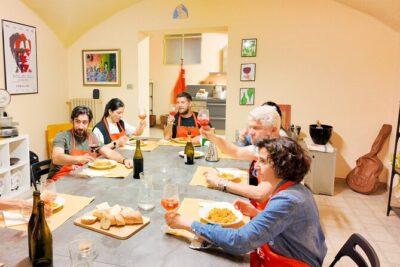
The location leans into a “nonna’s house” mood. The space is described as roomy, so you’re not elbow-to-elbow in a cramped studio. That’s a big deal when dough is involved. You need room to knead, rest, and shape without feeling rushed.
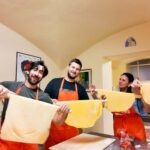
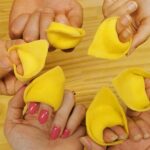
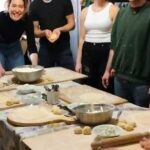
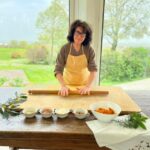
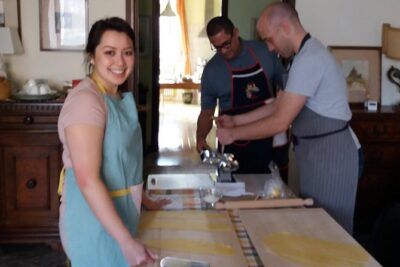
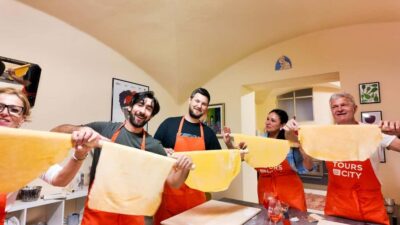
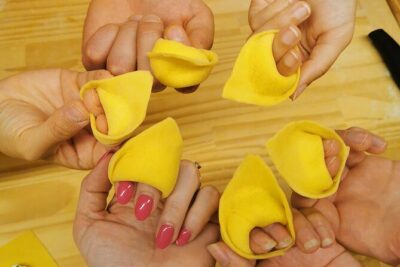
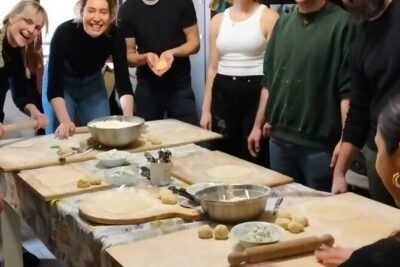
Back into the kitchen to roll tortellini and tagliatelle by hand.
What you’ll cook: tortelloni, farfalle, tagliatelle, and bolognese ragu
The lesson focuses on two pillars: traditional hand made pasta and the real bolognese ragu. You’ll prepare a handful of typical pasta dishes, including tortelloni, farfalle, and tagliatelle, plus the famous ragù alla bolognese.
Here’s why that pairing works so well. Bologna is known worldwide for its pasta traditions, but if you only make pasta without the sauce, you miss the point. The ragu is not just “something to put on top.” It’s built through cooking steps, timing, and attention, and it changes how you treat your noodles. You learn that connection in practice while you’re working.
Also, ingredients can change based on your personal request. That means you’re not locked into a one-size-fits-all menu. If you have a preference that doesn’t conflict with the workshop rules, it’s worth telling the instructor at the start so they can steer you toward something that fits.
How the workshop usually runs hour by hour
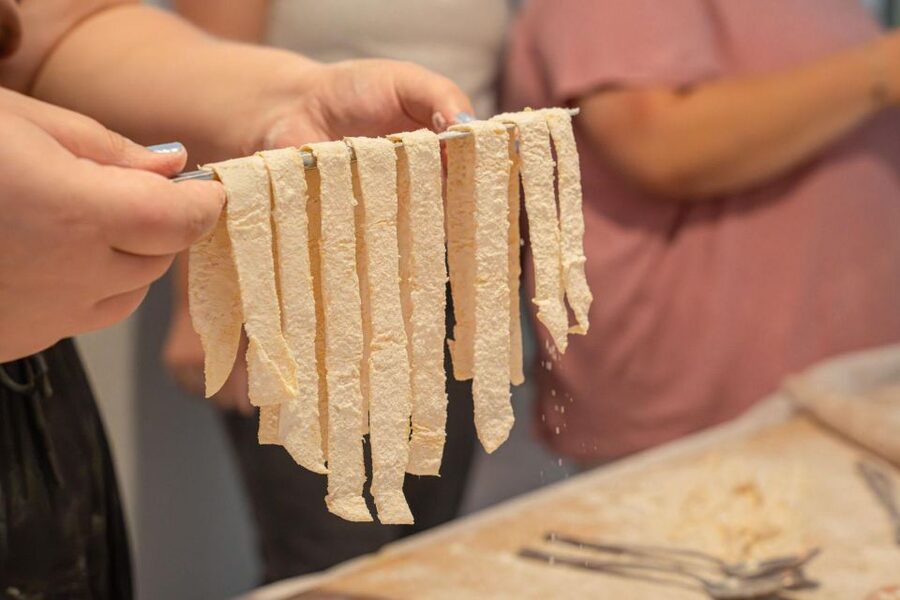
You’re in the kitchen for about 2.5 hours, and the flow is built around hands-on cooking rather than lectures. Expect an organized pace: you’ll get explained, then you’ll do. Pasta-making is the kind of skill where your hands learn faster than your ears, and this format keeps you moving.
A typical flow looks like this:
- You begin with instructions for working the dough and shaping pasta.
- You prepare multiple pasta types, which gives you a feel for different shapes and textures.
- You shift to the ragu, where the lesson becomes about building flavor with the right steps.
- Finally, you sit down to eat what you cooked.
Even if you’re not a confident cook at home, you’ll likely feel the difference between reading about pasta and actually shaping it. The best part is that you leave with real, repeatable muscle memory: rolling, cutting, shaping, and portioning.
The pasta part: learning dough feel and shaping the classics
Handmade pasta is where most people get surprised. It’s not hard, but it is precise in a quiet way. Dough should feel right, rest when it needs rest, and shape cleanly without tearing. The workshop gives you the basics you need to work confidently.
You’ll work on classic shapes:
- Tortelloni: a filled pasta where sealing and folding matter.
- Farfalle: a bow-tie shape that holds sauce well because of its edges and folds.
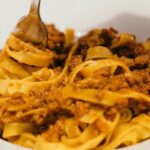
- Tagliatelle: long ribbon pasta where thickness and consistency make a difference.
I like that the class covers more than one pasta type. Each one teaches you something slightly different about handling dough. By the time you’re done, you’re not just copying one shape. You understand how pasta texture and shape relate to eating.
The ragu part: how to think like a Bologna cook
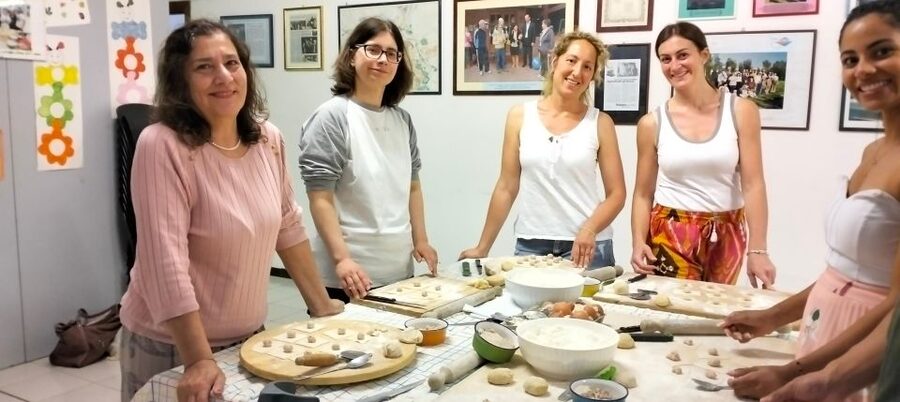
Ragu alla bolognese has a reputation for being demanding, but the workshop approach keeps it manageable. You learn the traditional method and you understand why it takes the time it takes. This is one of those lessons where a couple of technique tips can change your cooking at home.
The focus is on the real deal: the classic Bolognese ragu, following the original style associated with the region’s home cooking. That matters because bolognese is more than a tomato-forward sauce. It’s built with a layered flavor approach and a steady cooking process that helps everything blend into something smooth and satisfying.
You’ll also get to see that “sauce” isn’t one moment—it’s a sequence. In a cooking class like this, you don’t just hear that. You watch it happen and then connect the steps to what ends up on your plate.
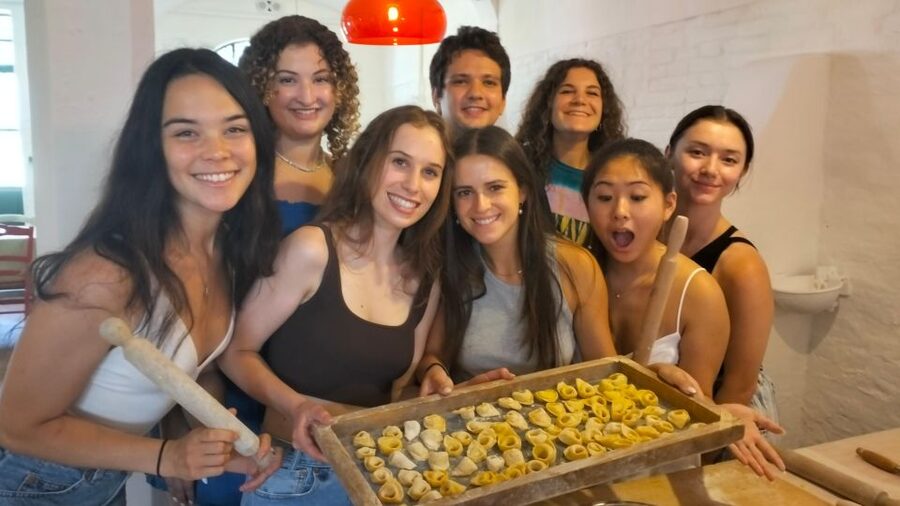
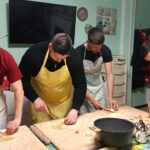
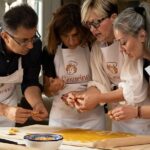
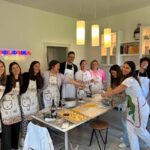
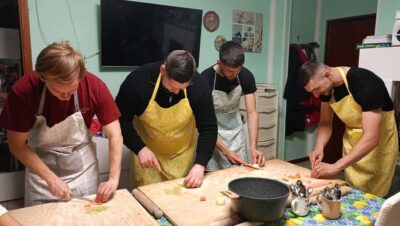
More hands-on afternoons in Emilia kitchens.
The meal at the end: wine, coffee, and that sweet surprise
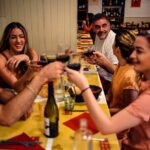
After you’ve cooked, you don’t rush out. You eat. The workshop includes a lunch or dinner, plus wine, water, coffee, and a sweet surprise to close things out.
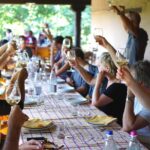
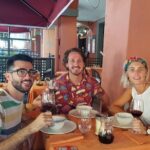
This is where the experience becomes more than just a class. You sit with the people you cooked alongside, and suddenly the kitchen work turns into a shared dinner. It’s also a good reality check: you get to taste how your pasta and ragu combination really performs.
If you enjoy food as a social experience, this part is a highlight. Many cooking classes stop at the door. Here, the meal anchors everything you made and gives you a clean way to compare what you learned with the final result.
Price and value: what $96.29 buys you
At $96.29 per person, this is not a bargain in the strictest sense. But it’s also not overpriced for what you get. You’re paying for hands-on instruction, ingredients, and a full sit-down meal with wine, water, coffee, and dessert.
In places where pasta courses are mostly demonstrations, the value drops. In this format, you’re rolling, shaping, and cooking the ragu yourself. That’s what justifies the price. Plus, the meal is part of the package, not an add-on.
If you’re the type who likes to come home with skills—not just photos—this kind of cost makes more sense. The value is in the practice you can repeat later, even if you don’t replicate every detail perfectly.
Who this workshop is best for (and who should skip)
This workshop is a great fit for:
- Pasta lovers who want hands-on technique.
- Food travelers who care about Bologna’s signature dishes, especially ragu alla bolognese.
- Couples, solo travelers, and small groups who like a shared meal afterward.
- Visitors who enjoy a home-style atmosphere and stories alongside cooking.
It’s not a fit if:
- You’re vegan (the workshop is not suitable for vegans).
- You’re sick with a cold. The activity isn’t suited for people with a cold, and I’d rather you enjoy the class than feel miserable in close quarters.
- You’re bringing very young kids. It isn’t suitable for children under 6 years, so this is more of an adult-friendly food activity.
Also, bring sensible expectations. You’ll learn plenty, but you’re still in a 2.5-hour window. This is about key techniques and guided practice, not about becoming a professional pasta maker by the end.
Practical tips: what to wear and how to arrive smoothly
Keep it simple:
- Wear comfortable shoes and clothes you can move in.
- The workshop does not allow bare feet.
- Smoking and vaping are not allowed, including indoors.
For arrival, use the meeting point so you don’t waste time:
- Start at Number 60 of Via Lincoln, in front of a playground, near the block where 56 and 58 are.
- It’s listed near Buzz Mattioli/Frusteri.
If you want the experience to fit you, mention any personal food requests early. Ingredients may change based on what you ask for, so you’ll get the best outcome when you speak up.
Should you book this Bologna-style pasta workshop?
Book it if you want a true taste of Emilia-Romagna food culture with your hands in the dough. You’ll get real practice with handmade pasta and you’ll leave with a better understanding of how Bolognese ragu is built. The fact that you sit down for lunch or dinner with wine, coffee, and dessert makes it feel like you’re joining a family meal rather than taking a quick class.
Skip it if you’re vegan, going in sick, or you’re traveling with very young children. Also, if you dislike cooking entirely and only want eating, this may feel like work. But if you enjoy learning by doing, this is a strong value day in Bologna’s culinary spirit.
FAQ
How long is the cooking workshop?
It lasts about 2.5 hours. Starting times vary, so you’ll want to check availability.
What dishes do you make during the class?
You’ll prepare traditional hand made pasta dishes such as tortelloni, farfalle, and tagliatelle, along with real Bolognese ragu.
Is lunch or dinner included?
Yes. At the end you’re offered a lunch or dinner that includes wine, water, coffee, and a sweet surprise.
What languages are the instructors?
The instructor works in English and Italian.
Is this workshop suitable for vegans?
No, it is not suitable for vegans.
What should I wear or bring?
Wear comfortable shoes and comfortable clothes.
What isn’t allowed during the experience?
Smoking, smoking indoors, and vaping are not allowed. Bare feet are also not allowed.
Is the workshop wheelchair accessible?
Yes, it is wheelchair accessible.
Where do I meet the group?
The start point is Number 60 of Via Lincoln, in front of a playground near where 56 and 58 are (near Buzz Mattioli/Frusteri). The activity ends back at the meeting point.
What is the cancellation policy?
Free cancellation is available up to 24 hours in advance for a full refund.
More Bologna Workshops
More Bologna Pasta and Cooking Classes
More Tour Reviews in Bologna
After something different? More ways to fill a day in Bologna and across Emilia-Romagna



Bologna Pasta-Making & Cooking Classes, compared.
 ★ 5.0Bologna Local Pasta Cooking Class, Ragu, Spritz, Wine & GelatoFrom $59527 reviews
 ★ 5.0Pastamama, Home Cooking Classes at Grace’s HomeFrom $114521 reviews
 ★ 5.0Pasta and Tiramisu Small Group Cooking Class with WineFrom $71409 reviews
 ★ 4.9Pasta Tagliatelle Ragu Cooking Class with SpritzFrom $79407 reviews
 ★ 5.0Bologna on the plate, Cooking Class with AlessiaFrom $89260 reviews
 ★ 4.7Pasta Tagliatelle al Ragu Cooking Class with WineFrom $70225 reviews
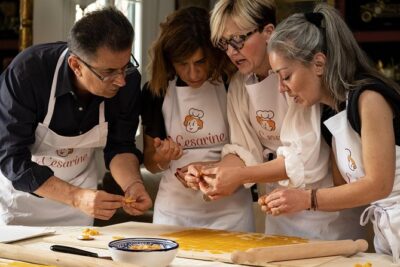 ★ 5.0Cesarine: Small group Pasta and Tiramisu class in BolognaFrom $163172 reviews
 ★ 4.5Authentic Bologna Home Cooking Class: Tagliatelle & TortelliniFrom $78136 reviews
Browse the lists this tour appears in