
Reviewed · FERRARA WALKING TOURS & DAY TRIPS
Discover Ferrara, City of the Renaissance
Ferrara’s quiet streets turn into a lesson fast. This private walking tour with guide Manuela Roversi helps you connect the Renaissance plan to real places, from the outside of Castello Estense to the stories woven through the Jewish ghetto. I especially like how the route balances power, art, and everyday life—so it feels more like a guided walk through the city’s logic than a list of monuments.
One thing to plan for: the tour does not include the Castello Estense interior, and you’ll also need to follow a dress code for places of worship, or you could be turned away.
In This Review
- Key things you’ll get out of this tour
- Ferrara’s Renaissance Plan Still Makes Sense on Foot
- A Realistic 2-Hour Route: Where It Starts and Ends
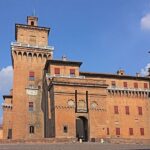
- Castello Estense: A Castle Built for Fear and Then for Home
- Corso della Giovecca and Addizione Erculea: How Ferrara Became a “Designed” City
- Piazza Savonarola: Preaching, Power, and Via Coperta
- Piazza Cattedrale and the Ferrara Cathedral Facade: A Bible in Stone
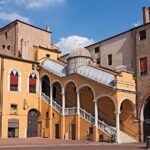
- Piazza del Municipio: White Marble Stairs and Este Courtyard Power
- Piazza Trento e Trieste: Where Civic and Religious Life Collided
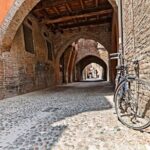
- Via San Romano and Via delle Volte: Medieval Commerce in Two Dimensions
- Ghetto Ebraico: Courtyards, Passageways, and a Story Told with Care
- Manuela Roversi’s Guide Style: Facts, Links, and Practical Perspective
- Price and Value: $126.43 for a Private 2-Hour Orientation
- Who Should Book This Ferrara Walk, and Who Might Skip It
- Should You Book This Private Ferrara Renaissance Walk?
- FAQ
- How long is the tour?
- Is this a private tour?
- What language is the guide?
- Does this include the interior of Castello Estense?
- What’s the dress code like?
- Is transportation included?
- What if I need to cancel?
Key things you’ll get out of this tour
- Private route, up to 10 people, so you can move at a human pace and ask questions
- Manuela Roversi’s background stories, including food and local customs
- Ferrara’s Renaissance city planning, tied to Addizione Erculea and the rational layout
- Big landmarks without rushing, with time built into each main stop
- Jewish ghetto focus, with specific streets and architectural details like courtyards and passageways
Ferrara’s Renaissance Plan Still Makes Sense on Foot
Ferrara is one of those places where the past isn’t just decoration. The city planning is part of the story, and that’s exactly what this walk helps you notice. You’re not only looking at buildings—you’re learning why the streets, districts, and boundaries were shaped the way they were.
A major thread is Addizione Erculea, the district tied to Duke Ercole I’s push in 1492. The guide’s take is that Ferrara became a forerunner of “modern” city design, with architect and town-planner Biagio Rossetti credited for a plan described as original and rational. When you walk the area linked to Corso della Giovecca, it helps the Renaissance idea click: this was controlled growth, not random sprawl.
If you like architecture but also want context you can carry into restaurants, markets, and later sightseeing, Ferrara rewards that mindset. This tour is built for that. You leave with a mental map of how power, religion, and city design all overlap.
Across to Ferrara and its quiet Renaissance streets.
A Realistic 2-Hour Route: Where It Starts and Ends
This is an approximately 2-hour private walking tour, offered in English, with mobile tickets. The starting point is Largo Castello (L.go Castello, 44121 Ferrara), and the tour ends in front of Ferrara Cathedral at Piazza della Cattedrale.
That end point matters. You’ll finish right where you can naturally continue on—either with more cathedral-area wandering or a pause for a drink or pastry nearby. One review also suggested planning an extra 30 minutes after the tour so you don’t feel rushed. I agree. Two hours goes by fast when the guide is connecting dots.
Transport to and from sights isn’t included, so plan to arrive on foot or by local transit. The tour also runs in all weather conditions, so bring shoes you can trust and dress for rain or sun. And yes—if you want to go into any churches, bring attire that fits a place-of-worship dress code. Otherwise, entry can be refused.
Castello Estense: A Castle Built for Fear and Then for Home
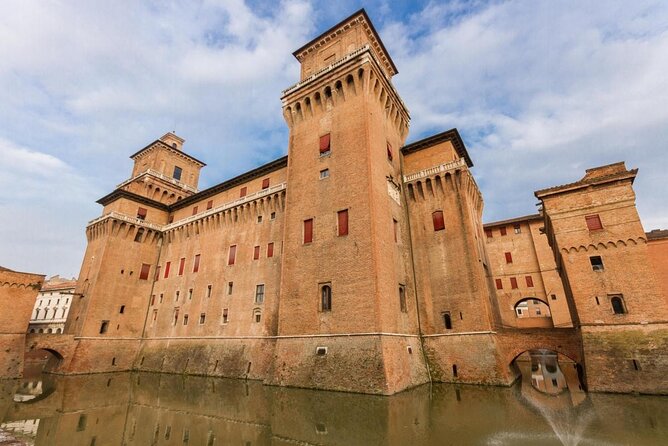
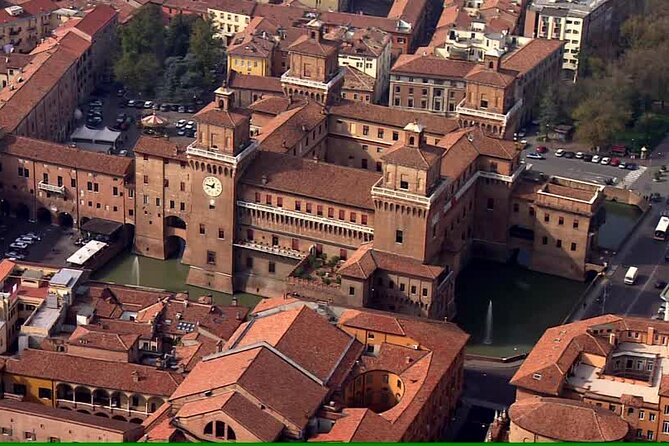
At Castello Estense, you’ll get the dramatic exterior first. The castle was commissioned by the Este family in 1385, and the reason is practical: it was meant to protect the Este rulers from angry locals upset about tax increases. That’s an unusual entry point into “Renaissance Ferrara,” because it makes the castle feel less like a postcard and more like a political tool.
Over time, the castle shifted roles. By the late 15th century it became the family’s permanent residence. You’ll also hear how it links to the Palazzo Municipale through an elevated passageway. That connection matters later in the tour, because you’ll see parts of the Este power system repeated in different settings.
Important detail: the castle interior is not included on this tour. Admission for the stop is free (as listed), but don’t expect guided access inside the fortress rooms. If interiors are your main goal, you might pair this with a separate visit.
Still, even just from the outside, Castello Estense sets the tone for what follows: this city is shaped by rulers, but the architecture shows their compromises and priorities.
Corso della Giovecca and Addizione Erculea: How Ferrara Became a “Designed” City
Stop two is Corso della Giovecca, and it’s a key pivot from medieval boundaries to Renaissance expansion. In the Middle Ages—and almost until the end of the 15th century—the northern boundary of the city ran along the road that corresponds to today’s Viale Cavour–Corso Giovecca.
Then in 1492, Ercole I commissioned the big change: that vast area was folded into the city center. Biagio Rossetti’s town-planning plan is described as original and rational, and the guide frames Ferrara as a city that got a head start on modern urban layout.
On the ground, what helps is to look beyond the facades. Notice how the city’s movement patterns start to feel organized—more intentional, less accidental. This is where the tour earns its “Renaissance” label, because you’re learning city mechanics, not just decoration.
If you enjoy walking history as cause-and-effect, this portion will probably be your favorite. If you only care about the biggest photo-stops, you might want to keep your attention on the street lines and the district feel here.
Piazza Savonarola: Preaching, Power, and Via Coperta
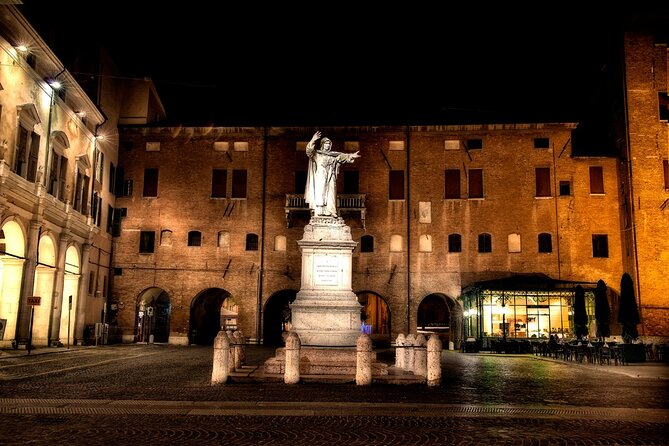
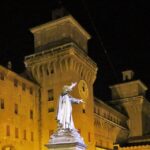
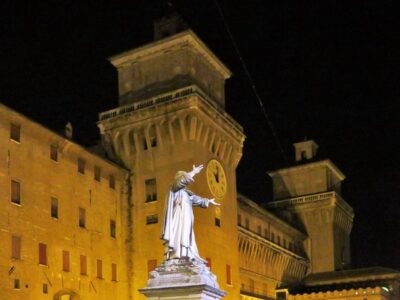
Between the castle area and the town hall is Piazza Savonarola, dominated by a monument to Girolamo Savonarola. He was born in Ferrara in 1452, and the guide connects him to a major religious moment later linked to Florence’s political-religious upheaval (1494–1498).
One of the more memorable ideas tied to Savonarola is the pyre of vanities—an act that led to books and important works of art being destroyed. Whether you agree with his reform agenda or not, it’s a sharp reminder that religion and culture collided in very physical ways.
The square also sits near Via Coperta, described here as a five-arch building connecting Este residences (the castle and the town hall). That detail turns the piazza into more than a statue stop. You’re seeing how the rulers moved and protected themselves—architecture for control, not just beauty.
This is a nice stop for balance: it keeps the tour from becoming purely architectural. It adds the human story behind the stone.
More ways to get the measure of Bologna.
Piazza Cattedrale and the Ferrara Cathedral Facade: A Bible in Stone
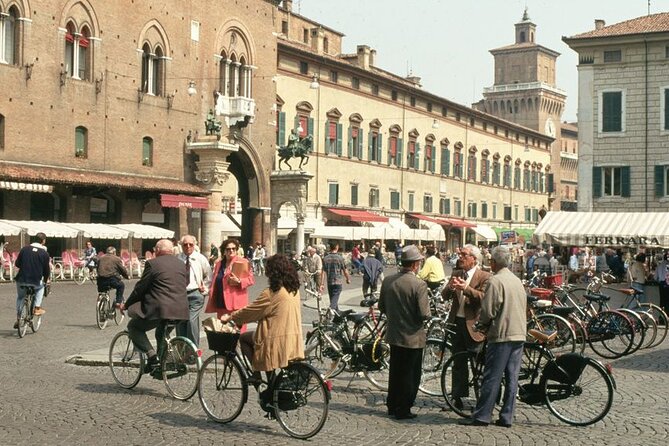
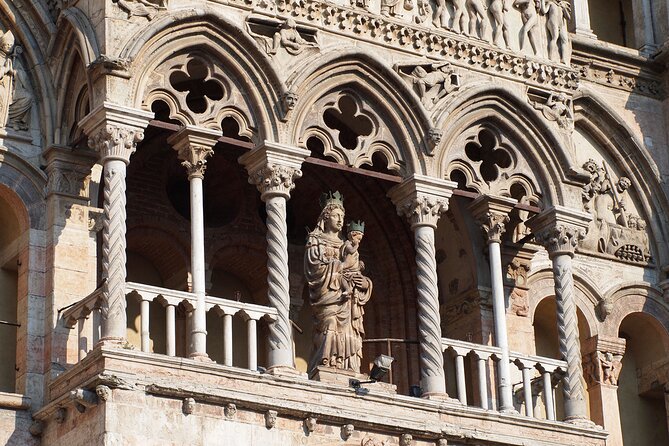
You’ll spend time at Piazza Cattedrale with a view toward the cathedral facade and its reliefs, described as a sort of poor man’s bible. That phrase is useful because it points to a common idea across medieval and Romanesque-Gothic churches: teaching through art you can see, even if you can’t read.
Then you move to Ferrara Cathedral itself. The cathedral is in Romanesque-Gothic Lombard style, and the exterior features a tripartite facade plus a magnificent canopy over the door. The canopy is decorated with a depiction of the Last Judgement.
Even without interior access included, this is one of the stops where the guide’s storytelling pays off. Instead of just “pretty building,” you start noticing how the design communicates meaning—judgement, order, and sacred authority—at eye level.
One practical tip: since dress code applies to places of worship, make sure you’re prepared early in the tour so you don’t lose time later at the cathedral area.
Piazza del Municipio: White Marble Stairs and Este Courtyard Power
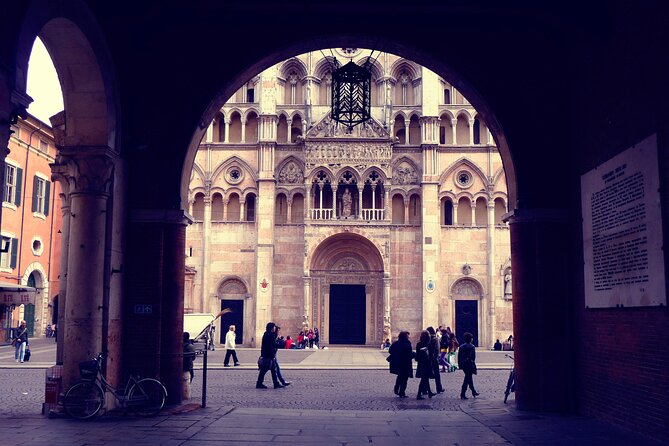
Next comes Piazza del Municipio, approached through an imposing arch from the cathedral square. This wide piazza used to be an inner courtyard of the Este ducal palace, so even though it looks like open space, it carries the feel of former “private” authority.
The standout feature is a staircase completely covered with white marble, finished in 1481. I like this stop because it shows Renaissance taste in a practical way: the city’s power doesn’t only live in grand statues. It also lives in the way people moved through important spaces.
If you’re the type who likes to photograph textures—stone, shadows, stair lines—this is a great area for it. And if you prefer quiet, the open courtyard-like feeling can be a breather between busier streets.
Piazza Trento e Trieste: Where Civic and Religious Life Collided
Piazza Trento e Trieste is described as the beating heart of the city, dating back to the Middle Ages. It’s also where the new cathedral was built, and the square concentrates religious, civil, and lordly power.
The key is that the piazza isn’t just “near important buildings.” It’s presented as the central stage for many seats of power: bishops’ residence (with the present Bishops Palace in that tradition), the Palazzo della Ragione and Notary’s Lodge, and the first nucleus of the Palazzo Ducale, which connects to today’s Palazzo Municipale.
Along the south side runs the loggia dei Merciai. You’ll also see the ex-church of San Romano, now home to a museum.
This stop is where I’d tell you to slow down. Not because the tour forces you to, but because a piazza like this is meant to be read. Look at how the buildings frame the space and how the cathedral dominates the viewpoint. That’s the city telling you what mattered.
Via San Romano and Via delle Volte: Medieval Commerce in Two Dimensions
Two streets bring the tour into day-to-day texture: Via San Romano and Via delle Volte.
Via San Romano is described as the medieval town’s main street, once connecting the market square (Piazza Trento e Trieste) with the port of Ferrara. Today, the port area is replaced by Via Ripagrande, but the street’s commercial purpose is still the point. You’ll see porched medieval houses lining the thoroughfare, and it’s easy to imagine how goods and people moved.
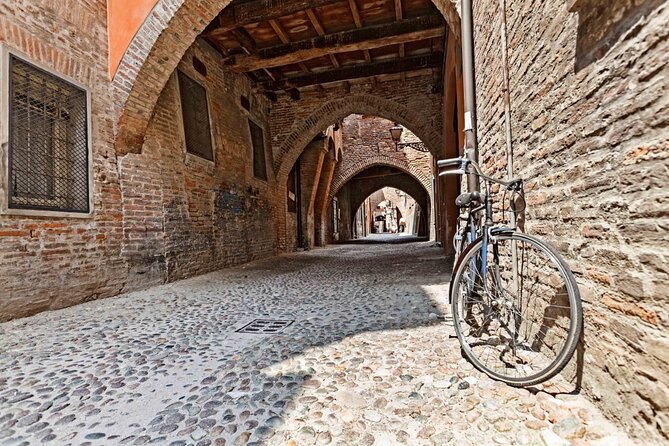
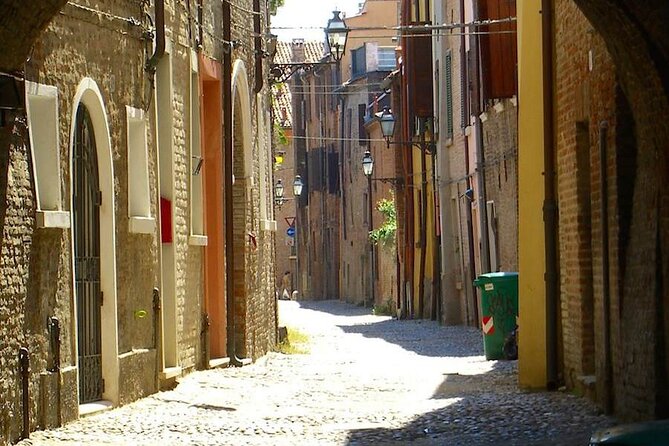
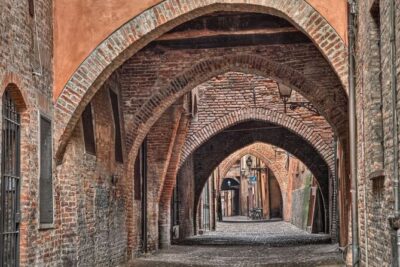
Then comes Via delle Volte, which is special because it changes the street’s dimension. It marks the axis of linear Ferrara’s early development between the 7th and 9th centuries A.D., and its defining feature is overhead passageways. The description explains vaults dotted along the street that connected river-side warehouses with workshops-houses toward the center.
That’s a fascinating way to see “medieval urban design.” It wasn’t only about streets at street level. It was about stacking functions in three dimensions—storage, work, movement—so commerce kept flowing without chaos.
If you love atmospheric alleys, this is the part that tends to make the city feel real. If you get tired easily, note the stops here are timed and won’t drag on.
Ghetto Ebraico: Courtyards, Passageways, and a Story Told with Care
The last stop is the Ghetto Ebraico, and this is where the tour turns from architecture into community history. The guide presents the Jewish side of Ferrara as an important part of the city’s community.
You’ll walk through the area tied to the former ghetto, instituted in the 17th century. The streets involved are given as today’s Via Mazzini, Via Vittoria, and Via Vignatagliata, plus Piazzetta Lampronti. You’ll also be looking for details like courtyards, secret passageways, and evocative balconies.
This is exactly the sort of stop where a good guide changes the experience. The point isn’t shock value. It’s understanding how everyday life worked under constraints, and how architecture preserved connection and continuity through space.
From what I’d use to decide if this tour fits you: if you want the Jewish ghetto discussed in a respectful, historically grounded way, this route is built for that.
Manuela Roversi’s Guide Style: Facts, Links, and Practical Perspective
This tour is powered by its guide. The provider is Alliet’ARTI Tours – Manuela Roversi, and the name shows up again and again in the feedback because her approach is so story-to-stone connected.
I like the way her style is described as rich in background information. That matters because Ferrara can look small and calm, and it would be easy to treat it like a “slow city.” Her storytelling helps you see how centuries of architecture and planning create a readable pattern.
One review notes she’s friendly and covers city customs and food culture too, not only buildings. Another praises her through and respectful history of the Jewish ghetto. That mix is why the tour works: you leave knowing what you’re looking at and why it’s there, plus you get hints on how locals think about culture and everyday life.
There’s also a practical takeaway. People recommend giving yourself a little extra time after the walk so you can enjoy the city at an unhurried pace—restaurants, pastisseries, and bars. That’s not a “side quest.” It’s how you turn the tour into a fuller Ferrara day.
Price and Value: $126.43 for a Private 2-Hour Orientation
The price is $126.43 per group (up to 10 people) for about two hours, with a professional guide and a private setup. That’s one of the better deals for a city like Ferrara, where most of what you need to understand is visible outdoors and in key piazzas.
Here’s how I’d think about value:
- You’re paying for a guided, private route, not a museum ticket.
- Several stops are listed as admission ticket free for what’s covered on the walk, so your money goes into interpretation.
- Up to 10 people means you can split costs with friends or family and keep a private feel.
The tour is often booked about 68 days in advance on average. That’s a sign of solid demand, so if you’re traveling during a busy season or you want a specific time window, don’t leave it until the last week.
Also, transportation isn’t included. That’s normal for walking tours, but it’s worth budgeting for taxis or transit if your hotel is farther from Largo Castello.
Who Should Book This Ferrara Walk, and Who Might Skip It
This works best if you want:
- a guided orientation that connects Renaissance planning to real streets and piazzas
- architecture plus cultural context (including the Jewish ghetto)
- a private format where you can tailor questions to your interests
It might not be your best match if you’re hoping for lots of indoor museum time. The Castello Estense interior isn’t part of this experience, and the stops are timed as outdoor/area viewing moments.
If you’re short on time and want to understand Ferrara fast before you wander on your own, I think this is a strong pick. Ferrara is small enough that a two-hour guide can “unlock” where to go next—without overwhelming you.
Should You Book This Private Ferrara Renaissance Walk?
Yes, if you care about understanding what you’re seeing. The combination of Castello Estense, the Renaissance planning logic behind Addizione Erculea, cathedral facades, and a focused walk through the Ghetto Ebraico makes it more than a sightseeing circuit.
I’d also book it if you value a guide who connects details to bigger themes, like how power, religion, and city design shaped everyday life. With Manuela Roversi, the tone sounds practical and thoughtful, and the route is paced to avoid that rushed feeling.
Skip or supplement if you specifically want indoor access to the castle interior or want a longer museum-heavy day.
FAQ
How long is the tour?
The tour lasts about 2 hours.
Is this a private tour?
Yes. It’s private, and only your group participates (up to 10 people).
What language is the guide?
The tour is offered in English, and it may be operated by a multi-lingual guide.
Does this include the interior of Castello Estense?
No. The castle interior visit is not included on this tour.
What’s the dress code like?
A dress code is required to enter places of worship. If you don’t meet the requirements, you may be refused entry.
Is transportation included?
No. Transportation to and from attractions is not included.
What if I need to cancel?
You can cancel for free up to 24 hours in advance of the experience start time for a full refund.
More Bologna City Tours
More Ferrara Tours and Day Trips
More Tour Reviews in Ferrara
After something different? More ways to fill a day in Bologna and across Emilia-Romagna



Ferrara Walking Tours & Day Trips, compared.
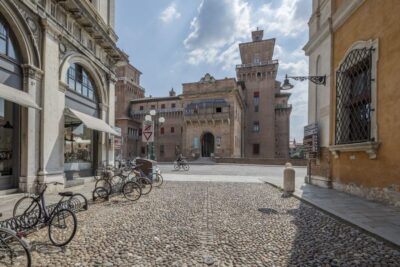 ★ 4.6City Highlights Walking Tour with Local GuideFrom $17219 reviews
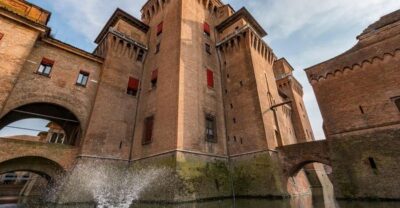 ★ 4.4Estense Castle Guided TourFrom $15101 reviews
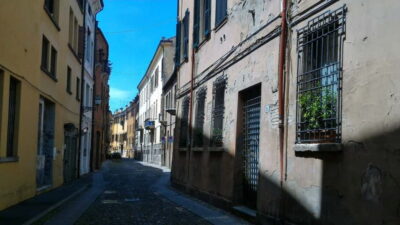 ★ 4.7Medieval Ferrara and the Jewish Ghetto Walking TourFrom $16970 reviews
 ★ 4.1Digital guide made with a Local for your TourFrom $645 reviews
 ★ 4.5Ferrara Walking Tour with Audio and Written GuideFrom $735 reviews
 ★ 4.92-Hour City Center Walking TourFrom $10635 reviews
 ★ 4.3Guided City Highlights Walking TourFrom $14121 reviews
 ★ 4.2Treasure Hunt 2.0 in Ferrara – A Devil of an AssistantFrom $4010 reviews
Browse the lists this tour appears in