
Reviewed · BOLOGNA WALKING TOURS & CITY HIGHLIGHTS
Ferrara: Guided City Highlights Walking Tour
Ferrara feels made for slow, guided wandering. In just 2–2.5 hours, you get a clear route through the city’s Renaissance landmarks and UNESCO-worthy architecture, with an expert explaining how the pieces connect.
I particularly liked the start at Palazzo Diamanti and the open, green-feeling Renaissance planning around the Addizione Erculea—great for getting your bearings fast. And the tour’s storytelling around the Estensi family (with guides like Debora, Ilaria, and Maria Cristina) makes the monuments feel less like postcards and more like living history. One possible drawback: a couple of people flagged the price as high for a short walk, and they wished at least one entrance was included—so it’s smart to confirm what’s covered before you go.
In This Review
- Key things you’ll notice on this Ferrara walk
- Why Ferrara’s UNESCO layout makes a short tour work
- Palazzo Diamanti and the Addizione Erculea: your “welcome to Ferrara” moment
- The Estensi story: how a family shaped Renaissance Emilia-Romagna
- Palazzo Marchionale courtyard: the quiet transition that sets the tone
- The Romanesque-Gothic cathedral stop: where style meets meaning
- Castello Estense: the fortress visit that ties the whole route together
- Via delle Volte and the Jewish ghetto: ending on atmosphere and layering
- Languages, guide quality, and what “certified” means for you
- Price and logistics: judging the $141 value for 2–2.5 hours
- Who this tour is best for (and who should reconsider)
- Should you book this Ferrara guided highlights tour?
- FAQ
- How long is the Ferrara city highlights walking tour?
- Is this tour private?
- What languages are offered for the live guide?
- Where is the meeting point?
- Can I get a full refund if plans change?
- Is the tour suitable for people with mobility impairments or can I bring a pet?
Key things you’ll notice on this Ferrara walk
- UNESCO context: you’ll learn why Ferrara’s architecture earned heritage status
- Palazzo Diamanti + Addizione Erculea: a strong opening with landmark details and open spaces
- Estensi family focus: the guide ties the city’s power story to what you see on the street
- Romanesque-Gothic cathedral stop: a meaningful midpoint with a classic Ferrara highlight
- Castello Estense visit: the fortress view helps everything click together
- Via delle Volte and the Jewish ghetto: atmospheric streets that close the loop on the city’s layers
Why Ferrara’s UNESCO layout makes a short tour work
Ferrara is the kind of city where walking feels natural. The sites aren’t scattered randomly; they’re connected by streets and urban planning that you can actually understand on foot. In a relatively short time, this tour gives you a structured way to experience the city without feeling like you’re just hopping between famous stops.
The biggest value here is not just seeing famous buildings. It’s learning how Ferrara’s look—especially its architectural heritage—fits into the UNESCO story. When your guide frames the city that way, you start noticing details you’d otherwise miss: how the Renaissance mindset shaped space, not just style.
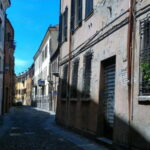
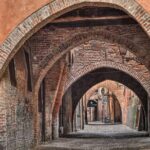
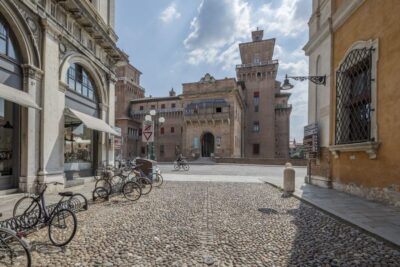
More of the old town on foot, towers and squares and back streets.
Palazzo Diamanti and the Addizione Erculea: your “welcome to Ferrara” moment
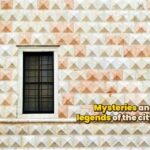
The itinerary starts at Palazzo Diamanti, then moves into the large green spaces of the Addizione Erculea. This opening is smart. It balances a major landmark (easy to locate, easy to anchor your memory) with the wider urban setting around it.
Why that matters: if you start with only buildings, you can lose the “why” behind the city’s design. Here, the green-space element helps you understand Ferrara as a planned Renaissance city, not only a museum of towers and facades. It also tends to be a calmer way to begin—good if your day already includes other stops.
The Estensi story: how a family shaped Renaissance Emilia-Romagna
After the first sights, you’ll get the history of the Estensi family, the family that helped pave the way for the Renaissance in the Emilia-Romagna region. This is where the tour turns from sightseeing into interpretation.
What you should look for while you listen: the guide connects the city’s monuments to the people and ambitions behind them. Even if you’re not a hardcore history person, the Estensi focus usually lands because it gives you a concrete theme—power, patronage, and city planning—so the walking route feels purposeful rather than random.
This is also where the human element shows up. Multiple guides are praised for being detailed and professional, with Debora earning strong notes for going the extra mile, and Maria Cristina specifically highlighted for accurate storytelling and fun anecdotes. If you like your history with personality (and not just dates), this section is often the payoff.
Palazzo Marchionale courtyard: the quiet transition that sets the tone
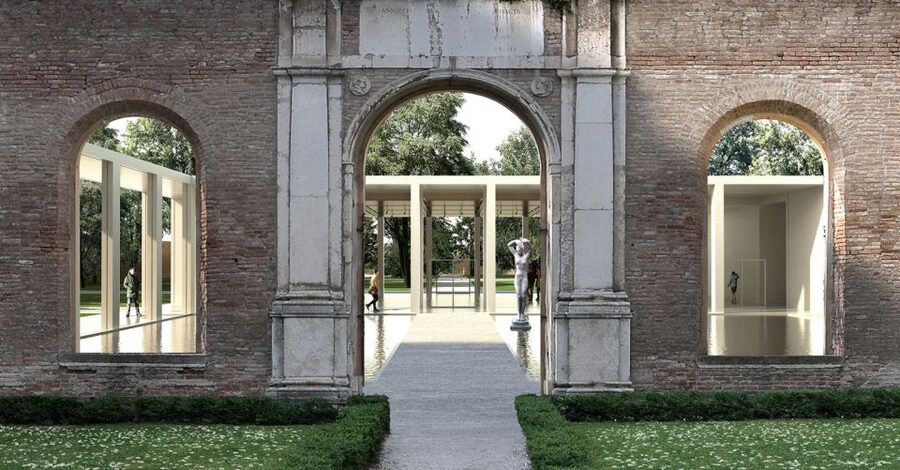
Next comes a stop connected to the Palazzo Marchionale, including the courtyard of honour. This may sound like a small “in-between” moment, but it’s useful. Courtyards like this usually act as a switch from the broad city planning you saw earlier to the more formal, monumental Ferrara you’re about to meet.
In practical terms, it also gives you a breather mid-tour. You’re still walking, but the change in setting makes the next chapter—religious architecture—feel more meaningful instead of abrupt.
The Romanesque-Gothic cathedral stop: where style meets meaning
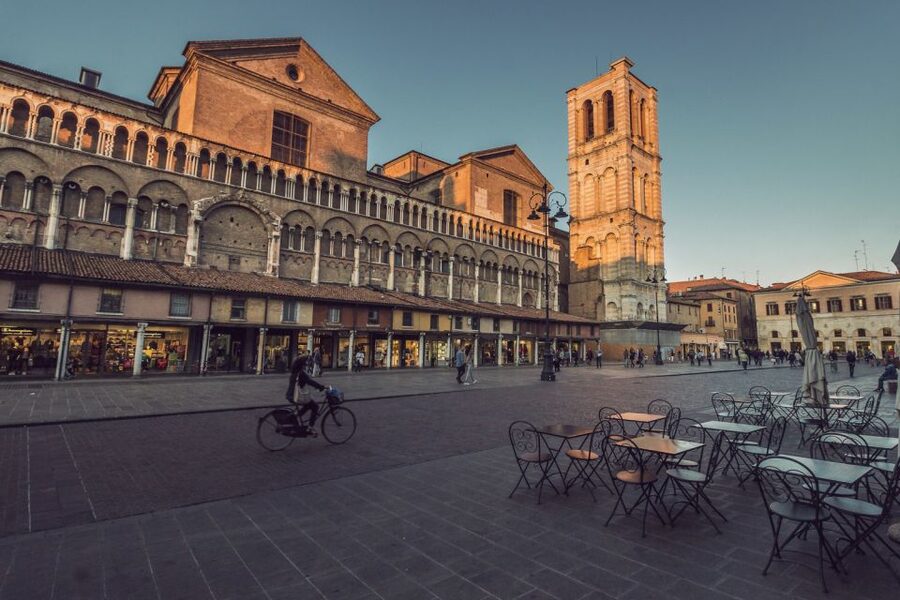
You’ll then visit the Romanesque-Gothic cathedral. This stop is valuable because it adds a layer to Ferrara beyond Renaissance planning. The name alone signals that you’re seeing architectural change over time—Romanesque solidity paired with Gothic direction.
Also, for a walking tour, cathedral visits tend to work well because you can still learn while keeping your energy. You’re not asked to do anything athletic or complex; you’re there to take in form, position, and design cues while your certified guide explains what you’re looking at.
What to do as you go: keep your eyes up and scan around. Cathedral architecture is the kind of thing that rewards a quick circle view, even if you only have a short time here.
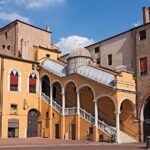
Across to Ferrara and its quiet Renaissance streets.
Castello Estense: the fortress visit that ties the whole route together
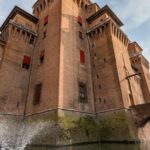
After the cathedral, the tour continues to the Castello Estense. This is one of those “yes, Ferrara has a dramatic side” moments, and it’s the kind of stop that helps you mentally organize what you saw earlier.
Why it works on this specific tour: by the time you reach the castle, you’ve already heard about the Estensi family and seen the Renaissance city planning at the beginning. That makes the castle feel less like an isolated attraction and more like a physical expression of power in stone.
If you like photography, this is usually a great point for it—fortresses and castles give you stronger angles than you get from a lot of smaller streets. And if you’re more into understanding than shooting, it’s still a key landmark because it anchors the story your guide has been telling.
Via delle Volte and the Jewish ghetto: ending on atmosphere and layering
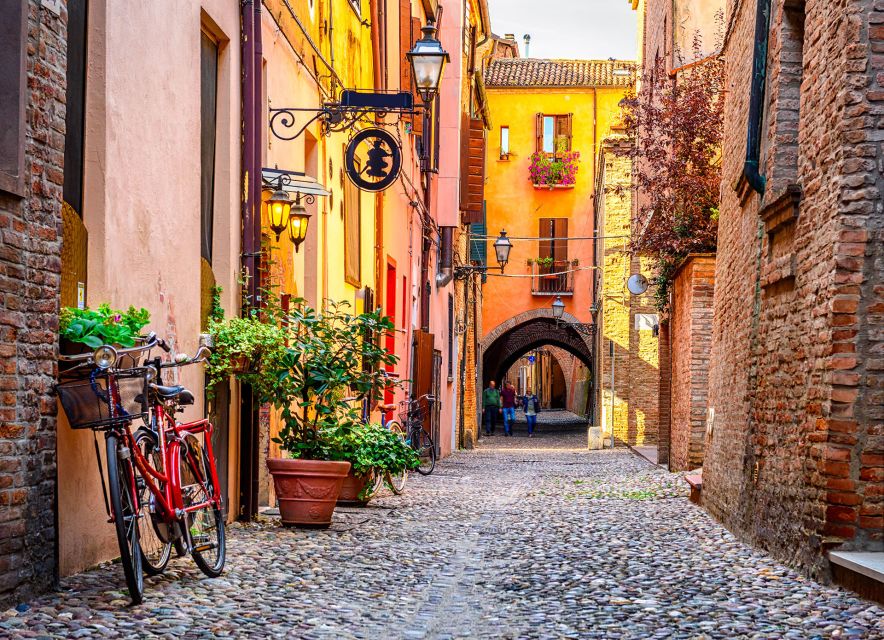
The tour wraps up with Via delle Volte and the Jewish ghetto. These are especially good late in the walk because they shift the experience from grand monuments to street-level texture and community history.
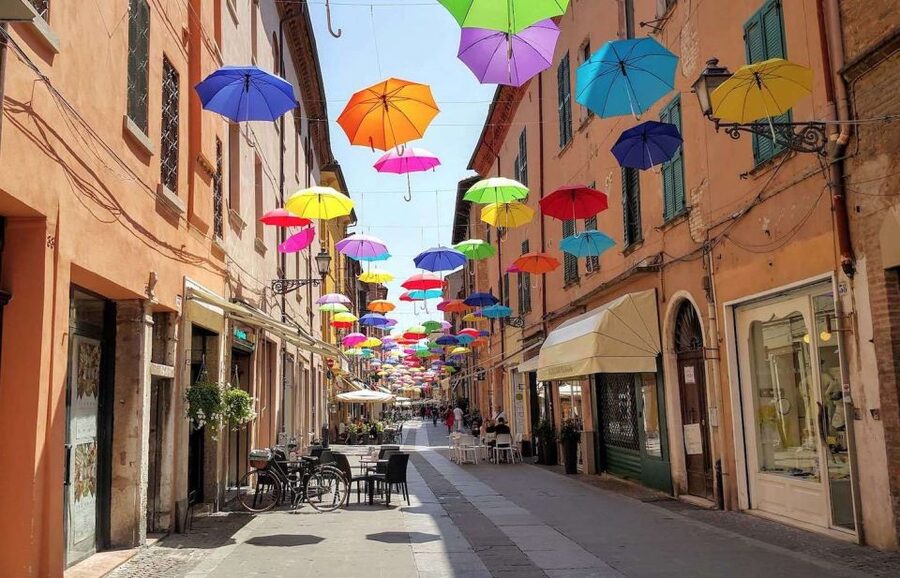
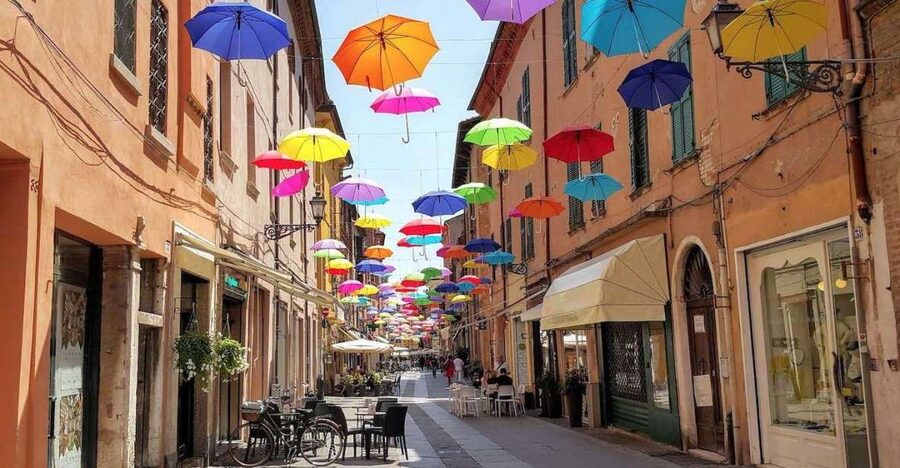
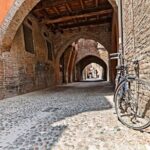
Via delle Volte is described as picturesque, and that’s the vibe you want here: slower attention, smaller details, and the feeling that Ferrara’s identity lives in its streets as much as in its big buildings. Then the Jewish ghetto stop adds a historical and cultural dimension that rounds out the city picture.
If you tend to enjoy tours that end with real-world atmosphere rather than only architecture, this closer is a strong choice. It leaves you with something to remember when you walk away, not just a list of names.
Languages, guide quality, and what “certified” means for you

This is a live guided tour with a certified tour guide. Language options include English, French, Italian, and Spanish, which is a big deal in Italy. A good guide can turn “I know what this building is” into “I understand why it matters.”
The guide experiences are a standout theme in the feedback you shared. I’d pay attention to that because it’s the main variable you’re buying with a short walking tour. People praised guides like Debora, Ilaria, and Maria Cristina for professionalism, competence, and for connecting the city’s story to what you can see in front of you.
For you, that means less guesswork. You won’t have to work to interpret each stop. You’ll have someone on the ground translating Ferrara into something you can carry with you after the walk.
Price and logistics: judging the $141 value for 2–2.5 hours
At $141 per person for a 2–2.5 hour walking tour, the key question is value for your time—not just the headline price. This is not an all-day excursion, so you’re paying for efficiency plus interpretation.
Here’s the fair way to judge it:
- You’re getting multiple major Ferrara highlights in one route: Palazzo Diamanti, Addizione Erculea, the cathedral area, Castello Estense, Via delle Volte, and the Jewish ghetto.
- You’re also paying for guided context about UNESCO heritage and the Estensi family story, which is hard to recreate alone unless you have the time to research deeply first.
The main caution from what you provided: at least one person felt the price was high and wished an entrance ticket was included. Your best move is simple—before you book, confirm whether any site entrances are included or if you should expect to pay separately at the stops. If entrances are extra, the tour can still be good value, but only if you’re mainly there for guidance and route planning.
One more practical note: the meeting point can vary depending on the option you book. That’s normal for city tours, but it’s worth checking your confirmation carefully so you don’t waste time triangulating.
Who this tour is best for (and who should reconsider)
This tour suits you if you like art, culture, and history, and especially if you enjoy walking cities where context matters. The inclusion of both Renaissance elements and older cathedral and Jewish ghetto history makes it a good “first Ferrara” tour.
You’ll also likely enjoy it if you care about learning from a guide rather than simply doing a self-guided checklist. The strong feedback on guide professionalism suggests the storytelling is part of the product.
On the other hand:
- It’s not suitable for people with mobility impairments, based on the activity’s stated limits.
- Pets are not allowed.
If either of those affects you, it’s worth looking for an alternative format (for example, a shorter or more accessible experience).
Should you book this Ferrara guided highlights tour?
Yes, book it if you want a focused, efficient introduction to Ferrara’s most important architecture and you value having a certified guide connect the dots between UNESCO heritage, the Estensi family, and the city’s landmarks. It’s the kind of tour that can turn “I saw buildings” into “I understand what Ferrara was trying to do.”
Skip or rethink it if $141 feels too steep for how short the walk is and you’re hoping for entrances to be included without extra costs. In that case, confirm what’s covered at each stop first, so there are no surprises.
If you’re visiting Ferrara with a limited schedule, this tour is a very practical way to make the most of it—and it ends with street atmosphere, which is often what makes Ferrara linger after you leave.
FAQ
How long is the Ferrara city highlights walking tour?
The tour lasts about 2 to 2.5 hours.
Is this tour private?
A private group option is available.
What languages are offered for the live guide?
The guide is available in English, French, Italian, and Spanish.
Where is the meeting point?
The meeting point may vary depending on the option booked.
Can I get a full refund if plans change?
Yes. Free cancellation is available up to 24 hours in advance for a full refund.
Is the tour suitable for people with mobility impairments or can I bring a pet?
Pets are not allowed, and the tour is not suitable for people with mobility impairments.
More Ferrara Tours and Day Trips

More Bologna Walking Tours

More Tour Reviews in Ferrara
After something different? More ways to fill a day in Bologna and across Emilia-Romagna



Bologna Walking Tours & City Highlights, compared.
 ★ 4.5City Center Walking TourFrom $263,478 reviews
 ★ 4.8Walking Food Tour with a Local GuideFrom $90882 reviews
 ★ 5.0Private Half Day Parma Food Walking TourFrom $134561 reviews
 ★ 3.7Open Bus City Tour and Local Food TastingFrom $46550 reviews
 ★ 5.0Bologna Private Highlights & Hidden Gems Tour with a LocalFrom $77359 reviews
 ★ 4.6City Highlights Walking Tour with Local GuideFrom $17219 reviews
 ★ 4.9City Center Guided Wine Walking TourFrom $70210 reviews
 ★ 4.2City Walking TourFrom $27203 reviews
Browse the lists this tour appears in