
Reviewed · BOLOGNA PASTA-MAKING & COOKING CLASSES
Make Homemade Pasta in Bologna with Professional Pasta Maker, Pio
Fresh pasta class in Bologna beats a restaurant meal. You get hands-on instruction from Pio, plus a real sit-down dinner built from what you make. It is private, local, and designed to teach you technique, not just feed you.
I especially love the back-to-basics feel: rolling, cutting, and cooking pasta with someone who treats the process like craft. I also love the payoff moment—after about an hour of cooking together, you sit down to enjoy your pasta with local wines, in the same setting where you worked.
One consideration: there is no hotel pickup. You will want to plan your own way to the meeting point at Via di Corticella, and arrive ready to jump into kitchen mode.
In This Review
- Key things to know before you go
- A Bologna home kitchen instead of the tourist restaurant line
- Meeting Pio at Via di Corticella: what the start tells you about the experience
- The hands-on hour: rolling, cutting, and cooking fresh pasta
- Tagliatelle, tortellini, and passatelli: pasta shapes you’ll actually learn
- Tagliatelle: learn the basics that affect everything
- Tortellini (and you might see tortelloni too)
- Passatelli: Bologna’s comfort-food style
- Pugliese touches: why the menu might stretch beyond Bologna
- The dinner: what you should expect after the dough work
- Vegetarian, allergies, and the reality of home-kitchen cooking
- How much is it really worth at $164 for 4 hours?
- Who this pasta class suits best (and who might want something else)
- Should you book with Pio? My practical yes-or-no
- FAQ
- What’s included in the class and meal?
- How long does the experience last?
- Where do I meet, and is pickup provided?
- What pasta will we make?
- Are vegetarian options available?
- Can the host accommodate allergies or dietary restrictions?
- Is the tour private?
Key things to know before you go
- Private, host-led class in a home kitchen, not a commercial cooking school
- A real technique lesson: rolling, cutting, and cooking fresh pasta shapes like tagliatelle and tortellini
- Meal included with beverages, so you’re not just learning—you’re eating what you made
- Seasonal menu changes, and you may see a mix of local and Pugliese influences
- English support may be available, depending on the night and your group
- No hotel pickup, so getting to Via di Corticella is on you
A Bologna home kitchen instead of the tourist restaurant line
If you’ve already done the usual dinner circuit in Bologna, this is the kind of experience that resets your expectations. The big shift is simple: you are not ordering pasta. You are making it. And since you’re in a real home and pasta workshop, the whole pace feels slower and more human.
What makes this class work is the focus. You learn core pasta skills—how to handle dough, how to cut cleanly, and how to cook fresh pasta so it tastes like it should. That matters in Bologna, where pasta isn’t just a dish. It’s a baseline for how people think about meals.
Also, the private setup changes everything. With only your group, you’re not waiting your turn while someone else runs the station. You can ask questions, redo a fold, and get feedback while the dough is still forgiving.
The payoff is that you leave with more than a full stomach. You leave with a new sense of how pasta is built.
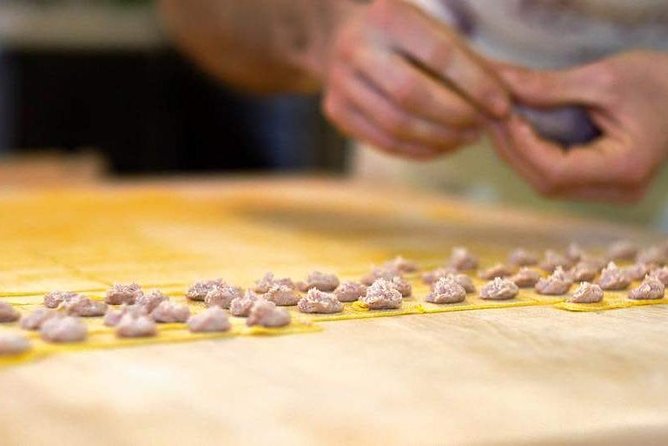
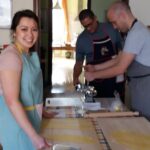
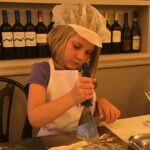
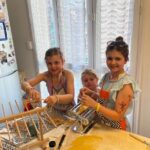
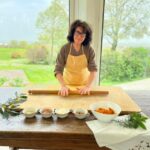
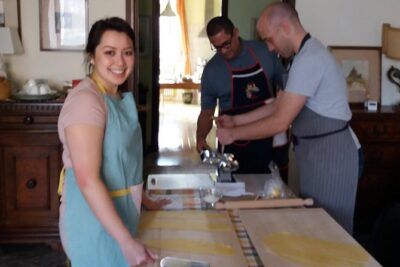
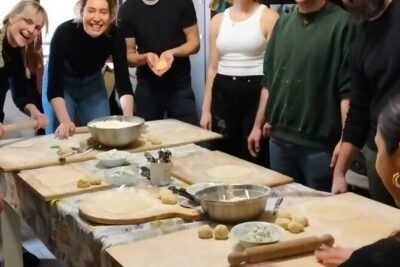
Back into the kitchen to roll tortellini and tagliatelle by hand.
Meeting Pio at Via di Corticella: what the start tells you about the experience
You’ll meet at Via di Corticella, Bologna and finish back at the same spot. That format usually means two things: you get a straightforward arrival flow, and you’re not spending your time in transfers.
Also, since it’s near public transportation, you are not locked into taxis. Still, because there’s no hotel pickup and drop-off, you should budget a bit of time to get yourself there calmly. Think of it like showing up to a friend’s house—early enough to get comfortable, not rushed.
The class name is professional pasta maker, Pio, and that’s exactly the vibe you’re going to get: less show, more technique. Even if you’ve cooked before, you’ll likely notice how carefully the lesson is paced. Dough is time-sensitive, and good teachers treat it like a living thing.
One more practical note: you can bring service animals, and if you have dietary needs, you’ll want to message them at booking. Vegetarian is available too, but the menu can vary by season.
The hands-on hour: rolling, cutting, and cooking fresh pasta
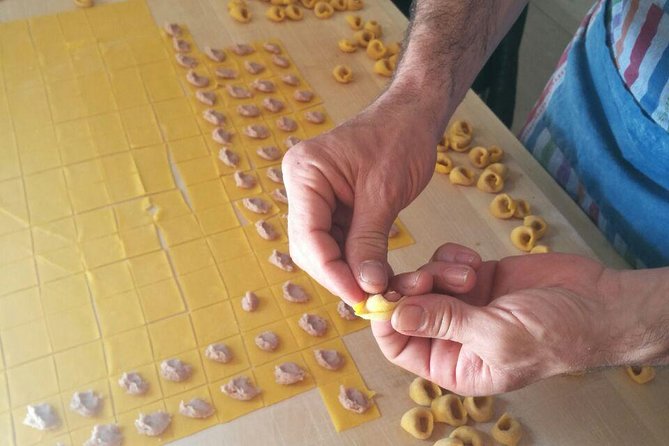
The cooking portion runs about one hour, and this is where you’ll do most of the work. You’ll learn how to roll and cut pasta, and then how to cook it properly once it’s shaped.
Fresh pasta is not the same as dried. With fresh dough, thickness and handling make a bigger difference than you might expect. Too thick and it feels heavy. Too thin and it turns delicate fast. This class is built around learning that sweet spot through doing it yourself.
You’ll also get coaching on practical details—things like how to work the dough without tearing it, how to keep shapes even, and how to avoid turning a fun learning session into a flour-covered stress test. If you’ve ever watched someone make pasta and thought, I could never do that, this is designed to shrink that gap.
And because it’s private, the teacher can adjust in real time. If you’re slower, you don’t fall behind the group. If you nail it quickly, you can get extra pointers on refinement.
Tagliatelle, tortellini, and passatelli: pasta shapes you’ll actually learn
This experience is built around several Bologna-family pasta styles, not just one. Expect to make pasta that could include tagliatelle, tortellini, and passatelli. The menu can shift with the season, so treat this as a chance to learn methods through shapes that are relevant to what’s being made now.
Tagliatelle: learn the basics that affect everything
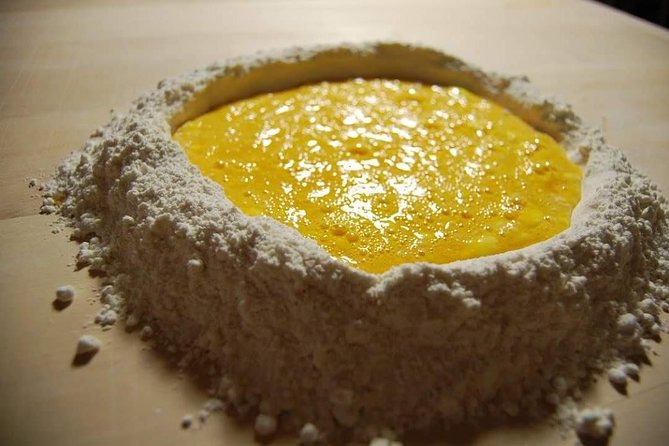
Tagliatelle is the gateway shape for understanding pasta thickness and cutting. When tagliatelle is right, it looks clean and cooks quickly without turning mushy. When it’s off, you’ll feel it immediately. That makes it a great learning tool.
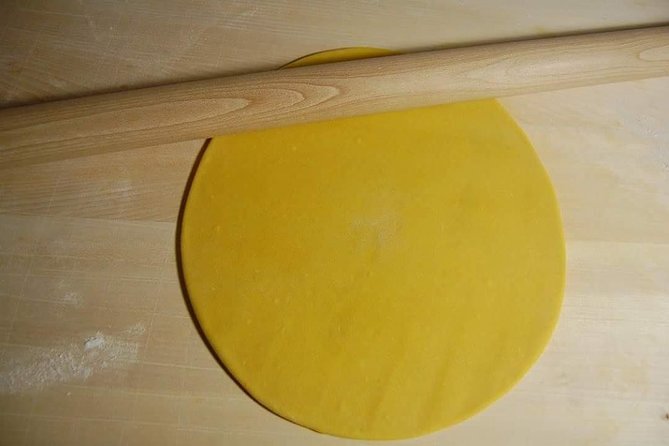
In one experience described with Pio, he had a pasta rolling setup—like a slab made just for pasta—and he rolled it out by hand. That kind of setup helps you see how professionals control consistency instead of relying on shortcuts.
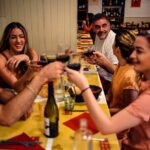
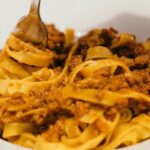
More fresh pasta to make and to eat.
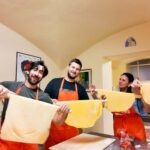

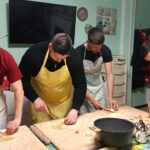
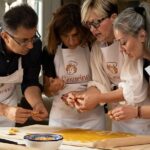
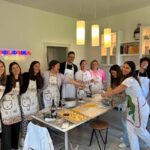
Tortellini (and you might see tortelloni too)
Tortellini is where confidence goes to get tested. The real lesson is the folding and sealing rhythm—how the dough is shaped, how the filling is portioned, and how the form stays intact.
One review specifically calls out learning the tricky business of tortelloni alongside tagliatelle. Even if you’re making tortellini, you’ll still recognize the same core idea: the fold is the technique. The more you practice it in the lesson, the more it stops feeling mysterious and starts feeling repeatable.
Passatelli: Bologna’s comfort-food style
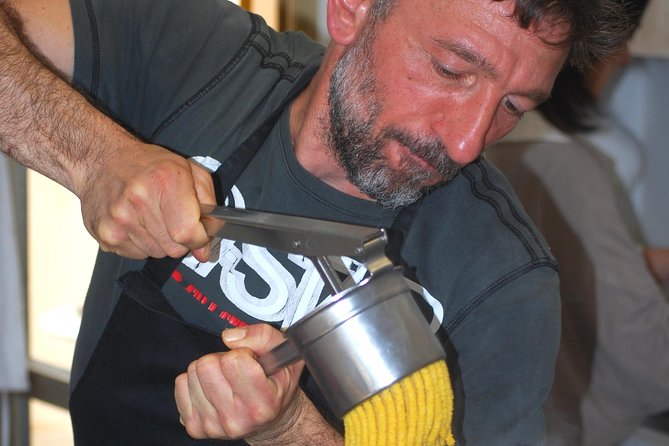
Passatelli is more “cozy” than flashy, and it’s often where people realize they like the idea of tradition. It can be a welcome contrast to the more delicate hand-shaped pastas. If it’s on your menu, pay attention to texture cues when cooking—passatelli is about getting the right bite.
Pugliese touches: why the menu might stretch beyond Bologna
Bologna pasta culture is the anchor here, but you might also see Pugliese dishes mixed into the meal. That doesn’t make it less authentic. In home cooking, regions meet all the time—especially in kitchens where the host cooks from both local habits and personal favorites.
For you, that’s a win. It means you’re not learning pasta in isolation. You’re seeing how an Italian host builds a meal around it, with sides and extra dishes that make the whole experience feel like a real dinner, not a class with a snack.
Also, if you’re a foodie who likes patterns, this is an easy way to notice how different regions handle similar ingredients and cooking logic. Same country, different instincts.
The dinner: what you should expect after the dough work
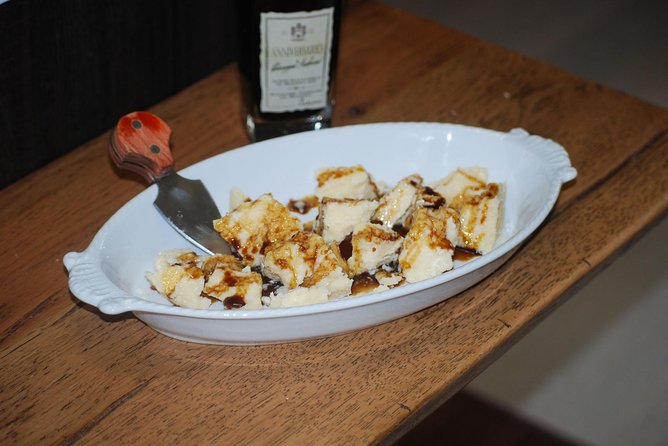
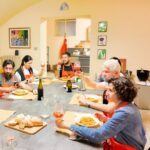
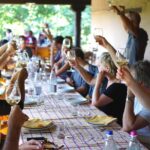
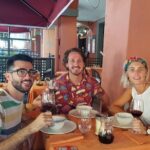
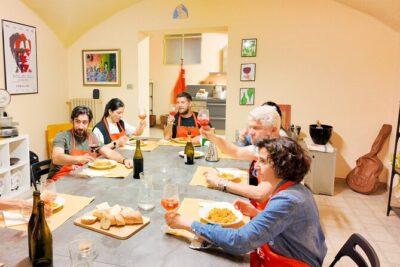
After about an hour of cooking, you sit down and enjoy what you made. Included with the meal are beverages, and the experience is described as often pairing the food with local wines.
This is one of the best parts for practical reasons: it removes the guesswork. You don’t have to decide where to eat, what to order, or whether you’re getting the real Bologna version. You already know what’s on the table because you helped make it.
It’s also where conversation happens. Pasta making is tactile and a little technical, so you tend to talk about process: flour, thickness, cooking timing, and why each shape behaves the way it does. You’ll usually learn faster in this setting because you’re not trying to memorize a lecture.
Some classes in home settings also include an outdoor patio or garden moment, but that part is not guaranteed. If you end up in that kind of setup, it will add a lot of atmosphere. If you don’t, you’ll still have the core experience: learning, making, and eating with your host.
And yes, there’s even a rumor that Pio may have a second passion: American swing dance. If it comes up, it’s a fun reminder that this is a person-centered experience, not a script.
Vegetarian, allergies, and the reality of home-kitchen cooking
If you’re vegetarian, there is an option available if you advise them at booking. If you have allergies or dietary restrictions, you should report them up front too. Home cooking can be flexible, but only if the host knows what to change.
Since the menu can vary by season, your safest move is to share your needs early and be clear about what you can and can’t eat. That way, you’re not hoping for a solution mid-class when the pasta is already being prepared.
Also, because it’s a private class, your group’s needs matter more than typical shared tours. That’s a quiet advantage: fewer people to account for usually means more attention to details.
How much is it really worth at $164 for 4 hours?
At $164 per person for about 4 hours, you’re paying for more than a cooking lesson. You’re paying for a private, host-led experience that includes:
- the pasta class and meal together
- beverages (with local wines mentioned)
- all taxes, fees, and handling charges
- gratuities included
So the value equation looks different than a basic “cook with others” class. Here, you get individualized instruction plus the full dinner outcome. You also skip the overhead of commercial venues and the markup that comes with eating out.
The only cost you don’t see in the price is getting yourself to Via di Corticella, since there’s no hotel pickup. But if you’re already navigating Bologna by transit or short rides, this is often manageable.
I think this price makes the most sense if:
- you want real technique, not a quick gimmick
- you prefer small-group or private interaction
- you’d rather learn and eat in one smooth block than schedule two separate things (a class plus dinner)
If you’re mainly hunting for a cheap meal, this is probably not the best use of your budget. But if you’re trying to add something distinctly Bologna and distinctly hands-on, it’s a fair deal.
Who this pasta class suits best (and who might want something else)
This class is ideal for you if you want an experience that feels like Italian culture, not just Italian food. The lesson format—roll, cut, cook, then eat—gives you a repeatable skill. It also creates an easy story to share later: you didn’t just taste Bologna. You made it.
It’s especially good for couples and friends because the private setup keeps it relaxed. If one person is confident and the other is brand new, the lesson structure can still work well, since coaching is done with your group in mind.
You might consider a different option if:
- you hate hands-on cooking and want only sightseeing
- you need a very scheduled, step-by-step “see this monument, then that” style
- you’re unwilling to travel to the meeting point without pickup
Should you book with Pio? My practical yes-or-no
Book this class if your goal is simple: learn fresh pasta technique in Bologna and eat a real dinner afterward, with a host who shares the craft behind the plate.
Skip it if your main priority is saving money or if you want a purely passive experience. This is hands-on by design, and it rewards you when you show up ready to work the dough.
If you decide to go, my best advice is to treat it like a workshop. Come hungry, ask questions, and don’t worry about being perfect. Pasta is forgiving while you’re learning, and the end meal is proof that the process matters more than the pressure to look good doing it.
FAQ
What’s included in the class and meal?
The experience includes a private cooking class plus meal with Pio, beverages, and all taxes, fees, and handling charges. Gratuities are included as well.
How long does the experience last?
The duration is about 4 hours (approx.), including time to cook together and then sit down to enjoy the meal.
Where do I meet, and is pickup provided?
You meet at Via di Corticella, Bologna BO, Italy, and the activity ends back at the meeting point. Hotel pickup and drop-off are not included.
What pasta will we make?
You’ll learn to make fresh pasta such as tagliatelle to tortellini or passatelli, but the exact menu can vary depending on the season.
Are vegetarian options available?
Yes. A vegetarian option is available, and you should advise them at booking if you need it.
Can the host accommodate allergies or dietary restrictions?
Yes, but you must advise at the time of booking if anyone has allergies, dietary restrictions, or cooking preferences.
Is the tour private?
Yes. It’s private and personalized, with only your group participating. It’s also near public transportation, and service animals are allowed.
More Bologna Pasta Classes
More Bologna Pasta and Cooking Classes
More Tour Reviews in Bologna
After something different? More ways to fill a day in Bologna and across Emilia-Romagna



Bologna Pasta-Making & Cooking Classes, compared.
 ★ 5.0Bologna Local Pasta Cooking Class, Ragu, Spritz, Wine & GelatoFrom $59527 reviews
 ★ 5.0Pastamama, Home Cooking Classes at Grace’s HomeFrom $114521 reviews
 ★ 5.0Pasta and Tiramisu Small Group Cooking Class with WineFrom $71409 reviews
 ★ 4.9Pasta Tagliatelle Ragu Cooking Class with SpritzFrom $79407 reviews
 ★ 5.0Bologna on the plate, Cooking Class with AlessiaFrom $89260 reviews
 ★ 4.7Pasta Tagliatelle al Ragu Cooking Class with WineFrom $70225 reviews
 ★ 5.0Cesarine: Small group Pasta and Tiramisu class in BolognaFrom $163172 reviews
 ★ 4.5Authentic Bologna Home Cooking Class: Tagliatelle & TortelliniFrom $78136 reviews
Browse the lists this tour appears in