
Reviewed · BOLOGNA FOOD TOURS & THE QUADRILATERO MARKET
Small Group Market tour and Cooking class in Modena
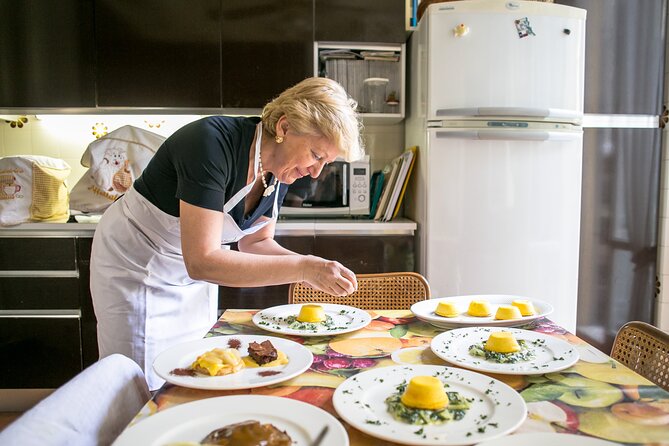
Hands-on pasta starts at the Modena market. This 5-hour small-group class is built around a market ingredient run and a real home-kitchen lesson where you learn pasta skills and finish with tiramisu.
I like that it keeps things friendly and practical (max 12 people), so you actually get time to work, ask questions, and eat what you make. One thing to consider: the meeting location in the city center can be a little confusing at first, so double-check where your host will be waiting and be ready for an active lesson that is more hands-on than show-and-tell.
In This Review
- Key highlights you’ll feel right away
- Why Modena’s home-cook market tour works
- One realistic note
- Meeting point basics: how to avoid a Duomo-area headache
- Market shopping in Modena: cheeses, vegetables, and balsamic ages
- Prosecco and nibbles before you touch the dough
- Handmade pasta lesson: dough, filling, and shaping that actually makes sense
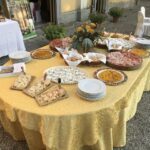
- Eating like you mean it: Lambrusco, bruschetta, and your table meal
- Tiramisu: the sweet finale you’ll want to repeat at home
- Price and value: is $179.41 per person worth it?
- Who should book this Modena class—and who might not love it
- Should you book it: my practical recommendation
- FAQ
- How long is the Modena small-group market tour and cooking class?
- What are the main items on the menu?
- Is the class offered in English?
- How big is the group?
- Where does the tour start and end?
- Is the meeting point near public transportation?
Key highlights you’ll feel right away
- Market-first format: you pick ingredients before the cooking starts, not after.
- Home-cook teaching style: clear steps and lots of attention to technique.
- Pasta skills with real structure: from dough to shaping (and resting time that matters).
- Tiramisu as a true finale: a dessert finish that you’ll actually want to replicate.
- Tasting culture built in: Prosecco and bites first, plus tastings like Parmigiano Reggiano and balsamic vinegar.
Why Modena’s home-cook market tour works
If you’ve ever taken a cooking class where you mostly stand and watch, this one feels different. The day starts in Modena’s food world, with a walk through the market to choose ingredients for your lesson. Then you move to a home kitchen where the process makes sense: you see what you bought, you prep with purpose, and you cook like someone who grew up doing it.
Two things stand out. First, the market part gives context. You’re not learning pasta in a vacuum—you’re learning it with the ingredients that local cooks rely on. Second, you get a small-group experience that stays personal. With a maximum of 12 people, it’s much easier to get individual help when dough gets sticky, your filling needs adjusting, or your timing slips. And yes, you should expect to get flour on your sleeves. It’s part of the deal.
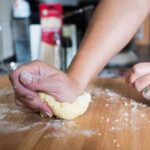
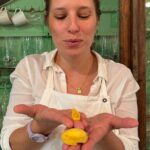
Back into the kitchen to roll tortellini and tagliatelle by hand.
One realistic note
This is hands-on cooking. If you’re hoping for a light, mostly-observational afternoon, plan for a more active experience. Also, while you will eat well, not every class version is built around making an appetizer. The focus is typically the pasta lesson and tiramisu finish.
Meeting point basics: how to avoid a Duomo-area headache
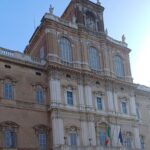
Your activity starts in Modena and ends back near the meeting point. Most sessions run as a coordinated walk from there, so being on time matters. One review noted a common frustration: the address guidance sent them to the Duomo plaza area without enough detail about where the host would meet the group. That’s the main thing to guard against.
Here’s how I’d handle it:
- Save the meeting-point details right after booking and review them again the day of.
- If your directions put you near the Duomo area, be ready to look for your host rather than wander expecting a big, obvious tour sign.
- Give yourself a little extra buffer time, since city-center meetups can be crowded even for short walks.
The good news: the meeting location is near public transportation, which makes it easier to get in and out without stress.
Market shopping in Modena: cheeses, vegetables, and balsamic ages
The market stop is where the experience starts feeling like local life instead of a scripted tourist activity. You’re not just buying random items. You’re learning what to look for and how local cooks think about flavor balance—especially around cheese and vinegars.
From the class experience, you should expect to cover things like:
- Vegetables and cheeses that may be unfamiliar if you usually buy packaged versions at home
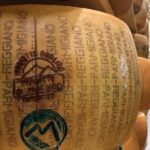
- Taste sessions that can include Parmigiano Reggiano
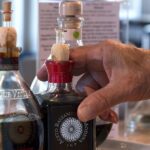
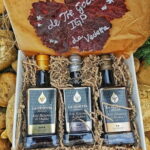
- Balsamic vinegar tastings, sometimes even comparing different ages (example given: 12-year and 25-year)
That age comparison matters more than it sounds. Older balsamic tends to be deeper and smoother, with a different sweetness and complexity. Once you taste it side-by-side, you start understanding why locals treat balsamic like more than a condiment.
You’ll also likely hear some context on Modena’s food culture as you walk—things like local cafés and pasticcerie history. It’s not heavy lecture. It’s the kind of story that helps you read the city while you’re there.
Tip: go hungry. Even with the tasting bites during the day, the market portion works best when you can actually appreciate what you’re selecting.
Prosecco and nibbles before you touch the dough
Before the serious pasta work begins, there’s a relaxed kickoff. Expect Prosecco and nibbles early on, and that’s not just for fun. It also gives you time to settle in, meet your host, and get comfortable with the pace of the afternoon.
This is also where language support matters. One class version included a translator and videographer support role (for example, Ilaria helping with communication), while other hosts used clear English with enthusiastic teaching. Either way, the goal is the same: you should be able to follow steps without feeling lost.
What I like about this setup is that it prevents the classic cooking-class problem: you jump straight into complicated instructions while everyone is still stressed about timing, tools, and where to stand. Here, you get a short buffer. Then you start cooking.
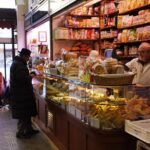
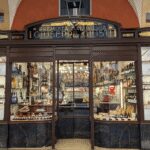
More tastings through the Quadrilatero and the old market stalls.

Handmade pasta lesson: dough, filling, and shaping that actually makes sense
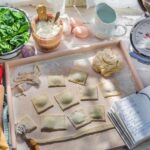
The heart of the class is the pasta lesson. The sample menu lists pasta, but the actual style can vary depending on the class version. One detailed version described learning tortelloni—a larger filled pasta—with a ricotta and spinach filling, plus guidance on forming the pasta properly.
Here’s what the lesson structure usually feels like:
- You mix or prep ingredients so you aren’t just watching.
- You get dough ready and learn why resting time matters.
- You assemble and shape the pasta, with your host correcting technique in real time.
- You cook and sauce in a way that lets you taste how the dish should come together.
Timing is a real skill here. Dough doesn’t behave the same way across kitchens or climates. The host’s instructions help you hit the right texture and consistency, and they’ll show you how to handle the filling so it doesn’t spill or become lumpy.
Also, expect a hands-on sauce component. One lesson version referenced an aged butter sauce prepared in the traditional way, and you’ll learn how to pair sauce with what you made.
Practical tip: wear sleeves you don’t mind getting a little messy. If you hate mess, bring a small towel. It sounds silly, but it keeps you comfortable and focused.
Eating like you mean it: Lambrusco, bruschetta, and your table meal
After the cooking, you sit down and eat what you made—plus a few extras that make the meal feel like part of an Italian home rhythm, not just “class ends, meal begins.”
Depending on the version, you may enjoy items like:
- Bruschetta
- Wine such as Lambrusco
- A spread that supports the main dish (and helps you pace the day)
In one detailed version, the experience included pairing the meal with wine and also tasting flavors like fresh fruit and cheese additions from the wider group. That’s the kind of bonus that makes the day feel generous.
Then there’s the comfort factor: pasta made by your own hands tastes better because you understand the steps behind it. You’re not just chewing food—you’re tasting decisions: texture of dough, seasoning balance, and how the sauce sticks to the pasta.
Tiramisu: the sweet finale you’ll want to repeat at home
The dessert portion is usually tiramisu, and it tends to be the “I can actually do this later” part of the day. You’ll follow steps in a guided way, and you’ll end with a finished dessert you can share.
Even when the pasta is the headline, tiramisu is what many people remember because it’s approachable. The best part is that you can take the technique home and apply it without needing a full pasta-making setup.
Recipe support helps too. Many sessions provide recipes printed for you (and in at least one experience, digital photos/videos and recipes were shared after the class). That means you’re not relying only on memory. Pasta you make at home is one thing; pasta you make correctly a week later is another.
Tip: take a quick photo of your final setup and ingredients before you start, just to jog your memory later.
Price and value: is $179.41 per person worth it?
At $179.41 per person for about 5 hours, you’re paying for more than ingredients. You’re paying for:
- a host’s time and instruction in a real home setting
- market guidance (and tasting time)
- hands-on pasta teaching (usually the most labor-intensive part)
- a meal where the food is connected to what you cooked
Is it cheap? No. Is it good value compared with typical cooking classes that don’t include a market stop and don’t feel personal? Often, yes. The market-first approach and the small-group size are the value levers.
Also, the lesson isn’t rushed. A full afternoon format gives you time for dough, tasting, and sitting down to eat. That’s a big deal when you’re paying for an experience rather than just a snack.
One more value angle: with free cancellation available up to 24 hours before the start time, it’s easier to keep flexibility while your trip schedule is still changing.
Who should book this Modena class—and who might not love it
This class is best for you if:
- you want a real home-cook experience instead of a studio demo
- you like hands-on cooking and don’t mind getting a little flour on your clothes
- you enjoy regional foods and want to learn what to buy at the market
It may be less ideal if:
- you’re looking for a relaxed, mostly sightseeing afternoon
- you need a fully predictable menu beyond pasta + tiramisu (the pasta shape and side details can vary by class version)
- you get stressed by city-center meetups and vague address instructions—plan extra time and double-check where to meet
Language-wise, the class is offered in English, and support can be provided by translators depending on the host team. You should be able to follow along.
Should you book it: my practical recommendation
Book this if you want a Modena afternoon that connects food, place, and technique. The market stop plus the home-kitchen teaching is the combo that makes it feel authentic and memorable. If you like learning by doing—rolling, shaping, tasting, then eating immediately—this fits.
Skip it if your goal is purely sightseeing or if you want zero hands-on work. And if you’re the type who hates confusion, show up early and confirm where your host will meet you near the city center.
Bottom line: for $179.41, you’re paying for a small-group cooking lesson with market context, wine, and a real meal that ends with tiramisu. That’s a lot of value in one afternoon—especially if pasta and dessert are your happy places.
FAQ
How long is the Modena small-group market tour and cooking class?
It lasts about 5 hours.
What are the main items on the menu?
The sample menu includes pasta and tiramisu.
Is the class offered in English?
Yes, it is offered in English.
How big is the group?
The group size has a maximum of 12 travelers.
Where does the tour start and end?
It starts in Modena, Province of Modena, Italy, and ends back at the meeting point.
Is the meeting point near public transportation?
Yes, it is near public transportation.
More Bologna Food Tours and Market Walks
More Bologna Pasta and Cooking Classes
More Tour Reviews in Modena

After something different? More ways to fill a day in Bologna and across Emilia-Romagna

Bologna Food Tours & the Quadrilatero Market, compared.
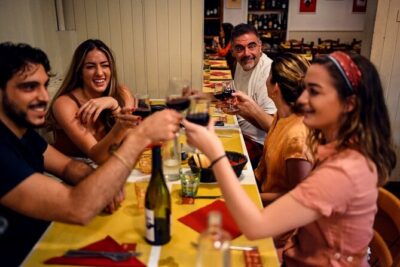 ★ 5.0Bologna Food & Market Tour with 6 Tastings, Pasta, Wines & MoreFrom $1181,328 reviews
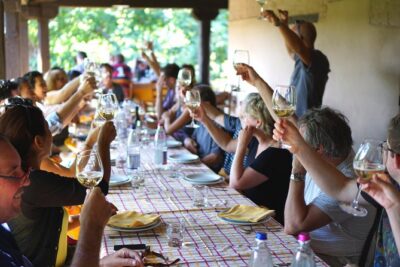 ★ 5.0Bologna Food Experience: Factory tours & Family-Style LunchFrom $2161,201 reviews
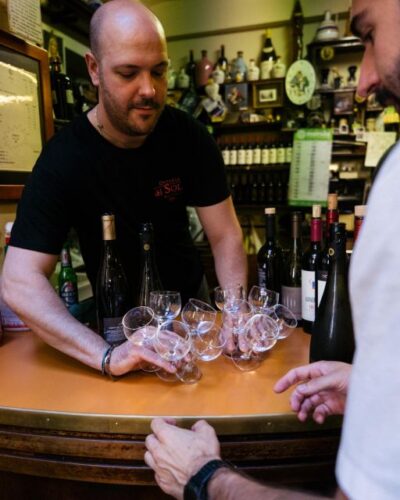 ★ 4.8Walking Food Tour with a Local GuideFrom $90882 reviews
 ★ 5.0Bologna Food Tour from a local perspectiveFrom $133860 reviews
 ★ 5.0Bologna gastronomic experience with a localFrom $95626 reviews
 ★ 5.0Private Half Day Parma Food Walking TourFrom $134561 reviews
 ★ 3.7Open Bus City Tour and Local Food TastingFrom $46550 reviews
 ★ 5.0Full meal Food Tour with Local Delights by Do Eat BetterFrom $81541 reviews
Browse the lists this tour appears in