
Reviewed · BOLOGNA PASTA-MAKING & COOKING CLASSES
Modena: Home Cooking Class Tagliatelle and Ragu and Tiramisu
Pasta night turns into Modena magic. You’ll love the hands-on pasta skills you build step by step, and you’ll finish with a real meal of antipasto and tiramisu paired with Italian wine. One thing to consider: this is a cozy home setting in a small group, so it’s not the place to expect a big, high-end showroom vibe.
You meet up near Modena’s historic center and then head to the chef’s home with your hosts, who speak English and Italian. The class stays focused, friendly, and practical, capped at just 8 participants, so you get actual help shaping pasta, not just watching from the sidelines.
In This Review
- Key Points Worth Knowing Before You Go
- A 3-Hour Pasta Lesson in Modena’s Historic Area
- Where You Meet: Via Emilia Est 163 and a Short Walk Into Local Life
- Learning Tagliatelle the Old-Fashioned Way (With Real Coaching)
- Ricotta Tortelloni Shaping: The Part That Makes You Feel Like a Cook
- The Full Meal: Local Antipasto, Two Pasta Courses, Wine Tasting, Coffee
- Dessert Is Not an Afterthought: Making Tiramisu
- Your Hosts: Friendly Energy, Clear Help, and Atmosphere
- Price and Value: What $123.48 Per Person Actually Buys
- Who This Class Fits Best (And Who Might Want Something Else)
- Practical Tips to Get the Most Out of Your Pasta-Making Session
- Should You Book This Modena Cooking Class?
- FAQ
- How long is the Modena home cooking class?
- How many people are in the group?
- What pasta will I learn to make?
- Is antipasto included?
- Is wine tasting part of the experience?
- What languages do the hosts speak?
- Where do we meet?
- Do we get recipes?
- What’s the cancellation and booking flexibility?
Key Points Worth Knowing Before You Go
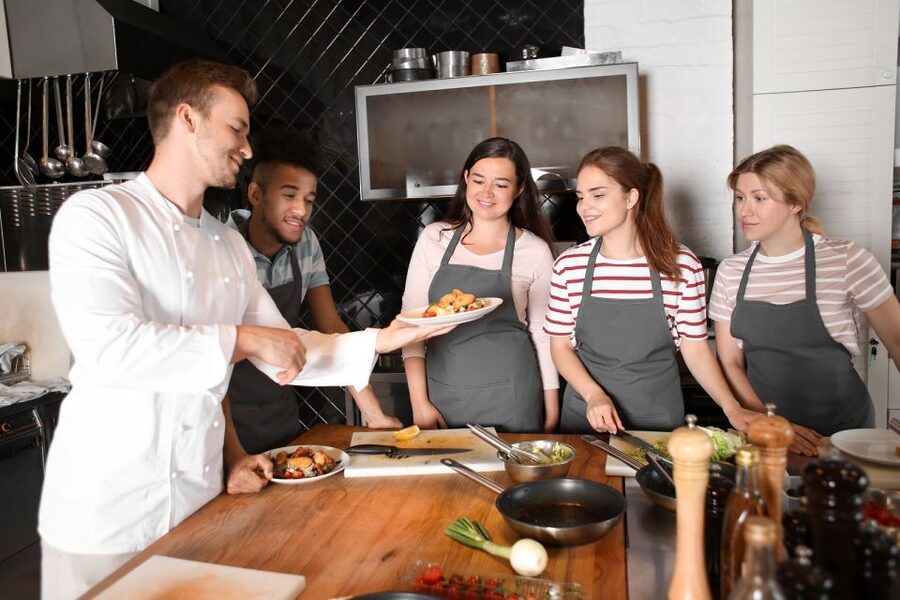
- Small-group teaching (up to 8) so you can get corrected quickly as you roll and shape
- Tagliatelle + ricotta tortelloni are the main focus, with classic technique taught through doing
- A full sit-down meal: local antipasto, the pasta courses, dessert, and coffee
- Italian wine tasting included with your meal, not as a separate add-on
- Recipes shared so you can recreate the dishes at home (or at least try without fear)
A 3-Hour Pasta Lesson in Modena’s Historic Area
If you want food that feels personal, this is the kind of experience that fits. In about three hours, you’ll go from raw ingredients to shaped pasta on your own hands, then sit down and eat what you made. It’s not a rushed tasting tour. It’s closer to joining a real kitchen rhythm—work, laugh, taste, adjust, repeat.
Modena sits in Emilia-Romagna, and the food culture here is practical and serious about texture. That shows in the class focus: rolling, filling, and shaping are taught in a way you can bring home. You’ll get the why behind the steps, not just a list of actions.
The best part is the payoff: you’re not studying pasta like a museum exhibit. You’re making it, and then you’re eating it with coffee and wine. For most people, that turns a cooking class into a core memory.
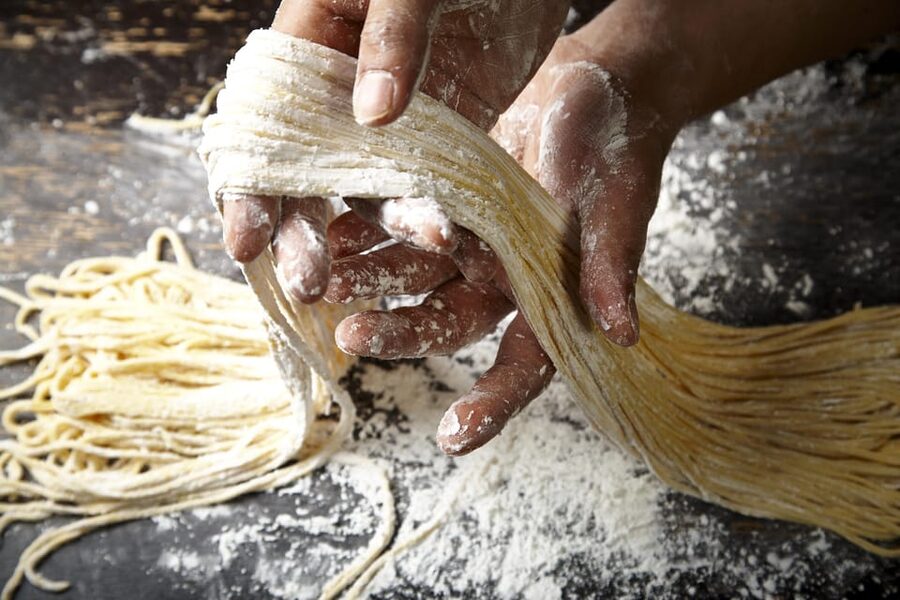
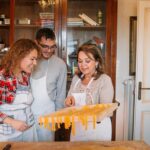
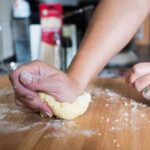
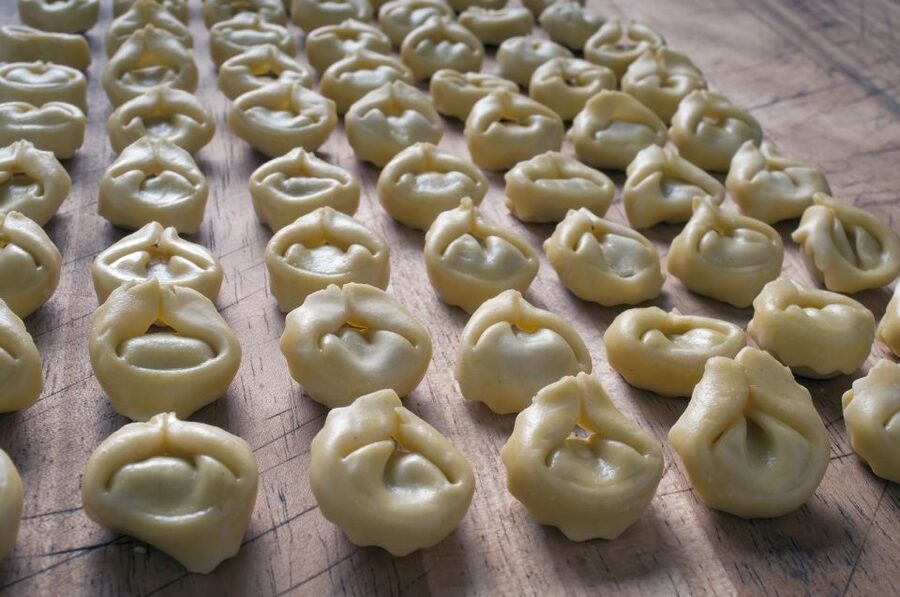
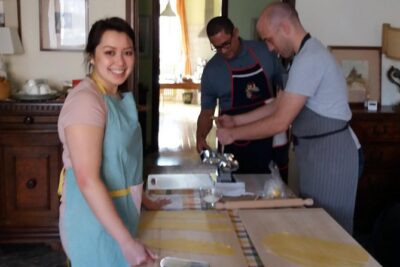
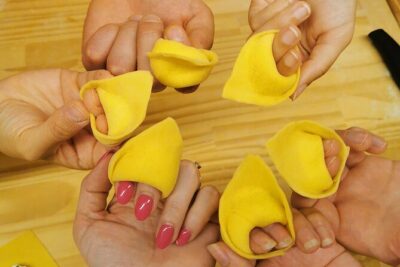
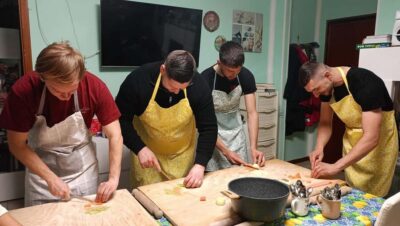
Back into the kitchen to roll tortellini and tagliatelle by hand.
Where You Meet: Via Emilia Est 163 and a Short Walk Into Local Life
Your experience starts at Via Emilia Est 163, buzz Nicolini. From there, the plan is simple: meet your chef near the historic center and then walk through Modena’s streets to the chef’s home.
That short stroll matters more than it sounds. It’s one of those small details that helps you stop thinking like a tourist and start thinking like a guest. You’re moving through the part of town you’ll actually want to remember, and you’re doing it right at the start, when everyone is still fresh and ready to cook.
Also, you’re not being shuffled between locations all day. The activity begins at that meeting point and ends back there. That makes the schedule easier on your feet and your planning.
Learning Tagliatelle the Old-Fashioned Way (With Real Coaching)
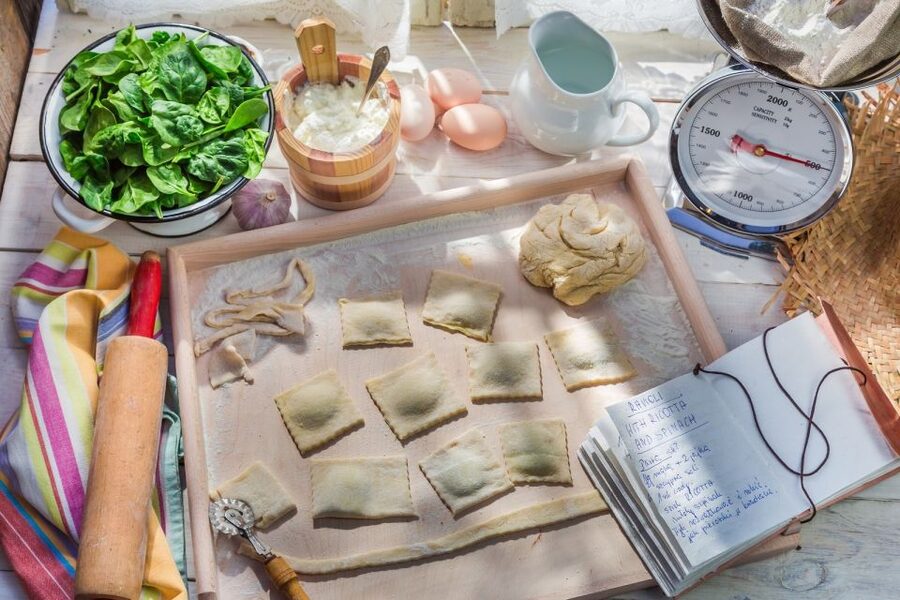
The heart of the class is fresh pasta technique—the kind you can’t speed up with shortcuts. You’ll learn rolling, filling, and shaping using traditional Emilia-Romagna methods, then apply them as you make the dough and form your pasta.
For tagliatelle, the goal is consistency. Good tagliatelle isn’t only about cutting strips. It’s about dough texture and thickness, because that’s what controls how the pasta holds sauce. In a class like this, you’re usually guided on how the dough should feel as you work it, then you test it by shaping.
You’ll also get help adjusting what you’re doing as you go. Since the group is capped at 8, the hosts can actually see what you’re making and offer corrections. That’s a big difference between a hands-on class and a hands-on class-with-a-humongous-line.
Expect an upbeat teaching style too. The hosts for this class are known for being warm and energetic, with clear guidance that keeps things comfortable even if you’ve never made pasta before.
Ricotta Tortelloni Shaping: The Part That Makes You Feel Like a Cook
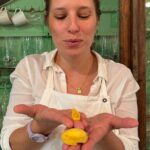
Next comes ricotta tortelloni. This is where hands-on training really pays off, because filling and shaping require patience and a bit of muscle memory. The technique is still accessible, but it does ask you to slow down and focus.
You’ll follow the chef’s direction for filling and forming, then you’ll handle the shaping yourself. When you get it right, you’ll notice it instantly: the pasta holds its shape, and the filling stays where it belongs.
This is also the moment where you’ll appreciate the class size. Working with one or two people around you is fine. Working with eight means you still have space, but you also get a lively room. It helps the experience feel like a shared table instead of a kitchen workshop where everyone is doing their own thing.
And yes, the results matter. The whole point is that your tortelloni becomes dinner, not just a craft project you feel guilty about taking home.
The Full Meal: Local Antipasto, Two Pasta Courses, Wine Tasting, Coffee
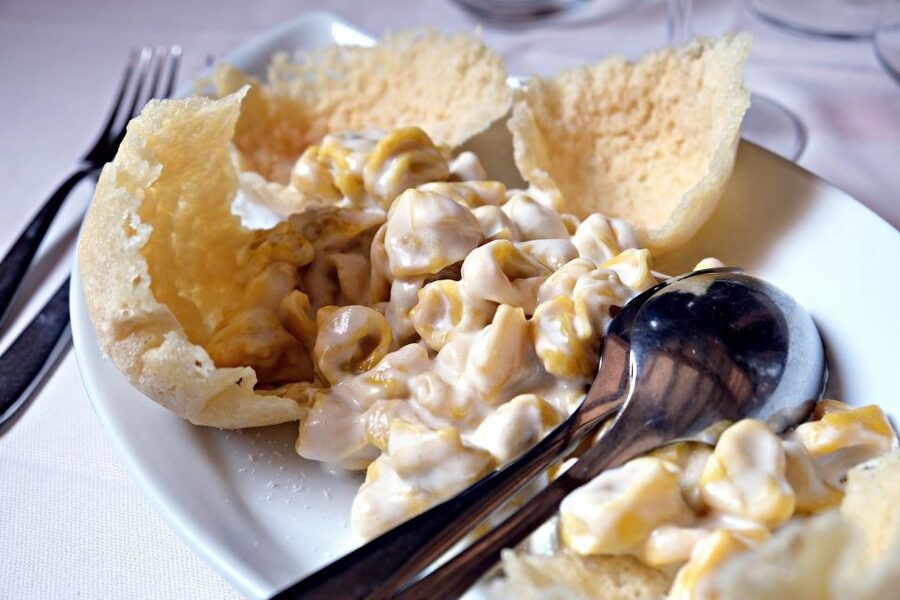
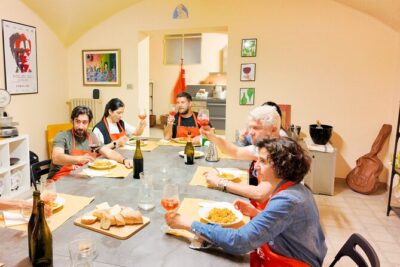
Once the pasta is ready, the class turns into dinner mode. You sit down with fellow food lovers and enjoy a meal that includes local antipasto, two pasta courses of fresh pasta, dessert, and coffee.
The antipasto step is valuable because it anchors you in the region’s flavors before you taste your own work. It’s one of the easiest ways to understand why the pasta matters here. Emilia-Romagna tends to balance comfort with technique, and the antipasto gives you that context fast.
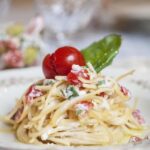
Then comes the main event: the pasta courses you made. Eating the food you shaped is the fastest way to learn. You can taste dough thickness, how the pasta holds sauce, and how the filling flavor comes through.
Between courses (or alongside dinner depending on the flow), you also get wine tasting with fine Italian wine. This isn’t presented as a wine seminar. It’s part of the table experience, so you can enjoy it without feeling like you need to study a glossary.
Coffee rounds it out, which is exactly what you want after an active kitchen session. It feels like finishing a real Italian meal.
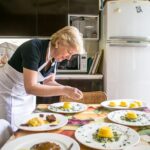
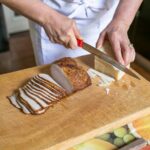
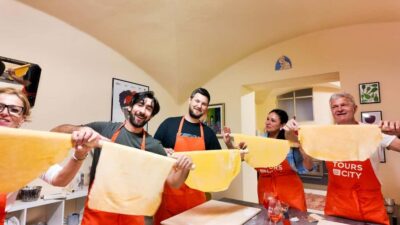
More hands-on afternoons in Emilia kitchens.
Dessert Is Not an Afterthought: Making Tiramisu
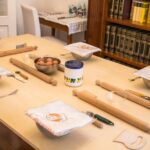
Dessert is built into the same rhythm as the pasta. You’ll whip up tiramisù as part of the class, guided by the hostess/chef.
Tiramisu is one of those desserts that can be tricky if you treat it like just another sweet. The class setting helps because you’re learning how to assemble and time it properly, with coaching so the final texture feels right. And since it’s included in the course, it’s not a “quick taste” situation. You’re meant to enjoy it as dessert, full stop.
If you’ve ever had tiramisù that tasted like it had been assembled in a hurry, you’ll understand the difference once you make it yourself. The satisfaction here comes from knowing you can repeat it.
Your Hosts: Friendly Energy, Clear Help, and Atmosphere
One of the most praised parts of this experience is the way the hosts teach. Several people describe their hosts—names like Iliara, Maria, Luisa, and Ilaria—as welcoming, friendly, and full of energy. The class environment seems relaxed, even playful, with laughter during the session.
That matters because pasta-making can feel intimidating at first. If the tone is strict or silent, you’ll rush and you’ll second-guess every step. When the teaching style is supportive, you learn faster and you enjoy the process.
So go in with the right mindset: you’re there to learn, not to perform. The best outcome is that you leave with both skills and confidence.
Price and Value: What $123.48 Per Person Actually Buys
At $123.48 per person for a three-hour experience, you’re paying for something you can’t recreate by buying ingredients at a store.
You’re getting:
- A small-group, hands-on cooking lesson (up to 8 participants)
- Antipasto of local products
- Two courses of fresh pasta
- Dessert (tiramisu)
- Wine tasting
- English/Italian hosting and recipe sharing
That makes the price easier to justify. A lot of cooking classes either focus on the food and skip the wine/meal, or they focus on the meal and treat the cooking like a demo. Here, you get the full arc: prep, cook, sit down, and taste. For many visitors, that’s what turns the cost into value.
Also, the group size keeps costs controlled without sacrificing attention. You’re not paying more for a crowd you can barely see over.
If you like practical travel experiences—things where you return home with a skill you can use—this is the kind of class that tends to feel worth it.
Who This Class Fits Best (And Who Might Want Something Else)
This cooking class is a great match if you:
- Want real technique, not just a food stop
- Like interactive experiences with a small group
- Enjoy Italian food enough that a meal is part of the point, not an extra
- Plan to cook at home and want the recipes and structure
You might want to choose something different if you:
- Prefer large-group attractions with constant sightseeing and variety
- Don’t like home-kitchen settings or small-room logistics
- Want a class with zero wine or zero alcohol-related pacing (wine tasting is included)
But if you’re open to a cozy, social kitchen evening and you enjoy learning by doing, this one makes a lot of sense.
Practical Tips to Get the Most Out of Your Pasta-Making Session
Here are a few things that can help you enjoy it more and take better memories home:
- Wear something comfortable. You’ll be working with dough and you may get flour on your hands.
- Go in hungry, but pace yourself once antipasto arrives. The meal comes after the cooking, and you’ll want room for everything.
- Watch how the dough feels as you roll. Texture is the secret, not speed.
- Take notes on what the hosts emphasize. Even if the recipe is shared, the little “feel” cues are what you’ll remember later.
- Ask questions when you’re unsure about shaping. With a small group, your questions matter.
Also, bring your best curiosity. The hosts are there to teach, and the atmosphere is warm. You’ll get more out of it when you treat it like a shared table rather than a test.
Should You Book This Modena Cooking Class?
If you’re choosing between a quick food tour and a hands-on class, I’d steer you toward this one. The big reasons: you’re learning classic tagliatelle and ricotta tortelloni techniques, you finish with a full meal including wine tasting and coffee, and you leave with recipes to recreate the dishes.
Booking is especially smart if you:
- Want one standout experience in Modena that feels genuinely local
- Enjoy Italian cooking enough to want the skill, not just the taste
- Like small groups where you can actually get help
If you’re short on time, remember it’s three hours and centered around a home-kitchen flow. But if you can fit it in, this class is the kind of practical, enjoyable experience you’ll remember when you’re making pasta at home weeks later.
FAQ
How long is the Modena home cooking class?
It lasts 3 hours.
How many people are in the group?
The class is a small group limited to 8 participants.
What pasta will I learn to make?
You’ll make traditional tagliatelle and ricotta tortelloni, with tiramisù included as dessert.
Is antipasto included?
Yes. You’ll have antipasto of local products.
Is wine tasting part of the experience?
Yes. Wine tasting is included, paired with your meal.
What languages do the hosts speak?
English and Italian.
Where do we meet?
The meeting point is Via Emilia Est 163 buzz Nicolini, and the activity ends back at the meeting point.
Do we get recipes?
Yes. The hostess will share all recipes you will do.
What’s the cancellation and booking flexibility?
You get free cancellation up to 24 hours in advance for a full refund, and you can reserve now and pay later.
More Bologna Workshops
More Bologna Pasta and Cooking Classes
More Tour Reviews in Modena

After something different? More ways to fill a day in Bologna and across Emilia-Romagna



Bologna Pasta-Making & Cooking Classes, compared.
 ★ 5.0Bologna Local Pasta Cooking Class, Ragu, Spritz, Wine & GelatoFrom $59527 reviews
 ★ 5.0Pastamama, Home Cooking Classes at Grace’s HomeFrom $114521 reviews
 ★ 5.0Pasta and Tiramisu Small Group Cooking Class with WineFrom $71409 reviews
 ★ 4.9Pasta Tagliatelle Ragu Cooking Class with SpritzFrom $79407 reviews
 ★ 5.0Bologna on the plate, Cooking Class with AlessiaFrom $89260 reviews
 ★ 4.7Pasta Tagliatelle al Ragu Cooking Class with WineFrom $70225 reviews
 ★ 5.0Cesarine: Small group Pasta and Tiramisu class in BolognaFrom $163172 reviews
 ★ 4.5Authentic Bologna Home Cooking Class: Tagliatelle & TortelliniFrom $78136 reviews
Browse the lists this tour appears in