
Reviewed · BOLOGNA PASTA-MAKING & COOKING CLASSES
Cesarine: Small group Pasta and Tiramisu class in Modena
Pasta dough and family recipes.
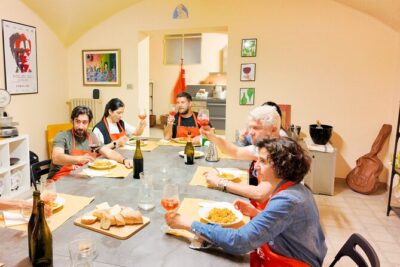
That’s the feel of this small-group Cesarine class: you learn hands-on in a local home, then eat what you made. Two things I really love are the capped size (max 12, so you’re not lost in a crowd) and the way the evening mixes cooking skills with Modena home life.
The one thing to consider is that the menu includes tiramisu, which some people flag as not strictly Modena-specific. If you’re aiming for very region-only tradition, ask what’s most local in your particular session before you go all-in on the concept.
In This Review
- Key takeaways before you book
- A 3-Hour Modena Home Cooking Session: Pasta, Tiramisu, and Real Technique
- What Happens in the Kitchen: You Cook, You Eat, You Ask Questions
- Aperitivo Before the Meal: Why the Start Matters
- Lunch or Dinner Choice: Picking the Right Time Slot
- Meet the Cesarine: Family-Style Teaching in Real Homes
- Modena-Style Details at the Table: Wine, Coffee, and a Culture Lesson
- Price and Value: Is $162 Worth It?
- Practicalities in Modena: Mobile Ticket, Transport Access, and Safety
- Who Should Book This Cesarine Class (and Who Might Skip It)
- Should You Book This Pasta and Tiramisu Class in Modena?
- FAQ
- How long is the Cesarine Pasta and Tiramisu class in Modena?
- What will I learn to make?
- Is the class offered in English?
- Is the group size small?
- What is included with the meal?
- Where does it take place?
- What health and safety measures should I expect?
Key takeaways before you book
- Max 12 people means more attention while you shape pasta and ask questions.
- You’ll make two pasta dishes plus tiramisu, not just watch from a distance.
- Aperitivo comes first, paired with water and wine, so the meal has a proper Italian start.
- English is available, though some Cesarine may rely more on practical teaching than fluent conversation.
- Local home setting turns the class into a real neighborhood dinner, not a studio demo.
- Sanitary supplies are provided, with distance and mask/glove guidance if needed.
A 3-Hour Modena Home Cooking Session: Pasta, Tiramisu, and Real Technique
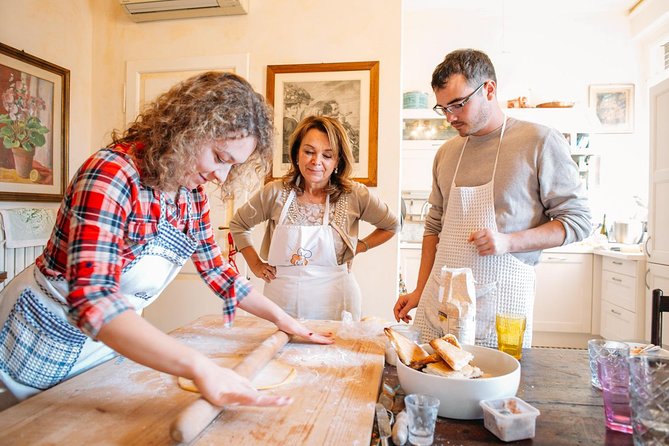
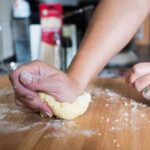
This class is built for people who want more than a recipe. In about 3 hours, you’ll work with dough, learn how to shape pasta, and finish with tiramisu. The style is hands-on from the first minutes, so you’ll be dusting your hands with flour while your Cesarine guides you step by step.
The pasta part is the main event, and the training is practical. You’ll learn how the dough should feel, how to handle it without overworking it, and how the shapes hold together. Depending on your group and host, the exact pasta types can vary, but you can expect classic Modena forms and techniques.
Tiramisu is the dessert anchor. One note: if you’re the type who cares intensely about what’s truly local to Modena, you might want to check how your host frames it. There’s at least one caution out there about tiramisu not being treated as a Modena-only dish and needing more time to prepare traditionally—but in this class it’s presented as part of the experience, not as a slow, multi-day project.
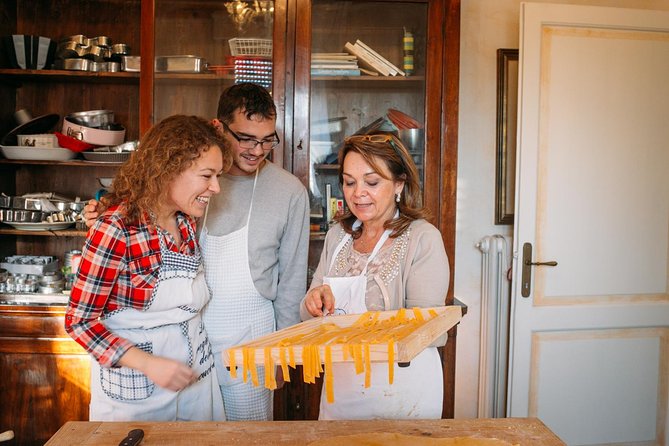
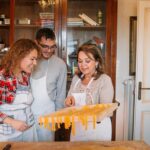
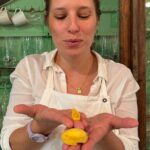
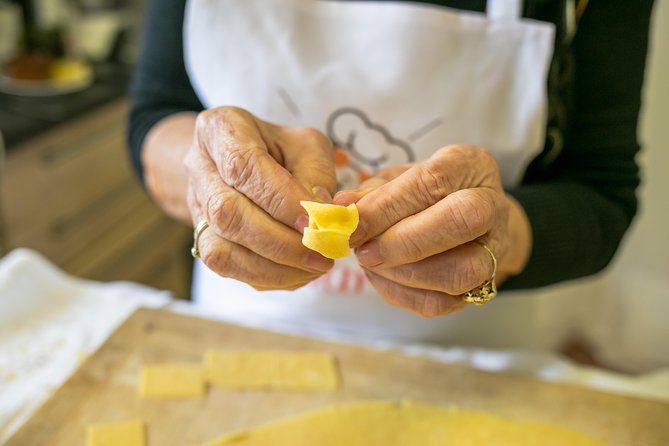
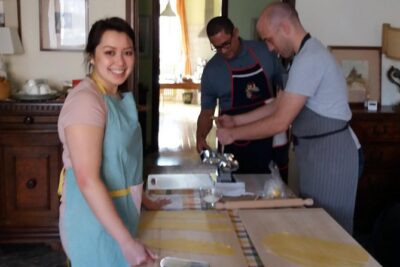
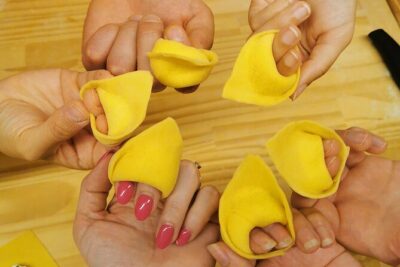
Back into the kitchen to roll tortellini and tagliatelle by hand.
What Happens in the Kitchen: You Cook, You Eat, You Ask Questions
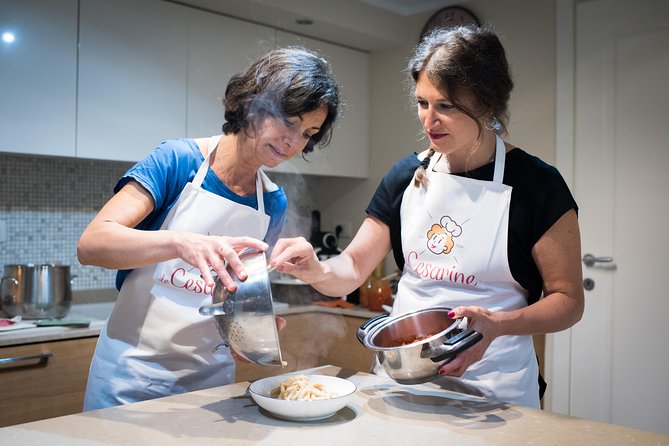
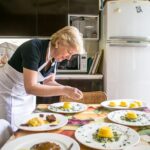
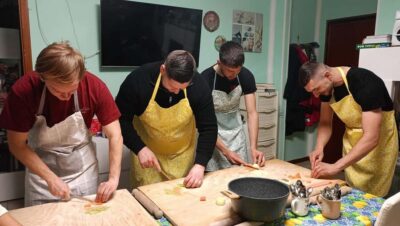
The format is straightforward: your Cesarine welcomes you, sets up the home kitchen, then walks you through making two pasta dishes and the dessert. You’re not just tasting along the way—you’re actively building the meal from scratch. That’s where a class like this wins. You come away knowing what to do next time you’re back home, even if you don’t replicate every detail perfectly.
In the kitchen, pay attention to the small things. A good teacher doesn’t just say add flour or roll thinner. They explain the feel—how the dough changes when it’s right, what “firm” means in practice, and how much pressure to use when shaping. Several home cooks teaching in this format emphasize the craft side: getting the texture right and learning the Modenese approach to comfort food.
You’ll also see how pasta work ties into Italian everyday life. One host—Maria Luisa—was specifically described as teaching tortellini with a friendly, hands-on method. Another home cook, Angela, leaned into both technique and Italian culture while you worked. Even when English is limited, you often still get what you need because pasta technique is visual and tactile. You might find that using your Italian basics (even just a few words) makes the interaction warmer.
Aperitivo Before the Meal: Why the Start Matters
Don’t treat the aperitivo like a snack you rush through. In this experience, it sets the tone and helps you settle into the rhythm of a real Italian meal. You’ll have water, wine, and coffee with it, so your evening isn’t all instruction and then food at the end.
There’s often a chance you’ll run into Modena’s signature sparkle—lambrusco—during the aperitivo. One person highlighted getting reacquainted with lambrusco in a Modena context, and that’s a smart reminder: this is not just cooking, it’s tasting the local identity around it.
Value-wise, this matters. Many cooking classes give you a small sample and call it done. Here, the aperitivo is part of the shared meal experience, so you’re paying for a full evening of food culture, not a short demo.
Lunch or Dinner Choice: Picking the Right Time Slot
This class offers a choice of lunch or dinner options. That sounds simple, but it changes the whole pacing of your day in Modena. A lunch session can be a great reset if you’ve been walking around town in the morning and want something hands-on before you hit evening plans. A dinner session is a stronger option if you want a slower pace and like the idea of starting with aperitivo and ending with coffee.
Since the duration is about 3 hours, plan to treat this as a centerpiece experience. If you book lunch, you’ll likely want an easy afternoon afterward. If you book dinner, you can usually plan a lighter late-night walk rather than stacking more major activities.
If you have strong preferences—like avoiding late evenings or wanting to taste wine at a certain point—choose the slot that matches your energy. The class is designed to feel like a home meal, and homes run on human schedules, not tourist schedules.
Meet the Cesarine: Family-Style Teaching in Real Homes
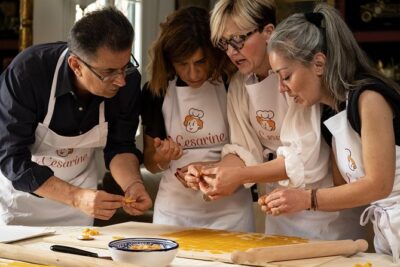
The Cesarine model is the key difference. Instead of a commercial kitchen, you’re in a selected local home with a host who shares family techniques and stories. The vibe tends to be warm and personal, with people describing a feeling of being treated like family after only a short time.
Names that come up in this format include Ilaria and Maria Luisa (described as sisters), Angela (kind and helpful), Alena (hospitable and story-focused), and Raffaela (welcoming in her apartment). Even if each host brings their own style, the common thread is clear: you’re learning in a family way, with attention paid to small details.
That matters for your learning. When a home cook explains the “why” behind technique, you start to understand the ingredients as more than steps. You’re not copying a recipe like a photocopy. You’re practicing a method that makes sense in a kitchen that feels lived-in.
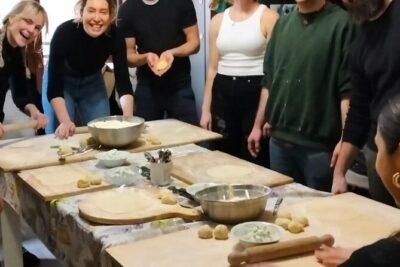
More hands-on afternoons in Emilia kitchens.
Modena-Style Details at the Table: Wine, Coffee, and a Culture Lesson
In Modena, the food experience isn’t only about taste. It’s about how you talk, when you eat, and how wine and coffee fit the rhythm. This class leans into that. You’ll have water and wine with aperitivo, and coffee appears as part of the final table experience.
You may also notice that teaching here isn’t just technical. Some hosts tie cooking to everyday Italian culture and local ways of living. That’s why people come away saying they learned more than recipes—they absorbed a sense of how Modenese home cooking fits into real life.
If you’re the type who likes to ask questions, this is the time. Ask what makes their pasta special. Ask how they serve it. Ask what they pair with it. Even when English is limited, you’ll likely get what you need through friendly gestures and shared food language.
Price and Value: Is $162 Worth It?
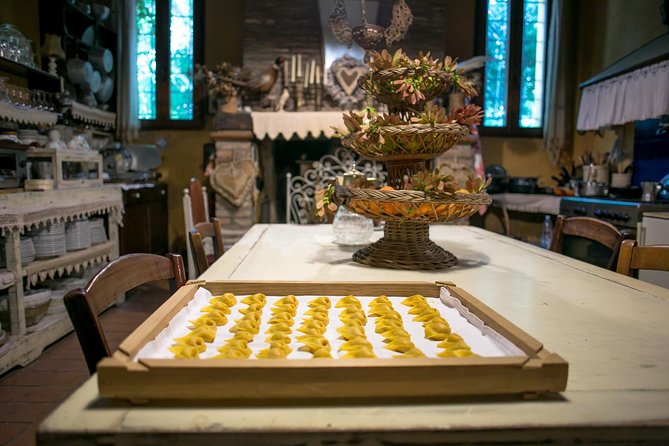
At $162.03 per person, this is not a budget workshop. But it’s also not a bare-bones activity. The value comes from three big things you get together:
First, the format is small-group with a hard cap at 12. That kind of attention costs money, and it’s the difference between getting a quick look at pasta and actually making it.
Second, your ticket includes not just instruction but aperitivo plus drinks and coffee. You’re eating what you helped create, and that’s a large part of what you’re paying for.
Third, you’re learning in a local home, with a Cesarine who shares family method and story. Cooking classes in anonymous spaces can be fun. Home-based teaching is usually where you pick up the practical “feel” for the food.
If your goal is social sightseeing, this might not be the best match. If your goal is hands-on Italian food culture and you like eating well, the price starts to make sense quickly.
Practicalities in Modena: Mobile Ticket, Transport Access, and Safety
Meeting point is in Modena, and the activity ends back at the meeting point. It’s described as near public transportation, so you should be able to reach it without turning your day into a taxi hunt.
You’ll receive a mobile ticket, and confirmation happens at the time of booking. That reduces the usual last-minute stress.
On the health and safety side, the home provides essential sanitizing items like paper towels and hand sanitizing gel. You’re also asked to keep a distance of 1 meter when possible, and to wear masks and gloves if you can’t maintain that distance. In practice, that means bring comfortable layers and be ready to follow the host’s guidance quickly. This setup is meant to keep everyone safe without making the experience feel cold.
Who Should Book This Cesarine Class (and Who Might Skip It)
Book it if you want an authentic Modena connection through food. This is especially good if you like learning by doing and you enjoy being in a small group with a home cook. You’ll likely like it most if pasta is your comfort food and you want practical skills you can repeat later.
It also works well if you care about atmosphere. People describe the warmth like part of the cooking—working flour and egg into dough while listening to stories, then sitting down to eat with wine and coffee.
Skip or at least ask questions first if you’re very strict about what counts as Modena-only. Because tiramisu is on the menu, the class may not match your idea of regional tradition. If that’s a dealbreaker, clarify what your particular session emphasizes and what’s considered local in your Cesarine’s kitchen.
Should You Book This Pasta and Tiramisu Class in Modena?
I think you should book if you want a genuine hands-on meal experience in a small group. The class checks the boxes that matter: real teaching, you actually make the food, and you sit down to eat with aperitivo, wine, water, and coffee. With a max group size of 12, the format supports interaction instead of watching someone else cook.
I’d hesitate only if you’re chasing a strict historical Modena food lesson and not interested in tiramisu in any form. If that’s you, message before booking and ask how the Cesarine frames the menu for Modena specifically.
Bottom line: for food lovers who want to come away with technique and a memory that feels personal, this is a smart use of time in Modena.
FAQ
How long is the Cesarine Pasta and Tiramisu class in Modena?
It runs for about 3 hours.
What will I learn to make?
You’ll learn to prepare two pasta dishes and tiramisu with your Cesarine in a local home.
Is the class offered in English?
Yes, it is offered in English.
Is the group size small?
Yes. The class has a maximum of 12 travelers.
What is included with the meal?
You’ll have water, wines, and coffee with an aperitivo before your meal.
Where does it take place?
It starts in Modena, Province of Modena, Italy, and ends back at the meeting point.
What health and safety measures should I expect?
The homes provide sanitizing equipment like paper towels and hand sanitizing gel. You’re asked to maintain a 1-meter distance when possible, and if you can’t, masks and gloves may be required.
More Bologna Workshops
More Bologna Pasta and Cooking Classes
More Tour Reviews in Modena

After something different? More ways to fill a day in Bologna and across Emilia-Romagna




Bologna Pasta-Making & Cooking Classes, compared.
 ★ 5.0Bologna Local Pasta Cooking Class, Ragu, Spritz, Wine & GelatoFrom $59527 reviews
 ★ 5.0Pastamama, Home Cooking Classes at Grace’s HomeFrom $114521 reviews
 ★ 5.0Pasta and Tiramisu Small Group Cooking Class with WineFrom $71409 reviews
 ★ 4.9Pasta Tagliatelle Ragu Cooking Class with SpritzFrom $79407 reviews
 ★ 5.0Bologna on the plate, Cooking Class with AlessiaFrom $89260 reviews
 ★ 4.7Pasta Tagliatelle al Ragu Cooking Class with WineFrom $70225 reviews
 ★ 5.0Cesarine: Small group Pasta and Tiramisu class in BolognaFrom $163172 reviews
 ★ 4.5Authentic Bologna Home Cooking Class: Tagliatelle & TortelliniFrom $78136 reviews
Browse the lists this tour appears in