
Reviewed · BOLOGNA PASTA-MAKING & COOKING CLASSES
Pasta-making class at a Cesarina’s home with tasting in Modena
Cooking pasta in someone’s home is different. In Modena, you get hands-on lessons and a proper tasting, not just a demo. I like that this is private and host-led, with wine picked by your host, so the evening feels local from minute one.
Two things I really loved: first, you learn the pasta techniques in a real kitchen setting, which makes the skills stick. Second, the experience is built around fresh pasta you both make and eat, paired with local red and white wine. One thing to keep in mind: it’s a home class, so the pace and space depend on your host and kitchen setup.
In This Review
- Key takeaways from a pasta night in Modena
- Why a Cesarina home class in Modena feels personal
- Meeting your host and settling into the kitchen rhythm
- Shaping tortelli, lasagne, tagliatelle, and rosette
- Wine tasting with your host’s red and white picks
- Eating what you make, then recreating it back home
- Price and value: what $176.73 buys you in 3 hours
- Tips so you get better results at home
- Should you book this Modena pasta-making class?
- FAQ
- How long is the pasta-making class?
- Is this experience private?
- Is the class offered in English?
- What happens during the tasting?
- Where does the experience take place?
- Will I receive recipes after the class?
- What is the cancellation policy?
Key takeaways from a pasta night in Modena
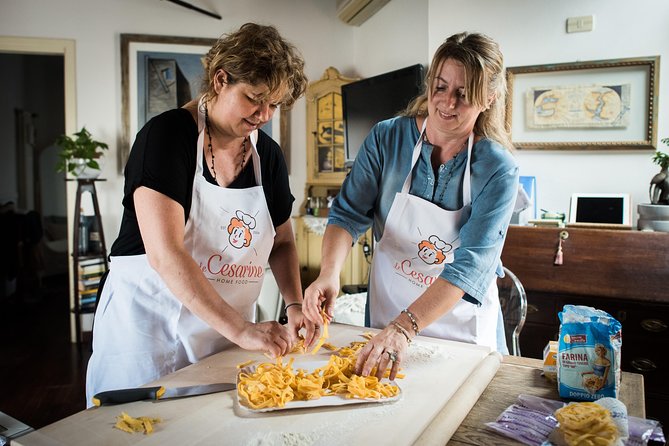
- Private attention means you can ask questions as you work, not at the end when everyone’s rushing.
- Wine included with your tasting, with red and white chosen by your host.
- You make multiple pasta types such as tortelli, lasagne, tagliatelle, and rosette.
- Recipes after the class help you recreate what you learned at home.
- A small group vibe is common, with classes described as warm and welcoming even when the group is around nine.
Why a Cesarina home class in Modena feels personal
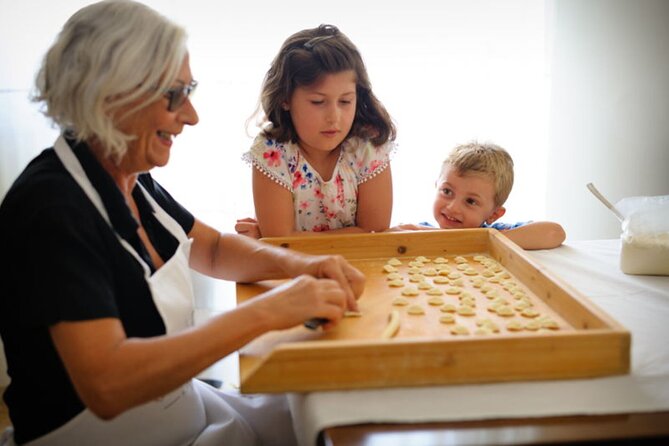
Modena is serious about food. So when you learn pasta here at a Cesarina-style host’s home, the focus stays on real technique and real eating, not performance.
I like this format because it’s not a factory tour. You’re in a lived-in place where the host can show how they think about dough, timing, and flavor. And you get to taste what you made in the same evening, which is how you build confidence fast.
The private setup also matters. In a bigger group class, you can end up watching and guessing. Here, the vibe is closer to learning at a friend’s table, with you getting more of your host’s eyes.
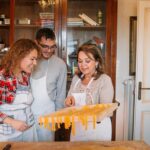
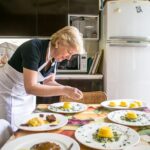
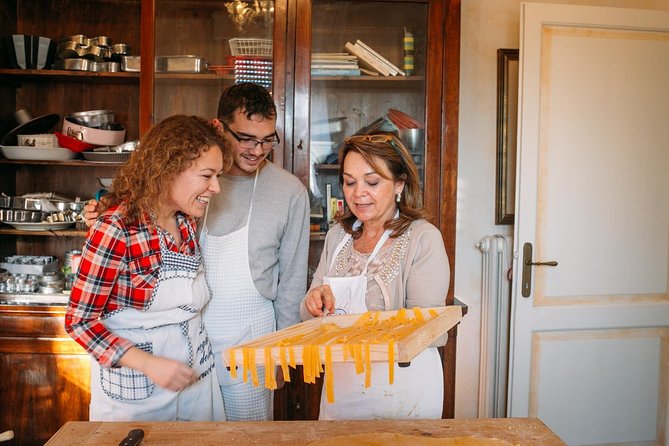
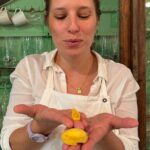
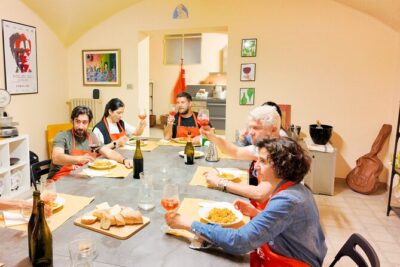
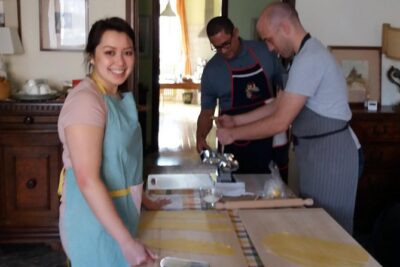
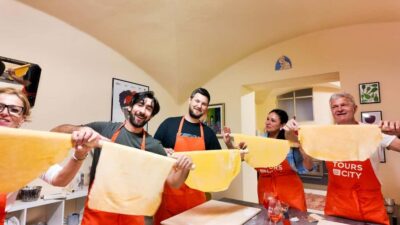
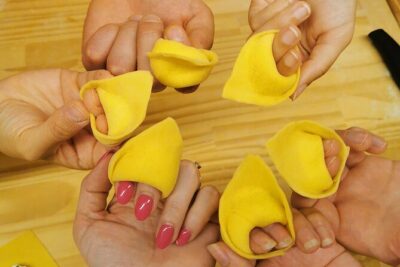
Back into the kitchen to roll tortellini and tagliatelle by hand.
Meeting your host and settling into the kitchen rhythm
You start in Modena, and the activity ends back where you started. You’ll also get a mobile ticket, and it’s near public transportation, so you don’t need a car or long taxi hops to make it work.
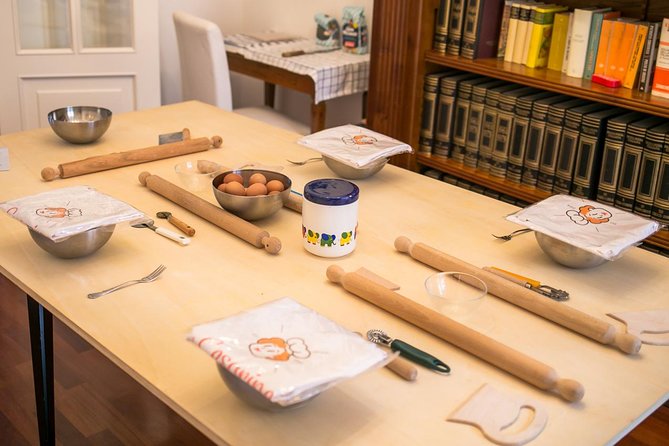
Once you’re at the home, the evening usually runs like a carefully paced dinner plus a workshop. You’ll be guided through the pasta-making basics in a way that fits your group size, and you’ll be eating what you produce rather than just learning for the sake of learning.
What stood out in the descriptions from hosts like Maria Angela and Elena is how clearly they communicate in English and how warm they are. People specifically highlighted that the teaching felt personal, and that small “little secrets” were shared with one-on-one care.
Also, don’t be surprised if the host pulls in extra bits from their pantry or garden. One review mentioned a jar of homemade orange jam used for baking, plus herbs from a garden walk at the end. Even if your class doesn’t include that exact bonus, the point is the same: you’re entering a real household food world.
Shaping tortelli, lasagne, tagliatelle, and rosette
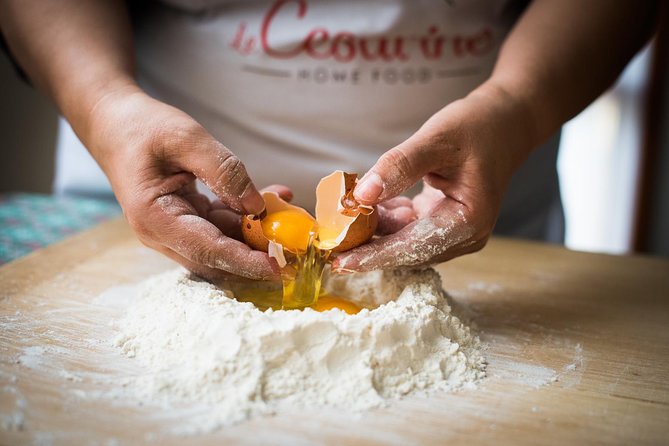
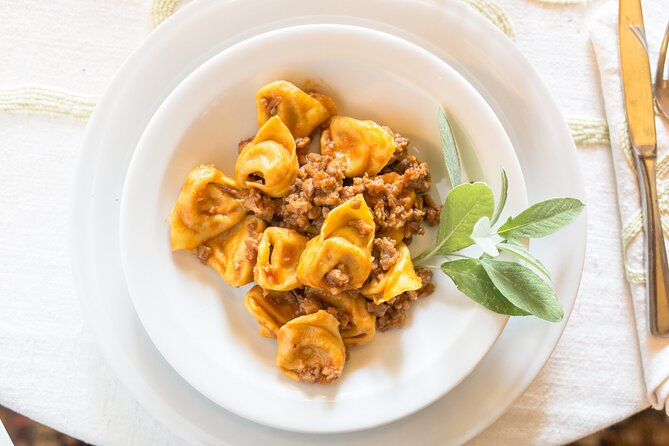
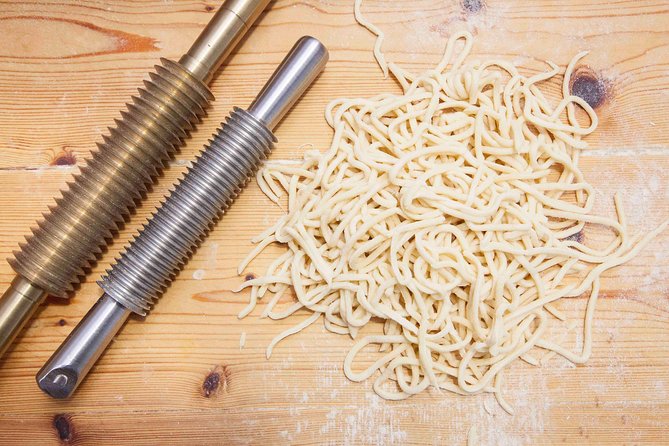
The menu centers on fresh pasta, and you’ll work with regional favorites such as tortelli, lasagne, tagliatelle, and rosette. The exact mix can vary, but the structure is consistent: you’ll create pasta forms you can recognize and reproduce later.
Here’s why that matters for you. If you only learn one type, you might leave with a single “party trick.” Learning several styles gives you more than a recipe. It helps you understand how dough behaves, how shapes affect cooking, and how to talk about results when you try again at home.
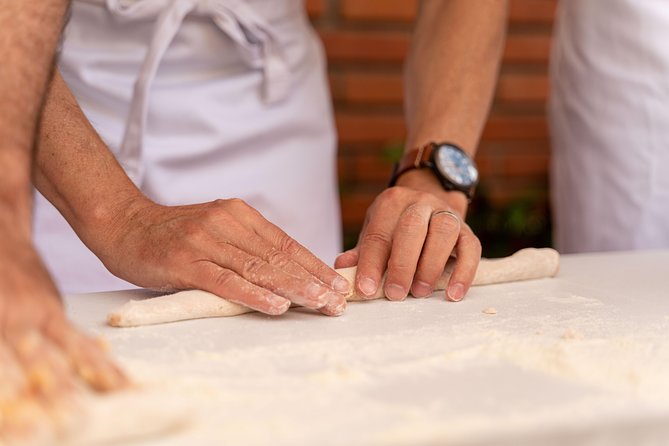
During the class, you’re not just rolling dough in theory. You’re putting your hands to work, and your host keeps you moving in a sensible way so you don’t get lost. The private format also makes a difference with technique: if your dough feels off or your shape isn’t turning out right, you can adjust in real time.
One more practical note: people leave wanting to cook again right away. That’s a sign the class doesn’t just teach steps; it teaches the why behind them, so your confidence grows rather than fading after you wipe down your counter.
Wine tasting with your host’s red and white picks
The tasting is part of the heart of the night. Along with what you make and eat, you’ll sip a selection of local red and white wine chosen by your host.
This is more than a nice add-on. Wine helps you understand the meal as a whole. In Emilia-Romagna, pasta isn’t a separate event; it’s built for pairing with flavors. Even if you’re not a wine expert, this part gives you a comfortable way to notice how taste changes as the evening goes on.
What I like about the host-led pairing is that it’s practical. A good pairing here isn’t about fancy labels. It’s about what the host knows will work with what you’re eating. And because the wine is included, you don’t have to make choices or wander off to find a glass before dinner.
If you’re planning your evening, keep in mind you’re drinking wine during the experience. That makes the “near public transportation” detail even more valuable, since you’ll likely want a simple way back without stress.
Eating what you make, then recreating it back home
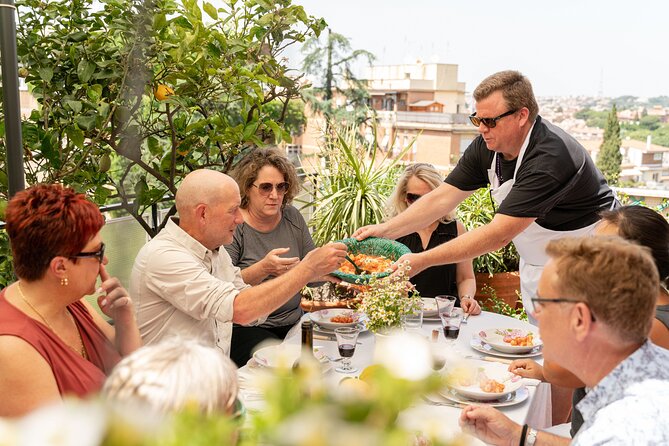
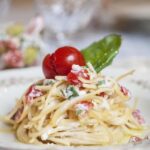
The meal is straightforward and satisfying: you taste the pasta dishes tied to the class. With fresh pasta you made yourself, it’s easier to notice what success looks like—texture, shape, and how the finished pasta tastes right when it’s at its best.
Then comes the part that makes the class actually useful later. Many people come away saying they can now make pasta at home, which usually means two things: the steps were explained clearly, and the host shared enough guidance that you can repeat it without guessing.
Recipes being provided afterward is a big deal here. One review mentioned getting recipes later, which is exactly what you want if you don’t have a photographic memory. You’ll be focused in the moment, so having written guidance afterward helps you recreate the evening without relying on recollection.
And don’t underestimate the leftovers angle. Some classes are described as letting you take home what’s left. That turns your learning into a real second meal, which is perfect if you want to practice more calmly or share with someone who couldn’t make it.
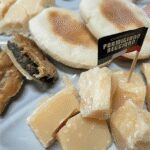
More Emilia food and drink to seek out.

Price and value: what $176.73 buys you in 3 hours
At $176.73 per person, this isn’t a bargain-bin activity. But for Modena, this format is paying for a few specific things at once:
- A private, host-led class in a home kitchen rather than a public venue
- Hands-on pasta-making with guidance while you work
- A tasting meal that includes wine: red and white chosen by your host
- Recipes later, so you can recreate the results
Three hours is a good length. Long enough to learn real technique and eat together. Not so long that you’re stuck in class fatigue before you even get dinner.
The value also improves if you’re the kind of traveler who wants to bring something home that isn’t just photos. Pasta skills are one of the few “souvenirs” you can use again and again, and they turn into a story at your own table.
If you’re traveling solo, the private setting can feel especially worth it because you don’t have to negotiate for attention. If you’re a couple or a small group, you get a shared experience with a clear endpoint: you’ll leave understanding what to cook next.
Tips so you get better results at home
You don’t need special culinary gear to enjoy the class, but you can set yourself up for success before you start.
First, treat the evening like a skill workshop, not a passive tasting. Ask questions while you’re working. The best outcomes come when you catch mistakes early.
Second, be ready to adjust your expectations when you get home. A home kitchen is different from a host’s kitchen. Don’t aim for identical results on the first attempt. Use the recipes later as your guide, and focus on consistency: dough texture, rolling, shaping, and timing.
Third, think about how you’ll practice. If you want to make tortelli or tagliatelle again soon, schedule a try within a week. Dough skills fade when they sit in your brain untouched for months.
Finally, pay attention to what the host emphasizes about taste and pairing. Even simple notes—what wine they picked and why it fits your pasta—can help you plan a better “practice dinner” at home.
Should you book this Modena pasta-making class?
Book it if you want a hands-on, local evening where you learn real pasta shapes and eat them right after. It’s ideal for food lovers, couples, and small groups who like practical experiences and don’t want the cookie-cutter vibe.
Pass if you’re only looking for sightseeing or you prefer large, structured groups with fixed programming. This is a home class, so it’s more personal than scripted.
If you’re on the fence, I’d base your decision on one question: do you want a skill you can repeat at home? If yes, this class offers a strong path—from dough to tasting to recipes—within three hours.
FAQ
How long is the pasta-making class?
It lasts about 3 hours.
Is this experience private?
Yes. It’s a private tour or activity, and only your group participates.
Is the class offered in English?
Yes, the experience is offered in English.
What happens during the tasting?
You’ll taste what you make, along with a selection of local wines, including both red and white.
Where does the experience take place?
It takes place in Modena at the host’s home, and it ends back at the meeting point.
Will I receive recipes after the class?
From the available information, recipes can be provided later.
What is the cancellation policy?
Free cancellation is available up to 24 hours in advance for a full refund.
More Emilia Food and Drink
More Bologna Pasta and Cooking Classes
More Tour Reviews in Modena

After something different? More ways to fill a day in Bologna and across Emilia-Romagna



Bologna Pasta-Making & Cooking Classes, compared.
 ★ 5.0Bologna Local Pasta Cooking Class, Ragu, Spritz, Wine & GelatoFrom $59527 reviews
 ★ 5.0Pastamama, Home Cooking Classes at Grace’s HomeFrom $114521 reviews
 ★ 5.0Pasta and Tiramisu Small Group Cooking Class with WineFrom $71409 reviews
 ★ 4.9Pasta Tagliatelle Ragu Cooking Class with SpritzFrom $79407 reviews
 ★ 5.0Bologna on the plate, Cooking Class with AlessiaFrom $89260 reviews
 ★ 4.7Pasta Tagliatelle al Ragu Cooking Class with WineFrom $70225 reviews
 ★ 5.0Cesarine: Small group Pasta and Tiramisu class in BolognaFrom $163172 reviews
 ★ 4.5Authentic Bologna Home Cooking Class: Tagliatelle & TortelliniFrom $78136 reviews
Browse the lists this tour appears in