
Reviewed · BOLOGNA PASTA-MAKING & COOKING CLASSES
Cesarine: Dining & Cooking Demo at Local’s Home in Bologna
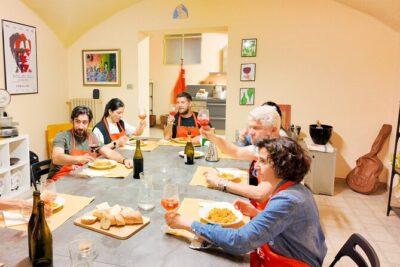
A Bologna dinner in someone’s home beats any studio class. This Cesarine experience pairs hands-on cooking with a real 3-course meal at a local table, plus wine from Emilia-Romagna cellars. I love that you get practical technique coaching and a seat at the family-style dining table, not just a watch-and-leave show. One thing to consider: it’s hosted in a home kitchen with a small group, so the pace and setup can feel more personal than formal.
What I really like is how the hosts focus on teachable steps you can repeat at home, including pasta-making basics and the logic behind sauces and timing. Another plus is the wine element, which helps the meal feel like a complete Bologna evening, not a quick lesson. The possible drawback is simple: if you’re traveling for a rigid schedule or want lots of English by default, you may rely on translators depending on the hostess.
In This Review
- Key things I’d bank on before you go
- Why this Bologna home cooking demo feels different
- The 2.5-hour flow: cooking, dining, and lingering conversation
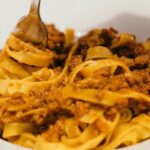
- What you’ll actually cook: fresh pasta options in Bologna style
- Sauce and technique basics: what makes Bolognese feel like Bologna
- The dessert course: Bolognese favorites like Tiramisu and Torta Tenerina
- Wine tastings: Emilia-Romagna pours that actually match the meal
- The hosts: warmth, small-group teaching, and real home comfort
- Price and value: is $118.95 worth it?
- A practical note on hygiene and distance in a home setting
- Who should book this Cesarine in Bologna?
- Should you book this Bologna home cooking and dining demo?
- FAQ
- Is this experience offered in English?
- How long does the Cesarine cooking and dining experience last?
- What kind of food is included?
- How many people are in the group?
- What hygiene and safety rules are followed?
- Is there free cancellation?
Key things I’d bank on before you go
- Small groups (max 10): more time for questions and hands-on guidance.
- English available: and in at least one case, a translator joined the host’s side.
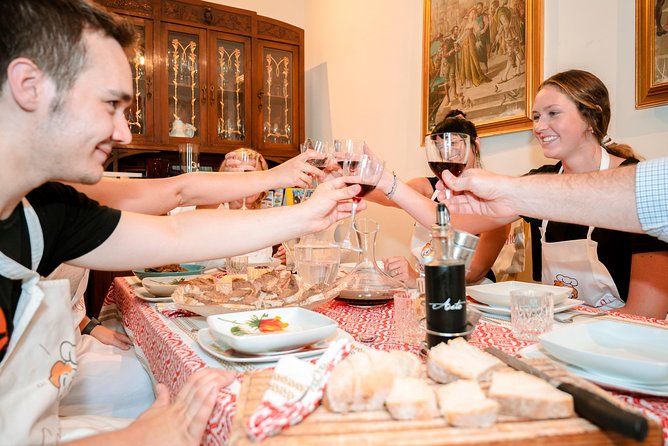
- You eat what you make: a 3-course Bologna meal at the dining table.
- Real Emilia-Romagna wine: tastings accompany the meal.
- Family cookbook recipes: you’ll cook recipes tied to home traditions.
Why this Bologna home cooking demo feels different
Bologna has no shortage of food tours. What makes this one worth your time is the setting: you’re not in a restaurant kitchen and you’re not standing behind a glass wall. You’re in a local home, which changes everything—how the day starts, how questions get answered, and how the meal lands at the end.
Hosts tend to welcome you warmly and keep things moving without rushing you. In multiple experiences, the hosts clearly prepared ahead so you’re not waiting around for ingredients. That matters because you’re here for the food and the learning. The best version of this evening is when you’re put to work quickly, but still guided carefully—especially when you’re learning pasta shaping or sauce steps.
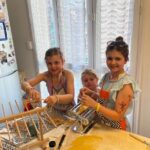
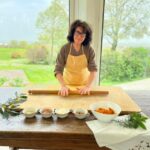
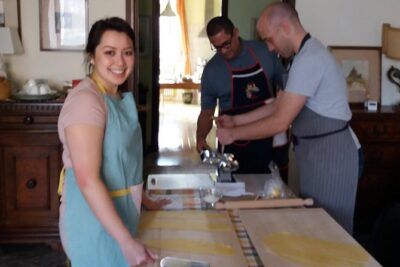
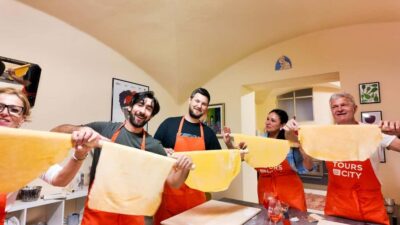
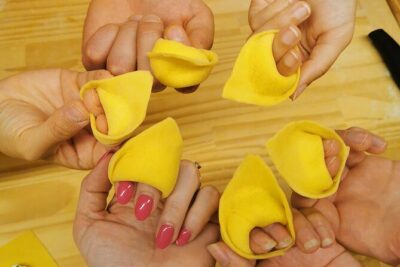
Back into the kitchen to roll tortellini and tagliatelle by hand.
The 2.5-hour flow: cooking, dining, and lingering conversation
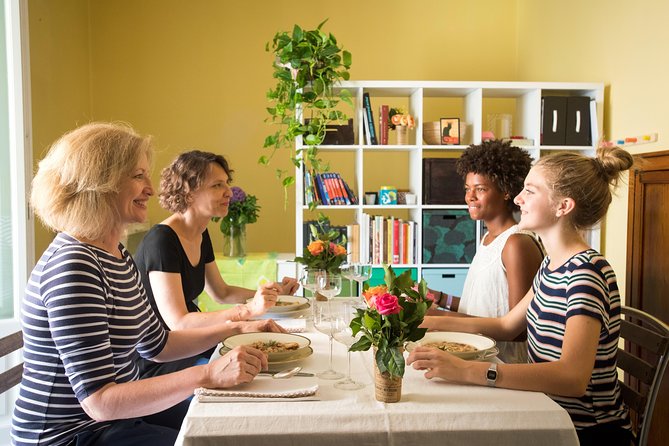
This experience runs about 2 hours 30 minutes, and it ends back where you start. Because it’s a home setting, the timeline can feel a bit more fluid than a tour bus rhythm, but you can expect the core arc to hold:
- You meet in Bologna near public transportation (so you’re not stuck with a far walk or a complicated last-mile).
- You get welcomed by the host, usually with a calm, friendly start that makes it easy to settle in.
- You’ll take part in the cooking portion, working alongside the host on pasta and at least one other component like a dessert.
- Then you sit down for the 3-course meal, with wine tastings tied to the meal.
The practical win here is that you get a full meal experience, not just “a few bites” between cooking steps. Even better, the table time often stretches long enough for real conversation, which is exactly where you hear the small local lessons—how they think about seasoning, texture, and timing.
What you’ll actually cook: fresh pasta options in Bologna style
Your class centers on fresh pasta, and the menu lists several Bologna-style choices, including tortellini, lasagne, tortelloni, tagliatelle, gramigna, strichetti, and balanzoni. You won’t know which one you’ll make until the host and the evening’s plan, but you can be confident you’ll learn something hands-on and traditional.
In real hosting examples, pasta instruction often includes more than just a step-by-step motion. Some hosts teach the reasoning behind technique—how dough behaves, why certain folds or cuts matter, and how sauce should cling. That’s the difference between copying a recipe and actually learning a skill.
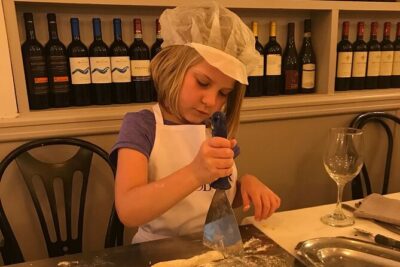
If you like structured cooking, you’ll appreciate guidance that stays patient and practical. Several experiences emphasized that the host worked with people at different skill levels, refining technique as you went. That’s a big deal if you’re a beginner. If you already cook at home, you may still enjoy hearing how Italians troubleshoot texture and consistency without turning it into a chemistry lecture.
Sauce and technique basics: what makes Bolognese feel like Bologna
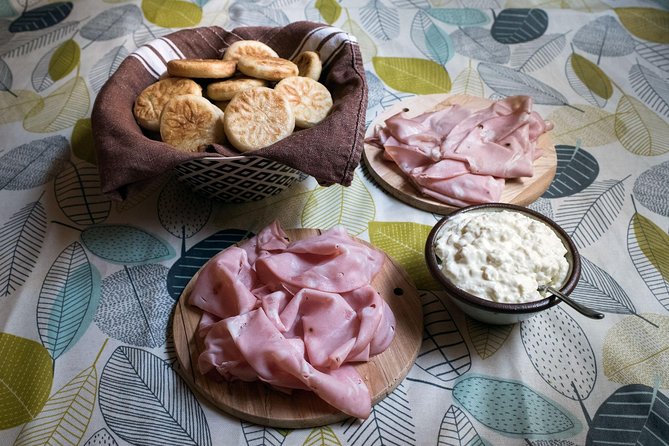
Bologna isn’t just about pasta shapes. It’s about sauces and how you pair them. In these evenings, you’ll commonly see a mix of pasta-making with Bologna-style sauce components, including options that reference Bolognese-style ragu and the kind of creamy layering that shows up in baked dishes.
One thing that comes through strongly is that hosts don’t treat sauce as an afterthought. They explain what you should be watching for—thickness, aroma, and how the sauce behaves once it meets pasta. That practical coaching is exactly what helps you recreate results later.
Also, part of the Bologna appeal is that these recipes aren’t built for perfection on paper. They’re built for family meals. So don’t be surprised if the host frames technique with a home-cook lens: what they do when they’re feeding a crowd, what they adjust when ingredients behave differently, and how they keep the meal on track.
The dessert course: Bolognese favorites like Tiramisu and Torta Tenerina
Dessert is included, and the sample menu lists several possibilities, including torta tenerina, zuppa inglese, tiramisu, torta di riso, raviole, and salame al cioccolato. So yes, you might end up with one of the internationally famous options like tiramisu. But there’s enough local variety here that you might get something you don’t make at home.
What I like about the way dessert fits into the evening is that it’s not a random boxed ending. It’s treated as part of the same cooking logic as everything before it. Several experiences described actively making dessert (not only tasting), and hosts tended to explain steps clearly so you’re not lost mid-recipe.
If you care about takeaway value, pay attention during dessert prep. You’ll often walk away with the sense of how to build flavor using technique—not just ingredients. And in some hosting experiences, the host shared recipes after the class, which is a huge help when you try to repeat the night at home.
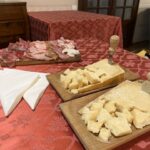
More Emilia tables worth booking.

Wine tastings: Emilia-Romagna pours that actually match the meal
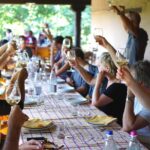
Wine is part of the program, with tastings from Emilia Romagna cellars. That’s a smart pairing choice because Emilia-Romagna wines were developed alongside the region’s own food culture.
One hosting example specifically included Lambrusco during the meal. That fits the Bologna vibe: lively, food-friendly wine that doesn’t overpower pasta and rich sauces.
You don’t need to be a wine expert to benefit here. The value is how the host frames the pairing—what to notice as the wine meets the food, and how the flavor profile supports the dishes you’re eating. Even if you’re not taking notes like a sommelier, you’ll learn what works.
The hosts: warmth, small-group teaching, and real home comfort
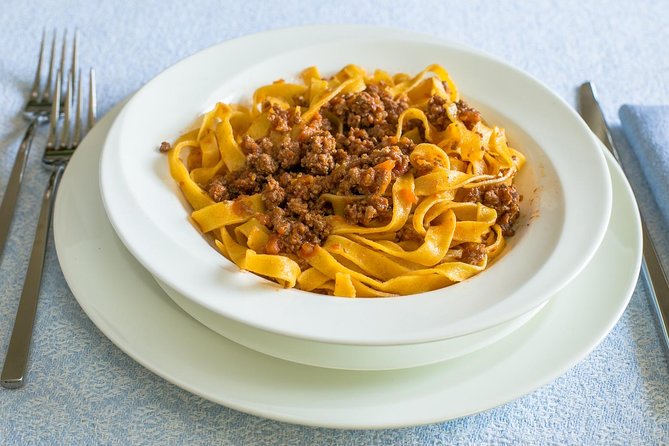
This is where the biggest praise clusters. Hosts are described as welcoming, organized, and patient—qualities that matter a lot when you’re working in a home kitchen. Names that show up in hosting examples include Paola, Agnese (as a translator in one English-support situation), Elena and her husband Saverio, Margherita, Alessandra, and Barbara.
Why does that matter for your planning? Because it signals that the experience isn’t just about the recipe list. It’s about the teaching style. When a host is organized and keeps you busy, you leave with more than memories—you leave with confidence.
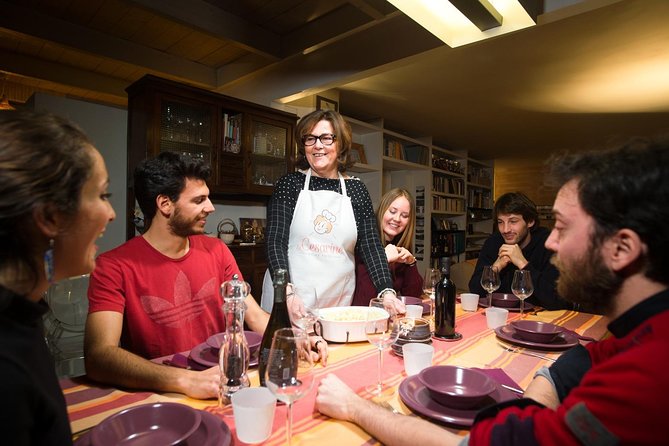
Also, home dining changes the vibe. You’re sitting at a table as part of the evening, not watching from the sidelines. That’s why people often feel like they were treated like friends and not customers.
Price and value: is $118.95 worth it?
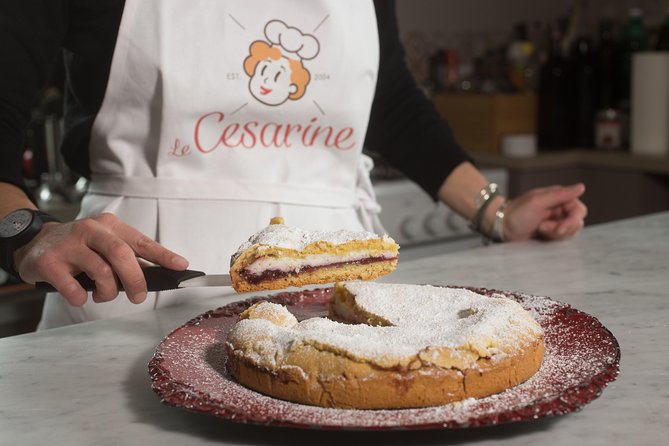
At $118.95 per person, this isn’t a bargain-cooking workshop. But it also isn’t just a class-only activity. For your money, you’re getting:
- 2.5 hours of hands-on instruction and cooking time
- a 3-course authentic Bologna meal tied to what you make
- wine tastings from Emilia-Romagna
- the small-group advantage (max 10 travelers) that supports real interaction
- a home setting, where the meal feels like the point, not an add-on
If you compare to a restaurant meal plus a separate cooking lesson, the value starts to make sense. You’re effectively combining dinner and technique coaching into one night. And if the host shares recipes (not guaranteed in every listing, but it has happened), the price feels even more justified because you’re leaving with something that helps you cook later.
A practical note on hygiene and distance in a home setting
This experience includes specific sanitary rules. The program notes that hosts are careful and attentive, and that homes provide essential sanitary equipment like paper towels and hand sanitizing gel. You’ll also be reminded to maintain 1 meter distance; if you can’t, you may need to wear masks and gloves.
For me, the key practical point is this: you’re not expected to guess. The rules are stated, the home provides essentials, and the host manages the flow with those expectations in mind. It’s a good fit if you want social connection but still want clear, common-sense guidance.
Who should book this Cesarine in Bologna?
This works best if you:
- Want authentic Bologna food in a real kitchen, not a staged demo
- Like learning from patient, hands-on teaching
- Appreciate sitting down for the full meal, including wine tastings
- Prefer a small group where you can actually ask questions
It may be less ideal if you:
- Prefer a very formal, restaurant-style experience with strict timing
- Want a big-production show and lots of spectator space
- Have very specific dietary needs you need confirmed in advance (the exact menu is shown as a sample, so ask early if restrictions are important)
Should you book this Bologna home cooking and dining demo?
If you want the kind of night that feels like a real Italian evening, I’d book it. The strongest reasons are the combo of hands-on pasta-making, a proper 3-course Bologna meal, and a small group where the host can guide you without rushing.
My advice: choose this when you can slow down and enjoy the table time. If you’re the type who remembers technique tips and likes to cook after a trip, this experience is built for you.
If the idea of a home setting makes you nervous, plan to lean on the clear sanitary expectations and remember the group is capped at 10 for a reason: it’s meant to stay manageable and personal.
FAQ
Is this experience offered in English?
Yes. The experience lists that it is offered in English, and in at least one hosting example, an additional translator helped support communication.
How long does the Cesarine cooking and dining experience last?
It lasts about 2 hours 30 minutes.
What kind of food is included?
You’ll enjoy a 3-course authentic Bologna meal, with an example menu that includes a seasonal starter, fresh pasta, and a dessert (such as tiramisu or other Bologna-style sweets).
How many people are in the group?
This activity has a maximum of 10 travelers.
What hygiene and safety rules are followed?
Hosts follow sanitary rules and provide essentials like hand sanitizing gel and paper towels. You’re asked to maintain 1 meter distance, and if that isn’t possible, you may need to wear masks and gloves.
Is there free cancellation?
Yes. Free cancellation is available, and you can cancel up to 24 hours before the experience for a full refund.
More Emilia Dining
More Bologna Pasta and Cooking Classes
More Tour Reviews in Bologna


After something different? More ways to fill a day in Bologna and across Emilia-Romagna





Bologna Pasta-Making & Cooking Classes, compared.
 ★ 5.0Bologna Local Pasta Cooking Class, Ragu, Spritz, Wine & GelatoFrom $59527 reviews
 ★ 5.0Pastamama, Home Cooking Classes at Grace’s HomeFrom $114521 reviews
 ★ 5.0Pasta and Tiramisu Small Group Cooking Class with WineFrom $71409 reviews
 ★ 4.9Pasta Tagliatelle Ragu Cooking Class with SpritzFrom $79407 reviews
 ★ 5.0Bologna on the plate, Cooking Class with AlessiaFrom $89260 reviews
 ★ 4.7Pasta Tagliatelle al Ragu Cooking Class with WineFrom $70225 reviews
 ★ 5.0Cesarine: Small group Pasta and Tiramisu class in BolognaFrom $163172 reviews
 ★ 4.5Authentic Bologna Home Cooking Class: Tagliatelle & TortelliniFrom $78136 reviews
Browse the lists this tour appears in