
Reviewed · BOLOGNA WALKING TOURS & CITY HIGHLIGHTS
Bologna historical art walking tour with hidden gems and tastings
Bologna’s art feels personal with the right guide. This Bologna historical art walking tour turns major landmarks into a connected story of city power, religious art, and food heritage, with plenty of stops that you’d likely miss on your own. I liked how the route starts in Piazza Maggiore and keeps the explanations tight, so you always know why a building matters.
My second big favorite is the way the guide, Riccardo Bacchi, connects art and architecture to Bologna’s real life—universities, guilds, politics, and even the city’s science and medicine. The tastings also add a local layer, not just sightseeing.
One thing to consider: this is a fairly fast-paced walking route with a lot of church interiors and details to take in. If you prefer slow, airy wandering (or you want mostly food), you’ll want to pace yourself or pair it with a longer single-site day.
In This Review
- Key points
- Walking Bologna’s art history the way locals actually understand it
- Getting your bearings: Piazza Maggiore as the city’s “command center”
- Palazzo d’Accursio: where power becomes rooms, stairs, and frescoes
- San Petronio: the giant sundial and painting stops that matter
- Archiginnasio di Bologna: Bologna’s oldest university, shown through objects
- Quadrilatero: the medieval market grid behind Bologna’s food reputation
- Santo Stefano: one complex that tells Bologna’s entire timeline
- Santa Maria della Vita: terracotta emotion with Niccolò Dell’Arca
- Asinelli and Garisenda: the street-level view that changes your Bologna map
- Finestrella and silk-hemp history: UNESCO at street level
- A 13th-century house with original wooden pillars
- Palazzo Comunale: ceilings and staircases that explain civic theatre
- Tastings that connect food to the medieval story
- Value: why a $175.36 art walk can actually be worth it
- Who should book this Bologna historical art walking tour
- Should you book it?
- FAQ
- How long does the tour last?
- What does the tour cost?
- Is the tour offered in English?
- How large is the group?
- Are tickets included for all the stops?
- Where does the tour start?
- Is there tasting during the tour?
- What is the cancellation policy?
Key points
- Piazza Maggiore speaking corners, Neptune fountain, and the old Council Palace clock in one start-to-finish flow
- San Petronio includes entry and famous art stops, plus the world-scale sundial focus
- Archiginnasio di Bologna spotlights the wooden anatomical theatre and coats of arms
- Quadrilatero gives you the medieval market grid behind Bologna’s food-shop reputation
- Santa Maria della Vita centers Niccolò Dell’Arca’s 15th-century terracotta sculpture
- Tastings include a medieval-style rice cake and a sample of local wine
Walking Bologna’s art history the way locals actually understand it
Bologna can feel like an art textbook—until you see the city through a guide who links the dots. This tour is built around that idea: architecture and paintings aren’t just pretty. They’re evidence of how Bologna thought, worked, and governed itself.
I also like that the focus stays practical. You don’t just get names of artists and dates; you get what those works were for and how they connect to the city around them. That makes the route more satisfying, even when you’re standing in a plain street or a side chapel.
The group size is capped at 25, which helps. You’re in a real walking group, not a crowd swarm. The tour runs about 3 to 4 hours, so you can still plan a proper dinner after without feeling like your whole day disappears.
More of the old town on foot, towers and squares and back streets.

Getting your bearings: Piazza Maggiore as the city’s “command center”
The tour begins at Bar Vittorio Emanuele on Piazza Maggiore, right where most people first land in Bologna. But you don’t stay at the “postcard viewpoint” level. The goal is to understand why this square became the city’s central stage.
From there you’ll look at the old medieval buildings that frame the space, then at the famous four speaking corners—street-corner stone faces that are part design, part public language. If you’ve ever wondered why medieval Italy loved symbols on buildings, this is your answer in stone.
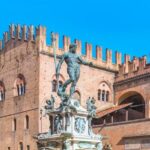
You also get the renaissance-minded side of Bologna here. The Neptune fountain is a key stop, and it’s not random decor; it’s tied to civic identity. Then there’s the facade with the old clock of the Council Palace, which helps you see timekeeping and government as part of the same story.
Tip for you: Piazza Maggiore is open and exposed. If it’s hot, plan for sunscreen. If it’s cooler, you’ll probably want a light layer for the first stretch.
Palazzo d’Accursio: where power becomes rooms, stairs, and frescoes
Next is Palazzo d’Accursio, which you’ll approach less like a building and more like a timeline in stone. The interesting part isn’t only the decorative interiors. It’s how the noble rooms work as proof of who held authority and how they wanted to be remembered.
You’ll visit rooms on the first and second floors, and the focus is on frescos and a private chapel of the bishop—details that show how civic power and religious life overlapped in Bologna. You’ll also hear about the big stairs for horses by Bramante. That one detail changes how you imagine movement through the palace.
Another highlight is the earthquake’s virgin by Francesco Francia. That kind of artwork often carries more than devotional meaning; it becomes a response to fear, survival, and public gratitude.
Practical note: expect stairs and indoor viewing time. Even though entry is free for this stop, you’ll still spend time looking up and around.
San Petronio: the giant sundial and painting stops that matter
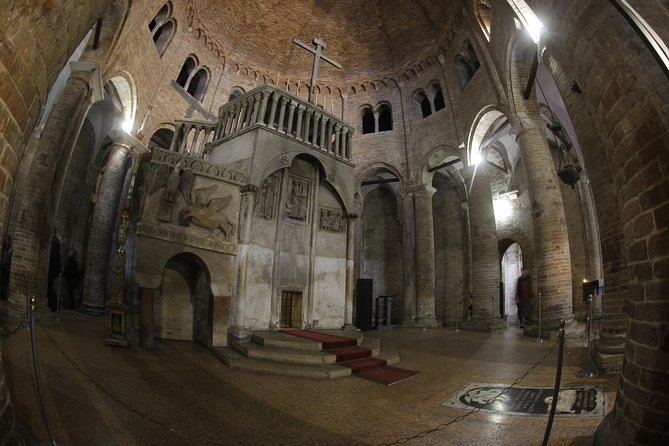
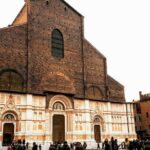
Basilica di San Petronio is where this tour turns serious—big scale, lots of art signals, and a strong focus on symbolism. Entry is included here, so you won’t be scrambling for extra tickets while you’re in the flow.
One standout theme is the biggest sundial in the world. The point isn’t just trivia. It’s about how Bologna saw science, religion, and daily life as connected. When you understand that, even a large physical instrument becomes emotional.
Inside, you’ll also focus on medieval frescoes in the Cappella Bolognini and the four ancient crosses. Those pieces help you see devotional art as a map, not just a painting.
The tour also names major art connections, including paintings by Parmigianino and Lorenzo Costa. Those credits help you connect Bologna’s local story to wider Renaissance culture, so you don’t feel like you’re watching one isolated city bubble.
If you’re short on church stamina, this is the stop where you’ll want to take a minute. The space is impressive, and the guide keeps it organized, but your feet and neck will still work.
Archiginnasio di Bologna: Bologna’s oldest university, shown through objects
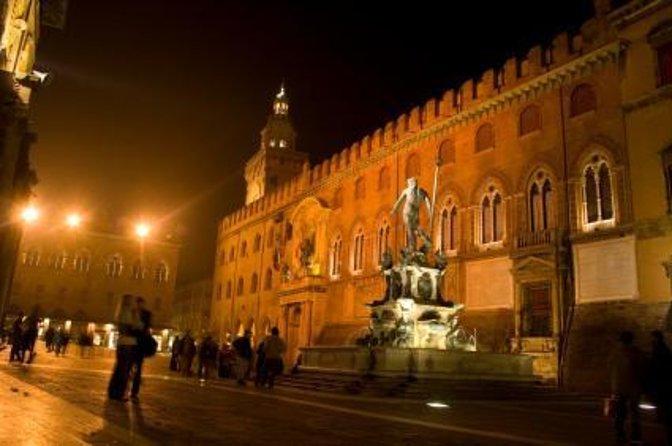
After San Petronio, the tour shifts from church art into education and early “public knowledge.” Archiginnasio di Bologna is the headquarters of the oldest university in Europe, and the tour treats it like a major cultural engine.
Entry is included, and you’ll walk through the renaissance palace side by side with its collection logic. The huge collection of coats of arms is the obvious visual hit, but the best part is what it represents: civic identity and university prestige spelled out in heraldry.
You’ll also hear about witnesses of secret powerful medicine—Bologna’s historical reputation for medical study. That sets up the wooden anatomical theatre, which is one of those spaces that makes history feel physical.
Another room you’ll see is the Stabat Mater room, known for precious books, including Leonardo da Vinci’s Flights of the birds (as referenced on the tour). This is the moment where you can connect the university to art and observation, not just lectures.
Practical angle for you: This is indoor-heavy. If you get cold easily, bring something light. If you hate crowds inside, go a little slower while moving between rooms so you don’t feel rushed.
More of the old university city and its past.

Quadrilatero: the medieval market grid behind Bologna’s food reputation
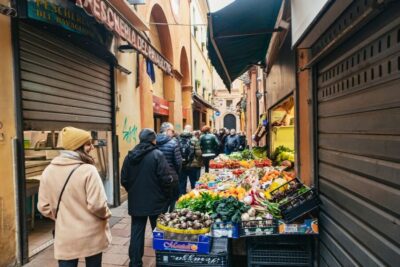
Now you hit the city’s food-energy zone: Quadrilatero. This isn’t a food-only stop, but it’s where Bologna makes sense. The guide points out the labyrinth of the middle age market, its stalls, and old food shops—along with ancient coats of arms and signs that point to guild life.
That matters because Bologna’s food culture isn’t just modern taste. It’s the long-term outcome of trade, crafts, and civic organization. When you see the old guild “markers,” you understand why the market layout feels like it does.
This stop is short compared with the big monuments, but it’s the payoff for people who like getting a sense of everyday life. Even if you’re not shopping, it’s a good place to reset your brain and look at the city like a local would.
Tip for you: If you want to buy something, this is the most logical time. The pace is still walking-tour pace, so keep purchases easy to carry.
Santo Stefano: one complex that tells Bologna’s entire timeline
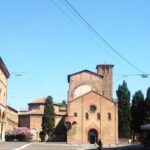
Basilica–Santuario di Santo Stefano can feel like a set of churches, but the tour frames it as a single historical complex. That’s a powerful way to see Bologna: layers built over time, not separate chapters.
You’ll start with the idea of a Roman temple on a natural spring, then move forward to the Dante Alighieri cloister. That Dante reference helps connect local religious space to literature and civic memory.
The tour also points out the cloister surrounded by monks’ cells and capitals headed by animals. That animal-carved detail is a good “look closer” moment—small enough to miss, meaningful enough to remember.
Entry is free at this stop, which makes it feel like a bonus section. It still deserves your attention, especially if you like churches that show change over centuries.
Consideration: This area is more “quiet-old” than monumental-royal. If you’re only chasing the tallest sights, you might overlook it unless you keep an eye on the guide’s story threads.
Santa Maria della Vita: terracotta emotion with Niccolò Dell’Arca
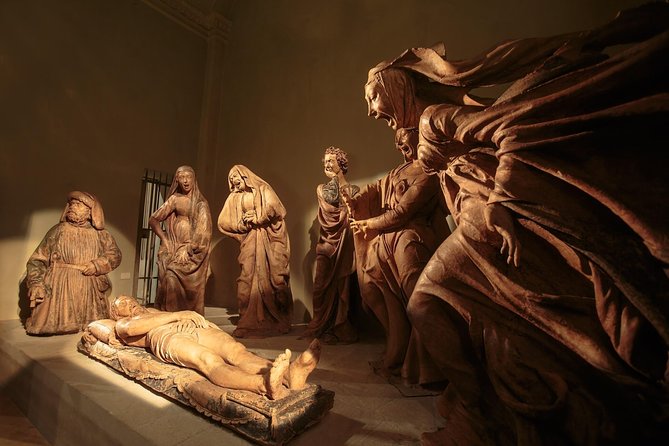
Next comes one of the most memorable art stops on the route: Chiesa di Santa Maria della Vita. Entry is included, and the tour spotlights a terracotta masterpiece sculptured in 1470 by Niccolò Dell’Arca.
The key detail here is the way the sculpture plays with movement and emotions—described in the tour as an incredible interpretation of feeling through bodies and posture. That’s why this stop works even if you’re not a “serious museum” person.
If you’ve seen Renaissance art that looks stiff, this is a correction. You get a sense of performance—religious scenes made into lived experience.
This is also a good stop for a slower look. Even with a group pace, you’ll want time to stand back, then close in.
Asinelli and Garisenda: the street-level view that changes your Bologna map
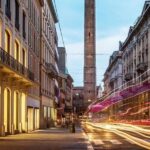
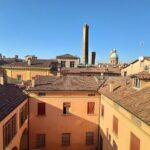
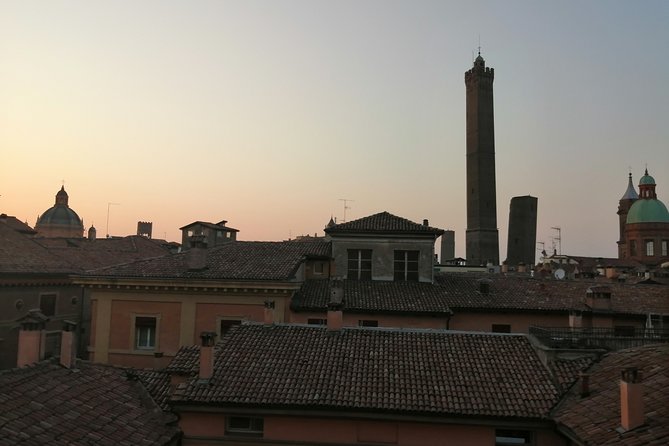
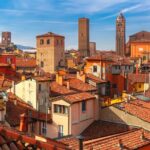
After the interior art, you step back out for a street-level look at Bologna’s symbols: the 98 meters tall Asinelli Tower and the leaning Garisenda Tower.
The tour treats this as a way to redraw the city in your mind. Once you see how these towers sit in the urban fabric, streets and distances start making sense. It’s also a nice visual break from churches and palaces.
This portion is brief, but it hits an important value: you stop walking with only names in your head and start walking with spatial understanding.
Tip for you: Take a quick photo from a comfortable spot and then look away. The towers are best when you actually see them, not only through a phone.
Finestrella and silk-hemp history: UNESCO at street level
Finestrella is a rare example of medieval canals designed to supply silk and hemp textile manufacturing. Entry is free here, and the tour highlights it as a UNESCO heritage-type stop, which is a big deal because it’s not just a pretty canal view.
This is Bologna’s industrial intelligence made visible. It helps you connect the art-and-architecture story to everyday work—how fabrics, water management, and craft economies shaped the city.
And because this is canal-focused rather than cathedral-focused, it gives you a different kind of visual interest. If you’ve spent hours in stone interiors, this is a welcome change of texture.
A 13th-century house with original wooden pillars
Another standout “look closer” moment is a surviving example of a 13th-century house that maintains its original wooden pillars.
This is the kind of detail you could walk past without noticing, and that’s exactly why it works on a guided route. Small survival stories like this help you feel Bologna’s age in your own hands, not only in big-name monuments.
It also reinforces the tour theme: Bologna isn’t only about grand stages. It’s about the daily architecture that kept life moving.
Practical angle: Even if this stop is short, it’s worth leaning in. Watch how the wood changes the feel of the street-level scene.
Palazzo Comunale: ceilings and staircases that explain civic theatre
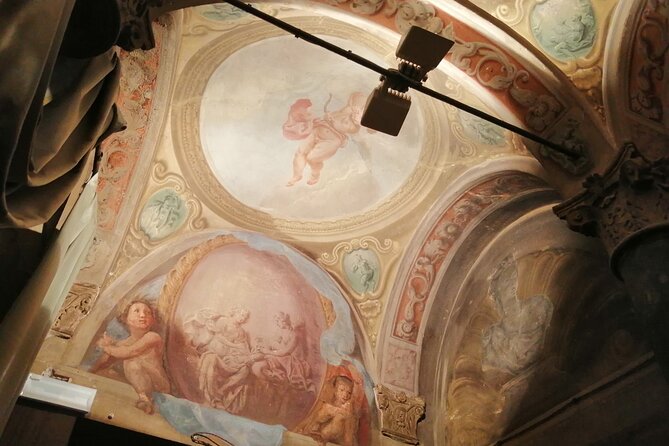
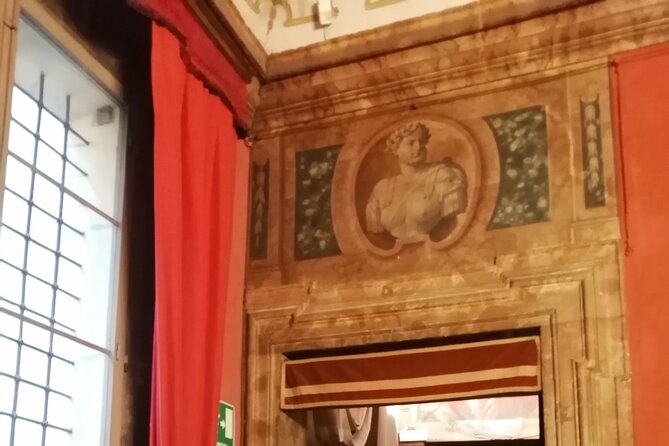
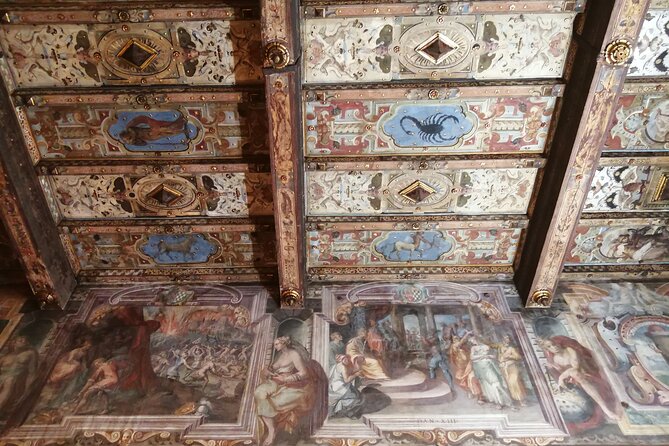
At Palazzo Comunale, the focus shifts back to power—but in a different visual language. You’ll see renaissance and baroque ceilings, frescoes, and sculptures, plus Bramante staircases designed for horsemen.
That stair detail is a great reminder that these were not “backdrops.” They were functional spaces, used by people moving with status. The guide’s storytelling makes those architectural choices feel logical rather than decorative.
This stop is quick, so you won’t absorb everything like a museum visit. But it’s a powerful summary of why Bologna’s art blends with governance and urban life.
Tastings that connect food to the medieval story
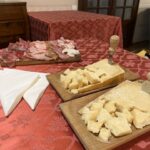
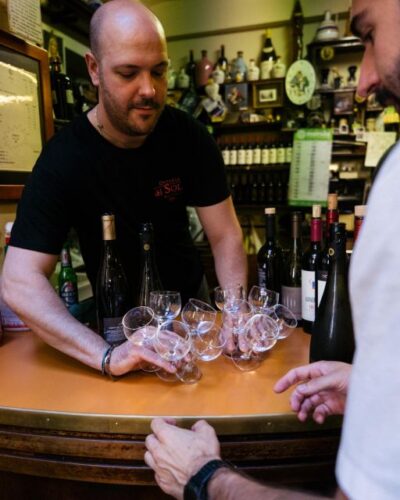
Food here isn’t an add-on. It’s part of the Bologna narrative. The tour includes tastings, including rice cake made from a medieval recipe and a sample of local wine.
That medieval recipe detail is exactly the sort of connection I like: you don’t just eat something local; you’re handed a thread between past and present. The wine sample helps round out the experience without turning the whole tour into a bar crawl.
If you’re the type who likes to plan food in advance, this stop also gives you direction for what to look for afterward in shops and markets.
Consideration: If you’re sensitive to alcohol, you might want to confirm how the wine tasting is handled before you go. The tour only states a sample, not pouring amounts.
Value: why a $175.36 art walk can actually be worth it
At $175.36 per person for about 3 to 4 hours, you’re paying for three things: a focused art-and-history guide, entry for key sites (San Petronio and Archiginnasio), and tastings.
If you’re self-guided, you might spend less on the tour itself, but you’ll likely spend more time figuring out what you’re looking at. Here, the guide’s story makes the stops land faster—especially around symbolic details like sundials, anatomical theatre history, and the guild clues in Quadrilatero.
The group discount angle also helps if you’re traveling with someone else. And the maximum group size matters for experience quality. It’s easier to ask questions and hear explanations.
Booking seems to be popular too, with an average booking window of 54 days in advance. If your dates are fixed, don’t leave it late.
Who should book this Bologna historical art walking tour
This is a great choice if you want a city-center overview that’s art-heavy but still grounded in real Bologna life—universities, civic buildings, market organization, and religious art.
I’d particularly recommend it if you:
- like Renaissance and medieval architecture
- enjoy when food culture is explained through history
- want a structured first day in Bologna
- want guided entry at major sites rather than lining up alone
If your priority is only food, or if you dislike church interiors and indoor museum-like rooms, you might feel stretched. In that case, you could still enjoy the market and the canal stops, but you may want a shorter or more food-centered alternative.
Should you book it?
Yes—if you want Bologna to make sense fast and you enjoy art history explained in plain language, this tour is a strong bet. The site mix is well-chosen: Piazza Maggiore for context, San Petronio and Archiginnasio for big-ticket culture, Quadrilatero and canals for the everyday threads, and Santa Maria della Vita for a genuinely emotional art hit.
If you book, I suggest doing it early in your trip. You’ll walk away with a sharper city map and better choices for what to revisit on your own—especially for churches and viewpoints you now understand.
FAQ
How long does the tour last?
It runs about 3 to 4 hours.
What does the tour cost?
The price is $175.36 per person.
Is the tour offered in English?
Yes, the tour is offered in English.
How large is the group?
The group size is capped at a maximum of 25 travelers.
Are tickets included for all the stops?
Not every stop charges. Entry is included for Basilica di San Petronio and Archiginnasio di Bologna, while several other stops are free.
Where does the tour start?
The meeting point is Bar Vittorio Emanuele, Piazza Maggiore 1, Bologna.
Is there tasting during the tour?
Yes. The experience includes tastings, including a medieval-style rice cake and a sample of local wine.
What is the cancellation policy?
You can cancel for free up to 24 hours before the experience’s start time for a full refund.
More Bologna History Walks
More Bologna Walking Tours
More Tour Reviews in Bologna



After something different? More ways to fill a day in Bologna and across Emilia-Romagna






Bologna Walking Tours & City Highlights, compared.
 ★ 4.5City Center Walking TourFrom $263,478 reviews
 ★ 4.8Walking Food Tour with a Local GuideFrom $90882 reviews
 ★ 5.0Private Half Day Parma Food Walking TourFrom $134561 reviews
 ★ 3.7Open Bus City Tour and Local Food TastingFrom $46550 reviews
 ★ 5.0Bologna Private Highlights & Hidden Gems Tour with a LocalFrom $77359 reviews
 ★ 4.6City Highlights Walking Tour with Local GuideFrom $17219 reviews
 ★ 4.9City Center Guided Wine Walking TourFrom $70210 reviews
 ★ 4.2City Walking TourFrom $27203 reviews
Browse the lists this tour appears in