
Reviewed · FERRARA WALKING TOURS & DAY TRIPS
Jewish Bologna and Modena or Ferrara
Jewish Bologna has layers you can still feel. This guided day links the ghetto story in Bologna with a train ride to Ferrara (for the MEIS museum of Judaism and the Shoah) or Modena (for its Jewish quarter). I especially like how the guide, Stephanie Foulkes, ties big themes to specific corners of the city, and I like the practical flow: a structured walking morning, then museum time with no guesswork.
Here’s the one snag: it doesn’t run on Mondays because the relevant museums are closed. Also, at least one synagogue visit depends on whether it’s open that day, so you should treat synagogue interiors as a maybe, not a guarantee.
If you come with comfortable shoes and an open mind, you’ll leave with a clearer picture of how Jewish communities in Emilia-Romagna moved through welcome, restriction, expulsion, and (today) visible presence.
In This Review
- Key highlights worth planning for
- A train day that connects Jewish life across three neighborhoods
- Twenty-two centuries in Emilia-Romagna, with context that stays human
- Bologna walk: the ghetto streets, Santo Stefano, and clues you can still spot
- The main drawback of Bologna on foot
- Synagogue access isn’t a yes-or-no: plan for the “maybe” days
- If you’re strict about indoor synagogue time
- Ferrara versus Modena: two different flavors of the Jewish footprint
- Option 1: Ferrara and the MEIS museum
- Option 2: Modena and its main-square-and-ghetto route
- Ferrara movement: bus/taxi plus some walking
- Price and time: how $70 fits the value picture
- Duration reality check
- Guide quality: why Stephanie’s approach lands well, and when it might not
- Who should book this tour (and who should be thoughtful)?
- Should you book Jewish Bologna with Ferrara or Modena?
- FAQ
- How long is the tour?
- Is the tour available on Mondays?
- What language is the tour in?
- What transportation is included?
- Does the $70 price include train tickets?
- Is the Bologna synagogue always visitable?
- Are there extra costs for the synagogue visit?
- What should I bring?
- Is there free cancellation?
Key highlights worth planning for
- Bologna ghetto landmarks like the two towers tied to the old Jewish guild and key stops around Santo Stefano
- Stephanie Foulkes’s focus on real places, not just dates, with a guide who asks about your interests ahead of time
- Ferrara’s MEIS museum for a focused look at Judaism and the Shoah (and a major reason many people choose Ferrara)
- Santo Stefano area connections, including the Santo Stefano square and the house linked to the Jewish-Sforno family
- Synagogue access that varies by day, with specific rules for when you may be able to go inside
- A true day-trip by train, with time built in for transit and museum visits, not a sprint
A train day that connects Jewish life across three neighborhoods
This is not a museum-only outing. It’s a guided, place-based story that starts in Bologna, then continues by train to either Ferrara or Modena.
What makes it interesting is that you’re learning in layers. In Bologna, you’ll trace how Jewish life shaped the city and how restrictions changed where people could live and worship. Then you move to a second city context, where the tone shifts from exile and exclusion to a community that was able to thrive in a different political setting.
Still deciding how to spend your time in Bologna? Here are more tours and Emilia food days worth a look.


Twenty-two centuries in Emilia-Romagna, with context that stays human
You’ll get a narrative that starts far back—Roman-era background—then moves through the long pattern of expulsion and marginalization. The tour frames Jewish history not as distant legend, but as part of how Italy actually developed: cities, laws, neighborhoods, and everyday movement.
In Bologna, the story includes that the community was expelled more than once. That matters because it explains why the physical footprint of Jewish life can feel both present and missing at the same time. In Ferrara, you’ll hear how Jewish communities were welcomed by the Estense, which helped create a thriving local presence.
By the time you’re done, you should understand two things at once: discrimination was real, and Jewish life in Italy was also real—across centuries and across towns.
Bologna walk: the ghetto streets, Santo Stefano, and clues you can still spot
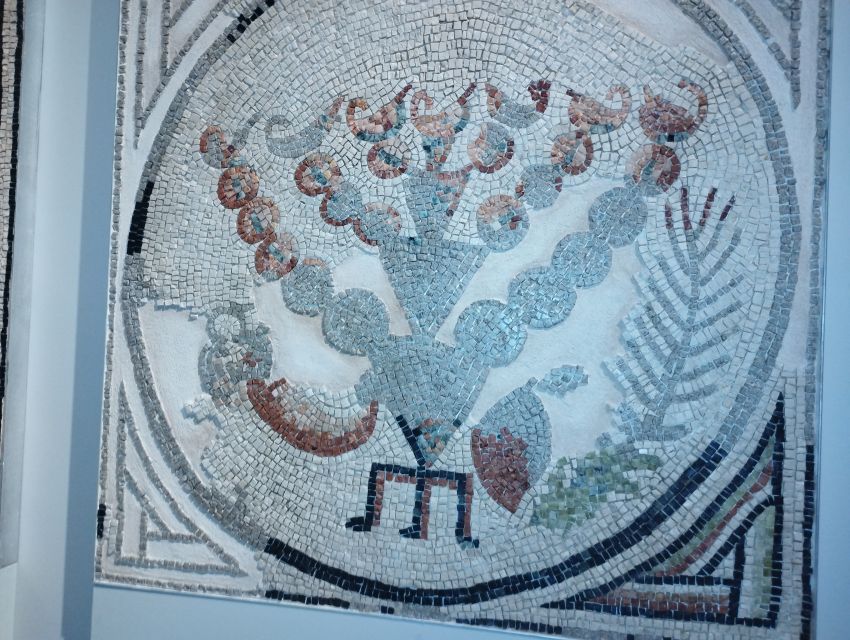
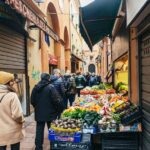
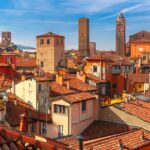
Bologna’s morning is a walking tour inside the city, built around recognizable historical anchors. You’ll start with the two towers associated with the old Jewish guild—an immediate reminder that Jewish life wasn’t just hidden away; it had institutional roots.
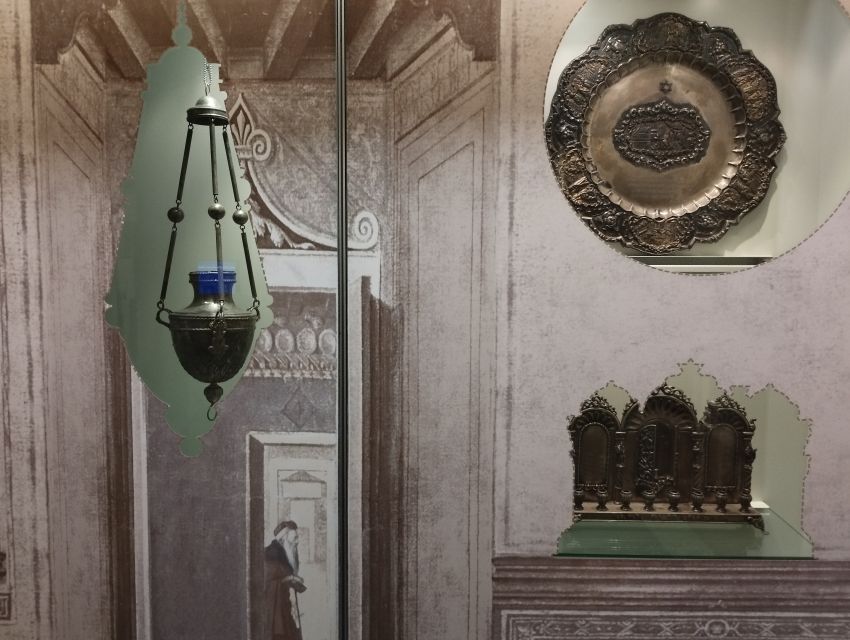
From there, you’ll move through the old ghetto area and the Jewish museum. The point isn’t only to see objects. It’s to understand how the city’s geography shaped daily life—where people gathered, where they could learn, and how segregation worked in practice.
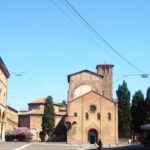
One of my favorite parts of this kind of tour is when it connects faith history to city layout. Here, that connection shows up around Santo Stefano, known as the seven churches, plus Santo Stefano square and the house connected with the Jewish-Sforno family. Even if you’ve visited churches in Italy before, this section changes how you read the streets. You start noticing what’s usually background.
The main drawback of Bologna on foot
Bologna is famous for charm, and also for cobblestones. You’ll want sturdy, comfortable shoes. The good news: the tour is wheelchair accessible, and it’s designed for people who need to move at a slower pace. Still, the stone streets can make longer walking feel tougher, especially if you plan to add your own sightseeing afterward.
Synagogue access isn’t a yes-or-no: plan for the “maybe” days
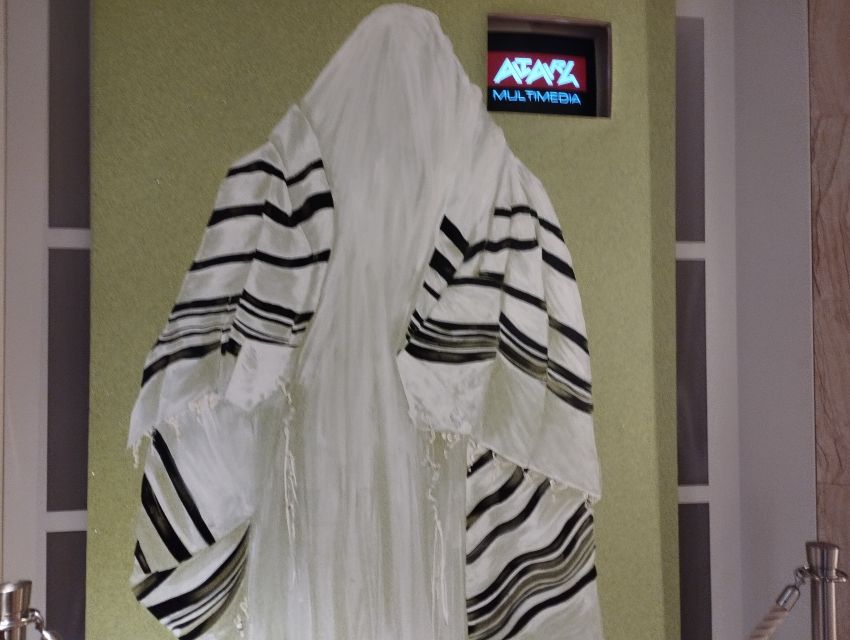
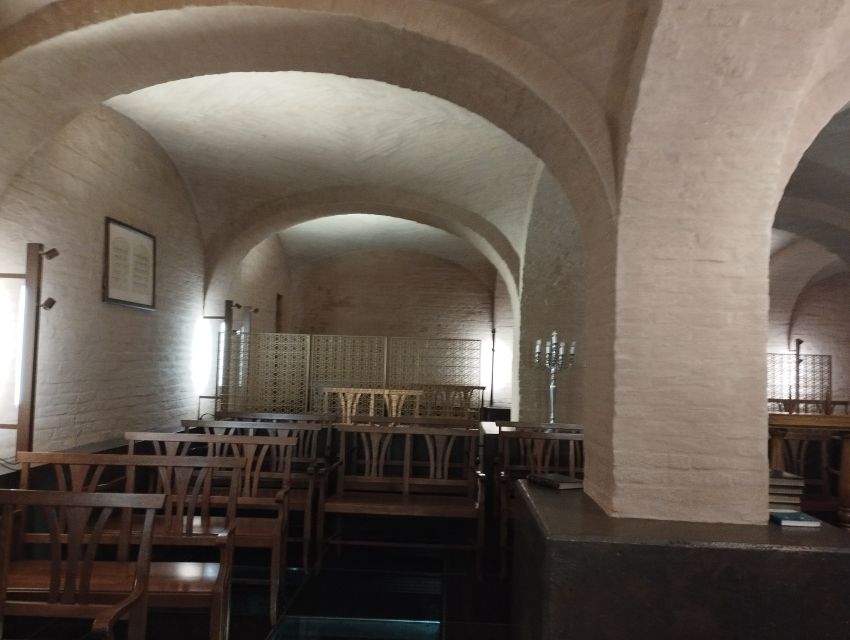
This tour has a thoughtful approach to one of the big questions: can you see inside certain synagogue spaces? The guide will contact the 19th-century synagogue at 9, via dei Gombruti to check whether it’s visitable.
And the rules matter:
- It’s not visitable on Friday or Saturday
- It’s not visitable on Sundays
The same synagogue has a Star-of-David rose window, which is part of what makes the exterior and location so striking. But the key is that the interior visit may depend on the day.
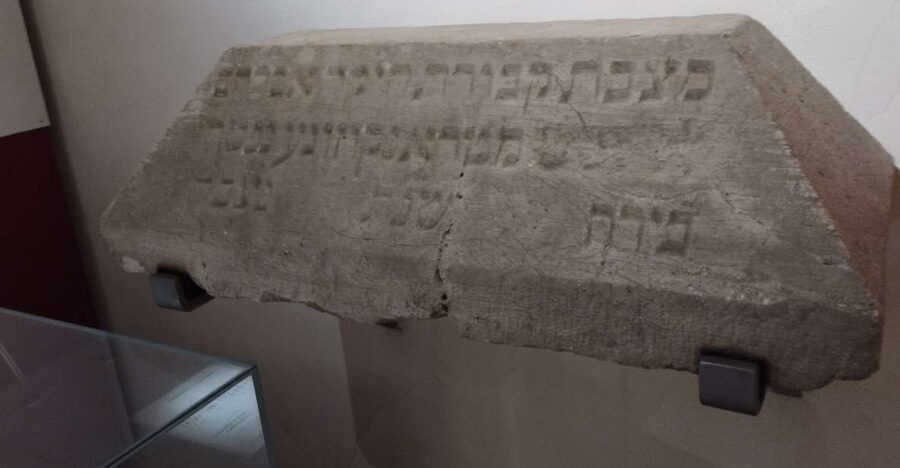
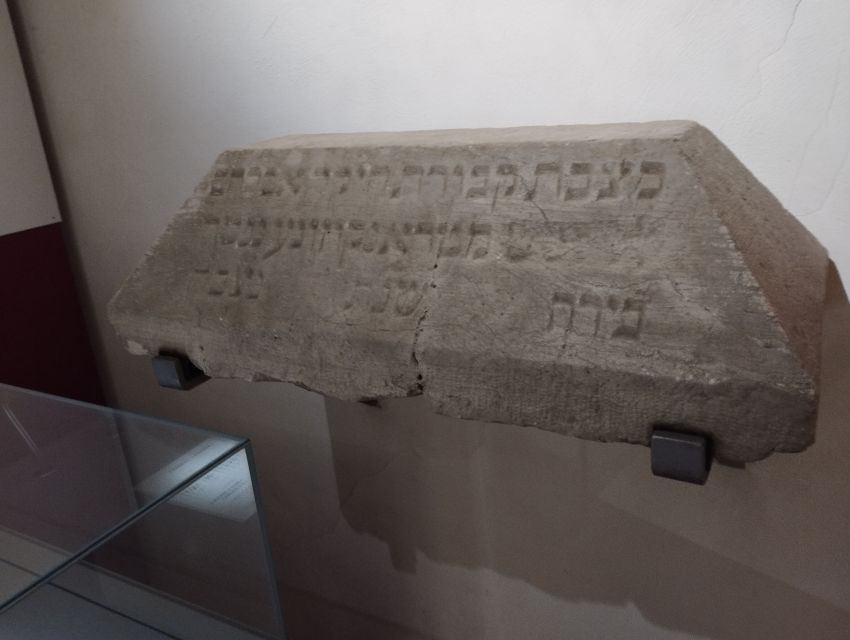
You’ll also hear about the Bocchi building with the only Jewish inscription in Europe (as described for this stop). Even when you can’t go inside a synagogue, those kinds of inscriptions help you understand how Jewish presence was marked in public space.



If you’re strict about indoor synagogue time
Treat synagogue interiors as optional extras tied to opening status. The tour still works if you can’t enter every site, but if indoor access is your top priority, pick dates carefully so you’re not relying on a day that’s restricted.
Ferrara versus Modena: two different flavors of the Jewish footprint
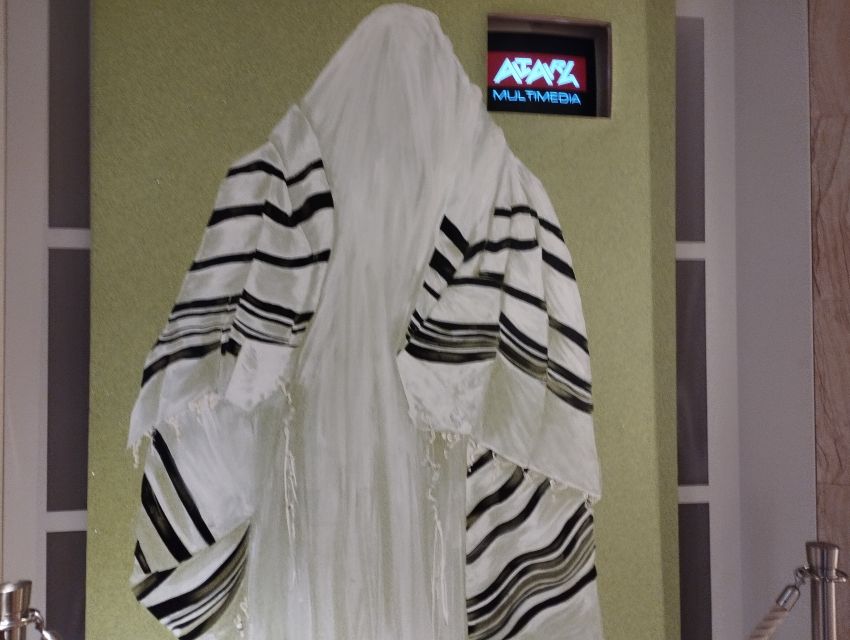
After Bologna, you take a train to the second city. The travel segment is part of the experience, not a wasted gap—this tour is built for a real shift in scenery and local history.
Option 1: Ferrara and the MEIS museum
Ferrara is famous for its Renaissance identity, often called the first Renaissance city. On this tour, that fame is more than aesthetic. Ferrara becomes the counterpoint to the story of exclusion you hear in Bologna.
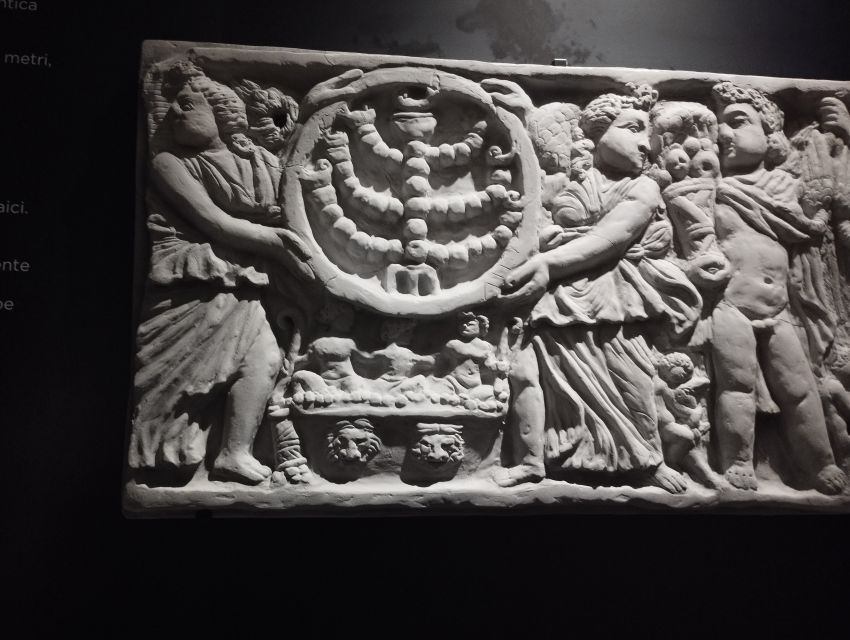
In Ferrara, you’ll visit the Jewish area and the ghetto. You’ll also go to the MEIS (Italian Museum of Judaism and the Shoah). That museum is the major reason many people choose the Ferrara version, because it focuses directly on Judaism and the Shoah in an organized, visitor-friendly way.
MEIS has a practical consequence: this tour isn’t available on Mondays due to museum closure. So if you’re picking travel dates, avoid Monday travel unless you’re comfortable switching plans.
Option 2: Modena and its main-square-and-ghetto route
If you go the Modena route, you’ll visit the main square and then the ghetto area. The emphasis is less on a single signature museum stop (no MEIS here on this tour description) and more on walking the city’s Jewish geography.
This option can feel especially satisfying if you like smaller-town pacing—less museum time, more street reading. But if you’re specifically hungry for a museum-led Shoah-and-Judaism framework, Ferrara’s MEIS is the stronger match based on what’s described.
Ferrara movement: bus/taxi plus some walking
In Ferrara, you’ll likely use a bus or taxi for part of the route, with some walking in the Jewish area. That’s helpful if you want to see key points without turning it into an endurance test.
Price and time: how $70 fits the value picture
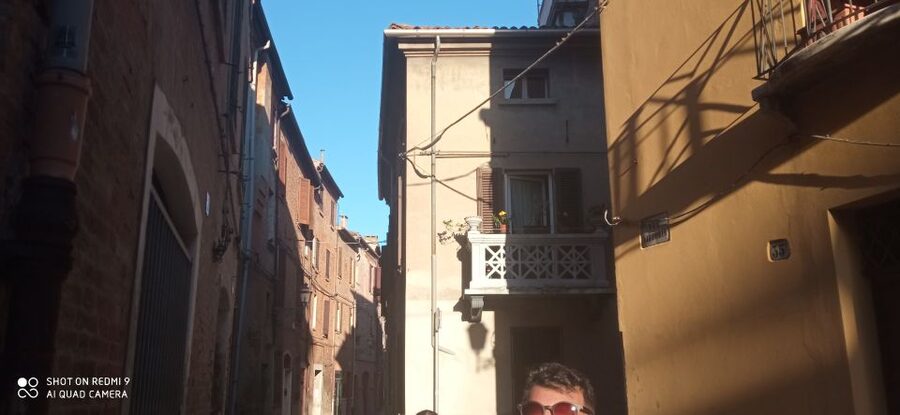
The price is $70 per person, and it covers the guide’s expertise—not the train tickets themselves. The tour includes:
- Guided time in Bologna
- The guided portion in the second city
- The transit segment by train
- The structure that keeps the day coherent
The train tickets are not included. The provided figure is a return fare of 10.40 euros per person for Ferrara, and you’ll need separate tickets for the Modena option as well (you’ll want to confirm the exact amount for your chosen city).
There’s also a possible extra cost tied to synagogue guidance. If the Bologna synagogue is visitable, there can be a 7 euros per person charge for a guide from the Jewish community.
So is $70 a deal? For most people, yes—because you’re paying for a skilled guide and a tight plan. Jewish history in Italy can be hard to piece together from signage alone, and many of the most meaningful stops are tied to locations that aren’t obvious without explanation.
Duration reality check
The tour is described as flexible, with a total that can stretch depending on time spent in museums and also lunch timing. Practically, think of it as a half-day to full-day rhythm built around museum access and train time.
In one standout review detail, someone wished there had been more time in Bologna before moving on. That tells me the Bologna portion can create that feeling of wanting just a bit more, which is great if you’re a history lover—and less great if you’re trying to fit this into a tight schedule.
Guide quality: why Stephanie’s approach lands well, and when it might not
Stephanie Foulkes is the named guide for this experience, and she comes across as prepared and responsive. One review notes she asked about specific interests while preparing for the tour, which is exactly what you want for a subject like Jewish history in Italy, where people might care more about architecture, community life, or the darker chapters.
Another review praised her as a real storehouse of information about Bologna’s Jewish community past and present. That matches the way the tour is designed: it’s not only about seeing stops, but understanding what those stops mean in a long story.
Now, for balance: one review was critical of communication style, saying her speaking flow was difficult to follow. That’s a good reminder that not every guide method fits every listener. If you know you prefer slower pacing or have trouble with rapid delivery, it’s worth asking for clarification in the moment. A good guide should adapt on the fly.
Who should book this tour (and who should be thoughtful)?
This tour is ideal if:
- You want Jewish history tied to specific locations, not a broad slideshow
- You’re choosing between Ferrara and Modena and want the structure to compare both
- You like walking with clear direction and a guide who connects the dots
- You appreciate the balance of discrimination history plus lived community context
You might be less excited if:
- You only want a short walking outing and hate train days
- You’re visiting on a Monday (the tour doesn’t run then)
- You need guaranteed synagogue interior visits regardless of day rules (some are dependent on access)
This is also the kind of day that rewards curiosity. If you like hearing how communities were treated, how ghettos worked, and how families and institutions shaped city life, you’ll get a lot out of it.
Should you book Jewish Bologna with Ferrara or Modena?
If your goal is a thoughtful, structured introduction to Jewish history in Emilia-Romagna, this is a strong option. The combination of Bologna landmarks, a clear continuation to either Ferrara or Modena, and the potential museum depth in Ferrara makes it good value for history-minded travelers.
My practical advice: choose Ferrara if you want the MEIS focus on Judaism and the Shoah. Choose Modena if you’d rather spend time in city space—main square and ghetto routes—without centering on a single museum stop. And whatever you choose, plan around the Monday closure rule and wear shoes that can handle cobblestones.
If you can handle a full day pace and you’re open to the synagogue-access “maybe” element, booking this tour makes a lot of sense.
FAQ
How long is the tour?
The duration is flexible depending on how long you spend in museums and other timing, and it includes the journey to Ferrara. It’s typically described as a day experience, with Bologna being about an hour and the rest depending on the second-city visit and museum time.
Is the tour available on Mondays?
No. The tour isn’t available on Mondays because the relevant museums are closed.
What language is the tour in?
The tour is in English.
What transportation is included?
You do a walking tour in Bologna, then take a train to Ferrara or Modena. In Ferrara, there may also be bus or taxi use plus some walking.
Does the $70 price include train tickets?
No. Train tickets are not included. The provided info lists a return fare to Ferrara of 10.40 euros per person, and you’ll need separate tickets for the Modena option as well.
Is the Bologna synagogue always visitable?
No. The guide contacts the 19th-century synagogue at 9, via dei Gombruti to check whether it’s visitable. It’s not visitable on Friday or Saturday, and it’s not visitable on Sundays.
Are there extra costs for the synagogue visit?
If the Bologna synagogue is visitable, there can be a charge of 7 euros per person for a guide from the Jewish community.
What should I bring?
Bring comfortable shoes. The tour runs rain or shine.
Is there free cancellation?
Yes. You can cancel up to 24 hours in advance for a full refund.
More Tour Reviews in Bologna
After something different? More ways to fill a day in Bologna and across Emilia-Romagna







Ferrara Walking Tours & Day Trips, compared.
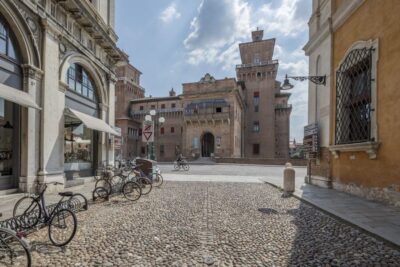 ★ 4.6City Highlights Walking Tour with Local GuideFrom $17219 reviews
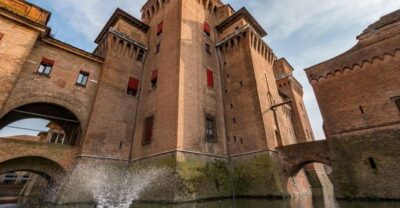 ★ 4.4Estense Castle Guided TourFrom $15101 reviews
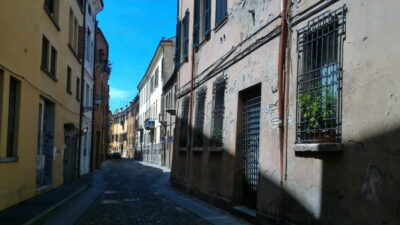 ★ 4.7Medieval Ferrara and the Jewish Ghetto Walking TourFrom $16970 reviews
 ★ 4.1Digital guide made with a Local for your TourFrom $645 reviews
 ★ 4.92-Hour City Center Walking TourFrom $10635 reviews
 ★ 4.5Ferrara Walking Tour with Audio and Written GuideFrom $735 reviews
 ★ 4.3Guided City Highlights Walking TourFrom $14121 reviews
 ★ 5.0Discover Ferrara, City of the RenaissanceFrom $12611 reviews
Browse the lists this tour appears in